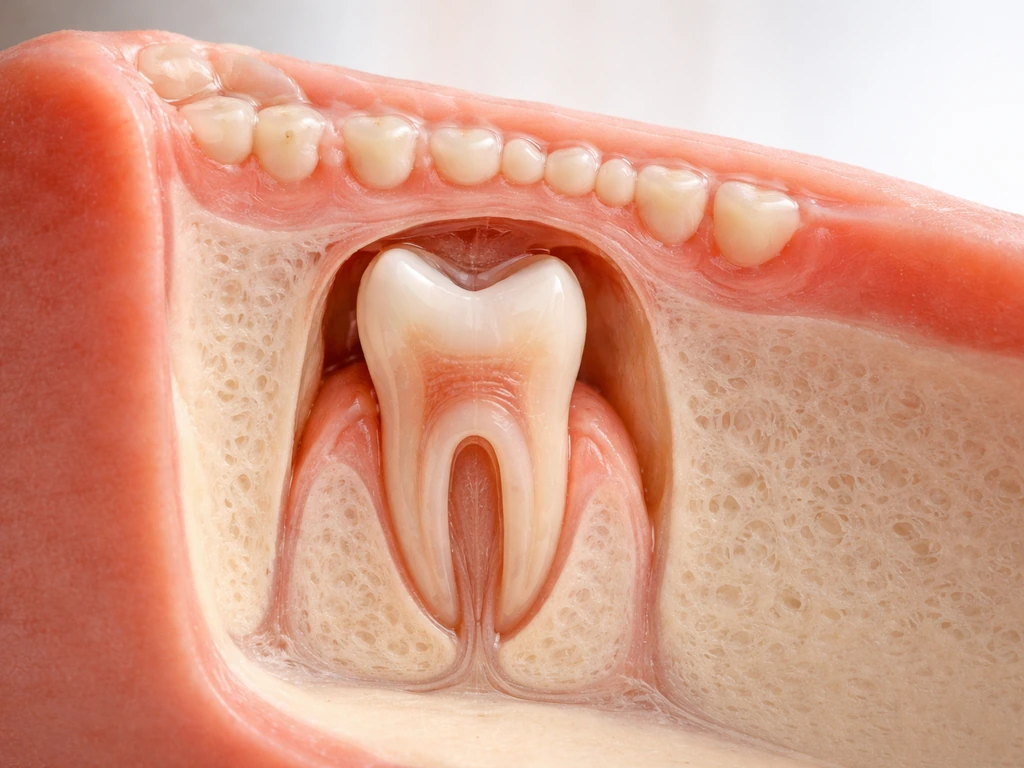
Teeth grow from specialized tissue inside your developing jaw, specifically from a structure called the dental lamina, which is a thickened band of oral epithelium that forms tooth buds long before you were even born. Those buds interact with the tissue around them to eventually become every tooth you'll ever have naturally. That's the short answer. But understanding the full picture matters a lot if you're wondering why a tooth hasn't come in yet, whether a lost tooth can ever grow back, or why enamel damage is so permanent. Let's walk through it clearly.
Where Do Teeth Grow From: Origins, Eruption, and Regrowth Limits

Marcus Holloway
20 Apr 2026
The simple answer: where teeth actually come from
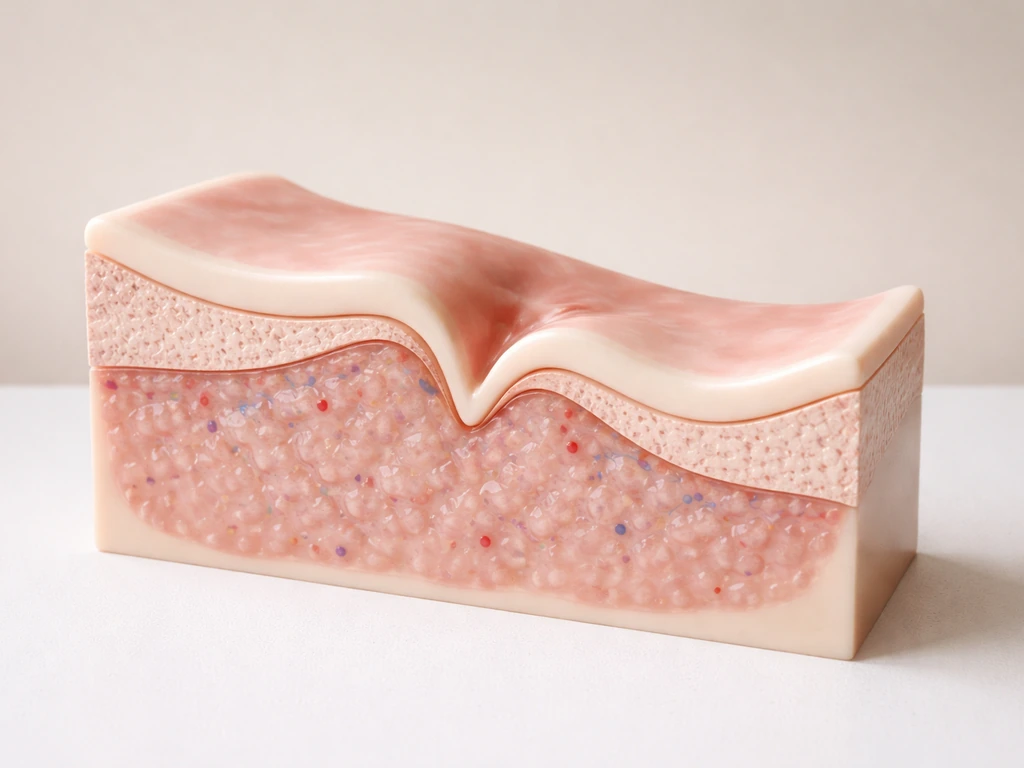
Teeth don't just appear at random in your gums. They form from two main tissue types working together: the oral epithelium (the lining of your mouth) and the neural crest-derived ectomesenchyme (a type of connective tissue beneath it). Neither tissue alone can make a tooth. It takes a coordinated back-and-forth signaling process between them, called epithelial-mesenchymal interaction, that kicks off the entire chain of events leading to a finished tooth.
The oral epithelium contributes what eventually becomes the enamel-forming cells. The mesenchyme beneath it contributes what becomes the dentin, pulp, and root. So a tooth is literally built from two different cellular lineages fusing their efforts into one structure. This is also exactly why teeth can't regenerate after loss: once that cooperative developmental process is finished and those specialized cells are gone, there's no biological reset button.
How tooth buds form in the jaw: a human timeline
Tooth development, called odontogenesis, starts surprisingly early. Around the 6th week of intrauterine life, the dental lamina begins forming as a thickened arc of epithelial cells along what will become the jaw. Tiny outgrowths called tooth buds (or tooth germs) push into the underlying mesenchyme from this lamina. Each tooth you'll ever have starts as one of these buds.
From there, each bud goes through a recognized sequence of stages: bud, cap, bell, and then crown and root formation. During the cap stage, the epithelial tissue cups around the underlying dental papilla (a ball of mesenchymal tissue) and begins organizing into what's called the enamel organ. By the bell stage, the cells are committing to their specialized roles: ameloblasts (enamel-makers) differentiating from the epithelium, and odontoblasts (dentin-makers) differentiating from the mesenchyme. Mineralization of enamel and dentin begins later, before the tooth ever erupts.
Primary (baby) tooth buds are forming and progressing through these stages during fetal development. Permanent tooth buds start forming a bit later, around 24 weeks in utero, positioned deeper in the dental lamina. So by the time a baby is born, both sets of teeth are already underway, just completely hidden inside the jaws.
Primary vs permanent teeth: where each set comes from
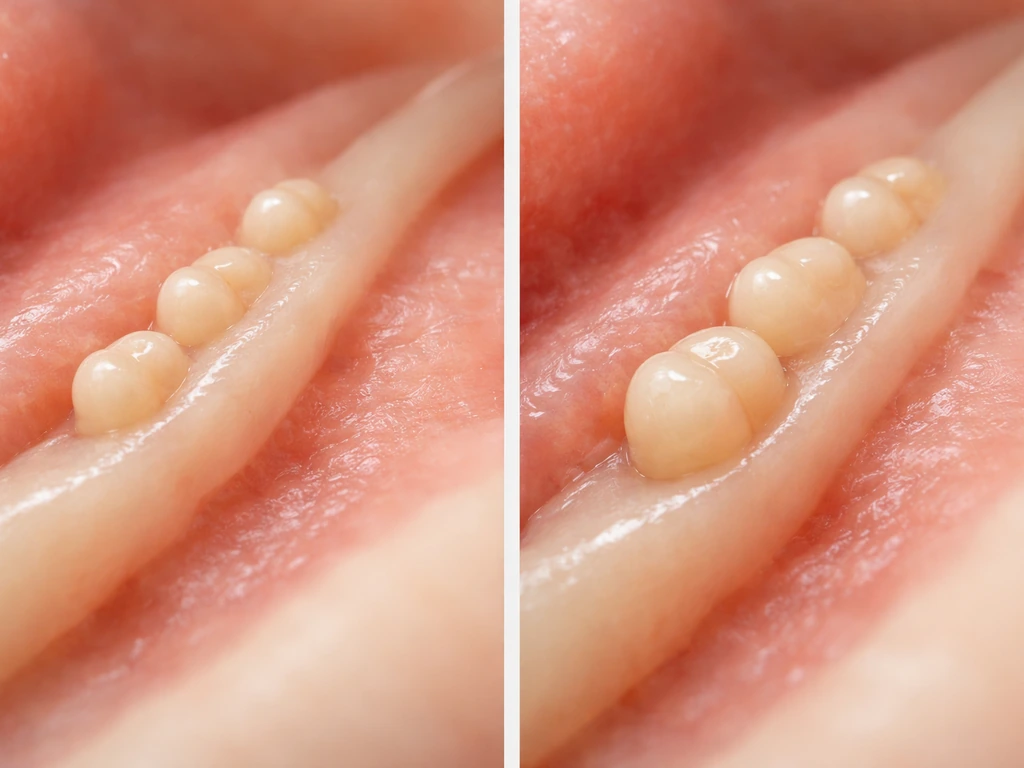
Both sets of teeth originate from the same dental lamina system, but they form at different times and positions. Primary tooth buds are the first to develop, forming from the initial dental lamina. Permanent tooth buds develop from extensions of that same lamina system, called successional laminae, which grow deeper and more toward the tongue side (lingual) of the primary tooth buds.
Think of it like this: the primary tooth bud takes the lead position, and the permanent tooth bud forms behind and beneath it, waiting its turn. Permanent teeth form behind and beneath the primary tooth bud, which is why new teeth can seem to appear “behind” existing ones when eruption and timing line up behind and beneath it. When a baby tooth eventually falls out (or is lost), the permanent tooth bud that has been developing beneath it is what erupts to take its place. This is why losing a baby tooth too early can sometimes interfere with the permanent tooth's path into the mouth, a situation worth a dentist visit if it happens.
The permanent molars in the back of the mouth are a slight exception. Because they don't replace any primary teeth, they develop from extensions of the dental lamina further back along the jaw, rather than from successional laminae positioned beneath existing baby teeth. But they still originate from the same fundamental tissue system.
Where roots and enamel come from, and why damage is a different problem than absence
Enamel comes entirely from ameloblasts, which differentiate from the dental epithelium during the bell stage. These cells deposit the enamel matrix on the crown of the forming tooth before eruption. Here's the critical part: once the tooth erupts into your mouth, the ameloblast layer is shed. It's gone. Permanently. This is why enamel has no ability to regenerate on its own after it's lost or damaged. The cells that made it no longer exist in your body.
Roots form through a different but related process. A structure called Hertwig's Epithelial Root Sheath (HERS) extends downward from the cervical loop of the enamel organ and acts as a biological template for root formation. As HERS grows apically (toward the root tip), it signals the nearby dental papilla cells to become odontoblasts, which then deposit root dentin. So root dentin is a product of the mesenchymal lineage, guided by epithelial signaling from HERS.
This distinction matters practically. Enamel damage from acid erosion, grinding, or a chipped tooth is not the same as a missing tooth. Yellow teeth can also come from surface staining or enamel changes, so the cause depends on what your teeth look like and how they got that way Enamel damage. You still have the underlying dentin and root in place.
But enamel loss is still permanent and serious, because the tissue that created it is gone. Dentin damage is also permanent in terms of natural regrowth, though the pulp inside a tooth does have some limited capacity to deposit a form of [reparative dentin as a defensive response to mild injury](https://pmc. ncbi. nlm.
nih. gov/articles/PMC7867227/). Limited reparative dentin deposition after mild pulp injury is discussed in endodontic regeneration literature, including how tertiary dentin relates to pulp response versus necrosis [limited capacity to deposit a form of reparative dentin](https://pmc. ncbi.
nlm. nih. gov/articles/PMC7954765/). That's a protective reaction, not regeneration in the way most people hope for.
What actually triggers teeth to move into your mouth
Eruption isn't just a tooth slowly pushing its way up through soft tissue. This also explains how teeth grow through the gums once the erupting tooth reaches the surface how do teeth grow through gums. It's a coordinated biological event involving bone remodeling. The bone overlying the erupting tooth is actively broken down (resorbed) by specialized cells called osteoclasts, while new bone forms beneath the tooth to support its upward movement. The dental follicle, the tissue sac surrounding the developing tooth, plays a major role in regulating this process by coordinating the activity of bone-resorbing and bone-forming cells.
A structure called the gubernacular canal, a soft tissue pathway through the bone, also opens up as eruption proceeds. The periodontal ligament (PDL) tissue that eventually anchors teeth to the jaw is already developing during this phase and contributes to the forces and remodeling signals that help the tooth move into position.
Primary teeth typically begin erupting around 6 months of age, with the lower front teeth usually appearing first. Permanent teeth start replacing primary teeth around age 6, with the lower central incisors and first permanent molars often leading the way. By the late teens or early twenties, wisdom teeth (third molars) are the last to attempt eruption, though they frequently encounter problems because of limited jaw space, which connects to why teeth sometimes grow in crooked or become impacted. This same developmental process is also a big reason why teeth grow crooked or get stuck as they erupt become impacted.
Can teeth, gums, or enamel actually grow back? What's real and what isn't
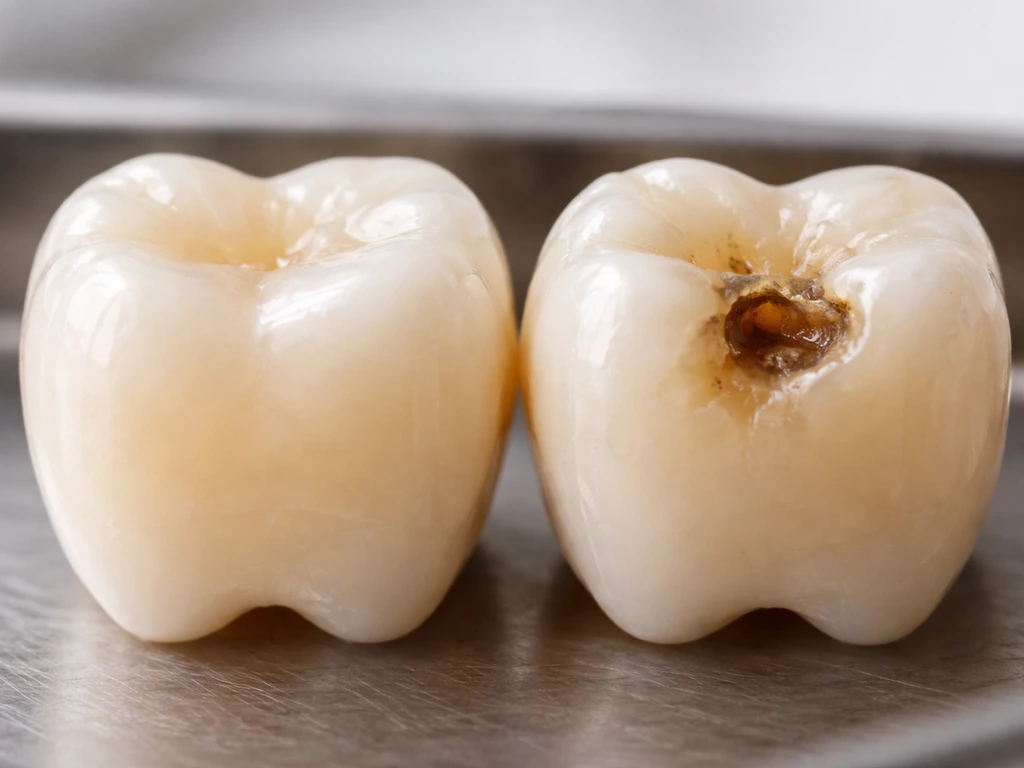
This is where a lot of myths live online, so let's be direct about what's biologically possible and what isn't.
| Structure | Can it grow back naturally? | What's actually possible |
|---|---|---|
| Enamel | No | Minor remineralization of very early-stage surface demineralization with fluoride and saliva; structural enamel loss cannot be replaced naturally |
| Dentin | Very limited | Reparative (tertiary) dentin can form inside the pulp chamber as a defensive response to mild damage, but not to replace lost external dentin |
| Pulp | No (if lost) | Root canal therapy can remove infected pulp; no natural regeneration of lost pulp tissue in adults |
| A lost adult tooth | No | Dental implants, bridges, or partial dentures are the replacement options |
| Gum tissue | Partially | Minor gum recession can sometimes stabilize; significant tissue loss may require grafting |
| Baby teeth | No (but irrelevant) | Permanent teeth are already forming underneath and will erupt when ready |
| Root structure | No | Once a root is lost, it cannot regenerate; implants replace root function mechanically |
The remineralization point is worth expanding because it's the most commonly misunderstood. If enamel starts to demineralize, for example from acid exposure in the very early stages before a visible cavity forms, saliva and fluoride can help restore some mineral content to that softened zone. That's remineralization, and it's real. But it only works on the surface layer of very early lesions. Once enamel has physically broken down and there's a hole, that structure is gone and needs a filling. No toothpaste or supplement will rebuild it.
Research into enamel matrix derivatives (EMD) and stem cell-based tooth regeneration is ongoing, but as of now, these are experimental or used in very specific contexts (like EMD for periodontal tissue regeneration, not for regrowing a lost tooth from scratch). Human teeth are diphyodont, meaning you get exactly two natural sets, and once that developmental window closes, the biological machinery that built those teeth is no longer active in the same way.
When to actually worry and what to do next
Delayed tooth eruption
A tooth is generally considered delayed if it hasn't surfaced within about 12 months of its expected eruption time, or when its root is approximately three-quarters complete on an X-ray but the tooth still hasn't emerged. If your teeth still haven't grown in, a dentist can check for delayed eruption or impaction and explain what to expect based on your X-ray findings.
If you're a parent and your child's teeth seem behind schedule, a pediatric dentist visit is the right first step. Common causes of delayed eruption include insufficient arch length (not enough jaw space), early loss or prolonged retention of a primary tooth, impaction, or the presence of a supernumerary (extra) tooth blocking the path. Supernumerary (extra) teeth form when additional tooth buds develop during this same dental lamina and signaling process.
These are all diagnosable with X-rays, including panoramic or periapical views, and in some cases a CBCT scan.
If a child's upper front permanent teeth are coming in unevenly or one side seems stuck, a supernumerary tooth called a mesiodens could be the culprit. This is more common than many parents realize and is very manageable once identified. An oral maxillofacial surgeon or pediatric dentist can evaluate and, if needed, remove the extra tooth to allow normal eruption to proceed.
Congenitally missing teeth
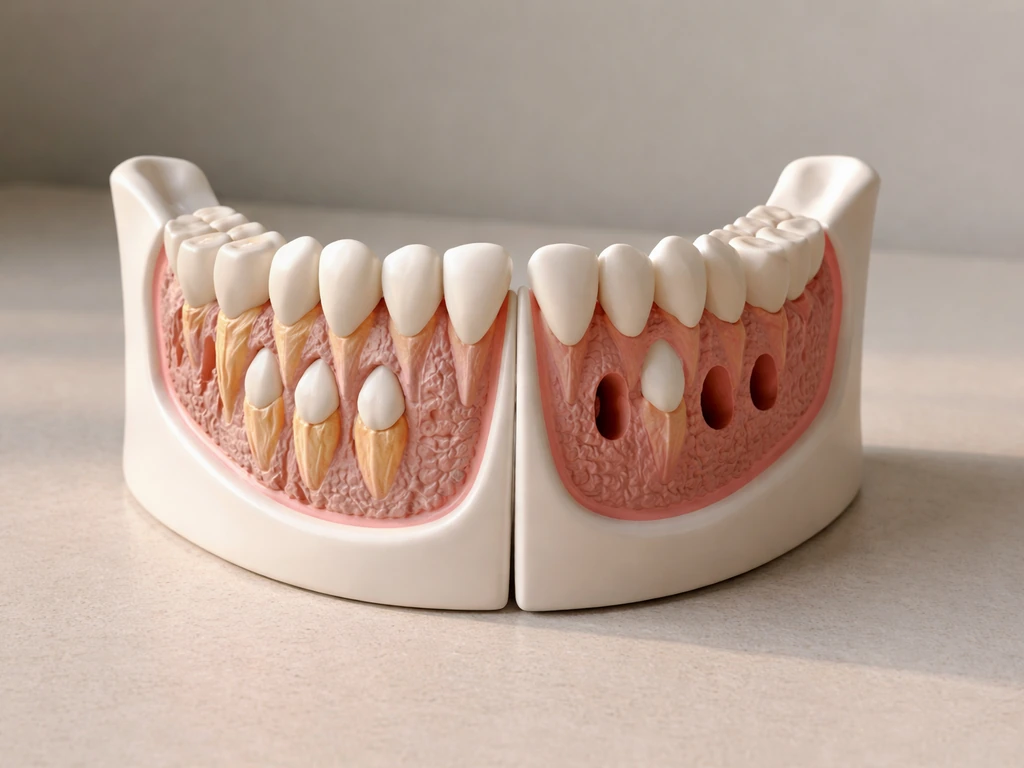
Some people are simply missing one or more permanent teeth because the tooth bud never formed, a condition called hypodontia (or oligodontia when more than six teeth are affected). The most commonly missing teeth are upper lateral incisors, lower second premolars, and wisdom teeth. This shows up on a panoramic X-ray. Depending on age and jaw development, the options include orthodontics to close the space, a dental implant once jaw growth is complete (generally not before the late teens), or a bridge.
Enamel damage or tooth loss in adults
If you've lost enamel from erosion, grinding, or a cavity that was left untreated, the realistic options are fillings, bonding, crowns, or veneers depending on the extent of the damage. Don't wait hoping it will self-repair, because it won't. The sooner it's addressed, the more natural tooth structure can be preserved. For a lost adult tooth, implants are the gold-standard replacement because they replicate the root function and prevent the bone loss that follows tooth extraction.
Practical next steps based on your situation
- Child's tooth is late coming in: See a pediatric dentist if it's been more than 12 months past the typical eruption age. Ask for a panoramic X-ray to check for obstruction, space issues, or supernumerary teeth.
- You've chipped or lost enamel: Book a dentist appointment sooner rather than later. Options depend on severity: bonding and fillings for minor loss, crowns for more extensive damage.
- An adult tooth was knocked out or extracted: Ask your dentist about implants (if jaw growth is complete), bridges, or partial dentures. Don't leave a gap long-term, as the surrounding bone and adjacent teeth will shift.
- You're noticing asymmetric eruption in your child's front teeth: Ask your dentist to check for a mesiodens with a targeted X-ray.
- You've read about 'tooth regrowth' supplements or treatments online: Be skeptical. No over-the-counter product can rebuild lost enamel or regenerate a missing tooth. Fluoride toothpaste helps prevent further loss and supports early remineralization, but that's the realistic scope of it.
Understanding where teeth come from, meaning that specific window of fetal and early childhood development when dental lamina, tooth buds, and carefully coordinated cell signaling produce every tooth you'll ever have, makes it clear why so many tooth problems are one-way doors. The biology is elegant but finite. The good news is that modern dentistry has very good solutions for most of what nature can't fix on its own, and catching issues early almost always means better outcomes and fewer complications.
FAQ
If teeth grow from the dental lamina, why can eruption be delayed even when a tooth is present?
The “tooth bud” in early development sits in the jaw, and it does not erupt until the crown and root are far enough along. So a missing or delayed eruption is not always a problem of the tooth “not growing from somewhere,” it can be an eruption-path or timing issue where the bud and root are developing normally under the gum.
At what point is delayed eruption concerning enough to see a dentist?
If a tooth has not surfaced by about 12 months after its expected eruption window, or if imaging shows the root is roughly three-quarters formed but the crown still has not emerged, that fits delayed eruption or impaction. The practical next step is a dental exam with X-rays, and for complex cases a CBCT may be used to map position and obstacles.
Why do permanent teeth seem to come in behind existing teeth?
Yes, because different tooth types start from different extensions of the dental lamina system. Wisdom teeth and other permanent teeth can look like they appear “from behind,” not because new teeth grow from new tissue locations, but because their successional/extension buds form deeper and later, then erupt into the available space.
How do extra (supernumerary) teeth change what happens to normal eruption?
Supernumerary teeth are often diagnosed when there is a lack of space or a tooth fails to erupt on schedule, especially in the upper front area (mesiodens). Treatment is individualized, but removal is sometimes recommended if the extra tooth is blocking eruption, typically after careful imaging.
Does tooth sensitivity or early damage mean the tooth can repair itself naturally?
Pulp can sometimes produce “reparative” dentin after mild injury, which can help defend the tooth, but it does not rebuild lost enamel or a destroyed crown. If enamel is breached or a cavity is already present, you should assume the lost structure needs restoration (filling, crown, or bonding) rather than waiting for biological regrowth.
How can I tell if my yellow teeth are staining or real enamel damage?
Enamel loss is not the same as whitening. Yellowing can come from surface staining or changes in the enamel, while true enamel thinning often leads to more noticeable roughness or increased susceptibility to chipping. A dentist can distinguish “stain versus structure loss” by visual inspection, probing, and sometimes bitewing X-rays.
What should I do if my child loses a baby tooth much earlier than expected?
If the child’s primary tooth is lost very early, the permanent successor may still be developing, but its eruption path can change. Missing a primary tooth early can affect timing and alignment, so it is worth discussing with a pediatric dentist soon after the loss rather than waiting for the permanent tooth to “catch up.”
If a permanent tooth is missing, is it still possible for it to appear later?
Even when a permanent tooth bud exists, hypodontia means the bud never formed. If hypodontia is identified on a panoramic X-ray, orthodontic planning and space management are usually coordinated around growth and timing, because delaying decisions can limit future options.
What replacement options are most effective after a tooth is extracted in adulthood?
For adults who lose an incisor or molar, implants are commonly favored because they replace the missing tooth and help prevent the downstream bone loss that occurs after extraction. Dentures and bridges can work too, but the choice depends on factors like adjacent teeth condition, bone volume, and whether you want a removable versus fixed solution.
Why do some teeth grow crooked or become impacted even if the tooth bud is present?
Crooked or impacted teeth are often a consequence of eruption mechanics, jaw space, and the tooth’s position relative to neighboring structures. If a tooth is likely to be impacted or erupting incorrectly, early orthodontic evaluation can help create space or guide eruption before the position becomes harder to correct.
Next Articles
How Do Teeth Grow Through Gums: Eruption Timeline
Learn how teeth erupt through gums, typical timelines, wisdom teeth delays, and why enamel or teeth can’t regrow.
Why Do Teeth Grow Crooked and How to Fix It
Learn why teeth grow crooked and what causes misalignment, plus practical steps and treatments to fix it
How Do Teeth Grow Back: Primary to Adult Tooth Timeline
Teeth growth timeline from baby to adult, what can regrow after loss, and realistic options to replace damaged teeth.