Yes, teeth can absolutely hurt when they grow. This is true for babies cutting their first teeth, kids losing baby teeth and growing permanent ones, and adults dealing with wisdom teeth pushing through in their late teens or twenties. The discomfort is real, it has a clear biological explanation, and in most cases it's completely normal. The tricky part is knowing when the pain is just eruption doing its job versus when something else is going on that needs a dentist's attention. That's exactly what this guide covers.
Do Teeth Hurt When They Grow? Causes, Relief, and When

Marcus Holloway
24 Mar 2026

Why teeth hurt when they grow in
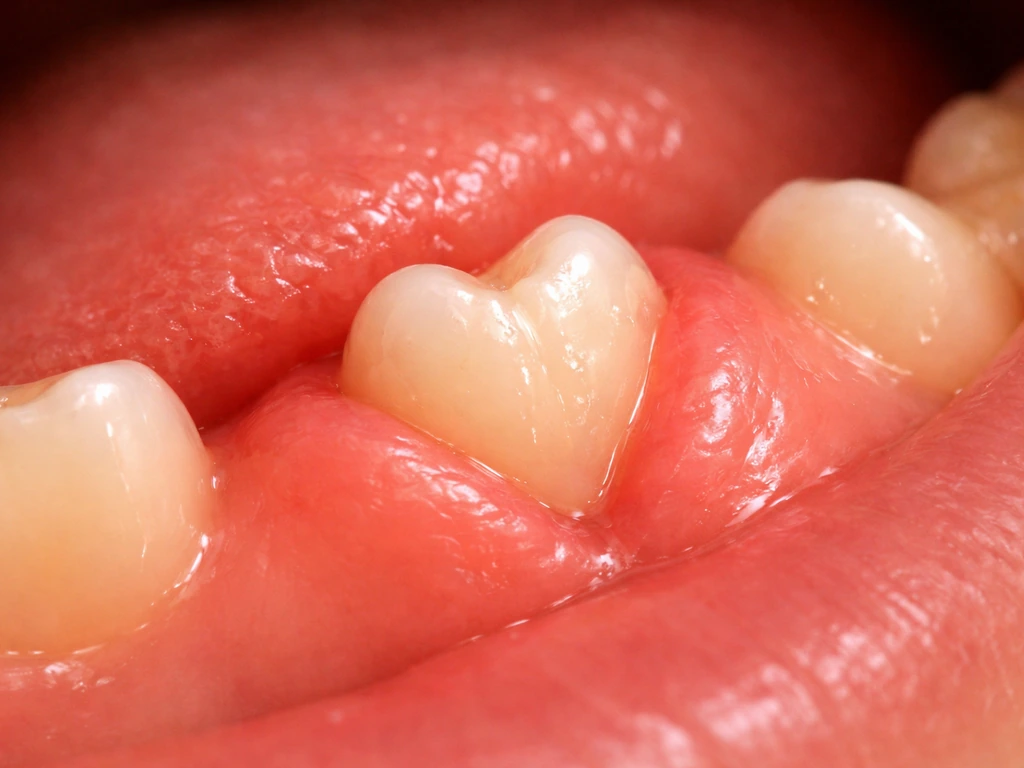
When a tooth erupts, it isn't just poking through soft tissue like a needle. The process involves a coordinated biological event where the tooth moves through bone and gum tissue, driven by a structure called the periodontal ligament (PDL) and the surrounding dental follicle. These tissues generate forces and signals that help the tooth migrate upward and into position. Along the way, bone is actively broken down in front of the tooth and rebuilt behind it, a process driven partly by mechanical forces that the soft tissue around the tooth can sense.
That process causes real local inflammation. The gum tissue gets compressed, stretched, and irritated. The periodontal ligament itself responds to mechanical loading with an inflammatory-type reaction, similar in some ways to what happens when orthodontic braces move teeth. This is not damage in most cases, it is the normal biological response to a tooth pushing through tissue. But it does hurt, and the inflammation is why the area often looks red, feels swollen, and is tender to touch.
The bite forces you use every day also play a role. Research suggests that mechanical forces sensed by soft tissue dental follicles actually help signal the bone remodeling process that allows eruption to happen. That means chewing, biting, and even closing your mouth normally during eruption can amplify the pressure and soreness you feel. This is especially noticeable with wisdom teeth, which are the last to arrive and often have less space to work with.
What eruption pain actually feels like, by age and tooth type
Babies and toddlers (first teeth, roughly 6 months to 3 years)
In infants, the first signs of teething usually show up around 6 months, though anywhere between 4 and 12 months is considered normal. The lower front teeth (central incisors) typically come in first, followed by the upper front teeth. The full set of 20 primary teeth is usually in place by age 2 to 3. During teething, babies tend to drool more than usual, chew on anything they can reach, and show increased fussiness. The gums look puffy and feel tender. Some babies run a very low-grade temperature during teething, but a true fever above 100.4°F (38°C) is not caused by teething and should not be dismissed as normal.
Children (primary teeth falling out, permanent teeth coming in, roughly ages 6 to 13)
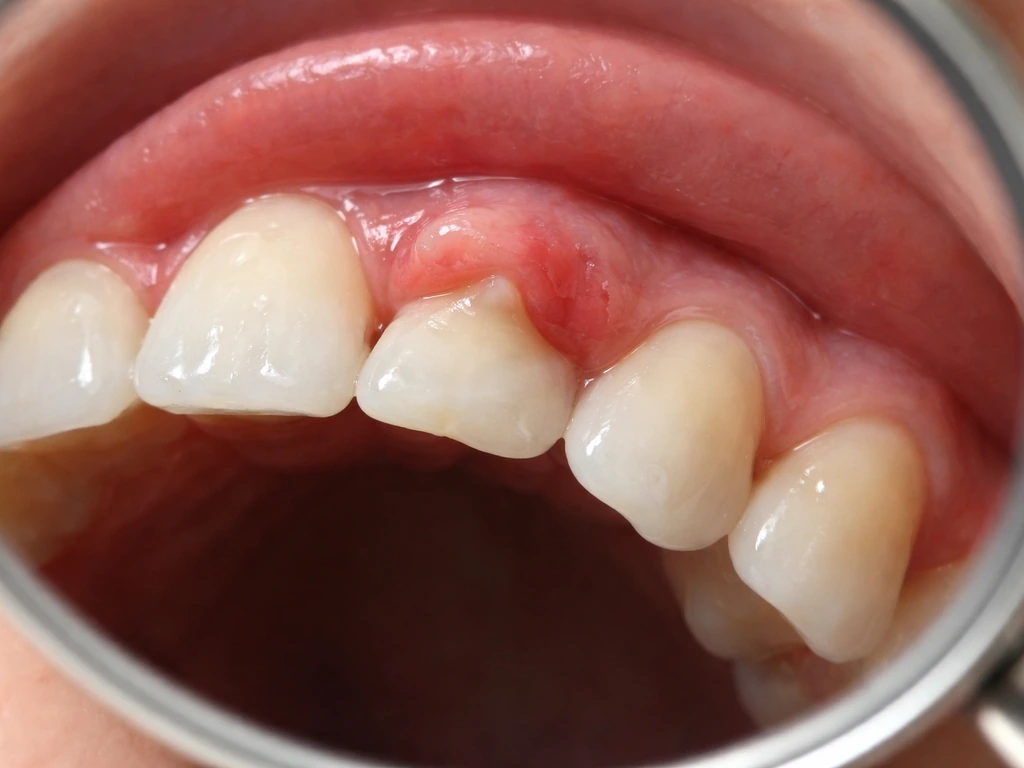
When kids start losing baby teeth and growing their permanent ones, they typically experience mild soreness around the area where a new tooth is pushing through. The gum may look slightly raised or bumpy before the tooth breaks the surface. Kids often describe it as a dull pressure or an itchy soreness. This phase can go on and off for years since permanent teeth erupt in a fairly predictable sequence from around age 6 (first molars and lower central incisors) through age 12 to 13 (second molars). Each individual tooth's emergence tends to cause localized discomfort for a few days to a couple of weeks.
Teens and adults (wisdom teeth, roughly ages 17 to 25)
Wisdom teeth (third molars) are almost in a category of their own when it comes to eruption pain. Most people feel them somewhere between age 17 and 25, and the experience can range from barely noticeable to genuinely miserable. If you're also asking how do wisdom teeth grow in, the back corners of the jaw are where they typically emerge, often with limited space. Wisdom teeth typically emerge at the very back corners of the jaw, where space is often limited where they typically emerge. how do wisdom teeth grow in Because wisdom teeth erupt in the far back corners of the jaw where space is often limited, they cause more pressure, more gum irritation, and more jaw soreness than other teeth. The pain is often described as a deep, aching pressure in the back of the mouth, sometimes radiating into the jaw, ear, or even the temple area. If you're wondering specifically why wisdom tooth pain can feel so widespread, you might also want to read about why some people get headaches when their wisdom teeth grow, which is a related experience covered elsewhere on this site.
How long does eruption pain usually last
The honest answer is: it depends on the tooth and the person. Here's a practical breakdown of typical timelines.
| Tooth type / stage | When it typically happens | How long discomfort usually lasts |
|---|---|---|
| Baby teeth (primary) | 6 months to 3 years | A few days per tooth; ongoing intermittently for 2+ years total |
| Permanent front teeth | Ages 6 to 8 | Days to 1-2 weeks per tooth |
| Permanent premolars and canines | Ages 9 to 12 | Days to 1-2 weeks per tooth |
| Second molars | Ages 11 to 13 | 1 to 2 weeks per tooth |
| Wisdom teeth (partial eruption) | Ages 17 to 25 | Days to weeks; can recur if eruption is slow or impacted |
| Wisdom teeth (fully impacted) | Ages 17 to 25+ | Pain can persist until extraction; does not self-resolve |
For wisdom teeth specifically, the eruption timeline can stretch over months or even years because they move slowly. Some people experience waves of discomfort as the tooth pushes a little further through the gum and then pauses. This stop-and-start pattern is normal, but it does mean you can feel fine for a while and then get hit with soreness again. If you're curious about the detailed timeline for wisdom tooth emergence, there's a full breakdown available on this site covering how long wisdom teeth take to grow in.
Normal eruption pain vs. something that needs attention
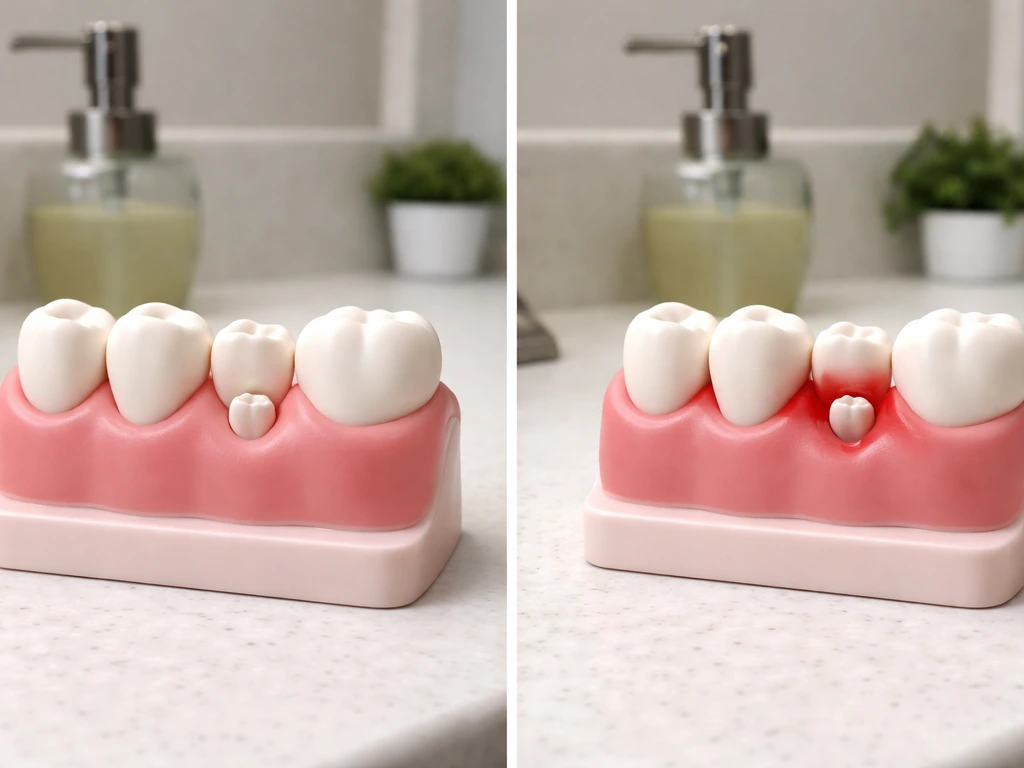
This is where it really matters to pay attention. Eruption pain is real, but it has boundaries. Once you know what normal looks like, the warning signs become much clearer.
What normal eruption pain looks like
- Mild to moderate soreness directly around the tooth or gum area that is erupting
- Gum tissue that looks slightly swollen, red, or raised over the tooth
- Sensitivity when biting or chewing near the area
- Discomfort that comes and goes, improving over a few days to two weeks
- In babies: drooling, irritability, chewing on things, slightly swollen gum pads
- Mild jaw achiness, especially with wisdom teeth
Signs that something else may be wrong
Eruption pain that is worsening instead of improving, or that comes with additional symptoms, is a signal that the problem is no longer just the tooth growing in. Some of the most common issues that can overlap with or be confused for eruption pain include pericoronitis (infection of the gum flap around a partially erupted wisdom tooth), tooth decay in an adjacent tooth, or a developing abscess. These require dental treatment and will not resolve on their own.
- Fever above 100.4°F (38°C) in children or any fever in adults alongside mouth pain
- Significant swelling of the cheek, jaw, or neck
- Pus or discharge coming from around the tooth or gum
- Pain that is severe, throbbing, or worsening after several days instead of improving
- Difficulty opening your mouth fully (trismus)
- Pain that radiates widely, not just at the eruption site
- Swollen lymph nodes in the neck or jaw area
- In babies: fever above 100.4°F should never be attributed to teething alone
Cavities are also worth mentioning here. An erupting tooth that emerges into a mouth with poor hygiene can develop decay quickly, especially a wisdom tooth that is hard to brush properly. Sometimes what feels like ongoing eruption pain is actually the beginning of a cavity on a newly emerged tooth or an adjacent molar. If the pain is focused sharply on one tooth, worsens with sweets or cold drinks, or lingers after eating, a cavity is more likely the culprit than eruption itself.
What you can do at home for relief right now
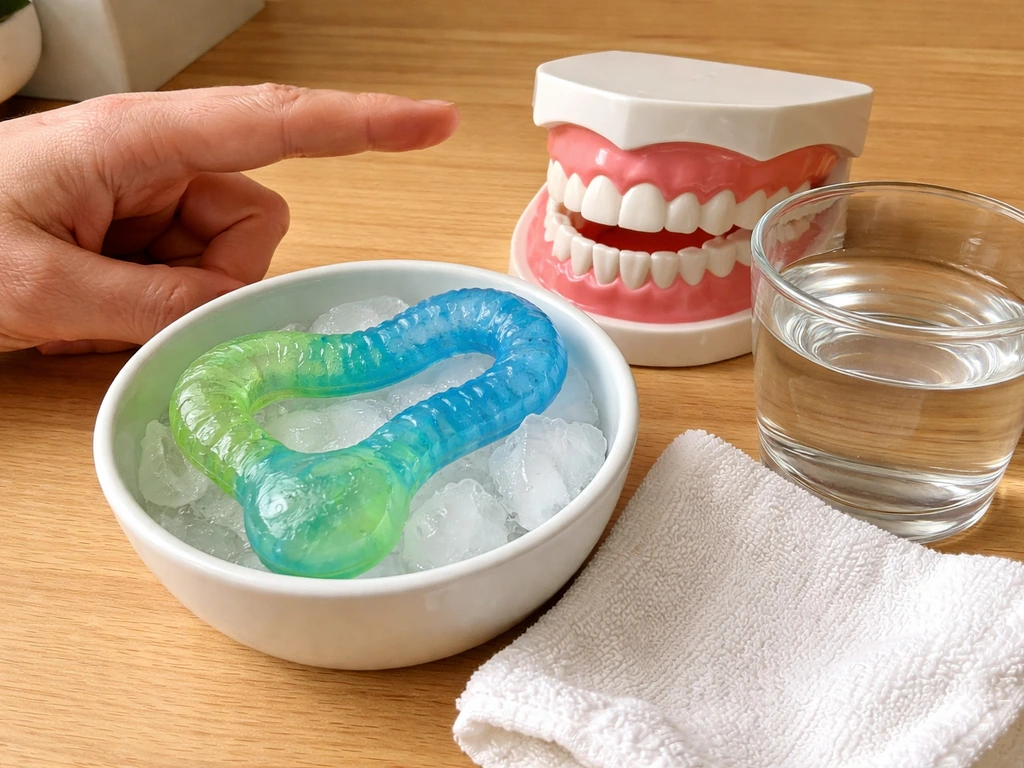
You don't have to just wait it out. There are a handful of genuinely effective home strategies depending on your age or your child's age.
For babies and toddlers
- Chilled (not frozen) teething rings: cold reduces inflammation in the gum tissue. Frozen solid objects can be too hard and damage gum tissue.
- Gently rub the gum with a clean finger or a cool, damp washcloth for 1 to 2 minutes at a time.
- Avoid teething gels that contain benzocaine for children under 2. The FDA has flagged serious risks with benzocaine in young children.
- If your baby is clearly uncomfortable, ask your pediatrician about infant-appropriate dosing of acetaminophen (for babies over 2 months) or ibuprofen (for babies over 6 months).
For older children (ages 6 and up)
- Age-appropriate acetaminophen or ibuprofen, dosed by weight per label instructions, can help manage soreness when it disrupts eating or sleep.
- Soft foods during eruption phases take pressure off tender gums.
- Salt water rinses (about half a teaspoon of salt in 8 ounces of warm water) can soothe irritated gum tissue and help keep the area clean. Safe for children old enough to rinse and spit without swallowing.
- Encourage gentle but thorough brushing around the area. Skipping brushing because it's sore can worsen irritation and increase cavity risk.
For teens and adults dealing with wisdom tooth pain
- Ibuprofen (400 to 600 mg every 6 to 8 hours with food, not exceeding label limits) is generally more effective than acetaminophen for eruption pain because it also reduces inflammation, not just pain signals. Always follow label directions and avoid if you have kidney issues or a stomach condition.
- Cold pack on the outside of the jaw for 15 to 20 minutes at a time can reduce swelling and numb the area.
- Warm salt water rinses several times a day (especially after meals) keep bacteria from building up under the gum flap near a partially erupted wisdom tooth.
- Avoid hard, crunchy, or chewy foods that force the back molars to work hard.
- Keep the area clean: use a soft-bristled brush and brush gently back there even if it's uncomfortable. Bacteria trapped under the gum flap is how mild eruption discomfort turns into pericoronitis.
When to stop waiting and see a dentist

If any of the red-flag symptoms listed above appear, don't wait. A dental infection in the jaw area can spread, and it moves faster than most people expect. Specifically, swelling extending to the neck or floor of the mouth is a medical emergency and warrants an ER visit, not just a call to the dentist.
For wisdom teeth especially: if pain has been going on for more than two weeks without improvement, if the tooth appears to be stuck or coming in sideways, or if you keep getting recurring infections in the same area, a dental evaluation is the right call. Your dentist can take an X-ray to see what's actually happening, and if the tooth is impacted or there simply isn't enough room for it to come in properly, extraction is usually the most effective long-term solution. There are separate articles on this site about wisdom teeth growing sideways and what it means when wisdom teeth don't fully emerge, if you want to understand more about impaction before your appointment.
For kids: routine dental visits starting at age 1 (or when the first tooth appears) mean your dentist is already tracking eruption progress. If a permanent tooth seems delayed, is coming in crooked, or a baby tooth isn't falling out when it should, bring it up at the next checkup. Most of the time there's a simple explanation, but occasionally an impacted permanent tooth or retained baby tooth needs intervention.
Can teeth or enamel grow back once they're damaged?
This is one of the most common misconceptions in dental health, so it deserves a direct answer: no, human adult teeth cannot grow back, and tooth enamel cannot regenerate on its own once it is gone. This is not a limitation of dental technology; it is a biological reality.
Human beings get exactly two sets of teeth: the 20 primary (baby) teeth that come in during infancy and toddlerhood, and the 32 permanent adult teeth (including wisdom teeth) that follow. Once a permanent tooth is lost to decay, injury, or extraction, there is no third set waiting behind it, so if you’re asking “will wisdom teeth grow back,” the answer is no. The stem cells responsible for tooth development are essentially spent after the permanent teeth form. So if eruption pain causes you to worry that your tooth might be getting damaged as it grows in, the good news is that eruption itself does not damage the tooth. The eruption process is how the tooth is supposed to arrive.
Enamel is a slightly different story, and it is worth understanding the difference between remineralization and true regrowth. Enamel can partially remineralize, meaning early-stage mineral loss (the kind that precedes a cavity) can be reversed with fluoride, good saliva flow, and a low-sugar diet. Your enamel is not literally regrowing new structure; it is reabsorbing minerals back into the existing enamel matrix. But once enamel has broken down into a cavity, that physical structure is gone and must be restored by a dentist. There is no biological process in humans that rebuilds destroyed enamel from scratch.
Gums, unlike enamel, can heal from inflammation. If eruption causes your gums to look red and irritated, they can and do return to normal once the tooth has fully emerged and you maintain good oral hygiene. What gums generally cannot do is regenerate tissue that has been lost to severe periodontal disease. Minor gum irritation from eruption is not in the same category as gum recession, so don't confuse temporary eruption-related gum puffiness with something more serious.
The short version: eruption pain is normal and the teeth being born through that process are fine. But any tooth structure or enamel that gets damaged after the tooth is in place needs professional attention, because your body won't rebuild it on its own.
FAQ
How long is “normal” for do teeth hurt when they grow, and when should I assume it is not just eruption?
In most cases eruption pain should gradually ease as the tooth finishes breaking through. If the soreness is getting worse each day, stays severe beyond about 1 to 2 weeks, or you see expanding redness or swelling, treat it as possible pericoronitis or another problem rather than “normal growing.”
My child has teething pain, but they also have a fever. Is that still normal?
Even during teething, a true fever above 100.4°F (38°C) is not considered a teething-only symptom. Pair fever with other signs like lethargy, diarrhea, poor feeding, or a new rash, and you should contact a pediatric clinician the same day.
What symptoms suggest the pain is from a cavity instead of a tooth coming in?
Look for whether the pain is tied to a specific erupting tooth area and whether chewing makes it worse. Pain that is sharply localized to one tooth, triggers with cold or sweets, or leaves a lingering ache after eating is more suggestive of decay or a developing cavity than general eruption.
Why does wisdom teeth eruption pain sometimes feel like it is in my ear or temple?
Yes, you can feel pain that seems to radiate. With wisdom teeth, pressure in the back of the jaw can refer pain to the ear or temple because of shared nerve pathways, even when the gum flap is the main source of irritation.
Should I change brushing or flossing when a tooth is erupting, especially if it hurts?
Brush gently but thoroughly around the erupting area and use age-appropriate fluoride, because plaque can collect fast where a new tooth is partially exposed. If the gum flap is tender, avoid aggressive scrubbing there, but do not skip cleaning, since that is when cavities can start.
What pain medicine is safe for kids or adults when do teeth hurt when they grow?
Pain relievers are often used, but dosing and which ones are appropriate depend on age and medical history. For children, avoid aspirin, and follow your pediatrician or label guidance for the correct weight-based dose.
Why does my wisdom-tooth pain come back in waves, and does that mean something is wrong?
If you keep noticing the same sore spot recurring over and over in the wisdom tooth area, that pattern fits repeated irritation of a partially erupted tooth. In that situation, plan a dental evaluation, since ongoing gum flap inflammation can lead to infections that need treatment.
What are the red flags that mean I should go to the ER instead of waiting for a dentist appointment?
Do not assume all “tooth pain” is eruption, especially if swelling is present. Swelling that spreads toward the neck or floor of the mouth is a warning sign that needs urgent emergency evaluation.
Can eruption pain mean my tooth enamel is being damaged, and is there anything I can do to prevent cavities during that time?
Enamel cannot be rebuilt from scratch after a cavity forms, so protect what is already there. Use fluoride, reduce frequent sugary snacking during eruption, and get the tooth checked if pain persists, since delays can allow a cavity to enlarge.
When should I request an X-ray for eruption pain, especially if the tooth looks stuck or sideways?
A dentist can confirm whether the tooth is erupting normally or is impacted and how close it is to neighboring roots. If eruption pain keeps lingering without improvement, an X-ray helps distinguish “normal slow eruption” from crowding, angulation, or an infection source that will not settle on its own.
Next Articles
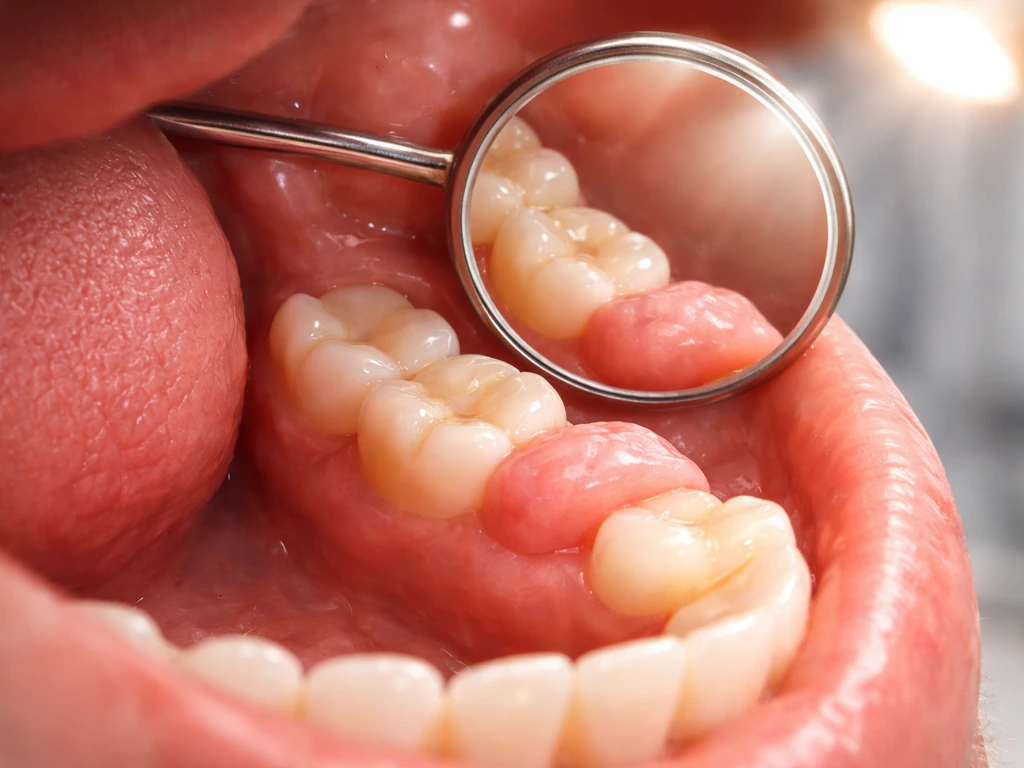
Do Wisdom Teeth Hurt When They Grow In? What to Expect
Yes, wisdom teeth can hurt during eruption with pressure, dull ache, gum irritation. Learn relief, timelines, and when t
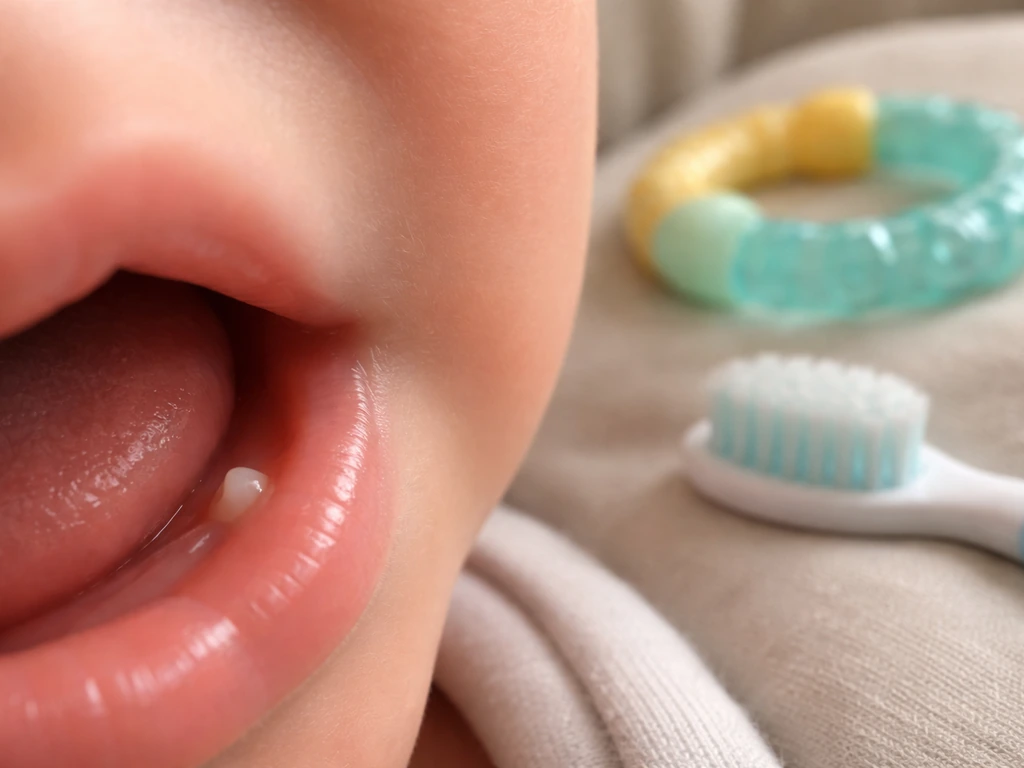
Pain When New Teeth Grow In: What’s Normal and When
Know normal eruption pain vs warning signs, eruption timelines, causes, and safe home relief, plus when to see a dentist
How Many Times Do Your Teeth Grow Back? Facts
Teeth rarely regrow after permanent set: most people get one replacement only. Learn limits, myths, and what to do next.