
Wisdom teeth grow in the same way every other permanent tooth does: they form inside the jawbone, develop roots over years, and then push upward (or downward for the lower jaw) through the gum tissue until they either fully emerge or get stuck, so you can see where do the wisdom teeth grow. The difference is that wisdom teeth are the last to arrive, they erupt into a jaw that is already crowded, and they fail to come in correctly far more often than any other tooth. Here is exactly what the process looks like, what can go wrong, and what you should actually do about it today.
How Do Wisdom Teeth Grow In: Timing, Position, and Myths

Marcus Holloway
24 Mar 2026
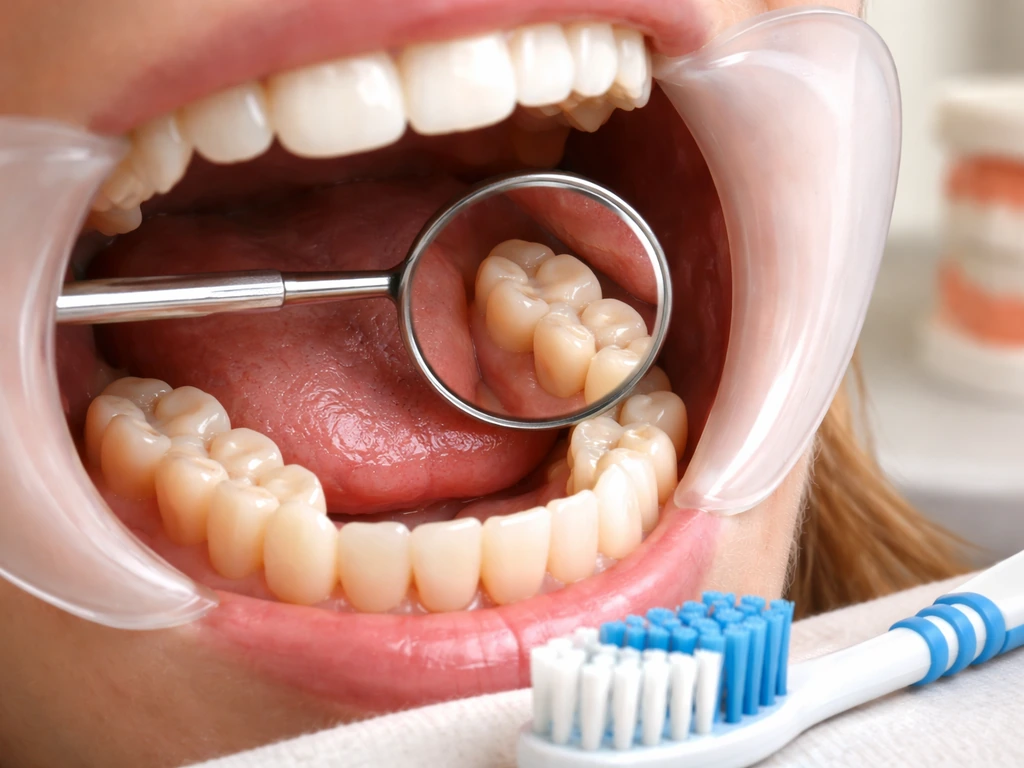
What wisdom teeth are and when they actually erupt
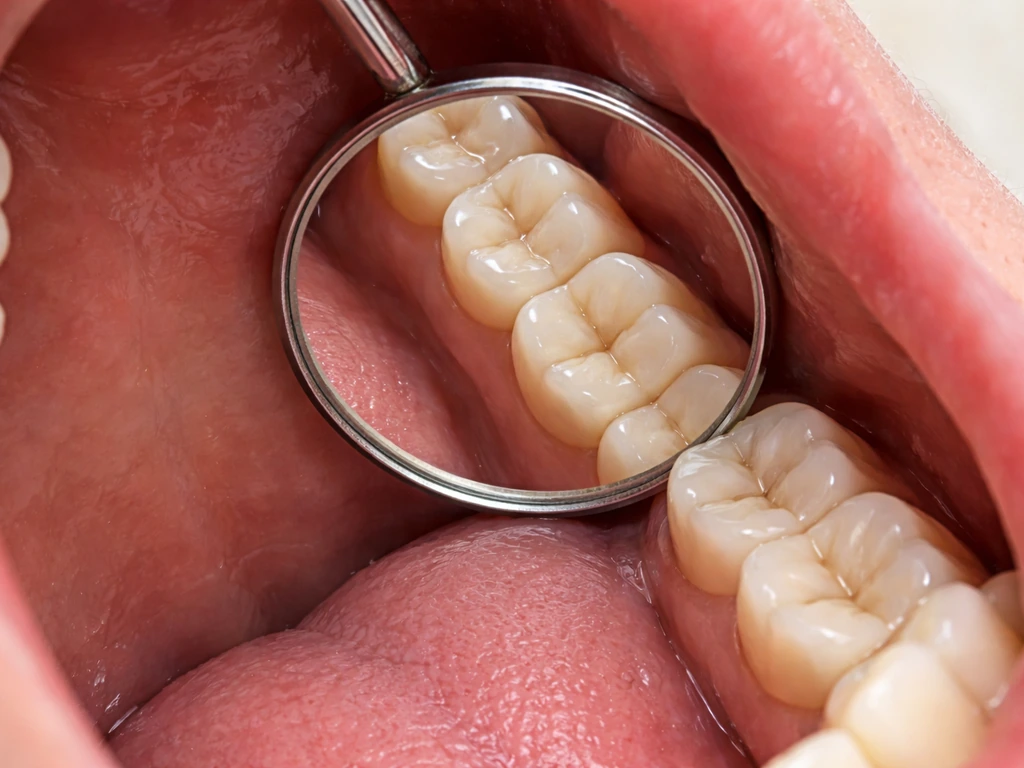
Wisdom teeth are your third molars, the four rearmost teeth in your mouth (two on top, two on bottom). They are called third molars because each quadrant of your jaw gets a first molar, a second molar, and finally a third molar. The "wisdom" nickname comes from the fact that they arrive in late adolescence or early adulthood, a period once associated with gaining maturity.
The Merck Manual lists third molar eruption at approximately 17 to 25 years, and the American Dental Association narrows the typical window to 17 to 21 years. Radiographic research on root formation shows that even root completion (the final stage of tooth development) can stretch into the early-to-mid twenties, and it tends to happen slightly earlier in females than in males. The takeaway: if you are between 17 and 25 and your wisdom teeth are starting to move, you are squarely in the normal window. If you are 28 and they have never moved, that is worth knowing too.
Wisdom teeth begin forming as tooth buds in childhood, often visible on X-rays by around age 9 or 10. Root development continues through the teens. The actual eruption through the gum, which is what most people mean when they say a wisdom tooth is "coming in," typically starts in the mid-to-late teens. Some people sail through this by age 18; others are still waiting at 24. Both are within the range of normal.
Can wisdom teeth grow in normally, or do they always get impacted?
Yes, wisdom teeth absolutely can grow in normally. A tooth is considered to have erupted correctly when it comes through the gum fully upright, reaches its proper position in the bite, and can be cleaned effectively. Plenty of people have all four wisdom teeth come in straight, healthy, and functional. It is not rare, but it is also not the most common outcome.
The problem is space. By the time wisdom teeth start erupting, the rest of your permanent teeth have been in place for years. If your jaw has enough room, a wisdom tooth can erupt cleanly. If there is not enough room, the tooth gets blocked, and that is what dentists call impaction. An impacted wisdom tooth is not a tooth that is trying to do something unusual; it is simply a tooth that does not have anywhere to go.
Research from a Springer chapter on impacted teeth suggests that a wisdom tooth visible on X-ray at age 18 still has roughly a 30 to 50 percent chance of fully erupting by age 25, depending on its angle and available space. That is meaningful: it means that at 18, it is genuinely too early to assume a partially emerged wisdom tooth will stay stuck. But that window has important exceptions, which brings us to the angles.
When wisdom teeth grow in the wrong direction
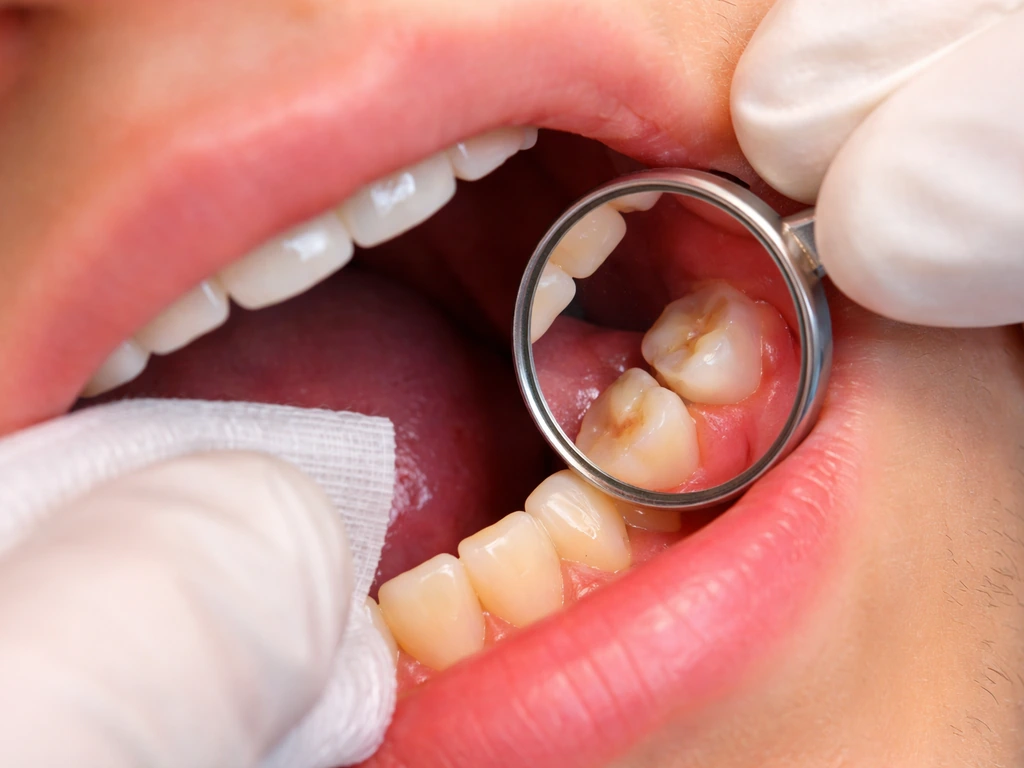
This is where things get more complicated. Wisdom teeth do not always push straight up or straight down. They can erupt at a wide range of angles, and each angle creates different problems.
The main impaction types and what they mean
| Impaction type | What it looks like | Likelihood of full eruption | Typical recommendation |
|---|---|---|---|
| Vertical (upright) | Tooth is angled correctly but partially blocked by gum or bone | Moderate to good if space exists | Monitor; may erupt on its own |
| Mesial (angled forward) | Tooth tilts toward the front of the mouth | Low to moderate | Often requires removal |
| Horizontal (lying sideways) | Tooth is essentially on its side, pushing into the molar in front | Very unlikely | Almost always removed |
| Distal (angled backward) | Tooth tilts toward the back of the jaw | Low | Often requires removal |
| Soft tissue impaction | Tooth has pushed through bone but is covered by gum flap | Possible with minor intervention | May need gum flap removal or extraction |
Horizontal impaction is the one that gets the most attention, and for good reason. A horizontally impacted wisdom tooth is physically impossible to erupt into a functional position. It is growing sideways into the roots of the second molar beside it, one of the main reasons people ask why do wisdom teeth grow sideways. Left alone, it can damage that neighboring tooth, cause cysts, and create persistent pain. If your dentist or oral surgeon tells you that your wisdom tooth is horizontal, there is essentially no scenario where "waiting to see" makes sense long-term.
Can wisdom teeth grow in the front of the mouth or on the upper jaw?
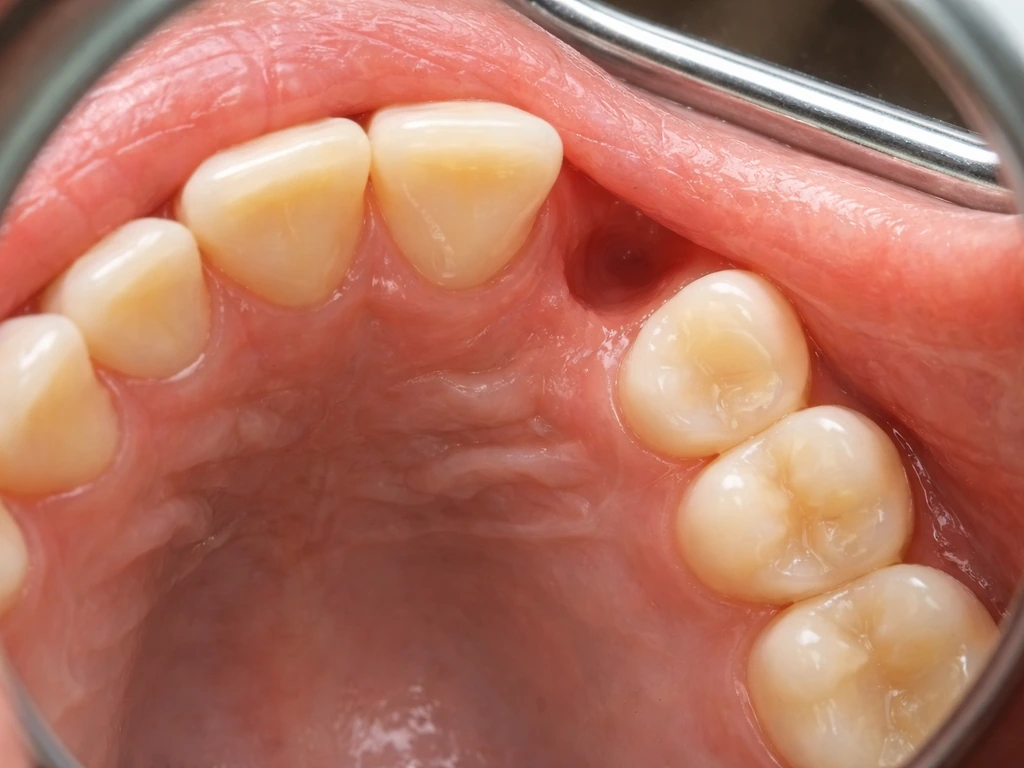
No, wisdom teeth cannot grow in the front of the mouth. They are biologically programmed to form in the posterior (back) of the jaw, and that is the only place they will ever appear. If you feel pain or pressure near your front teeth and you are in the wisdom tooth age range, something else is going on, and you should see a dentist to figure out what.
Upper jaw wisdom teeth are completely normal. You have two on top and two on the bottom. Upper wisdom teeth tend to erupt outward or at a slight angle toward the cheek rather than angling into neighboring teeth as aggressively as lower ones do. They can still be impacted, still cause pain, and still need removal, but they behave a little differently than lower wisdom teeth and are sometimes easier to extract.
Can wisdom teeth come in without pain or without any problems?
Yes, and this surprises a lot of people. Not everyone has a terrible experience. Yes, and this surprises a lot of people. Not everyone has a terrible experience. If a wisdom tooth has adequate space and erupts vertically, many people feel <a data-article-id="B4E5F709-4500-41A1-87B5-858855538FC0">mild pressure or soreness</a> for a few days or weeks, and then nothing, just mild pressure or soreness The gum tissue stretches and adjusts, and the tooth settles in. If you are wondering do wisdom teeth hurt when they grow in, keep in mind that mild pressure or soreness can happen for a few days or weeks when eruption is going smoothly. Some people do not even realize their wisdom teeth have fully erupted until a dentist points it out on an X-ray. Some people do not even realize their wisdom teeth have fully erupted until a dentist points it out on an X-ray.
That said, pain-free does not automatically mean problem-free. A wisdom tooth can erupt without causing acute pain but still sit in a position that is hard to clean, leading to decay or gum disease over time. Conversely, a tooth that causes significant pain while erupting may still turn out to be coming in correctly. Pain level alone is not a reliable guide to whether a wisdom tooth is growing in well or poorly. That is why X-rays matter.
Do wisdom teeth keep growing, and can they fully grow in over time?
This question comes up a lot, and the honest answer is nuanced. Wisdom teeth do continue to develop (root growth, specifically) for several years after they start erupting through the gum. Root completion typically finishes in the early-to-mid twenties, which helps answer how long does wisdom tooth take to grow. So in that biological sense, yes, they keep growing for a while after you first notice them.
But can a partially erupted wisdom tooth keep pushing through and eventually come in fully? Sometimes yes, sometimes no. As noted earlier, a wisdom tooth seen at age 18 in a favorable position still has a reasonable chance of completing eruption by the mid-twenties. However, a tooth that has been partially stuck for years without progress, especially past age 25, is unlikely to suddenly move. Once root development is complete and the jaw has fully matured, the forces driving eruption largely stop. At that point, what you see is what you get.
There is also a condition called re-eruption or continued eruption, where a tooth that lost its opposing tooth continues to drift or shift. But this is not new growth, it is movement of an existing erupted tooth. It is not the same thing as a wisdom tooth continuing to push through bone.
Can wisdom teeth grow twice, grow back, or erupt a second time?
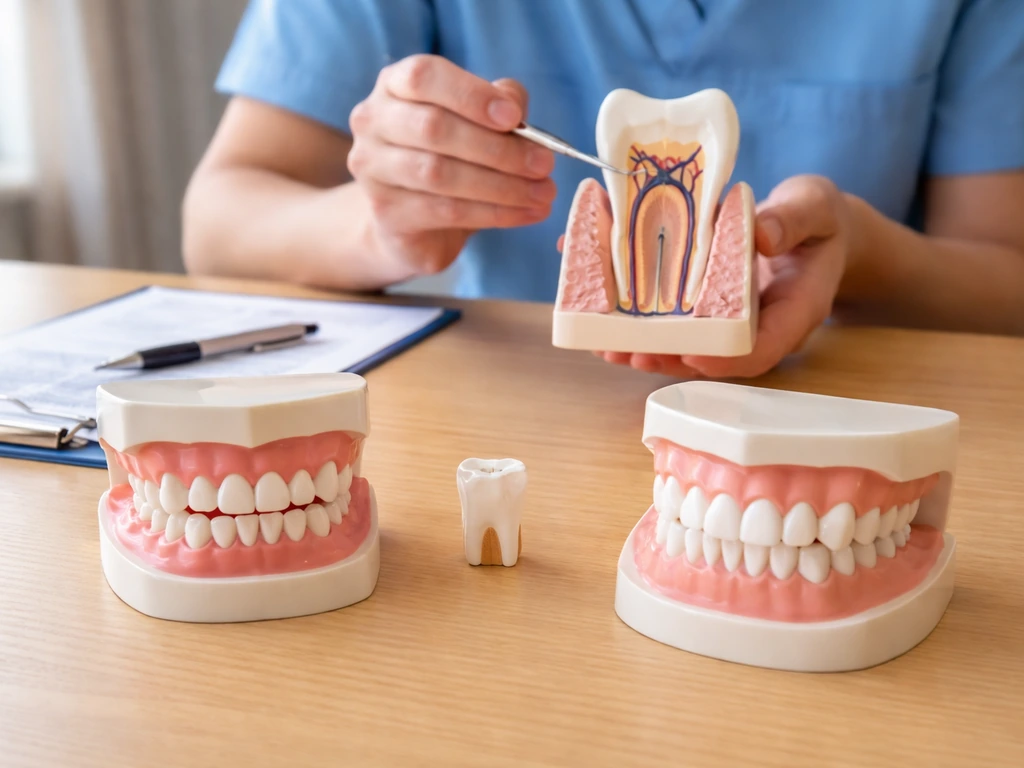
This is the big myth worth busting directly: [wisdom teeth cannot grow back](A5CB5C36-86EF-4738-8F0A-62B090B0D560). Humans get two sets of teeth total, baby (primary) teeth and permanent (adult) teeth, and wisdom teeth are part of the permanent set. Once a wisdom tooth is extracted, it is gone. There is no third set of teeth waiting in reserve.
What sometimes confuses people is the difference between regrowth and delayed eruption. If you had a wisdom tooth extracted but now feel pressure or pain in that same area years later, a few things could explain it. A tooth fragment left behind after a difficult extraction can sometimes cause symptoms. In rare cases, a supernumerary tooth (an extra tooth beyond the normal count) may exist in the area. And occasionally, a wisdom tooth on the opposite side of the jaw causes referred pain. But the extracted tooth itself? It is not coming back. If you want more detail on this specific question, there is a dedicated article on whether wisdom teeth grow back that covers the biology in depth.
The confusion also extends to people who wonder whether some wisdom teeth simply never grow. That is real and more common than most people realize. Not everyone develops all four wisdom teeth. Some people have one, two, or three. Some people have none at all. If an X-ray taken in your early twenties shows no signs of wisdom tooth buds, those teeth simply do not exist in your jaw. They were never going to arrive.
What to do right now: self-checks, warning signs, and next steps
If you are in the 17 to 25 age range and wondering whether your wisdom teeth are coming in correctly, here is a practical way to think through your situation today.
Simple self-check you can do at home
- Feel along the back of your upper and lower gums on both sides. If you can feel a hard surface breaking through in any of those four spots, that is a wisdom tooth erupting.
- Check whether the area is swollen, tender, or partially covered by a flap of gum tissue (that gum flap is called an operculum and it traps food and bacteria easily).
- Notice whether any pain is localized to the back of your jaw or radiating up toward your ear, temple, or jaw joint.
- Check if your bite feels different, like your back teeth are not meeting the way they used to.
- Look at whether you can fit a toothbrush back there to clean behind your second molar. If you cannot, you will likely have chronic gum inflammation in that area.
Symptoms that mean you should see a dentist soon (not just watch and wait)
- Persistent pain or pressure in the back of the jaw that lasts more than a week or keeps returning
- Swelling, redness, or warmth in the gum around a partially erupted tooth
- Pain when opening your mouth wide or biting down
- A bad taste or smell in the area (this can indicate infection under the gum flap)
- Headache or ear pain on one side that does not have another obvious cause
- Visible decay on a partially erupted wisdom tooth
- Pain that is waking you up at night
What to ask at your dental exam
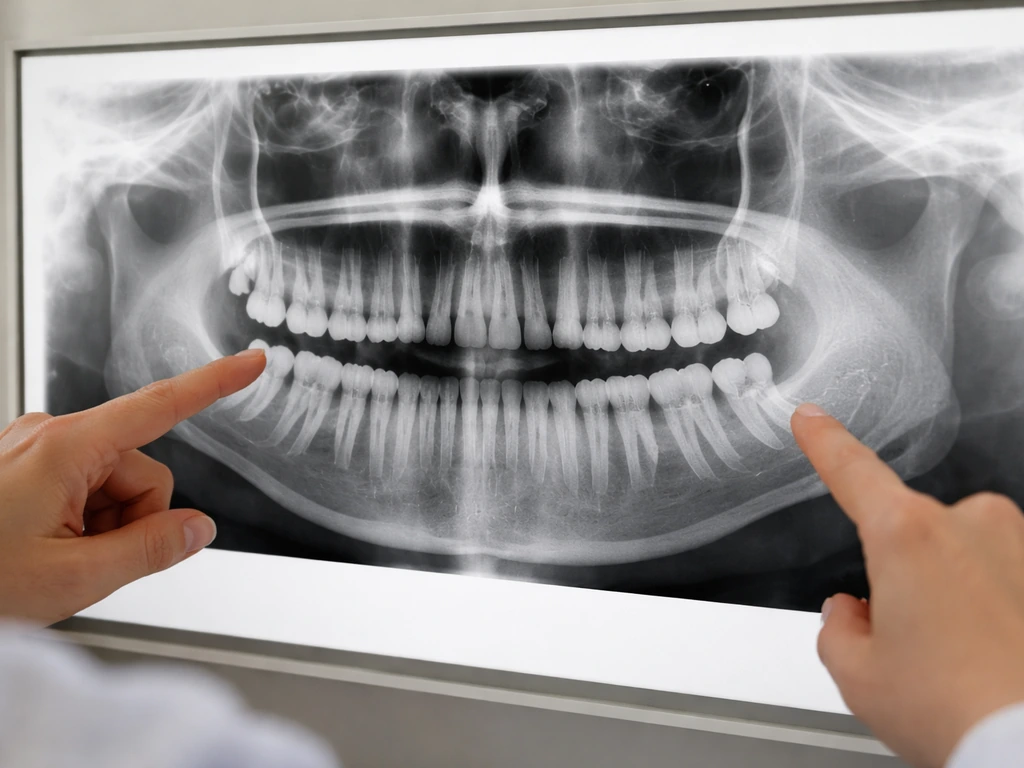
If you go in for an exam, a panoramic X-ray (the one that captures your whole jaw in a single image) is the most useful tool for evaluating wisdom teeth. It shows the position, angle, root development stage, and proximity to nerves of all four wisdom teeth at once. Ask your dentist specifically: What angle are my wisdom teeth at? Do they have room to erupt? If they are partially erupted, is there enough space for them to come in fully? Are there any signs of damage to the neighboring second molars?
The AAOMS (American Association of Oral and Maxillofacial Surgeons) recommends that young adults ideally have their third molars evaluated in their late teens, when roots are still forming and extraction (if needed) is technically easier and recovery tends to be faster. But if you are older than that and have never had this conversation with a dentist, it is genuinely not too late. An X-ray at any age gives useful information.
The watch-and-wait vs. act-now decision
Not every wisdom tooth needs to come out. If your wisdom teeth are erupting vertically, have space, are not causing pain, and can be kept clean, monitoring them is a completely reasonable approach. Your dentist can track them at regular checkups. But if the X-ray shows a horizontal or severely angled impaction, if there is recurring infection around a partially erupted tooth, or if there is already damage to a neighboring molar, waiting does not help and often makes things more complicated. The decision comes down to your specific anatomy, your age, and what the imaging shows, not just how much pain you are or are not in right now.
One last thing worth knowing: if your wisdom teeth have never erupted and you are past your mid-twenties, they are almost certainly either absent entirely or permanently impacted. Getting an X-ray to confirm this is worth doing if you have never had one. It removes the uncertainty and either gives you peace of mind or gives your dentist a baseline to monitor.
FAQ
If my wisdom tooth is only partially erupted, how long should I wait before I should get it checked again?
Use your next appointment timeline as a decision point, not just your pain level. If the tooth has any gum flap over it, food trapping, or repeated swelling or bad taste, ask your dentist how soon to re-evaluate (often within weeks rather than months). Partially erupted teeth can stay stuck even if the discomfort comes and goes, so “waiting longer” only makes sense when imaging shows space and low risk.
Does pain guarantee my wisdom tooth is impacted or coming in wrong?
No. Pain can come from normal gum stretching, but it can also appear with angulation, a gum flap, or inflammation around a partially erupted tooth. Conversely, a wisdom tooth can erupt with minimal symptoms yet still be hard to clean and cause gum irritation or decay later. Ask for X-rays or at least an examination of cleanliness access (brush and floss reach) to judge risk.
What are the most common reasons a wisdom tooth stays in place after it starts to erupt?
The two big drivers are insufficient space and unfavorable angle, especially when the tooth is pressing against the second molar or developing roots run into contact barriers. Less commonly, the tooth may be absent, missing its partner structure, or partially erupted for years due to mature jaw mechanics after root formation is complete.
Is a panoramic X-ray enough, or might I need a different scan?
A panoramic X-ray is usually the first step because it shows all four sides and general angles. If your dentist or surgeon needs more detail for nerves, root shape, or exact impaction depth, they may add a cone beam CT scan (often called CBCT) because it provides 3D information that can change the extraction plan.
Are there situations where it is safer to monitor wisdom teeth rather than remove them immediately?
Yes, monitoring can be reasonable when the tooth is positioned vertically (or near vertically), there is sufficient room, it can be cleaned well, and there is no repeated infection or visible damage to the second molar on imaging. If you choose monitoring, ask what signs should trigger a faster visit, such as recurring swelling, persistent bad breath from the area, or worsening gum pockets.
Why do I feel symptoms in my jaw or near my ear when the wisdom tooth is back there?
Back-of-mouth inflammation can refer discomfort to surrounding structures, including the jaw joint region, throat area, or ear. Also, chewing and jaw muscle tension during eruption can amplify the sensation. Still, true ear pain, fever, or spreading swelling needs prompt evaluation because it can indicate infection beyond the tooth.
Can I tell if my wisdom tooth has room just by looking at my gums?
Not reliably. A gum-level view cannot show the tooth’s true angle, its relationship to the second molar, or how close roots are to nerves. Even when the gum flap looks mild, the underlying position may make cleaning difficult or create impaction risk, so X-ray assessment is the practical way to know.
If I had one wisdom tooth removed, does that change what will happen to my other ones?
It might, but it does not guarantee anything. The remaining teeth can still be vertical and low risk or they can be impacted based on their individual angles and space in your jaw. After one extraction, ask your dentist to review the other side(s) with imaging so you have a risk-based plan rather than assuming symmetry.
At what point is “no wisdom teeth” a real answer rather than “they are just taking longer”?
If an X-ray in your early twenties shows no developing wisdom tooth buds, they are likely absent in that jaw region, meaning they will not appear later. If you are younger than that, delayed development is more plausible, so timing matters. If you have never had a dental X-ray that includes the back of the jaw, ask your dentist to check for buds.
What are red flags that mean I should seek care soon, even if my wisdom tooth pain seems mild?
Get prompt evaluation if you have increasing swelling, trouble opening your mouth, fever, difficulty swallowing, pus or a worsening bad taste, or pain that keeps returning around a partially erupted tooth. Mild pressure can be normal, but progressive symptoms often reflect inflammation that needs treatment rather than continued observation.
Next Articles

Do Teeth Hurt When They Grow? Causes, Relief, and When
Understand if teeth hurt as they erupt, what’s normal vs damage, and get safe relief plus red-flag when to see a dentist
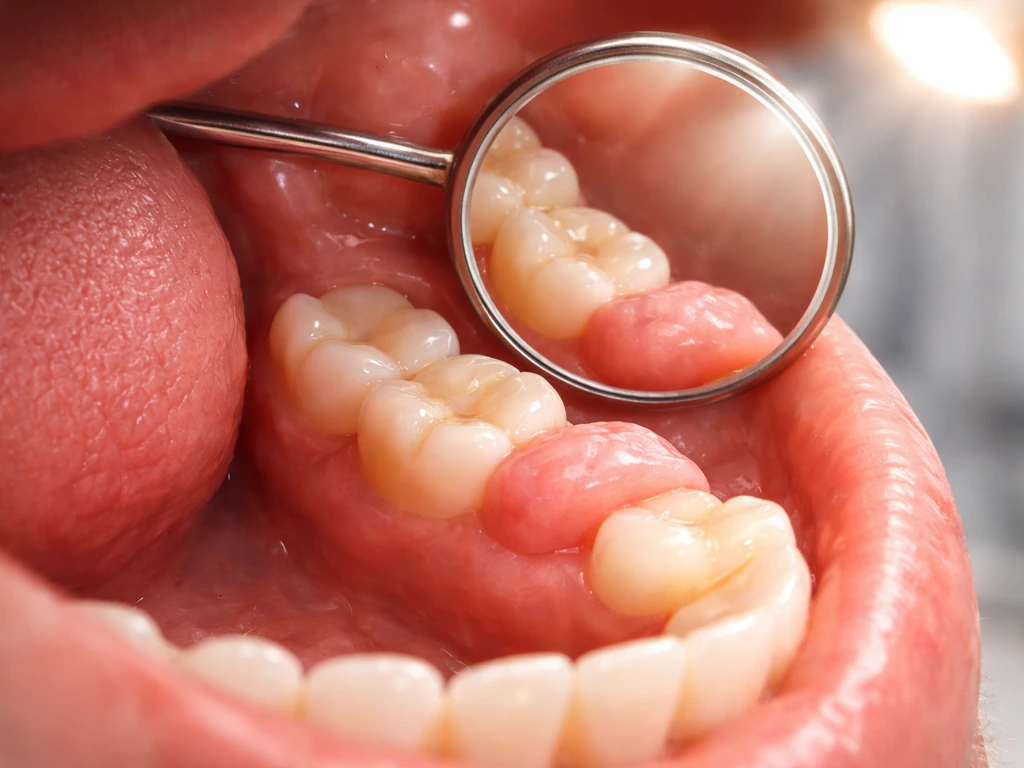
Do Wisdom Teeth Hurt When They Grow In? What to Expect
Yes, wisdom teeth can hurt during eruption with pressure, dull ache, gum irritation. Learn relief, timelines, and when t

Pain When New Teeth Grow In: What’s Normal and When
Know normal eruption pain vs warning signs, eruption timelines, causes, and safe home relief, plus when to see a dentist