
At age 20, teeth do not grow back. Once your adult teeth are fully in, that is it biologically. Humans only get two sets of teeth: baby teeth and permanent teeth. If a permanent tooth is lost, damaged, or extracted, no new tooth will naturally replace it. The one exception worth knowing about is wisdom teeth, which can still be erupting around age 20, but that is not the same thing as regrowing a tooth you lost. Everything else, including a knocked-out molar, a chipped front tooth, or worn-down enamel, will not fix itself. That said, there is a lot of nuance in what different parts of your teeth can and cannot do, and understanding that helps you figure out exactly what to do next.
Does Teeth Grow Back at 20? What to Expect and Next Steps

Marcus Holloway
14 Jun 2026
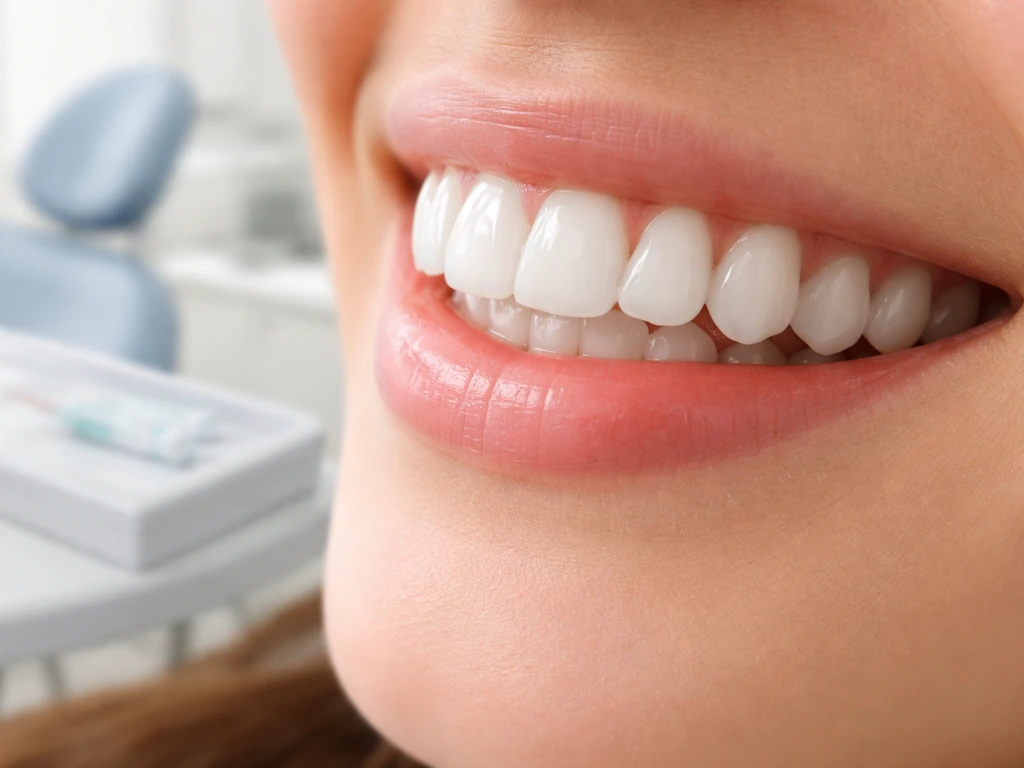
How human teeth develop and what "regrowth" really means
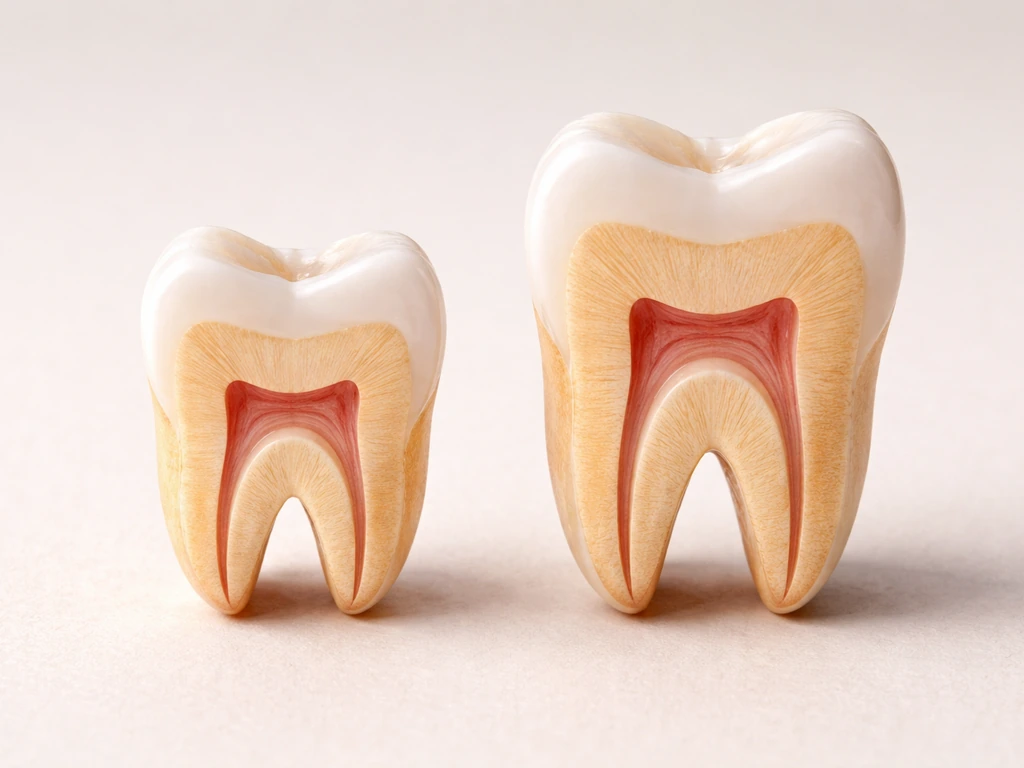
Humans are diphyodonts, meaning we get exactly two rounds of teeth in our lifetime. Your first set (primary or baby teeth) comes in during infancy and early childhood. Your second and final set (permanent or adult teeth) replaces the baby teeth from roughly age 6 onward, with the last molars typically finishing up in your late teens or early twenties. By the time you are 20, essentially all of your permanent teeth have been built and erupted, or they are very close to it.
A tooth is built in layers: enamel (the hard outer shell), dentin (the mineralized layer beneath enamel), pulp (the living tissue at the center containing nerves and blood vessels), cementum (covering the root), and the periodontal ligament holding it in the socket. Each of these layers is made by specialized cells during development. Ameloblasts produce enamel, and odontoblasts produce dentin, guided by a structure called Hertwig's Epithelial Root Sheath (HERS) during root formation. The problem is that once a tooth is fully formed and erupts into the mouth, those enamel-producing cells are gone. They do not stick around for repairs. So when people ask if a tooth can "grow back," what they are really asking is whether the body can rebuild a whole organ it already built once. It cannot.
Does tooth enamel and dentin regenerate at age 20 (and why it usually doesn't grow back)
Here is one of the biggest misconceptions in dental health: enamel cannot regenerate. Not at 20, not at any age. Mature enamel is acellular, meaning there are no living cells in it. The ameloblasts that built it are completely lost after your tooth erupts. No cells means no repair mechanism. This is fundamentally different from skin or bone, which have active cell populations that can remodel and heal. When enamel is gone, it is gone.
What can happen is surface remineralization. If enamel has been slightly demineralized by acids from bacteria or diet, fluoride and minerals in saliva can restore mineral content at the microscopic level. This is the basis for fluoride toothpaste and professional fluoride treatments. But remineralization works only on early, very shallow lesions, and the blank" rel="noopener noreferrer">repair is at the micrometre scale. It cannot fill a chip, close a cavity, or rebuild enamel that has visibly worn away. Once the damage is beyond that threshold, you need a dentist to physically restore the tooth.
Dentin is slightly different because odontoblasts, the cells that make dentin, remain alive in the pulp throughout a tooth's life. When a tooth is irritated by deep decay or a crack, the pulp can respond by depositing what is called reactionary or reparative dentin to wall off the threat. This sounds promising, but the catch is that this new hard tissue lacks the organized tubular structure of real dentin, so it is more of a defensive scar than true regeneration. And if the pulp becomes infected or dies, that response stops entirely.
Can whole teeth "grow back" at 20 after loss or extraction (natural vs realistic outcomes)
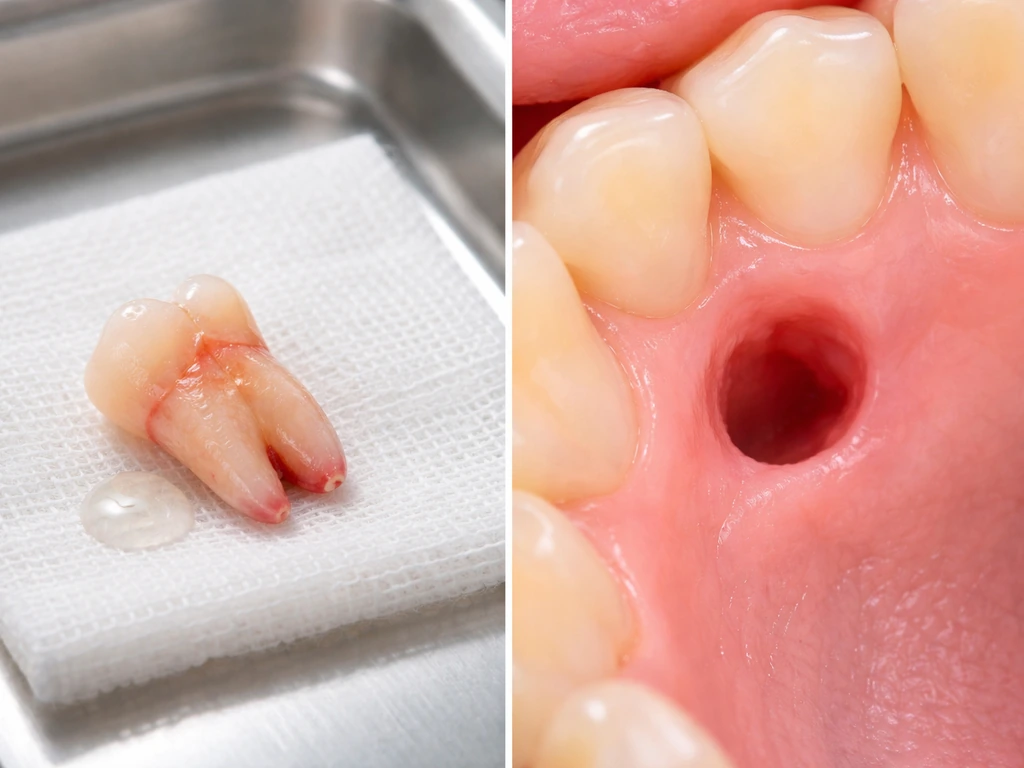
No adult tooth will naturally replace itself after it is lost or pulled. There is no scientific evidence that a lost permanent tooth can grow back in humans. Period. This is not a close call in dentistry, it is a biological fact. The tooth germ, the developmental structure that creates a tooth, exists only once per tooth in your lifetime. Once that tooth has formed and the process is complete, the germ is gone. Nothing triggers a new one.
If a tooth is knocked out, there is a narrow emergency window, ideally within 30 to 60 minutes, where a dentist may be able to re-implant the original tooth back into the socket. This is not the tooth regrowing; it is an attempt to reattach the same tooth before the periodontal ligament cells on the root surface die. Even when successful, the tooth may eventually be lost to ankylosis or root resorption years later. If the tooth cannot be saved, or if it was extracted, the socket heals over but no new tooth comes in. The bone will actually begin to resorb and shrink in volume, losing roughly 29 to 63 percent of its horizontal width in the first six months after extraction, which matters a lot for future implant placement.
Sometimes people report that a tooth seemed to "come back" after it was thought to be lost. Almost always, this turns out to be a retained or impacted tooth that was blocked from erupting by an obstacle like a cyst or a supernumerary tooth, and once the obstacle was removed, the tooth finally came in. That is not regrowth. That is a tooth finishing a journey it started years ago.
What does regrow at 20: gums, bone, and minor enamel repair vs damaged structure
While teeth themselves cannot regenerate, some surrounding structures have real healing ability, and knowing which ones matters for your treatment decisions.
- Gum tissue (gingiva): Soft tissue can heal and regenerate to a meaningful degree, especially after periodontal treatment or minor injury. Gums that have receded significantly do not grow back on their own, but gum grafting procedures can restore tissue volume and coverage.
- Alveolar bone: Bone has genuine regenerative capacity. After periodontal disease or extraction, guided bone regeneration procedures using membranes and grafting materials can restore bone volume, which is critical for implant placement. Without intervention, however, bone resorbs predictably after tooth loss.
- Periodontal ligament: The ligament holding a tooth in its socket has some capacity to regenerate with proper periodontal therapy, especially in younger patients, but significant destruction from advanced gum disease typically requires surgical intervention.
- Cementum: Limited natural repair is possible but not clinically relied upon for restoring major damage.
- Enamel surface (early lesions only): Early demineralized enamel can remineralize with fluoride and good saliva flow, but this is surface chemistry, not tissue growth. It cannot fill structural defects you can see or feel.
The takeaway is that your support structures have more recovery potential than the tooth itself. This is exactly why catching problems early, before bone and gum tissue are heavily involved, changes your outcomes dramatically.
Wisdom teeth vs regrowth: eruption timelines and how it differs from regrowing teeth
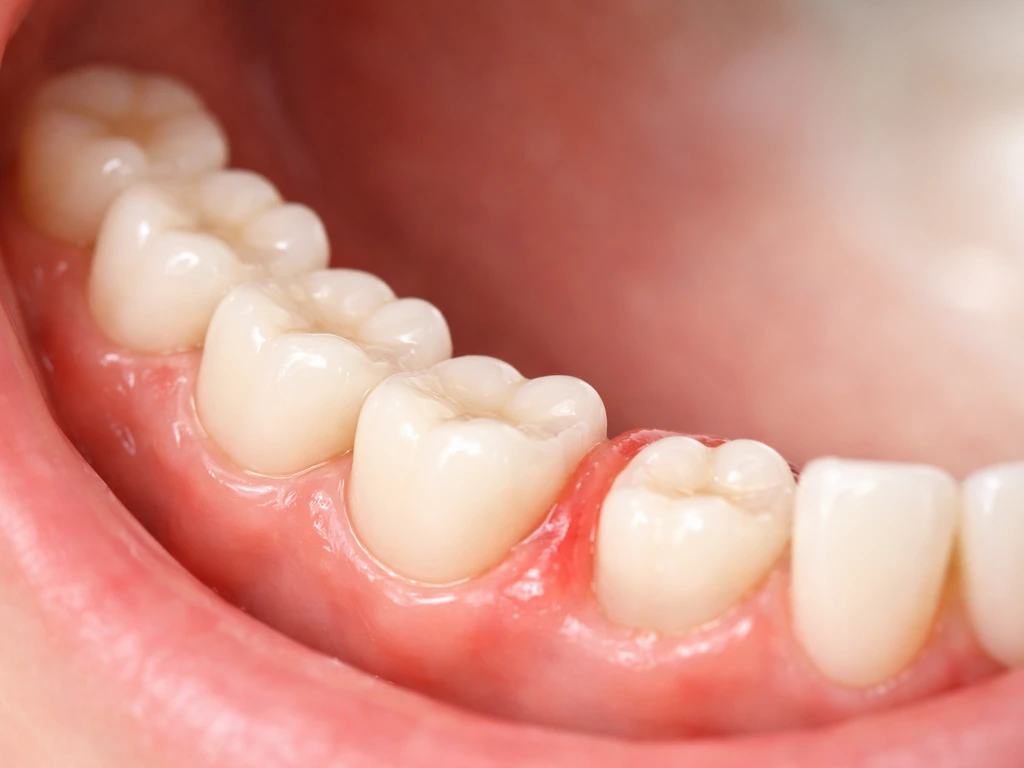
This is probably the most common reason someone at age 20 thinks a new tooth is growing in. Third molars, commonly called wisdom teeth, typically erupt between ages 17 and 25. If you are 20 and you feel something pushing through at the back of your jaw, it is almost certainly a wisdom tooth, not a regrown tooth. These are your third molars completing normal, expected eruption on the standard developmental timeline.
Wisdom tooth eruption feels different for different people. Some people barely notice it. Others experience significant pain, swelling, or crowding because the jaw does not have room for the new teeth. Wisdom teeth frequently erupt at angles, partially emerge, or become impacted (stuck beneath the gum). That sensation of something new appearing at the back of your mouth is your wisdom tooth finally breaking through, not evidence of dental regeneration.
One thing to know: once wisdom teeth have been extracted, they do not grow back either. If someone thinks they see a wisdom tooth returning after removal, the usual explanations are that a root fragment was left behind and is becoming visible, that the tooth was never fully removed, or more rarely that a late-erupting fourth molar (very uncommon) is finally emerging.
Questions about which specific teeth can still erupt after 20, or whether teeth can grow after age 25, are worth exploring separately since the development timeline and realistic expectations differ from adult tooth regrowth.
Signs you need a dentist now and what to ask
If you are reading this because something is happening with your teeth right now, here is a quick triage guide. Some situations are genuinely urgent.
| Situation | Urgency | What to do |
|---|---|---|
| Tooth knocked out completely | Emergency, within 30-60 minutes | Keep tooth moist (in milk or saliva), call dentist or go to emergency dental immediately |
| Severe toothache or swelling | Same-day urgent care | See a dentist today; swelling can indicate abscess/infection spreading |
| Broken or cracked tooth with pain | Urgent, within 24 hours | Call your dentist; avoid biting on that side |
| Chipped tooth, no pain | Soon, within a week | Schedule a dental appointment for assessment and restoration |
| Sensitivity to hot/cold, no visible damage | Within 1-2 weeks | Schedule exam; could indicate enamel loss, crack, or early decay |
| Something erupting at the back (likely wisdom tooth) | Within a few weeks | Schedule exam with X-rays to assess position and need for extraction |
| Noticing gradual worn-down teeth | Non-urgent, but important | Schedule comprehensive exam; mention grinding or acid exposure history |
When you see your dentist, come prepared with specific questions. Ask for a full-mouth X-ray series if you have not had one recently, especially a panoramic X-ray (OPG) to see all your teeth including any impacted wisdom teeth and root structure. If there has been trauma, a CBCT scan may be recommended for better three-dimensional visualization of fractures or bone involvement. Ask your dentist to walk you through exactly what has been lost (enamel, dentin, pulp, bone), what can be preserved, and what restoration options are available. Ask specifically about timing because some treatments, like implants, depend on waiting for bone to stabilize after extraction.
Treatment options when teeth or enamel can't regrow
Since natural regrowth is not on the table, the real question becomes what dentistry can do instead. The options are genuinely good, and they cover everything from a minor chip to a completely missing tooth.
For damaged enamel and early decay
- Remineralization therapy: Fluoride toothpaste, professional fluoride varnish, casein phosphopeptide products, and silver diamine fluoride (SDF) can halt or reverse early decay and strengthen enamel before a cavity forms. SDF is FDA-cleared and evidence-backed for arresting active decay, especially useful in hard-to-restore situations.
- Dental sealants: A thin resin coating applied to pits and fissures of molars to prevent decay from starting.
- Tooth-colored composite fillings: For cavities that have progressed past the remineralization stage, a filling removes the decay and restores the tooth's shape and function.
- Dental bonding: Composite resin can be sculpted onto a chipped or worn tooth to rebuild its shape without removing much natural tooth structure. Great for cosmetic fixes on front teeth.
- Enamel microabrasion: A technique used to treat surface stains or minor defects by lightly removing a thin enamel layer, improving appearance when enamel is discolored but structurally present.
For more extensive damage
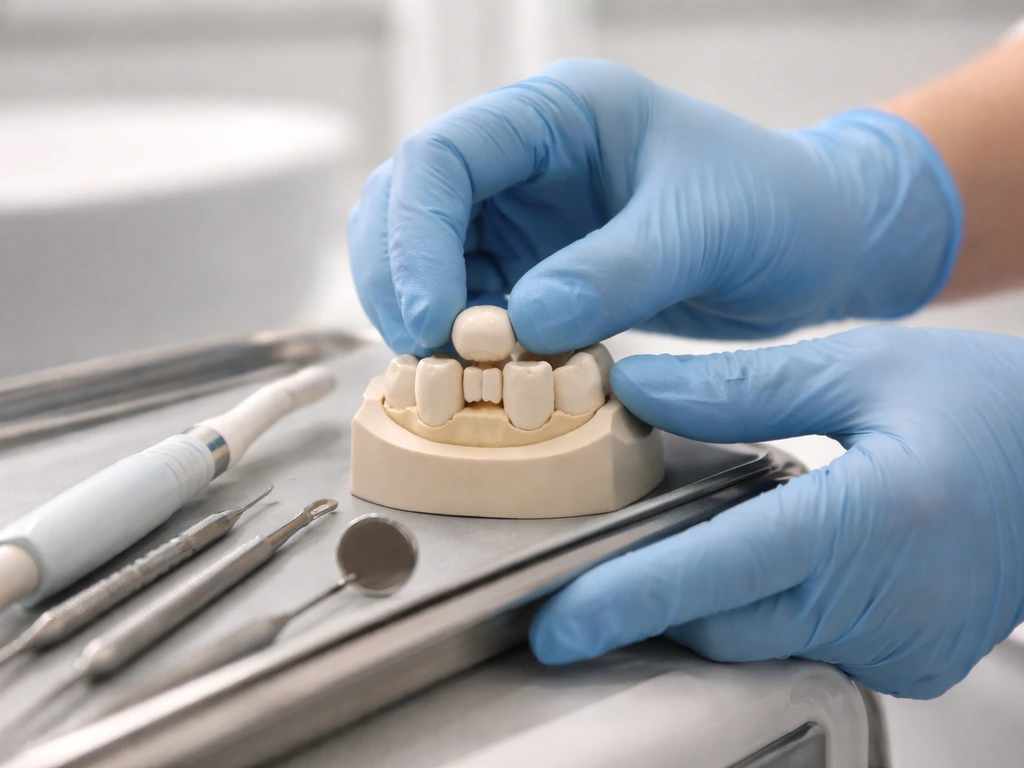
- Dental crowns: When a tooth is significantly broken down by decay, cracks, or after a root canal, a crown (cap) covers the entire visible tooth to restore function and protect the remaining structure.
- Root canal treatment: When the pulp becomes infected or necrotic, root canal therapy removes the infected tissue, cleans and shapes the canal system, and seals it to eliminate infection. The tooth is then typically restored with a crown. This saves the natural tooth rather than extracting it.
- Pulp capping procedures: For deep decay or small exposures where the pulp is still vital, direct or indirect pulp capping can preserve pulp vitality and allow some natural dentin response, potentially avoiding a full root canal.
For missing teeth
- Dental implants: A titanium post is surgically placed into the jawbone and functions as an artificial tooth root; a crown is placed on top. Implants are considered the gold standard for replacing a single missing tooth and require adequate bone volume, which is why prompt attention after extraction and possible ridge preservation matter.
- Fixed dental bridge: An artificial tooth anchored to crowns placed on the adjacent natural teeth on either side of the gap. No surgery involved, but requires grinding down healthy neighboring teeth.
- Removable partial denture: A removable appliance replacing one or more missing teeth, supported by remaining teeth and gum tissue. More affordable but less stable than an implant.
- Full dentures: If all teeth in an arch are missing, full dentures replace them as a removable prosthesis.
- Orthodontic space management: In some cases where a tooth is lost, orthodontic treatment can close the gap by moving adjacent teeth, eliminating the need for a prosthetic replacement.
For gum and bone issues
- Scaling and root planing (deep cleaning): Removes tartar and bacteria from below the gumline to treat periodontal disease and allow gum tissue to heal and reattach.
- Bone grafting: Replaces lost bone volume using natural or synthetic graft material, often done at extraction to preserve the ridge (socket preservation) or before implant placement.
- Gum grafting: Surgical procedure to restore receded gum tissue using tissue from the palate or donor material, protecting exposed roots and improving esthetics.
The bottom line is that at age 20, no tooth is going to grow back on its own. This is why questions like “can teeth grow at age 20” usually have the same answer in dentistry: natural regrowth of a lost or formed tooth does not happen. That is also why dentists generally focus on prevention and reconstruction rather than expecting new adult teeth to emerge after 20 teeth grow back. But the range of dental treatments available means that whatever has happened to your tooth, there is almost certainly a good solution. The sooner you get it assessed, the more options you will have and the less damage you will need to undo. Do not wait and hope nature will handle it, because it will not.
FAQ
If I lost a tooth at 19, will it grow back naturally by 20?
No. At 20, adult teeth are already formed, and missing or extracted permanent teeth will not regrow. If you think you see a new tooth, it is usually a wisdom tooth erupting, an impacted tooth finally breaking through after an obstruction is removed, or part of a tooth root or old filling structure becoming visible.
Can enamel repair itself at age 20 after a chip or erosion?
Surface chips and worn enamel usually cannot “fill back in” on their own. If the chip is shallow, fluoride can sometimes slow further mineral loss, but it will not rebuild visibly missing enamel. A dentist will often recommend bonding or a crown/veneer depending on how much structure is gone.
If I have deep decay or a crack, will my tooth build new dentin to protect itself?
It depends on what’s injured. Enamel cannot regenerate, but the pulp can sometimes form a protective dentin response if decay is not too deep and the tooth is still vital. If the pulp is infected or dies, that response stops. The key decision point is whether the tooth is vital, which a dentist checks with symptoms, exam, and tests.
What should I do if I get a knocked-out adult tooth, and does it regrow?
If a permanent tooth is knocked out, re-implantation is about timing, not regrowth. The goal is to keep the periodontal ligament root cells alive, ideally within 30 to 60 minutes, and get you to urgent dental care. After that window, re-implantation may still be considered in some cases, but outcomes drop and root resorption risk rises.
If I lost a tooth, how does extraction affect future implant options?
Don’t assume “no tooth” means “no bone left.” After extraction, the socket undergoes volume changes, especially horizontal shrinkage in the first months. If you’re considering an implant later, dentists use this timing to plan bone preservation or staged procedures for better fit and positioning.
If my adult tooth is missing, can I just wait and see, or will the rest of my teeth shift?
Removable partial dentures or bridges can replace a missing tooth, but they do not prevent other teeth from drifting. Long-term, missing teeth can contribute to gum changes and bite shifts. A dentist can estimate how much movement is likely based on which tooth is missing and how long it has been gone.
I feel something coming in at the back, could it be a regrown molar?
Wisdom teeth can erupt between about 17 and 25, and discomfort can vary from mild pressure to swelling or crowding. A common mistake is treating wisdom-tooth symptoms like a regrowing tooth. An X-ray (often panoramic) distinguishes eruption from abscess, impacted teeth, or other issues.
If my wisdom teeth were removed, how can I be sure nothing is coming back?
After wisdom teeth extraction, it is very unlikely to have true regrowth. If something appears later, common explanations include a retained root fragment, incomplete removal, or a different tooth (rarely a fourth molar). If you see new tissue or pain returns, get an exam and X-ray to confirm what is present.
How could I think a tooth grew back if the permanent tooth can’t regenerate?
Yes, but only in the “finish erupting” sense, not in the “new tooth sprouts” sense. Impacted teeth may take years to move once an obstruction is removed, and a cyst or supernumerary tooth can be a culprit. If you see something new, imaging clarifies whether it’s the same tooth continuing eruption.
What should I ask my dentist about replacement options at 20?
If you have a missing permanent tooth and are considering treatment, the most practical next step is to get updated imaging and ask what replacement timeline fits your bone and adjacent teeth. Timing matters most for implants (bone stability) and for some orthodontic or restorative plans. A dentist can also check whether your symptoms are from infection or eruption-related issues.
Next Articles
Will Teeth Grow After 20 Years? What’s Possible
Teeth can erupt later at 20+, but true regrowth of enamel or damaged teeth won’t. Learn what’s possible and options.
Is It Possible to Grow Teeth After 20? What’s Real
Learn if teeth can regrow after 20, what’s possible today, and realistic replacement options and next steps.
Do Teeth Grow After 25? What Actually Changes and Why
Know if teeth grow after 25, what can still erupt or shift, and what regrow is and is not possible