No, teeth do not grow in or regrow after age 25 under normal circumstances. By your mid-20s, all of your permanent teeth have either erupted or are stuck (impacted), and the biological machinery that builds teeth in the first place has long since shut down. The one real exception is wisdom teeth, which can technically erupt anywhere from age 17 into the mid-20s and occasionally even later.
Do Teeth Grow After 25? What Actually Changes and Why

Marcus Holloway
30 May 2026
But beyond that narrow window, what most people are noticing when they feel like something has "changed" with their teeth is not growth at all. If you are asking, “is it possible to grow teeth after 20,” the answer is usually about eruption or tooth shifting rather than true regrowth, so it helps to clarify what kind of change you are actually seeing.
This helps explain why people sometimes ask which teeth grow after the age of 20, even though most noticeable changes come from shifting, recession, or wear rather than new tooth tissue. This same idea applies when people ask which teeth grow after the age of 20. It is shifting, recession, or wear. Each of those has a different cause and a different fix, and none of them involve new tooth tissue actually forming.
What "grow" actually means for teeth (and why the word trips people up)
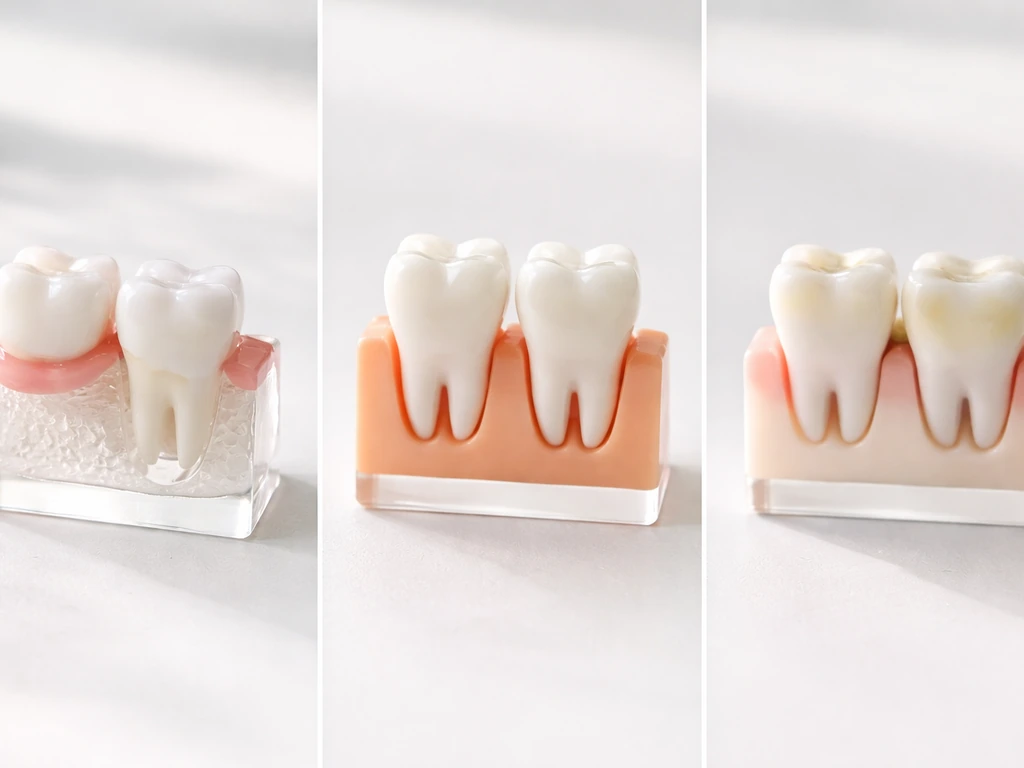
When someone searches "do teeth grow after 25," they usually mean one of three very different things. Getting clear on which one applies to you is the most important step, because the answers and the solutions are completely different.
- Eruption: a tooth that was already fully formed inside the jaw physically pushes through the gum and becomes visible. This is what happens with wisdom teeth and what happened with every other permanent tooth in childhood.
- Regrowth: a tooth or part of a tooth that was lost, damaged, or worn down regenerating new tissue from scratch. This is what people hope for when a tooth breaks or a cavity eats away at enamel. Biologically, this does not happen in adult humans.
- Shifting or apparent lengthening: teeth moving position due to forces in the mouth, or appearing longer because the gum has receded and exposed more of the tooth root. This is extremely common after 25 and is often mistaken for growth.
Most online confusion comes from mixing these three things together. Eruption is real but age-limited. Regrowth is biologically impossible with current clinical technology. Shifting and recession are common, treatable, and definitely worth paying attention to.
When each type of tooth actually comes in
Human beings get two sets of teeth. The baby teeth (primary) come in during infancy and early childhood. The permanent teeth replace them in a fairly predictable order starting around age 6. Here is the full timeline for permanent teeth so you can see where age 25 actually falls.
| Tooth Type | Typical Eruption Age | Still possible after 25? |
|---|---|---|
| Central incisors (front teeth) | 6–8 years | No |
| Lateral incisors | 7–9 years | No |
| Canines (cuspids) | 9–12 years | No |
| First premolars | 10–12 years | No |
| Second premolars | 10–12 years | No |
| First molars | 6–7 years | No |
| Second molars | 11–13 years | No |
| Third molars (wisdom teeth) | 17–25 years | Occasionally yes |
Every tooth except the wisdom teeth is done erupting well before age 20. Third molars are the outlier. The ADA lists their typical eruption window as 17 to 21 years, while other dental references extend that range to 25. Some people's wisdom teeth never erupt at all, either because they are impacted, angled wrong, or simply never developed. If you are 26 and a wisdom tooth is just now pushing through, that is biologically within the normal range of variation. If you are 30 and it has not come in yet, it probably is not going to without surgical help or it may not come in at all.
If you are wondering about the teeth that come in specifically around age 20, or which teeth (if any) are still developing in your early 20s, those questions about the 20-to-25 window are closely related and worth exploring separately.
Can enamel or dentin grow back? What really happens to cavities and wear
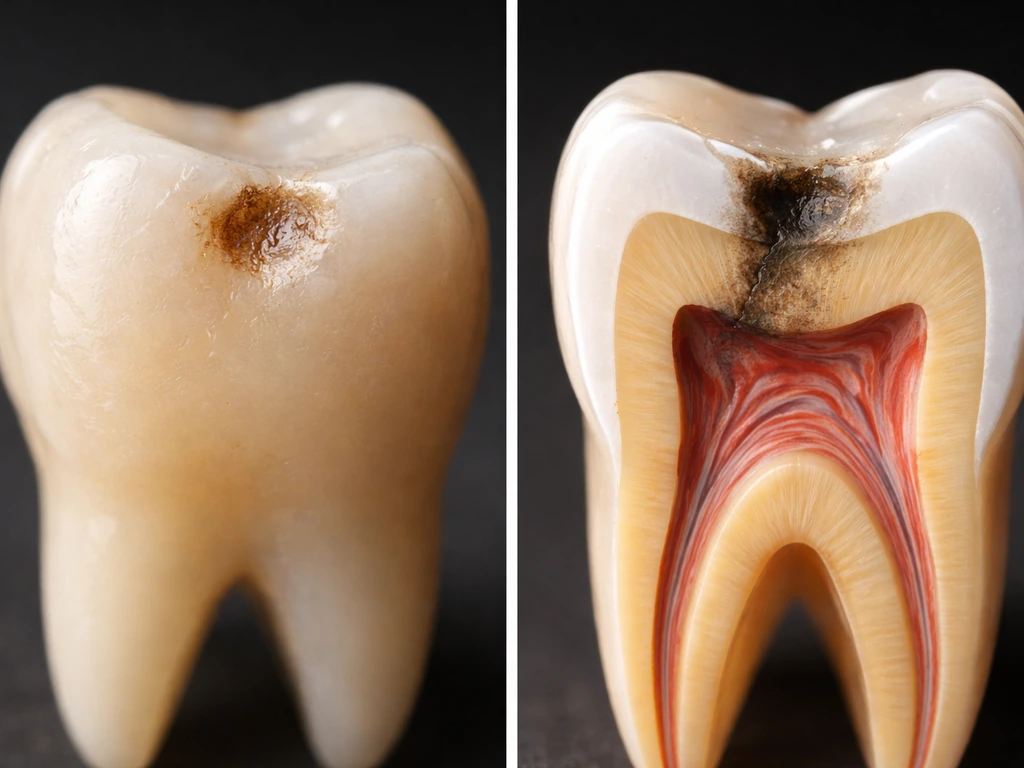
This is the area where the most widespread myths live, so let's be direct. Enamel cannot regrow. It is the hardest tissue in the human body, but it is also acellular, meaning it has no living cells in the mature form. Enamel is built by specialized cells called ameloblasts during tooth development, and once the tooth has finished forming, those cells are gone. There is no mechanism left to produce new enamel. Once it is worn or damaged, it is gone for good unless a dentist restores it.
Dentin is slightly different. Unlike enamel, dentin does contain some capacity for a biological response. When a cavity or irritation reaches the inner layers of a tooth, the pulp can produce what is called tertiary dentin, essentially a defensive layer the tooth builds to wall off the threat. But this is a repair and defense response, not a restoration of what was lost. It does not rebuild the original tooth structure, and it certainly does not happen fast enough to outpace an advancing cavity.
The practical takeaway: if you have a cavity, it will not heal itself. Fillings and crowns exist precisely because your body cannot fix this on its own. The ADA's 2023 caries treatment guideline supports conservative carious tissue removal, meaning dentists now try to preserve as much natural tooth structure as possible when restoring a cavity, but they still need to remove the decayed portion and replace it with a material like composite resin or a crown. Fluoride and remineralization products can help stop very early enamel lesions before they become full cavities, but they cannot reverse established decay or fill in worn enamel.
What about the pulp?
In cases where decay reaches the pulp (the nerve and blood vessel center of the tooth), vital pulp therapy techniques like partial pulpotomy can sometimes preserve the living pulp tissue rather than requiring a full root canal. Clinical studies report success rates of 91 to 97 percent for these approaches when the pulp is diagnosed with reversible inflammation. This is not tooth regrowth, but it is meaningful because keeping the pulp alive keeps the tooth stronger and more resistant to fracture long term.
What actually happens to your gums and bone after 25
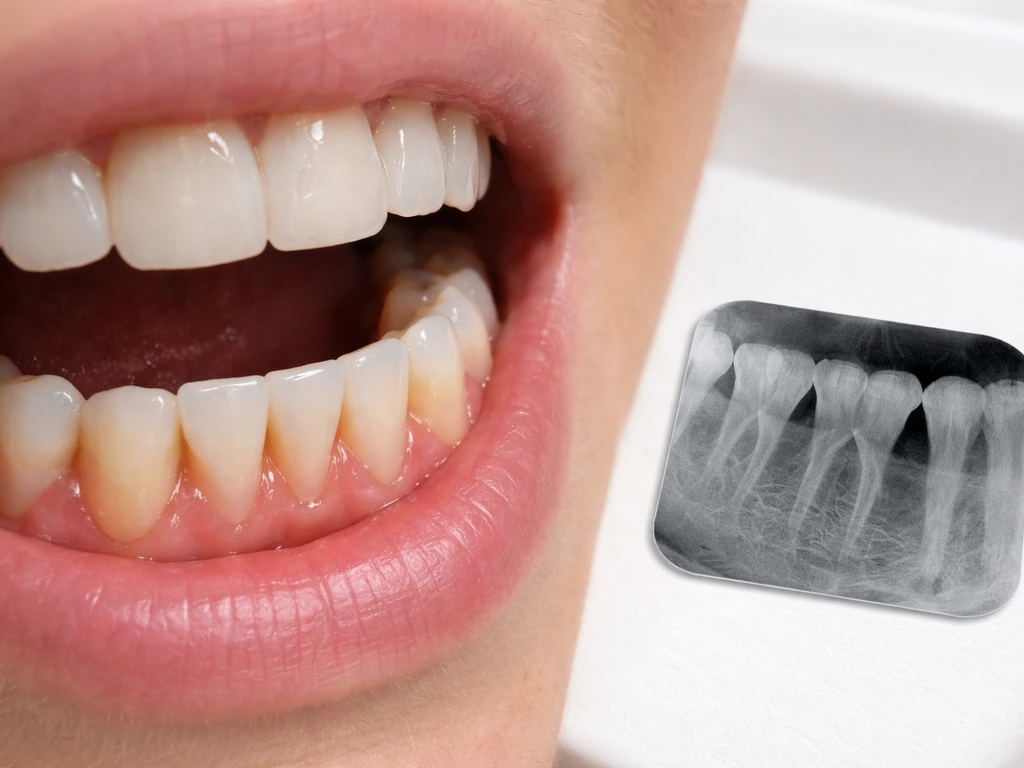
Here is one of the most misunderstood things about adult dental health: teeth do not grow longer as you age, but they often look longer because the gums recede. Gingival recession, where gum tissue pulls back and exposes the root surface of the tooth, is common in adults and becomes more common with age. It can be caused by gum disease (periodontitis), aggressive toothbrushing, thin gum tissue, or a combination of factors.
The CDC notes that periodontal disease becomes more prevalent as people get older, and it is one of the most common drivers of recession. When gum tissue recedes, it generally does not grow back on its own. The tissue and the supporting bone underneath follow similar rules: once lost to disease or trauma, natural regeneration is minimal. That does not mean nothing can be done. It means the solution is clinical, not biological.
Gum graft surgery, for example, can move tissue from the palate or use donor material to cover exposed roots, prevent further recession, and reduce sensitivity. Periodontal regenerative surgery using barrier membranes, bone grafts, or tissue-stimulating proteins can help rebuild some of the supporting bone and attachment in selected cases. These are procedural interventions, not the body regrowing tissue spontaneously. The distinction matters because waiting and hoping the gums will recover on their own is one of the most common and costly mistakes people make.
Your real options after 25: orthodontics, retention, and restorative care
If you cannot grow new teeth or regrow enamel, what can you actually do? Quite a lot, depending on what is actually happening in your mouth.
If your teeth have shifted position
The American Association of Orthodontists is clear that tooth movement is a natural, lifelong process. Teeth do not stop moving just because you finished growing. They respond to bite forces, neighboring teeth, and even changes in soft tissue over time. Adult orthodontic treatment with braces or clear aligners can correct misalignment, close gaps, and improve bite function at essentially any age. The AAO also notes that orthodontists often coordinate with periodontists when gum health needs to be addressed before moving teeth, so if you have both shifting and recession, that coordination matters.
If you had orthodontic treatment before, relapse (teeth drifting back toward their original positions) is a real and well-documented issue. Research shows relapse tendency is highest in the first 12 months after treatment ends. Long-term retainer wear is the standard solution, and the AAO's position is clear: retainers need to be worn consistently to maintain results, because the surrounding bone and soft tissue take time to fully stabilize around new tooth positions. If you stopped wearing your retainer and your teeth have shifted, an orthodontist can assess whether retreatment or a new retainer is the right move.
If you have lost tooth structure (enamel wear, chips, or cavities)
Restorative dentistry covers this territory. Composite bonding can rebuild chips or minor wear on the front teeth. Porcelain veneers are an option when multiple front teeth need resurfacing. Fillings address cavities before they deepen. Crowns become necessary when a significant portion of the tooth structure is compromised. None of these are tooth regrowth, but they restore function and appearance effectively, and modern materials are more durable than ever.
If your gums have receded
Start with scaling and root planing if there is any active gum disease driving the recession. This non-surgical deep cleaning removes tartar and bacteria below the gumline and is typically the first line of treatment for periodontitis. If recession is significant or causing sensitivity and root exposure, a gum graft consult with a periodontist is worth pursuing. The sooner recession is addressed, the better the outcome, because the longer it continues, the more supporting bone can be lost along with it.
If a tooth is missing entirely
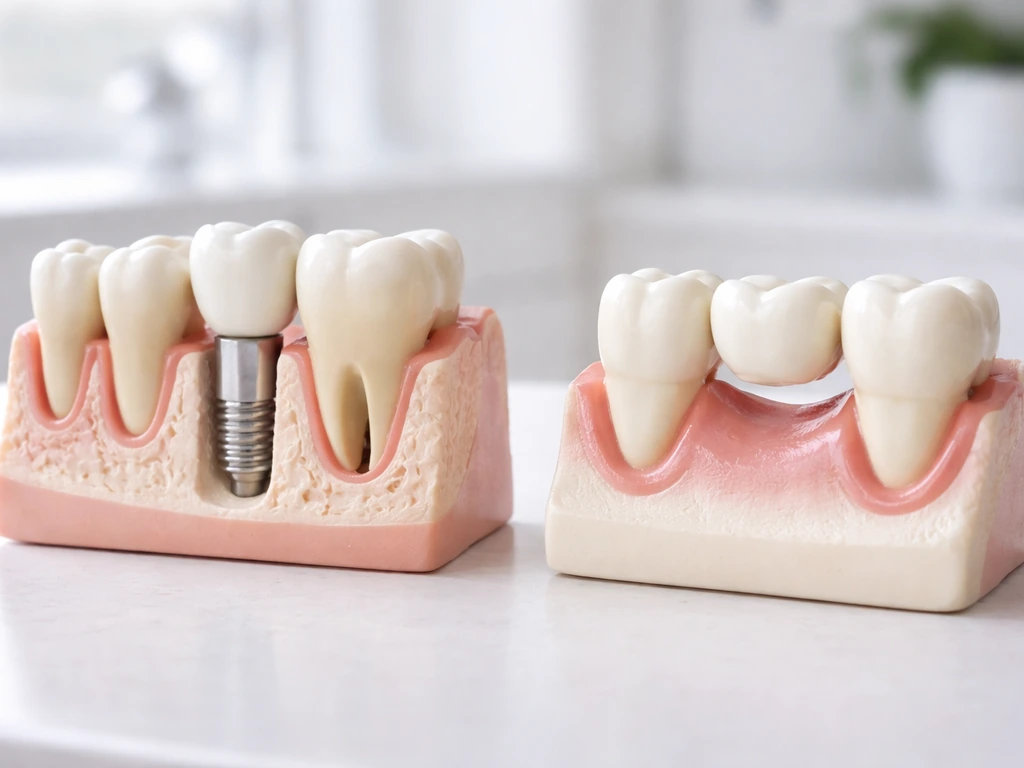
A missing permanent tooth will not grow back. The options here are a dental implant (a titanium post anchored into the jaw with a crown on top), a fixed bridge (crowns on neighboring teeth supporting a false tooth in between), or a removable partial denture. Implants are generally considered the closest functional replacement to a natural tooth and are the most common recommendation when bone volume allows.
When to see a dentist or orthodontist, and what to actually ask
A lot of people put off dental visits because they are not sure if what they are experiencing is "bad enough" to warrant one. Here is a simple breakdown of which situation calls for which type of provider, and what to ask when you get there.
| What you're noticing | Who to see | Key questions to ask |
|---|---|---|
| A tooth that feels like it's pushing through the gum (possible late wisdom tooth) | General dentist | Is this an erupting wisdom tooth? Does it need to come out or can it stay? |
| Teeth that have shifted or you stopped wearing your retainer | Orthodontist | How much movement has occurred? Can a new retainer correct this or do I need retreatment? |
| Teeth that look longer or gums that appear to be pulling back | General dentist or periodontist | Is this gum recession? What's causing it and has any bone been lost? |
| A chip, crack, or visible cavity | General dentist | How deep is this and what's the least invasive way to restore it? |
| Sensitivity to cold, hot, or sweets | General dentist | Is this enamel wear, recession, or early cavity? What can I do to stop it progressing? |
| Pain when biting or chewing | General dentist or orthodontist | Is this a bite issue, a cracked tooth, or gum disease? |
| A missing tooth | General dentist or oral surgeon/prosthodontist | Am I a candidate for an implant? What happens if I leave the space? |
The most useful thing you can do today if something feels off is to book an appointment and describe exactly what you are noticing, including when it started, whether it is one tooth or several, and whether there is any pain. X-rays will show bone levels, impacted teeth, and decay that is invisible to the naked eye. Waiting rarely makes any dental problem cheaper or easier to treat, and this is especially true for gum recession and cavities, both of which tend to progress silently.
The bottom line is that 25 is not a finish line for dental changes, it is just the point where your teeth are done being built. Everything that happens after that is about maintaining, protecting, and when necessary, restoring what you have. Your teeth will keep shifting, your gums can recede, enamel can wear. But all of those things can be managed well with the right care, and none of them require waiting for biology to do something it simply cannot do.
FAQ
If enamel cannot regrow, does that mean any small chip or scratch is permanent damage?
A chip is usually permanent, but how serious it is depends on depth. If it is only superficial, your dentist can often smooth or bond it, and fluoride may help stabilize early wear. If dentin is exposed or the tooth is sensitive, prompt restoration helps prevent faster progression and reduces crack risk.
Can teeth appear longer after 25 even if my gums have not visibly changed?
Yes. Wear, grinding, or changes in bite can expose more tooth surface, and some recession can be subtle at first. An exam plus bitewing and periapical X-rays can distinguish gum recession from wear or spacing changes.
Why do my teeth feel like they are moving or shifting, but I am not getting orthodontic treatment?
Adults can shift due to bite changes, missing teeth, gum inflammation, periodontal ligament remodeling, or even habits like clenching. If shifting is paired with gum bleeding, loose-feeling teeth, or worsening spacing, it is important to evaluate for periodontal disease before doing aligners.
If I have recession, will a gum graft always be needed?
Not always. Mild recession with stable gum health may be managed with better brushing technique, desensitizing treatment, fluoride, and monitoring. A graft becomes more likely when roots are exposed, sensitivity persists, or there is progressive recession, especially if bone and attachment levels are declining.
Does fluoride or remineralization toothpaste reverse cavities that started after I turned 25?
It can help only at the earliest “white spot” stage, when minerals are still present. Once there is a true cavity with a breakdown hole, you typically need removal and a filling. If you suspect decay, a dentist can assess activity and depth rather than guessing.
What is the difference between a root canal and “saving the nerve,” is it about avoiding tooth regrowth?
Correct, it is not regrowth. Vital pulp therapy (like partial pulpotomy) aims to keep the living pulp tissue healthy in certain reversible inflammation cases, which can preserve tooth strength and avoid full root canal in selected situations. A conventional root canal is used when inflammation is not reversible.
Can wisdom teeth still erupt at 30 or is that abnormal?
Eruption after 25 is uncommon but not impossible. If a tooth is coming through around 26 to 30, it may still be within variation, but it depends on position and space. If it is near nerves or angled badly, surgical evaluation may be safer than waiting for it to “work itself out.”
If I have a retainer but do not wear it consistently, what should I expect?
Relapse can happen especially in the first year after braces, and changes can continue more slowly later. If you notice new spacing or crowding, an orthodontist can check whether the shift is mostly tooth movement that can be guided back, or whether it is being driven by gum changes or bite issues.
Do adult orthodontics worsen gum recession?
They can if periodontal health is not controlled. Moving teeth into thinner gum tissue or pushing teeth beyond their supportive bone can increase recession risk. Coordinated planning between an orthodontist and periodontist helps determine safe tooth movement and whether recession should be treated first.
If I am missing a tooth, will the neighboring teeth shift into the gap on their own?
Often they do, but the timing and extent vary. Shifting can change bite forces and contribute to gum issues or crowding. A dentist can assess bone levels and occlusion, then compare implant versus bridge versus partial denture based on how much movement has already occurred.
What are the red flags that mean I should not wait for a dental visit?
Do not wait if you have persistent bleeding when brushing, gum swelling, tooth sensitivity that is worsening, visible holes or dark spots, spontaneous pain, a tooth that feels loose, or any swelling near the jaw. These can indicate active periodontal disease or infection that benefits from early treatment.
Next Articles
Which Teeth Grow After Age 20? Late Eruptions and Myths
Which teeth can erupt after 20, how wisdom teeth timing varies, and why true tooth regrowth is unlikely
Can Teeth Grow at Age 20? What Is Possible
Can teeth grow at age 20? Learn what’s possible, why true regrowth usually isn’t, and care options.
Do Milk Teeth Grow Back? Timelines, What to Do, Red Flags
Learn if milk teeth regrow, typical timelines for permanent teeth, what to do after loss or injury, and red flags.