No, teeth cannot grow back at age 20. By the time you reach your twenties, your permanent teeth are fully developed, and human biology simply does not have a built-in mechanism to regenerate a lost or severely damaged adult tooth. That said, a few things can still happen around age 20 that feel like "new teeth" activity, most notably wisdom teeth erupting, and some limited natural repair processes like enamel remineralization can still work in your favor. But if you are hoping a chipped, decayed, or missing permanent tooth will grow back on its own, it will not. Here is what is actually going on and what you can realistically do about it.
Can Teeth Grow at Age 20? What Is Possible

Marcus Holloway
24 May 2026
The honest answer about adult teeth "growing" after 20
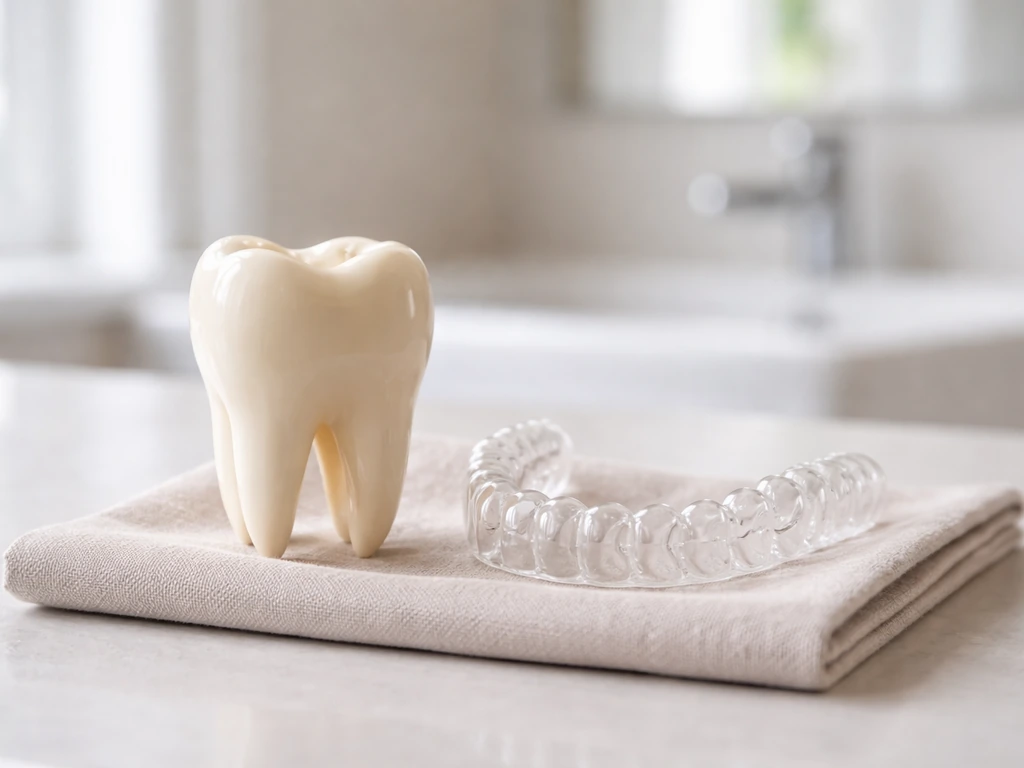
Humans are diphyodonts, meaning we only get two sets of teeth in a lifetime: baby teeth and permanent teeth. Once your permanent teeth are in, that is the end of the natural supply. There is no third set waiting in reserve. By your early twenties, every permanent tooth you are going to get has already formed.
The only real exception is wisdom teeth, your third molars, which sometimes do not erupt until the late teens or even the mid-twenties. So if you are feeling pressure or pain in the very back of your mouth around age 20, that could genuinely be a tooth erupting. Everything else, a lost molar, a cracked incisor, a worn-down tooth, is not coming back on its own.
There is a lot of misleading content online suggesting that certain foods, supplements, or techniques can "regrow" teeth. This is not supported by dental science for adults. Stem-cell-based tooth regeneration is a real area of research, and early-stage studies are genuinely exciting, but as of now this is not a clinical option you can access anywhere. For a 20-year-old dealing with a real dental problem today, the practical answer is restorative dentistry, not biology. If you are wondering, “is it possible to grow teeth after 20,” the answer is that you usually cannot regenerate a lost adult tooth.
How your teeth are actually built (and why that limits regrowth)
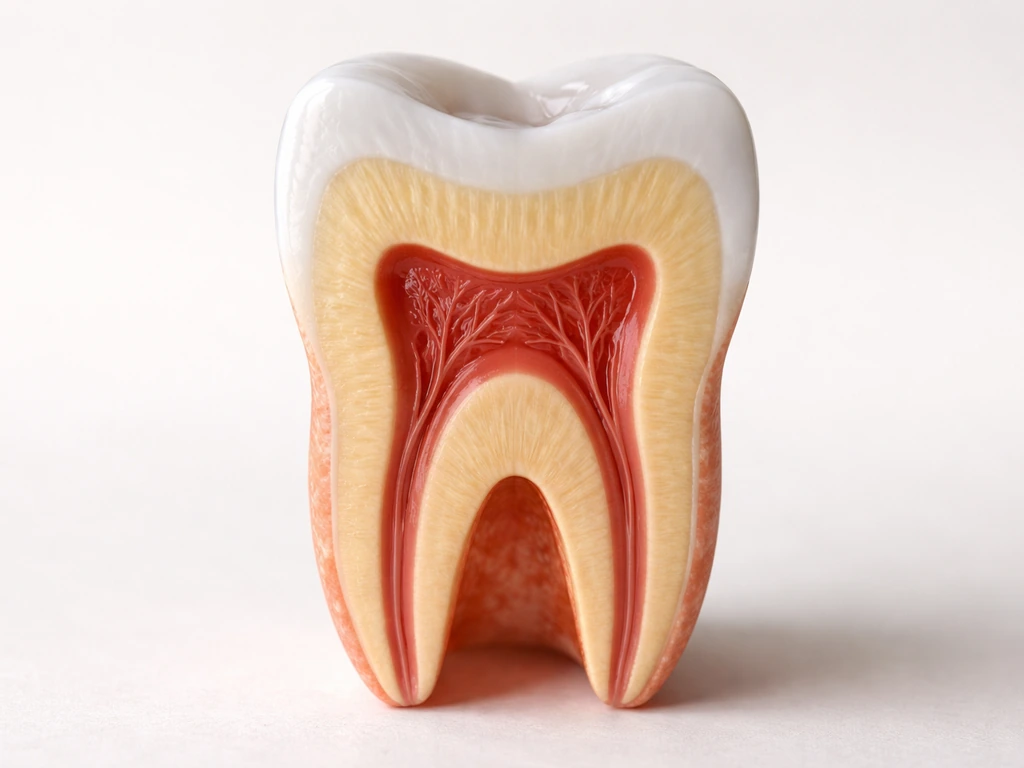
Understanding the structure of a tooth helps explain why regrowth is not possible. Each tooth is made up of three main layers, and each layer has a different relationship with your body's ability to repair itself.
Enamel
Enamel is the hard, white outer shell of the tooth. It is the hardest substance in the human body, but it is also the most limited in terms of self-repair. Enamel is produced by cells called ameloblasts, which only exist during tooth development. Once a tooth has erupted, those cells are gone, so your body cannot produce new enamel from scratch.
However, enamel can partially remineralize in the very early stages of decay. The NIDCR (part of the NIH) explains that enamel can "repair itself" by drawing minerals from saliva, and fluoride actively supports this process by helping to restore mineral loss before a cavity fully forms. This is not regrowth in the true sense. It is more like patching, and it only works on surface-level, non-cavitated lesions, not holes or cracks you can already see or feel.
Dentin
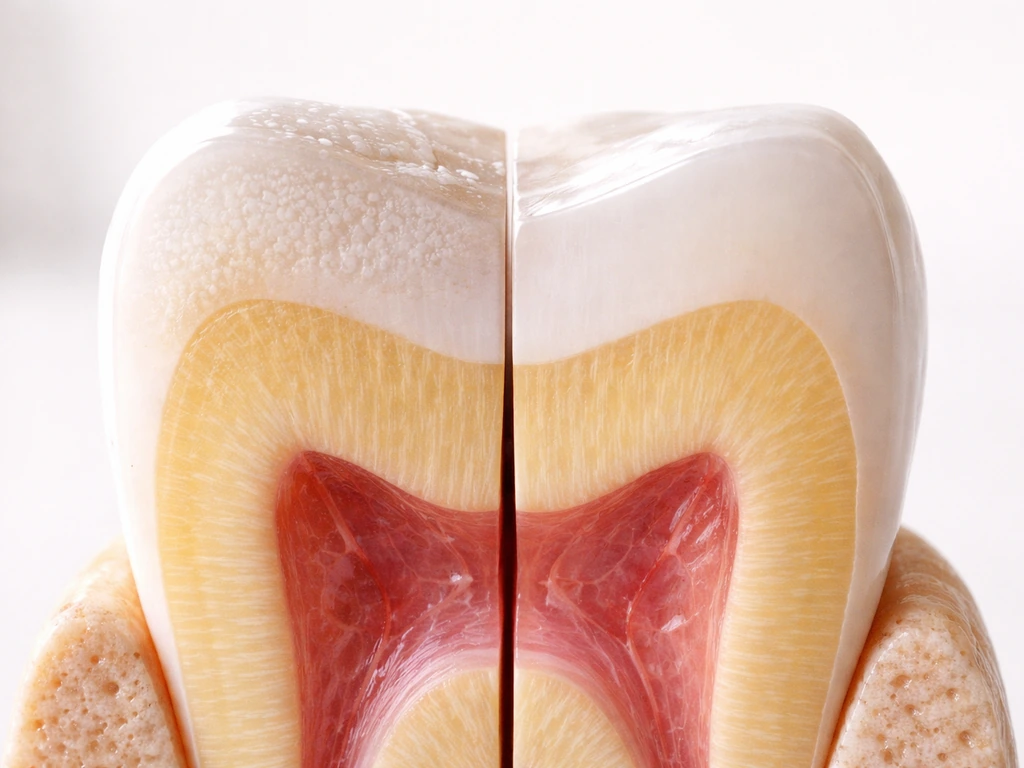
Beneath the enamel is dentin, a yellowish, slightly softer layer that makes up the bulk of the tooth. Unlike enamel, dentin can be produced in small amounts even in adult teeth. When a tooth is under threat, such as from deep decay or grinding, the pulp inside can lay down what is called tertiary or reparative dentin as a kind of defensive wall. This is a real biological process, but it is slow, limited, and it does not replace lost tooth structure in any meaningful cosmetic or functional way. It is your tooth trying to protect its nerve, not rebuilding itself.
Pulp
The innermost part of the tooth is the pulp, which contains nerves, blood vessels, and connective tissue. The pulp is what makes a tooth feel alive, and it is responsible for that sharp pain when something cold hits a sensitive tooth. Once the pulp is infected or damaged enough to require removal (a root canal), it cannot regenerate. A tooth that has had a root canal is essentially a hollowed-out structure held in place by its root, which is why these teeth usually need a crown to prevent fracture.
What can and cannot naturally repair itself
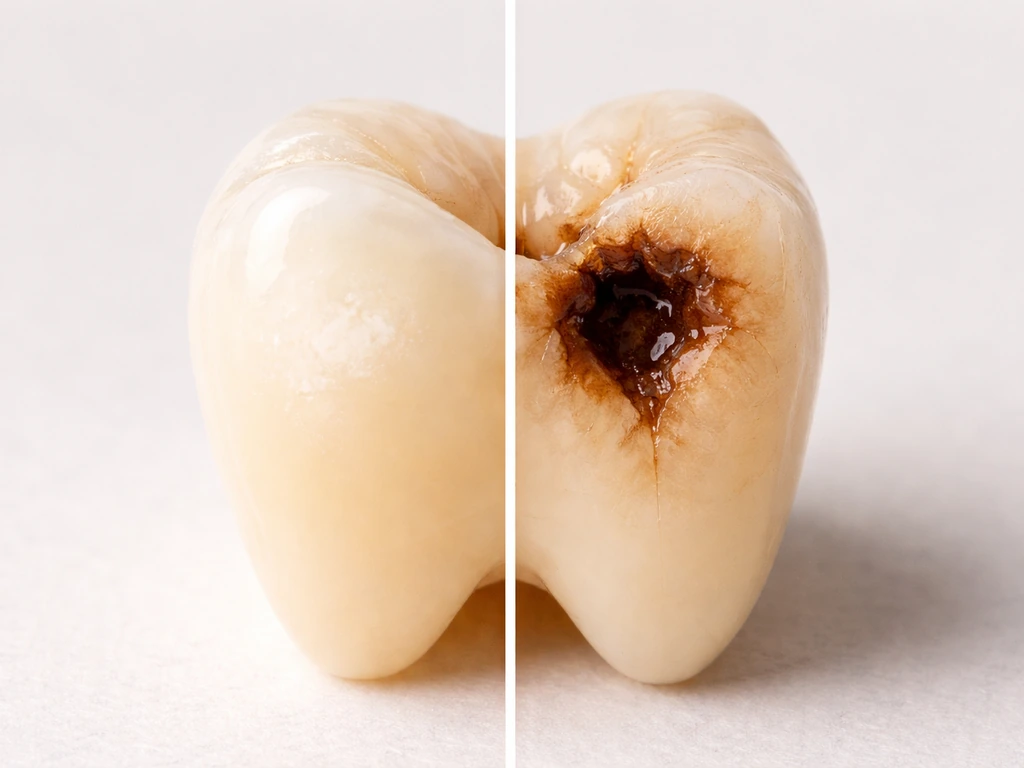
People often blur together several different things when they ask if teeth can "grow back." It helps to separate them clearly.
| Dental issue | Can it naturally repair/regrow? | What actually happens |
|---|---|---|
| Early enamel loss (white spot, pre-cavity) | Partially, with fluoride and saliva | Remineralization can reverse early decay if caught in time |
| Full cavity (hole in enamel/dentin) | No | Requires a filling; the lost structure does not come back |
| Cracked or chipped tooth | No | Crack does not fuse; bonding, veneer, or crown needed |
| Missing permanent tooth | No | No new tooth will erupt; implant, bridge, or denture required |
| Damaged pulp/nerve | No (for adults) | Root canal removes infected pulp; cannot regenerate |
| Bone loss around tooth | Partially, with treatment | Bone can remodel with proper care and grafting procedures |
| Gum recession | Very limited | Gums can heal after inflammation resolves but do not fully regrow |
What happens to gums and bone around age 20
Your gums and the bone supporting your teeth are not static structures. At 20, your periodontal tissues are still relatively resilient, which is actually good news. If you have gum inflammation (gingivitis) from poor brushing habits, the gum tissue can heal once you remove the irritant (plaque). Gingivitis is reversible. The more serious condition, periodontitis, involves actual bone loss around teeth and is much harder to fully reverse, though it can be halted with professional treatment.
Gum recession is worth mentioning separately. At 20, recession can happen from aggressive brushing, grinding, or early gum disease. Once gum tissue recedes significantly, it does not grow back on its own. Minor recession may stabilize once the cause is addressed, but moderate or severe recession usually requires a gum graft procedure if coverage is needed for aesthetics or root protection. Similarly, bone around a lost or extracted tooth will begin to shrink over time without a replacement tooth or implant to maintain stimulation.
When a new tooth really can still erupt at age 20
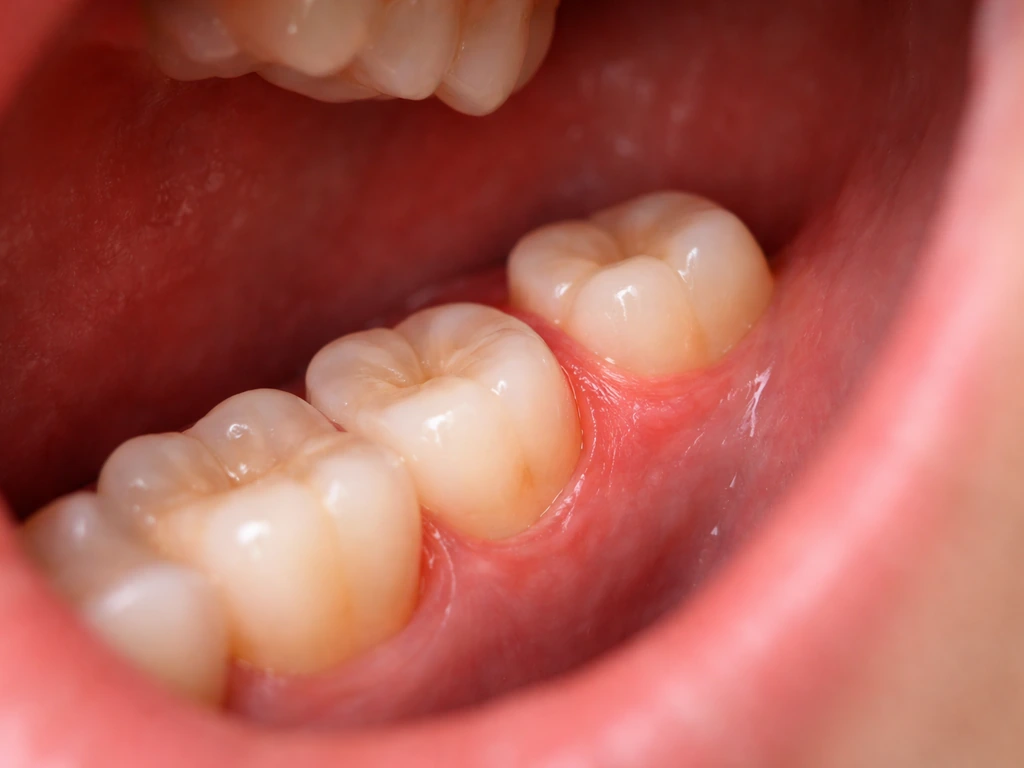
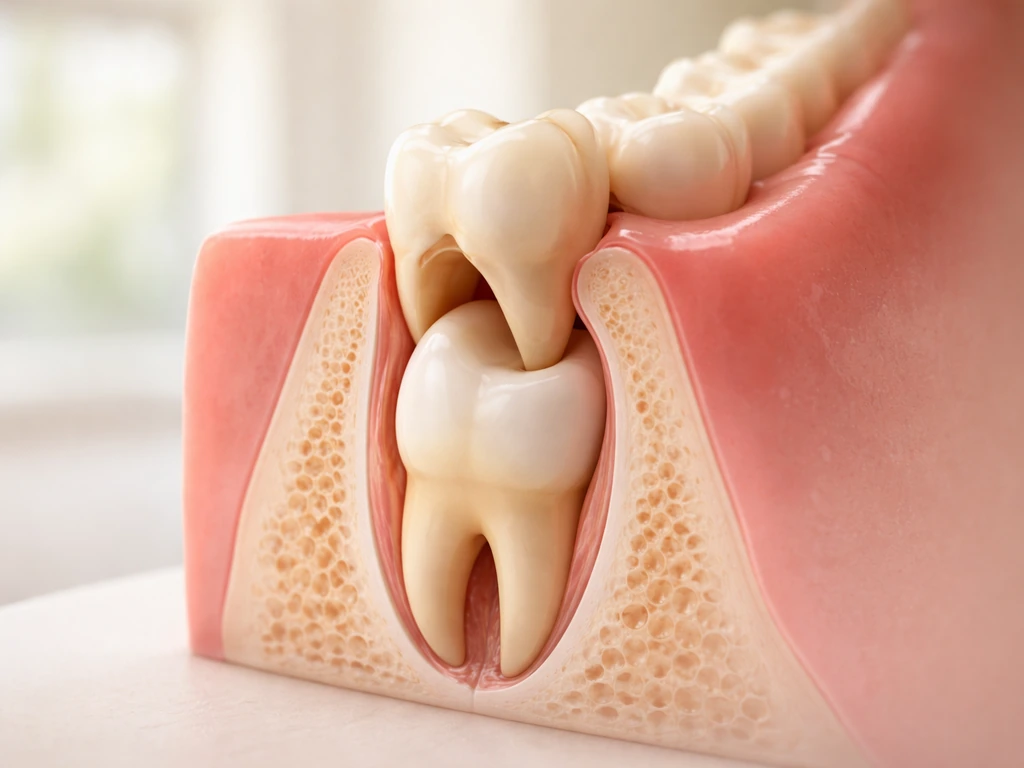
Wisdom teeth are the one legitimate scenario where you might actually get a new tooth erupting at or around age 20. Third molars typically come in between ages 17 and 25, and it is completely normal to feel them pushing through at 20. The eruption process can cause pressure, soreness, jaw aching, or pain in the back of the mouth, especially if there is not enough room for the tooth to come in straight. If the tooth is impacted (stuck at an angle or trapped under the gum), it can cause more significant pain and may need to be removed.
Beyond wisdom teeth, very rare cases of delayed permanent tooth eruption exist, where a tooth that should have come in during childhood is still partially embedded. A dentist can identify this on an X-ray. Some people are also missing permanent teeth entirely due to a condition called hypodontia (most commonly missing a lateral incisor or a lower premolar), and orthodontic treatment or implants are typically used to address that gap. These are specific clinical situations, not normal "regrowth."
If you are curious about which specific teeth might still be coming in around or just after your twenties, that question gets explored in more detail in articles covering which teeth grow after the age of 20 and whether teeth can grow after 25, since the wisdom tooth timeline extends into the mid-twenties for many people. Whether teeth can grow after 25 is mostly limited to the late eruption window for wisdom teeth, while most adult teeth do not regenerate. If you want more specifics, this guide on which teeth grow after the age of 20 breaks down the realistic possibilities and timing.
Evidence-based options when teeth are damaged or missing at 20
Since natural regrowth is not on the table, here is what actually works depending on the situation.
For early decay or enamel damage
If decay is caught early, before a true cavity forms, remineralization with fluoride is your best friend. The CDC confirms that fluoride both reduces acid from cavity-causing bacteria and helps remineralize weakened enamel. Fluoride toothpaste with an ADA Seal of Acceptance, blank" rel="noopener noreferrer">prescription fluoride gels, or professional fluoride varnish applied at a dental visit can all support this process. blank" rel="noopener noreferrer">Dental sealants are another tool: the ADA notes they can minimize the progression of early non-cavitated lesions, essentially buying the tooth time. The key word in all of this is "early." Once the decay has broken through into a full cavity, a filling is needed.
For chips, cracks, or structural damage
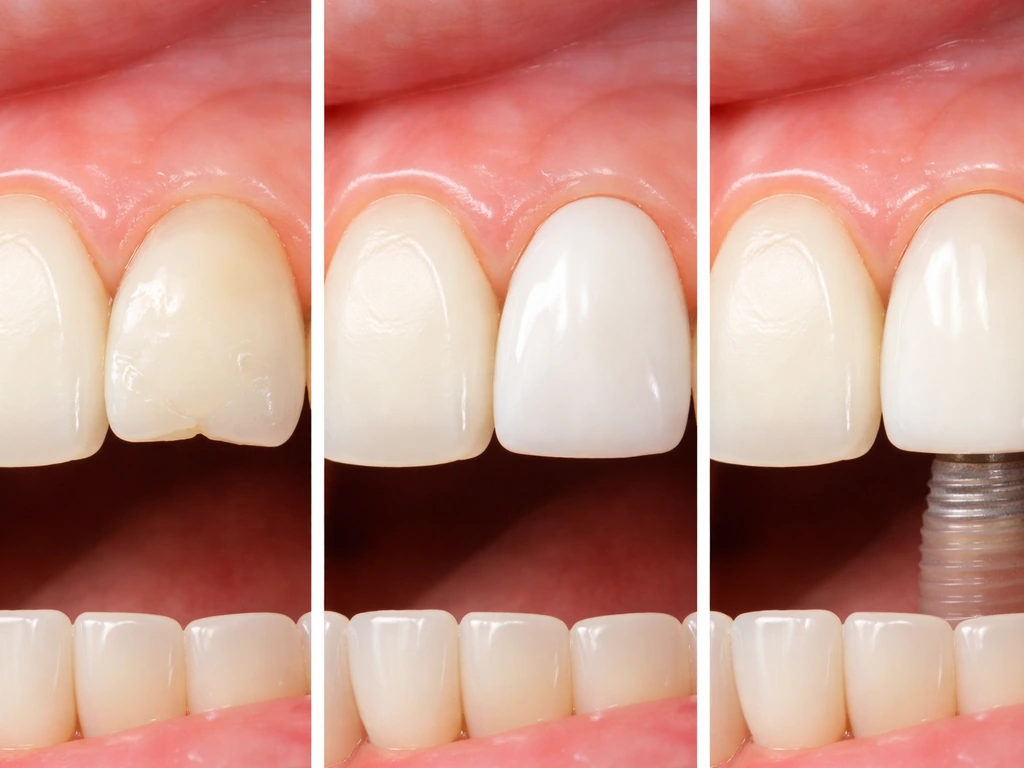
Dental bonding is a quick, affordable fix for small chips where a tooth-colored resin is applied and shaped to restore the look and function of the tooth. Veneers (thin porcelain shells) work well for front teeth that have cosmetic damage but intact structure underneath. Crowns are used when a tooth has lost significant structure or has had a root canal, because they cap the entire tooth and protect what is left. None of these regrow the tooth, but they restore function and appearance effectively.
For a missing tooth
At age 20, if you are missing a permanent tooth (whether from extraction, trauma, or congenital absence), you have three main replacement options.
- Dental implant: A titanium post is placed into the jawbone and topped with a crown. This is the closest thing to a natural tooth in terms of look, feel, and bone preservation. It requires sufficient bone density and a fully developed jaw, which is generally met by age 20. Implants are the gold standard for tooth replacement.
- Fixed bridge: An artificial tooth is anchored to the two teeth on either side of the gap, which must be filed down to support the bridge. It is a non-surgical option, but it does involve altering healthy teeth, and it does not preserve jawbone the way an implant does.
- Removable partial denture: A removable appliance that clips onto remaining teeth. It is the least expensive option and the least preferred long-term for a young adult, but it works as a temporary or budget-friendly solution.
For sensitivity or pain without obvious damage
If teeth are sensitive but structurally intact, desensitizing toothpastes with potassium nitrate or stannous fluoride can help calm nerve response over time. A dentist can also apply in-office desensitizing treatments. If grinding is the cause, a custom night guard protects the teeth from further wear and takes pressure off sore jaw muscles.
How to figure out what is actually happening with your teeth
Before you visit a dentist, it helps to have a sense of what you are dealing with. Here is a quick way to think through common scenarios at age 20.
- Pain or pressure in the very back of your mouth, especially if you can feel something pushing through the gum: this is most likely wisdom teeth erupting. Normal at 20. See a dentist to check the angle and whether they need to come out.
- A sharp, localized toothache that worsens with sweets, hot, or cold: likely a cavity that has progressed into dentin or deeper. Do not wait on this; decay spreads.
- A white or chalky spot on a tooth with no pain: could be an early enamel lesion that is still in the remineralizable stage. Act now with fluoride and a dentist visit.
- Sensitivity to cold along the gumline, especially near the root: could be gum recession exposing the root surface. Aggressive brushing is a common cause at this age.
- A piece of tooth broke off or you can see a crack: this needs a dentist promptly. Cracks can extend toward the nerve if left alone.
- Bleeding gums when brushing: almost always gingivitis from plaque buildup. Improve brushing and flossing; gums should stop bleeding within two weeks if it is only gingivitis. If they do not, see a dentist.
Questions to ask your dentist at 20
Going in with specific questions helps you get more out of a dental visit. Consider asking: Are my wisdom teeth coming in, and do they need to be removed? Do I have any early decay that can be remineralized, or does it need a filling? Am I at high risk for cavities, and should I be using prescription fluoride? Is any gum recession reversing itself, or do I need treatment? If I am missing a tooth, what replacement option is best given my bone structure and budget?
When to get to a dentist urgently
Some dental situations at 20 are not "schedule something in a few weeks" problems. Go to a dentist or urgent dental clinic as soon as possible if you experience any of the following.
- Swelling in your face, jaw, or neck, which can signal a spreading dental infection that can become dangerous if untreated
- Severe throbbing tooth pain that keeps you awake or does not respond to over-the-counter pain relievers
- A tooth that has been knocked out (keep it in milk or saliva and get to a dentist within 30 to 60 minutes for the best chance of reimplantation)
- A broken tooth with exposed nerve, usually identified by extreme sensitivity or a visible pink or red area inside the tooth
- Fever, difficulty swallowing, or difficulty opening your mouth alongside dental pain, which can indicate a serious infection spreading beyond the tooth
- Pus or a pimple-like bump on the gum near a painful tooth, which is a sign of an abscess
The bottom line: at 20, your teeth are done developing in the sense of new permanent teeth growing in (with the wisdom tooth exception), and they cannot regrow if lost or severely damaged. But you have excellent options for repair, protection, and replacement, and the earlier you act on any dental issue, the better and cheaper the outcome. The biology is not on your side for regrowth, but modern dentistry has solid answers for nearly every scenario you are likely to face.
FAQ
If I lose a tooth to an accident at 20, is there any chance it will grow back later?
In most cases, no. Adult teeth do not re-form once the permanent tooth is gone. After trauma, the most important first step is to see a dentist quickly to assess whether the tooth can be saved, and if not, to plan replacement early so the jawbone does not shrink further.
Can my tooth enamel “grow back” after I wear it down or get early enamel loss?
Enamel does not regenerate like a replacement layer, but early demineralization can reverse through remineralization. The practical limit is that once you have a visible cavity or a rough spot you can catch with a fingernail, you usually need a filling or another restorative step rather than relying on minerals from saliva.
Is tooth sensitivity at age 20 a sign that the tooth is about to crack or regenerate?
Sensitivity usually reflects exposed dentin, thin enamel, or irritated nerve tissue, not tooth regrowth. A dentist will look for causes like gum recession, grinding, or early decay, and treatments often include desensitizing products, fluoride, or protective bonding, depending on what is driving the nerve response.
What’s the difference between gum recession and gingivitis, and can either reverse by itself?
Gingivitis can improve once plaque is removed, while recession is not the same thing. If the gum margin has pulled back, it generally will not re-cover on its own, and stabilization or procedures like a gum graft may be needed if you want root coverage or long-term protection.
If my wisdom tooth is erupting at 20, should I always get it removed?
Not always. Some wisdom teeth erupt normally and just need monitoring, but removal is more likely if the tooth is impacted, repeatedly causes gum infections or swelling, or has insufficient space so it cannot come in straight. Imaging is usually the deciding factor for position and risk.
I was told I’m “missing a permanent tooth,” can it still come in later?
Sometimes timing issues can mimic missing teeth, but true absence is often due to congenital missing (hypodontia) or an eruption problem. A dentist can confirm with X-rays, and if it is hypodontia or an impaction, the typical solutions are orthodontic space management, bonding/crowns, or implants depending on growth and adjacent tooth condition.
If I brush hard, can my gums start growing back to cover exposed roots?
Hard brushing can accelerate recession, but once recession has created root exposure, the tissue usually does not grow back naturally. You can often reduce progression by changing technique and addressing inflammation, but coverage may require a periodontal procedure if aesthetics or root protection is important.
Can I regrow bone around a missing tooth without an implant?
Bone can partly stabilize if you address the cause and replace the missing tooth, but significant bone loss typically continues over time without replacement. A dentist can estimate how much support you have left and discuss options like bridges or implants to restore stimulation and prevent further shrinkage.
What should I ask a dentist if I’m worried about whether any tooth is “still coming in”?
Ask what teeth are present on your X-rays, whether any are delayed in eruption or impacted, and what symptoms match those findings. Also ask for a timeline, for example whether a wisdom tooth is likely to erupt fully or remain trapped, since the management changes based on position and risk.
Are supplements like calcium or vitamin D able to create new teeth at age 20?
They can support overall bone and tooth health, but they do not create new adult teeth. If you are low in vitamin D or calcium, treating deficiencies can help your body maintain tissues, yet missing or severely damaged teeth still need dental restoration or replacement.
Next Articles
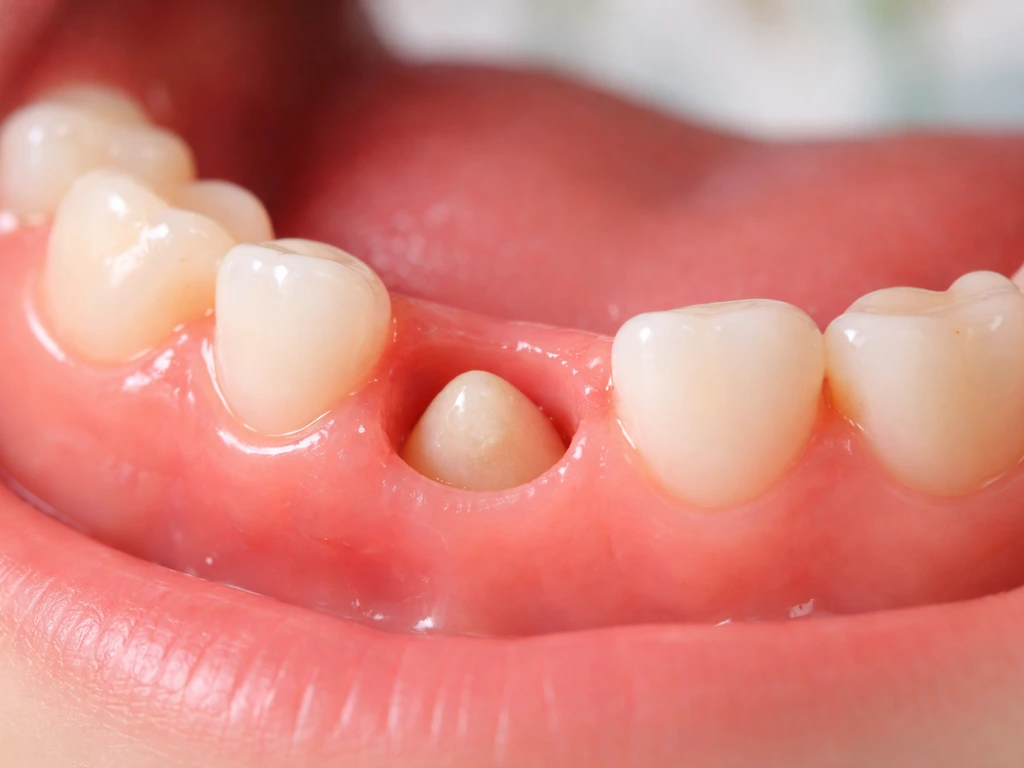
Do Milk Teeth Grow Back? Timelines, What to Do, Red Flags
Learn if milk teeth regrow, typical timelines for permanent teeth, what to do after loss or injury, and red flags.
Can Milk Teeth Grow Twice? Replacement vs True Regrowth
Can milk teeth grow twice? Learn why baby teeth usually only get replaced, not regrown, and what to do if one falls out
Why Do Teeth Only Grow Twice? Baby vs Permanent Explained
Why humans have only baby and permanent teeth: eruption timeline, limits of enamel regrowth, and common exceptions to kn