After age 20, the only teeth that can still naturally erupt are wisdom teeth, also called third molars. Every other permanent tooth in your mouth should already be in place. Wisdom teeth typically come in between ages 17 and 25, so if you're in your early 20s and feel something pushing through at the very back of your jaw, that's almost certainly what's happening. Beyond that narrow window, no new teeth are going to appear on their own.
Which Teeth Grow After Age 20? Late Eruptions and Myths

Marcus Holloway
29 May 2026
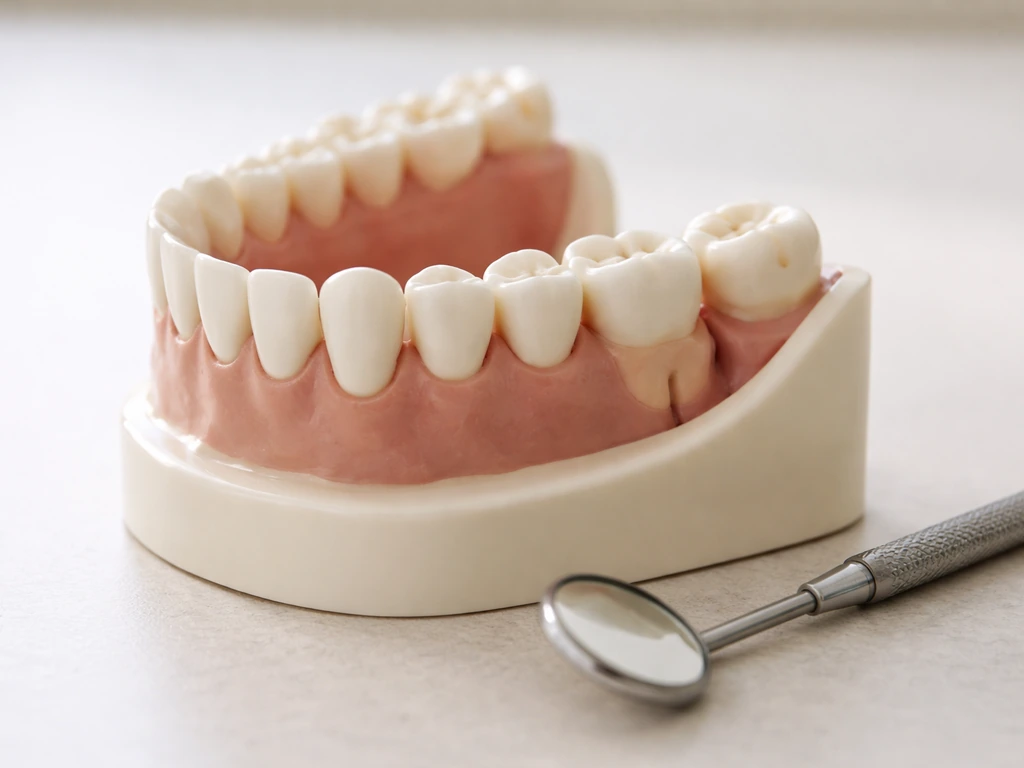
In other words, after 20 years, new tooth eruption is generally limited to wisdom teeth rather than true regrowth. And if you've lost or damaged a tooth, the hard truth is that the adult human mouth doesn't regenerate lost tooth structure. That's a biological limit, not a myth.
Teeth "growth" after 20: eruption vs. regrowth
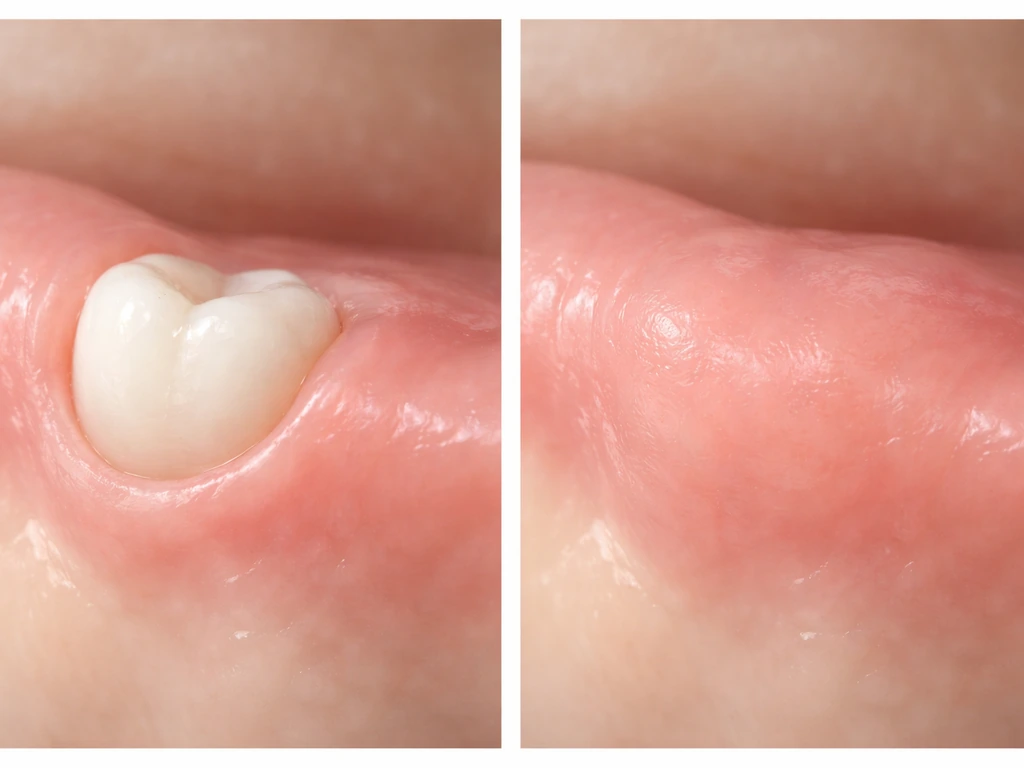
The word "grow" gets used loosely when it comes to teeth, and that creates a lot of confusion. There are actually two very different things people might mean: eruption (an already-formed tooth breaking through the gum and moving into position) and regrowth (new tooth structure forming where none exists). These are not the same thing, and understanding the difference matters a lot for setting realistic expectations.
Eruption is a normal developmental process. The tooth exists inside the jawbone and gradually works its way into the mouth. This can happen later than expected for various reasons, but the tooth itself was already there. Regrowth, on the other hand, would mean a tooth or tooth structure forming from scratch after it's been lost or destroyed.
In adult humans, that doesn't happen naturally. Enamel, the hard outer shell of your teeth, is the most non-regenerative tissue in the human body. It's acellular, meaning it contains no living cells once it's fully formed, so there's nothing there to trigger repair or replacement. Dentin and cementum have slightly more biological potential, but even those are severely limited in their ability to rebuild after significant damage.
So when someone searches "which teeth grow after age 20," they're usually wondering one of two things: are any teeth still supposed to come in at this age, or can a damaged or missing tooth somehow come back? The honest answer to both is: wisdom teeth can still erupt in your 20s, and nothing else will regrow on its own.
Which teeth can still come in after 20
Third molars, the wisdom teeth, are the last teeth to erupt and are the only permanent teeth with a normal eruption window that extends into the early 20s. By the time most people hit their late teens, every other permanent tooth (incisors, canines, premolars, and first and second molars) has already erupted. Second molars, the ones right in front of wisdom teeth, typically come in around ages 11 to 13. So if you're 20 or older and feel a new tooth pushing through at the very back of your mouth, wisdom teeth are by far the most likely explanation.
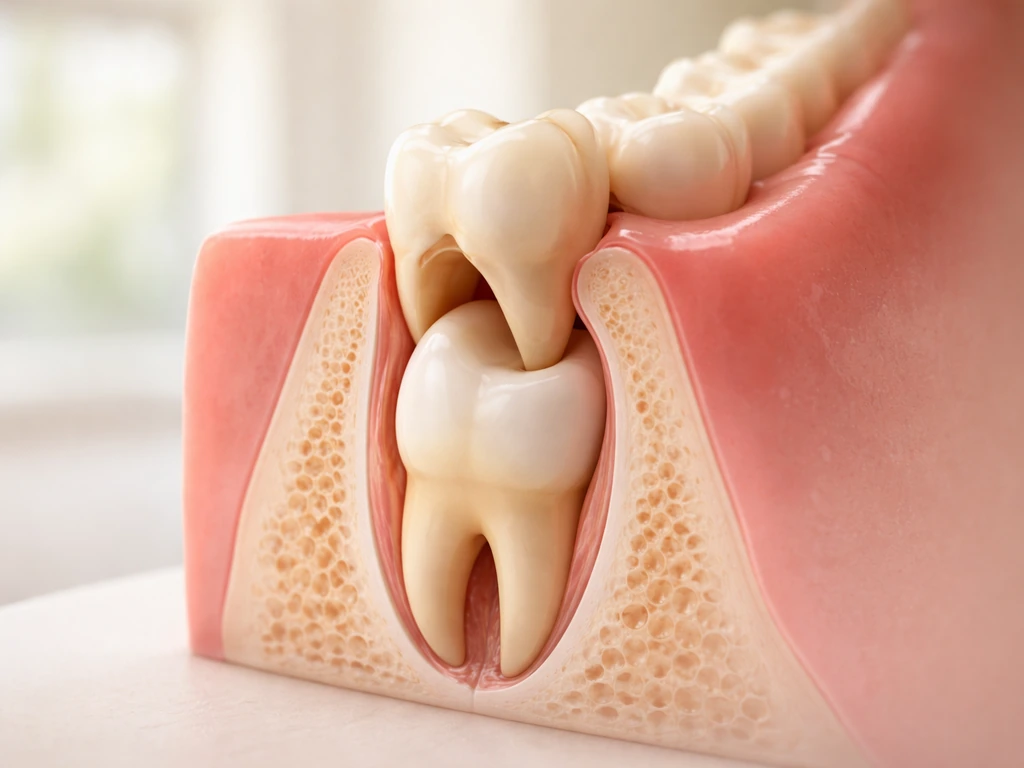
Most adults have four wisdom teeth, one in each corner of the mouth, though some people naturally have fewer, and a small percentage have none at all. Whether or not yours will erupt, and whether they'll erupt properly, depends on how much space your jaw has, the angle they're sitting at, and sometimes just genetics. Around 25 to 30 percent of people end up with wisdom teeth that don't fully erupt, becoming what's called impacted teeth.
Typical eruption timing and why it varies
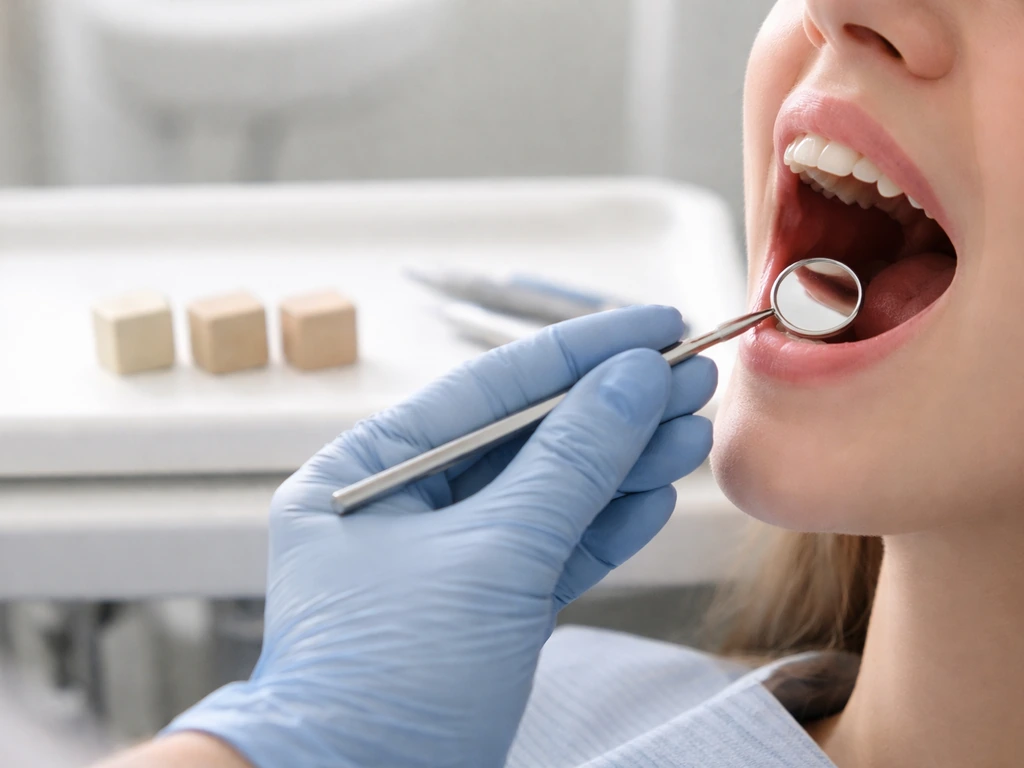
The standard eruption window for wisdom teeth is roughly 17 to 21 years old, though the American Association of Oral and Maxillofacial Surgeons describes the broader "age of wisdom" as spanning ages 17 to 25. That means it's completely normal to still have wisdom teeth coming in at 22, 23, or even a bit later. It's not a sign that something's wrong just because they're arriving late.
That said, eruption timing varies for real biological reasons. Jaw size plays a big role. If there isn't enough space for a wisdom tooth to come in straight, it may push at an angle against the neighboring molar, erupt only partway through the gum, or stay stuck in the bone entirely. Local barriers can also delay eruption, including thickened gum tissue, cysts, or the early loss of a nearby tooth that changed the surrounding structure. Sometimes there's no obvious reason at all and eruption is just slower in certain individuals.
| Tooth Type | Typical Eruption Age | Still erupting after 20? |
|---|---|---|
| Central incisors | 7–8 years | No |
| Lateral incisors | 8–9 years | No |
| Canines | 11–12 years | No |
| First premolars | 10–11 years | No |
| Second premolars | 10–12 years | No |
| First molars | 6–7 years | No |
| Second molars | 11–13 years | No |
| Third molars (wisdom teeth) | 17–25 years | Yes, commonly |
Signs you might have late-erupting teeth vs. a complication
Some discomfort at the back of the mouth in your late teens or early 20s is a normal part of wisdom tooth eruption. But there's a difference between normal eruption symptoms and signs of a problem. Knowing the difference can help you decide whether to monitor the situation or call a dentist sooner.
Normal eruption signs
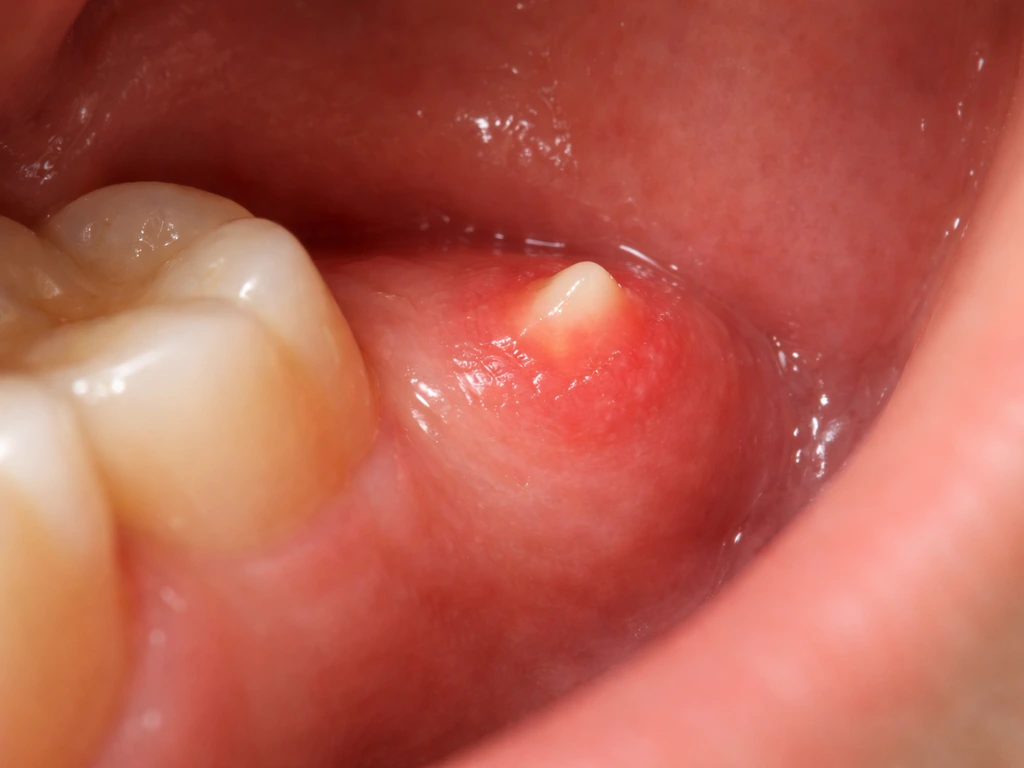
- Mild soreness or pressure at the very back of the upper or lower jaw
- Slight tenderness in the gum tissue where the tooth is emerging
- Feeling a hard surface starting to break through the gum
- Occasional mild headache or jaw achiness
Signs something may be wrong
Pericoronitis is one of the most common complications of partially erupted wisdom teeth. It's an infection of the gum tissue that surrounds a tooth that hasn't fully come in, and it can range from annoying to genuinely serious. Watch for these symptoms:
- Persistent bad taste or smell coming from the back of the mouth
- Pus or discharge around the area
- Significant pain that doesn't let up
- Difficulty opening your mouth fully (trismus)
- Swelling in the cheek or jaw area
- Swollen or tender lymph nodes under the jaw
- Fever
- Difficulty swallowing
Facial swelling, fever, and trouble swallowing are not things to wait out. These can indicate a spreading infection that needs prompt dental or medical attention. Even if you're not sure whether the problem is wisdom teeth, these symptoms warrant a same-day call to a dentist.
How dentists check what's going on and what to do next
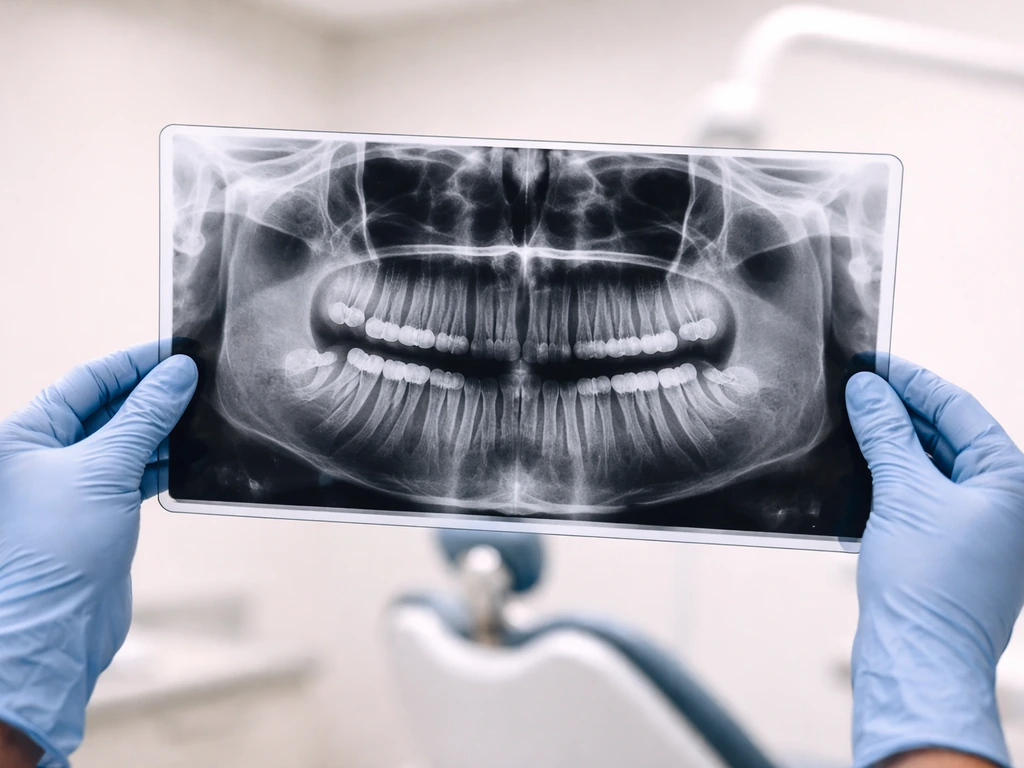
If you're in your 20s and experiencing back-of-mouth discomfort, or if you're simply not sure whether your wisdom teeth have come in, a dentist can give you a clear answer relatively quickly. The process usually starts with a clinical exam to see how much of the tooth, if any, has erupted and whether the gum tissue looks healthy. From there, imaging fills in the picture the naked eye can't see.
A panoramic X-ray, which gives a wide view of all your teeth and both jaws in a single image, is the standard first step. It shows whether wisdom teeth are present, how they're angled, how close they are to nerves, and whether they have enough room to come in. A panoramic X-ray can also reveal an impacted tooth that has zero visible signs above the gumline.
In more complex cases where a tooth is close to a major nerve or 3D detail is needed for surgical planning, a CBCT (cone beam CT) scan may be ordered. For most routine wisdom tooth assessments, panoramic radiography is enough. One study used panoramic radiographs to assess the clinical eruption stage of mandibular third molars, noting that radiographic depth and inclination can help predict the eruption stage [panoramic radiography is enough](https://pmc. ncbi.
nlm. nih. gov/articles/PMC11302395/).
Once the dentist knows what's happening, the conversation usually leads to one of two paths: monitor or remove. The AAOMS recommends regular X-ray monitoring for wisdom teeth that are retained (kept in place) to track for any developing problems over time. Removal is typically discussed when teeth are impacted, causing recurrent infections, crowding other teeth, or showing signs of associated cysts or decay. There's no universal right answer; the decision depends on your specific anatomy and symptoms.
Can teeth, enamel, or gums grow back after damage?
This is where it's worth being straightforward, because there's a lot of wishful thinking floating around online. Once a permanent tooth is gone or significantly damaged, the human body cannot rebuild it naturally. Here's how each tissue breaks down:
Enamel
Enamel is the hardest tissue in the human body and also the least capable of healing. It's fully acellular once formed, meaning there are no living cells left in it to trigger any kind of repair. If enamel is chipped, cracked, or eroded, it cannot grow back. The one partial exception worth knowing about: in very early-stage decay, where enamel has lost some minerals but hasn't physically broken down yet, remineralization with fluoride can partially reverse that mineral loss. But that's not regrowth of enamel; it's reinforcing what's still there.
Dentin
Dentin sits beneath enamel and does contain living cells (odontoblasts in the pulp). When dentin is injured, the body can sometimes produce what's called reparative or tertiary dentin as a defensive response. This can wall off damage near the pulp to a degree. It's a real biological mechanism, but it's not the same as rebuilding lost tooth structure. The pulp has to be healthy enough to mount that response, and the "reparative dentin" produced is limited in scope. Research into tissue engineering and pulp stem cells shows some preclinical promise for more substantial dentin regeneration, but that is investigational and not a treatment available to patients today.
Gums and cementum
Gum tissue can heal from minor injuries and can sometimes partially regrow after treatment for gum disease, but significant gum recession doesn't reverse on its own once it's happened. Cementum, the layer that anchors tooth roots to the jaw, has some limited remodeling capacity but does not meaningfully regenerate after disease-related destruction.
What about entire missing teeth?
A lost adult tooth is gone. The socket heals over, but no new tooth develops to fill it. This is a fundamental feature of human biology: unlike some animals, humans are diphyodonts, meaning we get exactly two sets of teeth (baby and adult) and that's it. Replacing a lost adult tooth requires a dental implant, bridge, or partial denture. The related question of whether teeth can grow back at or after age 20 is something the sibling topics on this site explore in more detail, but the short answer is no, with the single exception of wisdom teeth that were already developing and simply haven't erupted yet.
If you're over 20 and something is happening in the back of your mouth, odds are good it's a wisdom tooth making its move. Get a panoramic X-ray, have the conversation with your dentist about whether to monitor or remove, and don't let it linger if you're in pain. What you shouldn't expect is a lost or damaged tooth rebuilding itself. Wisdom teeth are the teeth most people mean when they ask whether do teeth grow after 25. That's not how adult teeth work, and no supplement, oil-pulling routine, or internet remedy changes the underlying biology.
FAQ
If I’m over 20 and I feel a tooth growing, is it always wisdom teeth?
Usually no. If you feel “something coming in” after 20, it is almost always an already-developing third molar working its way forward, rather than a new tooth forming from scratch. If the sensation is in a different location (for example, along the side or front), it can be gum inflammation, an erupting extra tooth (rare), a cavity/abscess, or irritation from clenching, and it still needs an exam.
What if my wisdom teeth erupt later than the usual ages, is that normal?
Some wisdom teeth can keep erupting past the usual window, but the key is whether a tooth is actually present and positioned to erupt. A dentist can confirm with a panoramic X-ray, which also shows whether the tooth is likely to come in partially, get stuck (impacted), or be adjacent to nerves, so “late” still needs imaging rather than guesswork.
Can wisdom-tooth pain happen even if nothing looks like it’s coming in?
Not always. A tooth can start erupting and still become partially covered by gum, which increases risk for food trapping and infection (pericoronitis). Another possibility is gum overgrowth from irritation, or even a non-tooth source of pain. If you have recurrent flare-ups, bad taste, swelling, or pain that returns after it improves, ask about the eruption status and whether the gum needs targeted treatment.
If my tooth enamel is worn or chipped after 20, can it regrow with fluoride or home remedies?
Yes, but it matters how you define “regrow.” Enamel, once physically broken down, cannot regrow. Mild early damage can sometimes be reversed with fluoride by strengthening existing mineral, but that is not the same as rebuilding a missing chip or a fully lost tooth. If a tooth is chipped, decayed, or worn through, the right fix is typically restorative treatment (bonding, crown, filling) plus prevention.
If I lost an adult tooth, can any tooth later move into the empty space and replace it naturally?
If a tooth is lost due to extraction, trauma, or severe decay, the socket heals but no replacement tooth erupts into it. The adult “replacement” options are dental implants, bridges, or partial dentures. Timing can matter, for example, implants generally require adequate healing and bone support, so ask your dentist about when you can start the process.
Can wisdom teeth cause other teeth to shift even after age 20?
It can, especially when there is limited space and a partially erupted wisdom tooth is pushing or when nearby teeth are already crowded. However, many cases of adult crowding come from orthodontic or jaw size factors, not new eruption. A dentist or orthodontist can determine whether the change is from a wisdom tooth, tooth angulation, gum issues, or bite forces using exam and imaging.
When is monitoring vs removal for wisdom teeth the better choice?
Watchful waiting is reasonable for certain asymptomatic or low-risk wisdom teeth, but “monitoring” usually means scheduled reassessments, not ignoring symptoms for years. If you have repeated pain episodes, swelling, difficulty chewing, or gum inflammation near the back teeth, the threshold to remove is usually lower. Your decision should factor in your imaging findings, nerve proximity, and your ability to clean that area.
What symptoms mean I should call a dentist urgently, not just monitor?
Same-day or urgent evaluation is warranted if you have facial swelling, fever, trouble swallowing, spreading redness, or you feel systemically unwell. These can signal a spreading infection that should not be delayed. If symptoms are mild but persistent (several days), arrange an appointment soon, because partially erupted wisdom teeth can deteriorate quickly.
Do I always need a CBCT scan to evaluate late-erupting wisdom teeth?
A panoramic X-ray is a common first step, but if you need detailed nerve or surgical planning, a CBCT can show 3D relationships more clearly. CBCT is not always necessary, and your dentist decides based on factors like nerve proximity, difficult angulation, or when a prior panoramic image is inconclusive.
If my wisdom teeth are impacted, how do I know whether I should watch them or treat them now?
In many people, wisdom teeth either never fully erupt, erupt partially, or erupt in a way that increases cleaning difficulty. Your “risk” is influenced by jaw space, tooth angulation, and whether you have episodes of inflammation. If you already know you have impacted or partially erupted wisdom teeth, ask for a specific risk plan (how often to re-image, what symptoms should trigger an earlier visit).
Next Articles
Can Teeth Grow at Age 20? What Is Possible
Can teeth grow at age 20? Learn what’s possible, why true regrowth usually isn’t, and care options.
Do Milk Teeth Grow Back? Timelines, What to Do, Red Flags
Learn if milk teeth regrow, typical timelines for permanent teeth, what to do after loss or injury, and red flags.
Can Milk Teeth Grow Twice? Replacement vs True Regrowth
Can milk teeth grow twice? Learn why baby teeth usually only get replaced, not regrown, and what to do if one falls out