Once you're past your early teens, you cannot naturally grow a completely new tooth. For true, whole-tooth regrowth after 20, the body does not have the biological capability on its own grow a completely new tooth. That's the hard biological truth. After your adult (permanent) teeth come in, the specialized cells responsible for building tooth structure are either gone or no longer capable of producing a whole new tooth from scratch. That said, "growing teeth after 20" means different things to different people, and depending on what you're actually dealing with (damaged enamel, a lost tooth, a late-erupting wisdom tooth, or a gap from extraction), your options and outlook vary quite a bit.
Is It Possible to Grow Teeth After 20? What’s Real

Marcus Holloway
6 Jun 2026
What "grow teeth" really means after 20
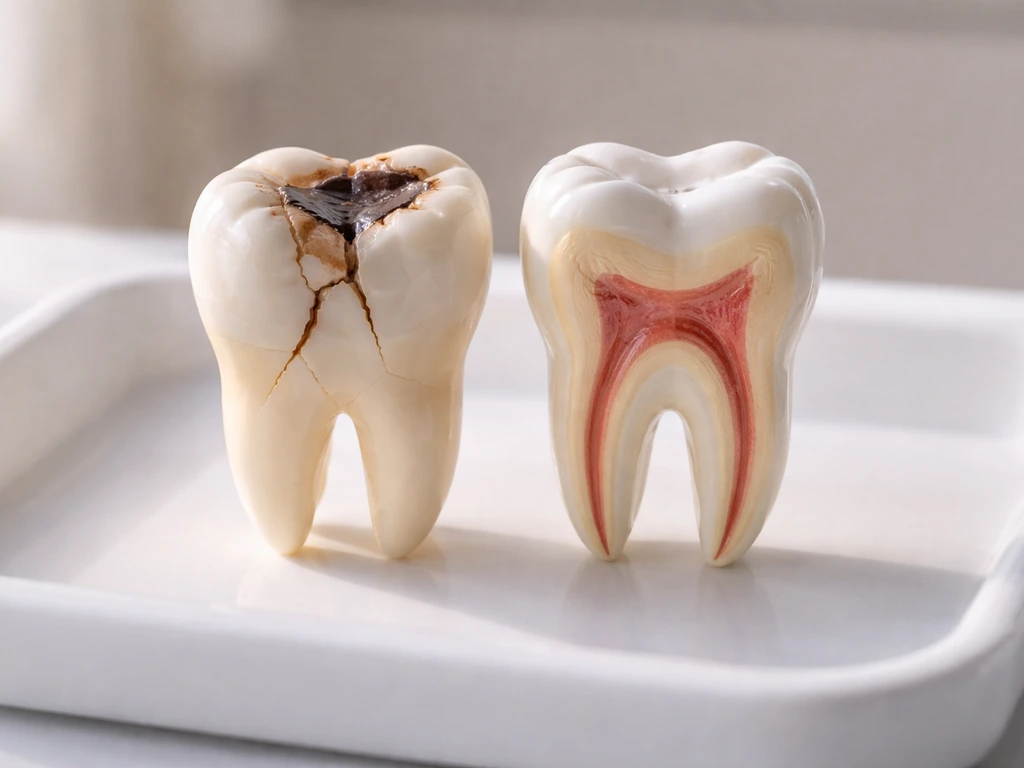
When people search for tooth regrowth after 20, they're usually in one of a few situations: a tooth is badly decayed or cracked and they're hoping it can somehow repair itself, a tooth has been lost and they want to know if something new can fill that space naturally, or they've heard about stem cell research and wonder if that's a real option today. Sometimes people are also just late bloomers wondering if a wisdom tooth or other tooth could still be forming in their jaw. All of these are valid questions, but they need different answers.
True tooth regrowth means producing a brand new, fully functional tooth from the ground up, including enamel, dentin, pulp, and roots, through your body's own biology. That is not something adults can do on their own. What can happen is more limited: certain layers of tooth structure can partially repair themselves under the right conditions, and gum tissue has some real healing ability. But a whole tooth? That's not in your body's current toolbox after development is complete.
Why natural tooth regrowth is limited in adults
Teeth are built during a very specific developmental window. Each tooth forms from specialized cells: ameloblasts produce enamel, and odontoblasts produce dentin. Here's the critical part: ameloblasts die off once a tooth erupts. They do their job, the tooth emerges into your mouth, and then they're gone. Since enamel can only be made by ameloblasts, and those cells no longer exist in your mouth after eruption, your body has no way to produce new enamel. None. This is why enamel erosion is permanent and why your dentist pushes fluoride so hard, once enamel is gone, it does not come back naturally.
Odontoblasts, the dentin-producing cells, do survive inside the pulp of your tooth and continue working throughout your life. When a tooth is injured or decayed, these cells can respond by laying down what's called tertiary dentin, a kind of defensive barrier to protect the pulp from further damage. This is a genuine biological response, but it's repair, not regeneration. It's more like scar tissue than a full rebuild. And it certainly doesn't replace a tooth that's already been lost. The fundamental issue is that tooth formation is a one-time developmental event. Your body has no standing instructions to start that process over again in adulthood.
What can regrow vs. what can't

It's not all bad news. Some dental tissues do have real regenerative or repair capacity, just not the ones most people wish would work. Here's a clear breakdown:
| Dental Structure | Can It Regenerate? | What Actually Happens |
|---|---|---|
| Enamel | No | Ameloblasts are gone after eruption; enamel cannot be remade. Fluoride and mineral exposure can remineralize early surface damage but cannot rebuild lost enamel. |
| Dentin | Partially | Odontoblasts deposit tertiary dentin as a defensive response to injury or decay, but this is protective repair, not architectural regrowth. |
| Dental Pulp | Very limited | Minor pulp injuries can sometimes heal. Severe pulp damage typically requires root canal treatment or extraction. |
| Gum (Gingival) Tissue | Yes, partially | Gum tissue can heal after injury, surgery, or infection. Some lost gum tissue can be restored with grafts or guided tissue regeneration procedures. |
| Periodontal Ligament and Bone | Partially, with treatment | Some bone and ligament can regenerate with grafting procedures, but significant bone loss is not fully reversible without intervention. |
| Whole Tooth | No | Adults cannot grow a completely new tooth naturally. No biological mechanism exists for this after permanent teeth have formed. |
One thing worth clarifying: remineralization is not the same as regrowth. When you use a fluoride toothpaste or a remineralizing product, you're helping minerals like calcium and phosphate bond back onto the surface of softened enamel in the very early stages of a cavity. This can arrest or reverse a tiny, shallow lesion, which is genuinely useful. But if significant enamel has already been lost to erosion, acidic drinks, or a developed cavity, remineralization cannot rebuild it. That distinction matters a lot for managing expectations.
Late eruption vs. true regeneration: wisdom teeth and timing questions
There is one scenario where something genuinely new can appear in your mouth after age 20: late-erupting wisdom teeth. Wisdom teeth (third molars) typically emerge between ages 17 and 25, but it's not unusual for them to erupt in the early-to-mid 20s, or even later if they've been impacted and slowly working their way through. So if you feel something coming in at the back of your jaw at age 21 or 22, that's almost certainly a wisdom tooth doing exactly what it was always going to do, not your body spontaneously generating new teeth.
A related question that comes up, especially for people around age 20, is whether any other teeth might still develop or erupt late. For most people, all 32 permanent teeth (including wisdom teeth) have either erupted or are accounted for on an X-ray by their early 20s. There is no fourth set of teeth waiting in the wings. If you had teeth extracted for orthodontic treatment or other reasons, those spaces will not be filled in naturally by new teeth.
The body simply doesn't have that option after permanent dentition is complete. Related questions about which teeth specifically might still be developing around this age, or whether 20 is truly the cutoff for any kind of tooth growth, are worth exploring if you want to get into the developmental specifics. If you're wondering whether teeth grow after 25, the key takeaway is that natural regrowth of fully new teeth isn't possible once development is complete.
For people asking which teeth grow after the age of 20, the most common answer is timing and late eruption, not new tooth formation which teeth specifically might still be developing.
Modern replacement options for missing teeth after 20

Since natural regrowth isn't on the table, the real question becomes: what can actually replace a missing or severely damaged tooth? The good news is that modern dentistry has genuinely excellent options. Which one fits your situation depends on how many teeth are affected, the condition of your surrounding bone and gums, your age, your health, and your budget.
Dental implants
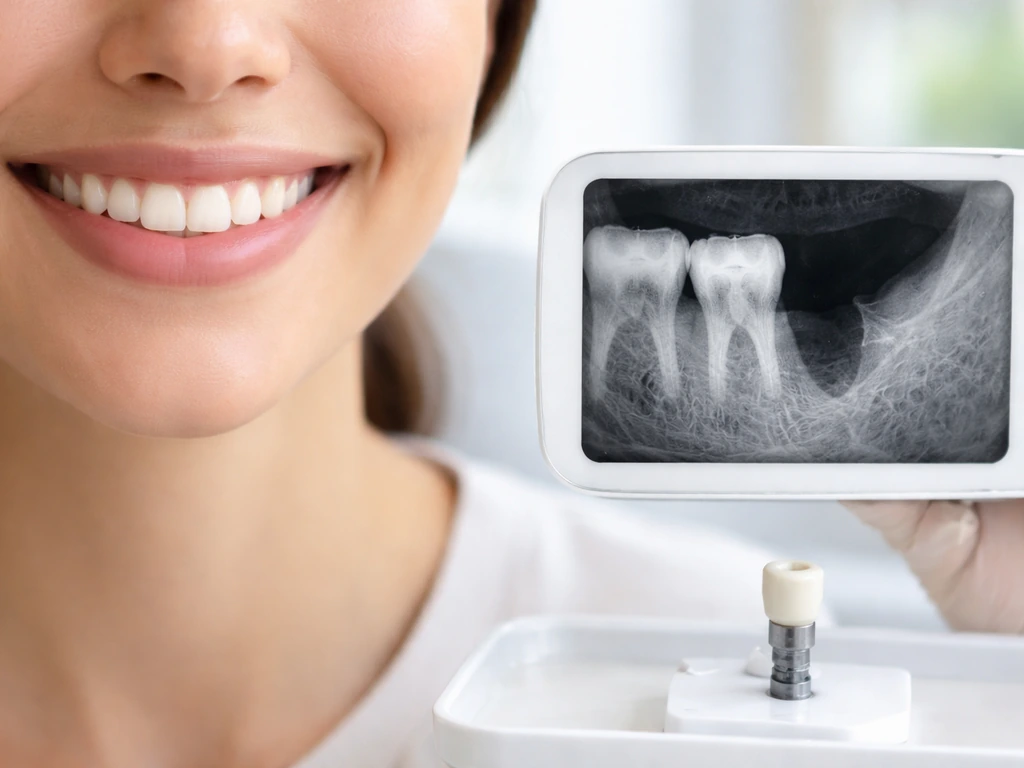
Implants are widely considered the gold standard for replacing a missing tooth. A titanium post is surgically placed into the jawbone, where it fuses with the bone over a few months (a process called osseointegration). A crown is then attached on top, giving you something that looks, feels, and functions almost exactly like a natural tooth. Implants can last decades with proper care. The main requirements are adequate bone density, healthy gums, and a jaw that has finished growing (which is why most dentists won't place implants in teenagers but will readily do so at 20 or older). Smoking, uncontrolled diabetes, and significant bone loss can complicate candidacy.
Bridges and crowns
A dental bridge spans a gap left by a missing tooth using the adjacent teeth as anchors. Those anchor teeth are crowned, and a false tooth (pontic) sits between them. Bridges are generally less expensive than implants and don't require surgery, but they do require permanently altering healthy neighboring teeth. For a single damaged but still-present tooth, a crown (a cap placed over the tooth) can restore function and appearance without extraction.
Dentures and partial dentures
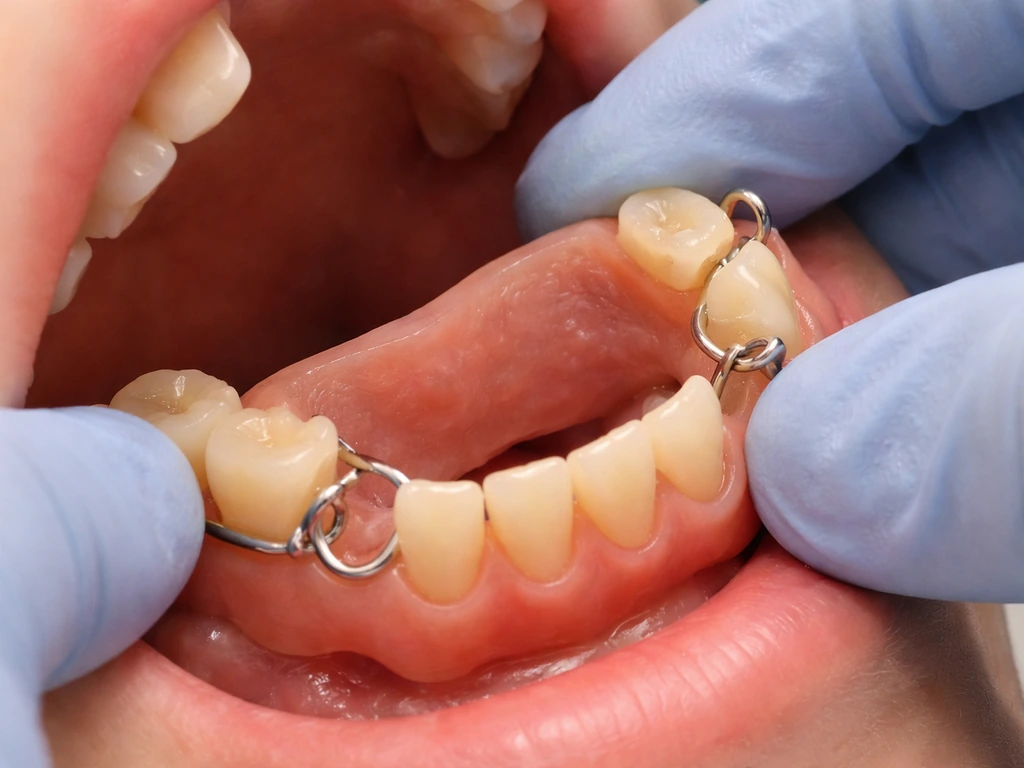
If multiple teeth are missing, partial dentures (removable appliances that clip onto remaining teeth) or full dentures can restore function and aesthetics. Modern dentures are far more comfortable and natural-looking than what your grandparents had. Implant-supported dentures combine the stability of implants with the coverage of dentures, making them a strong option for people missing most or all of their teeth.
Fillings and other restorations
If a tooth is damaged by decay but not yet lost, the treatment is usually a filling (for minor to moderate cavities), an inlay/onlay (for larger damage), or a crown (for extensively damaged teeth). These don't regrow the tooth structure, but they restore it to a functional state and prevent further deterioration. Root canal treatment can save a tooth that has infected or dead pulp, which is far preferable to extraction when possible.
When regenerative dentistry could help (and what's still experimental)
You may have seen headlines about scientists "growing teeth" in a lab or using stem cells to regenerate dental tissue. This research is real, and it's genuinely exciting, but it's important to calibrate your expectations about where things stand in 2026.
Researchers are actively working on several fronts. Stem cell-based approaches aim to coax dental pulp stem cells, or other stem cell types, into forming tooth-like structures. Bioengineered tooth buds have been implanted in animal models with some success. Scientists are also investigating small-molecule drugs that can stimulate dentin formation or re-activate dormant tooth-forming pathways. One area that has seen real clinical progress is guided bone regeneration (GBR) and guided tissue regeneration (GTR), where membrane barriers and bone graft materials help the body rebuild lost bone and periodontal ligament, improving conditions for implant placement.
However, growing a complete, functional human tooth from stem cells and successfully implanting it is not a clinical reality today. Trials are ongoing, but no procedure exists that you can walk into a dentist's office and get. If you encounter products or clinics claiming to "regrow your teeth naturally" using serums, supplements, or proprietary techniques, be skeptical. These claims are not supported by peer-reviewed clinical evidence. The science is moving forward, but it's a research horizon, not a current treatment.
How to get started today: evaluation, key questions, and next steps
If you're dealing with a missing, damaged, or worrying tooth right now, the most useful thing you can do is get a professional evaluation. Here's how to approach it practically.
Who to see first
- General dentist: Start here for most situations. They can assess decay, damaged teeth, early gum issues, and refer you appropriately.
- Periodontist: Needed if significant gum disease or bone loss is involved. They specialize in the structures supporting teeth and can perform gum grafts, bone grafts, and guided tissue regeneration.
- Oral surgeon: Required for extractions, implant placement, impacted wisdom teeth, or complex jaw situations.
- Prosthodontist: Specialist in tooth replacement and restoration, ideal for complex cases involving multiple missing teeth or implant-supported dentures.
What the evaluation should include
- Full-mouth X-rays or a cone beam CT scan (CBCT) to assess bone levels, remaining tooth roots, and any unerupted teeth
- Periodontal probing to measure gum pocket depth and assess bone loss
- Assessment of the cause of tooth loss or damage (decay, gum disease, trauma, or extraction), since this affects the treatment approach
- Timeline discussion: how long has the tooth been missing? Bone resorption begins within weeks of tooth loss and continues over months and years, which affects implant candidacy
- Medical history review: conditions like diabetes, osteoporosis, or medications like bisphosphonates can affect healing and treatment options
Key questions to ask your provider
- Am I a candidate for a dental implant, and if not, what's limiting that and can it be addressed (such as with a bone graft)?
- Is my existing tooth salvageable with a root canal and crown, or does it need to be extracted?
- How much bone have I lost since the tooth was removed, and does that change my options?
- What does the treatment timeline look like from start to finish, including healing time?
- What are the long-term maintenance requirements for each option?
- Are there any emerging treatments (like biologics or growth factors) being used in your practice that could benefit my case?
Timing matters more than most people realize
If you've recently lost a tooth or had one extracted, acting sooner rather than later genuinely improves your options. The jawbone starts resorbing within weeks of tooth loss because it no longer has a root to support. The longer you wait, the more bone you lose, which makes implant placement more complicated and may require bone grafting. Getting an evaluation within a few weeks of tooth loss is not an overreaction; it's strategic.
The bottom line: no supplement, oil, or tooth-regrowth product will grow you a new tooth after 20. Your body's dental development is done. But modern restorative and implant dentistry is genuinely impressive, and with the right evaluation, most people in their 20s and beyond have excellent options available to restore both function and appearance. The first step is simply getting in the chair and getting a clear picture of where things stand.
FAQ
If I have a cavity at 20, can the tooth repair itself without treatment?
Early lesions can sometimes be arrested or partially reversed with fluoride and remineralization, but a developed cavity (especially after you already feel pain, sensitivity to cold that lingers, or visible breakdown) usually requires a filling or another restorative approach. Waiting for “natural regrowth” increases the chance the decay reaches deeper layers, which can lead to a root canal or extraction.
Can I regrow enamel or reverse enamel erosion after age 20?
Enamel cannot be rebuilt once it is lost because the enamel-forming cells that create enamel during development no longer function after eruption. What you can do is slow further loss and strengthen remaining enamel through fluoride, desensitizing strategies, and changing acid exposures, but you generally cannot restore the missing enamel back to its original thickness.
If my tooth is cracked, is it still possible to save it and keep it from worsening?
Often yes, but it depends on the crack type and whether the pulp is involved. A dentist may recommend a crown, onlay, or other restoration to stabilize the tooth and protect the crack from saliva and bacteria. If the crack extends below the gumline or causes lingering pain to temperature, restoration options can change quickly, so evaluation matters.
What’s the difference between a tooth “missing” versus “pulled out,” and does timing affect implant options?
Timing matters most for bone volume. After a tooth is extracted, the jawbone can shrink because it no longer has a root to maintain it. If you are considering an implant, many clinicians prefer evaluation soon after extraction to determine whether you need bone grafting or whether a temporary solution is needed while you wait.
If I want an implant at 21 or 22, is my age a problem?
Most dentists wait until the jaw is no longer actively growing, which is typically why implants are generally delayed for teens and considered more feasible in the 20s. Even then, candidacy depends on bone density, gum health, and risk factors like smoking or uncontrolled diabetes, not just age. A CT scan and periodontal evaluation are key.
Can I get a dental bridge or crown if I’m missing only one tooth?
Often yes. A crown is for a damaged tooth that is still present, while a bridge is for a missing tooth and relies on adjacent teeth as anchors. If the neighboring teeth are already weak or have significant decay, your dentist may suggest implant-supported options instead.
Do stem cell or “grow your teeth” products work, even if they’re advertised for adults?
There is promising research, but there is no proven, routine clinical procedure that regenerates a complete new human tooth in everyday dental offices. Be skeptical of supplements, serums, or proprietary kits that claim whole-tooth regrowth, especially if they cannot provide details on peer-reviewed human clinical trials and clear, measurable outcomes.
If I had teeth removed for braces, will new teeth grow into the spaces later?
No. Extracted teeth are not replaced by naturally erupting new teeth in adults. If replacement is needed, it is typically done with orthodontics, bridges, or implants depending on your situation and bone support.
Could wisdom teeth be a sign that other new teeth might still erupt after 20?
Wisdom teeth are the most common late eruption, and most other permanent teeth have already erupted or been accounted for by early 20s on imaging. If you are worried about a different tooth changing, pain, or swelling, it is still worth an exam because symptoms could also come from infection, eruption complications, or gum issues rather than new tooth formation.
How do I know whether my tooth problem is “repairable” versus needing root canal or extraction?
The decision usually depends on symptoms and exam findings like depth of decay, x-ray appearance, pulp vitality testing, and how the tooth responds to temperature or biting. A tooth can look restorable one way on x-ray and behave differently based on pulp health, so insist on a full diagnostic workup rather than guessing based on how long it has hurt.
Next Articles
Do Teeth Grow After 25? What Actually Changes and Why
Know if teeth grow after 25, what can still erupt or shift, and what regrow is and is not possible
Which Teeth Grow After Age 20? Late Eruptions and Myths
Which teeth can erupt after 20, how wisdom teeth timing varies, and why true tooth regrowth is unlikely
Can Teeth Grow at Age 20? What Is Possible
Can teeth grow at age 20? Learn what’s possible, why true regrowth usually isn’t, and care options.