After age 20, no new permanent teeth will grow in to replace ones you have lost, and damaged tooth structure like enamel or dentin will not regenerate on its own. That is the straightforward biological reality. The one exception worth knowing: wisdom teeth (third molars) can still erupt anywhere from age 17 to 25, so if you are in your early twenties and feel something pushing through in the back of your mouth, that is completely normal tooth development, not regrowth. Everything else that feels like a tooth 'growing' after 20 has a different explanation, and understanding the difference will save you from a lot of confusion and potentially delayed dental care.
Will Teeth Grow After 20 Years? What’s Possible

Marcus Holloway
8 Jun 2026
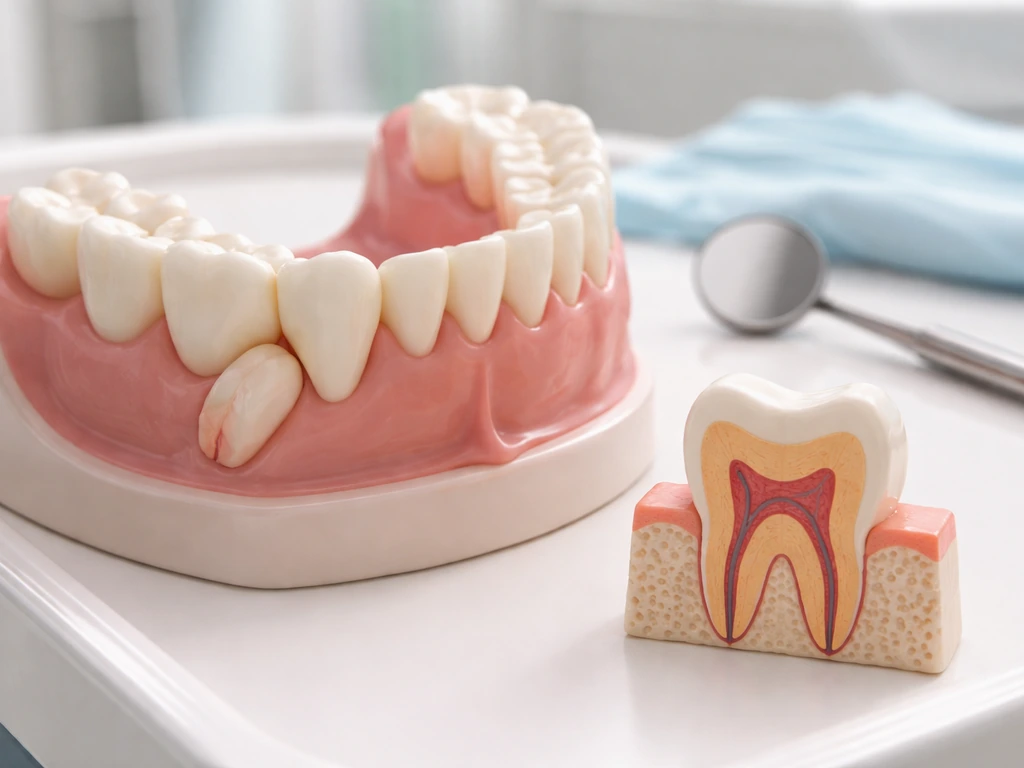
What 'teeth grow' actually means after age 20
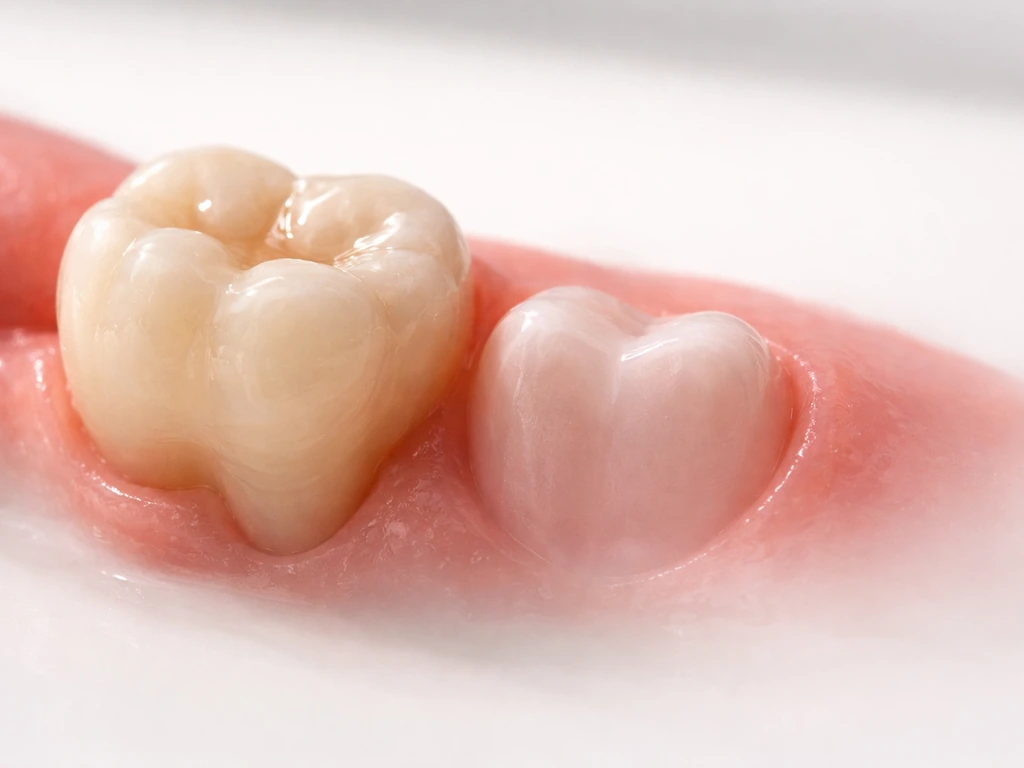
When people search for whether teeth grow after 20, they usually mean one of two very different things. The first is eruption, which is the process of a tooth physically moving through the gum and jawbone to reach its final position. This involves bone remodeling, tissue remodeling, and the periodontal ligament guiding the tooth along a pathway. That is a developmental process built into your biology from before you were born. The second meaning is regrowth or regeneration, the idea that a tooth or part of a tooth that was lost, broken, or worn down could repair or rebuild itself. These two things are not the same, and conflating them is where most of the confusion (and the internet myths) come from.
Eruption can still happen in your twenties. True regrowth, meaning a new tooth forming where a permanent one was lost, or enamel rebuilding itself after a cavity, does not happen in humans at any age. The permanent dentition you develop between roughly ages 6 and 25 is the only set you get, and once a tooth or its structures are damaged or gone, your body has no mechanism to replace them naturally.
What can still happen at 20 and beyond: wisdom teeth and late eruption
The most common reason someone in their early twenties feels a tooth 'coming in' is wisdom teeth. Third molars typically erupt between 17 and 25 years old, though the normal range has real variation. Some people see them appear at 17, others not until their mid-twenties, and a small number have wisdom teeth that never fully erupt at all. If you are 20 or 21 and feeling pressure or soreness at the very back of your jaw, there is a good chance a wisdom tooth is trying to make its appearance.
Beyond wisdom teeth, there is another phenomenon worth knowing about: continued or compensatory eruption. This is not new tooth growth, but it is real. When you lose a tooth, the opposing tooth that used to press against it can gradually drift or over-erupt because the normal contact forces are gone. Adult teeth can also continue subtle eruption movement throughout life in response to wear or shifting. Again, this is not regrowth of lost tissue. It is the existing tooth moving position, and it can actually create problems if it goes unchecked.
If you are wondering specifically which teeth might still show up after 20 or whether any permanent teeth erupt later than others, those are worth looking into more closely, because the answer depends heavily on individual development and genetics.
Can enamel, dentin, or pulp actually regrow? The hard limits
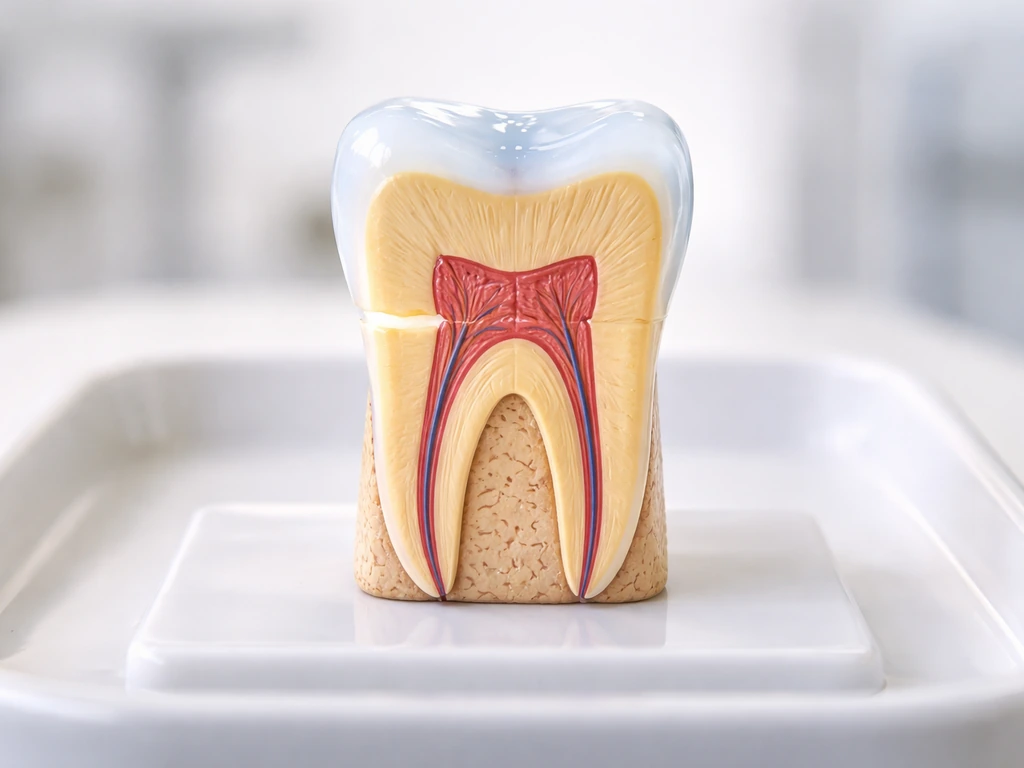
This is where the myth-busting really matters, because there is a lot of misleading content online about 'remineralizing' enamel or 'regrowing' teeth naturally. Here is what the biology actually says.
Enamel is the hardest substance in the human body, but it is produced by cells called ameloblasts that die off once a tooth finishes forming. After that, your body has no way to produce new enamel. You can slow enamel loss and even help it re-harden slightly in the early stages of a cavity through a process called remineralization, where minerals from saliva and fluoride help restore the crystal structure of early enamel lesions. But this is maintenance and protection, not regrowth. Once enamel is gone past that very early stage, it is gone permanently.
Dentin, the layer beneath enamel, has a slightly more nuanced story. The pulp (the living tissue at the center of a tooth) can produce a small amount of secondary or reparative dentin in response to injury or irritation. This is a real biological response, but it is limited in quantity and quality. It does not meaningfully repair large cavities or cracks, and it certainly does not restore a tooth that has been significantly damaged. Pulp itself, once infected or dead, does not regenerate. That is why root canals exist.
There is genuine scientific research into tooth regeneration, including lab work on stimulating stem cells to form new tooth structures, but as of today, none of these approaches are available as clinical treatments. The internet claims about oil pulling, certain supplements, or special diets regrowing enamel or teeth are not supported by evidence. They are folklore, not dentistry.
Missing, damaged, and broken teeth: what happens and what does not
If you lose a permanent tooth after age 20, whether from trauma, decay, or extraction, nothing will grow in its place. Your body will not form a new tooth. The gap will stay unless you choose a dental replacement option. The same applies to a tooth with a large cavity: the decay destroys enamel and dentin that your body cannot replace, which is why fillings exist.
Cracked or broken teeth are similar. A crack does not heal the way a broken bone eventually can. The tooth may remain functional if the crack is small and protected, but the crack itself does not fuse back together. If a crack reaches the pulp, it often requires a root canal and crown to save the tooth. If it reaches below the gumline, extraction may be the only option.
Gum recession is another area where people hope for natural recovery. Gum tissue can heal after irritation or infection is resolved, and mild recession can stabilize with better oral hygiene. But significant recession, where the gumline has moved noticeably down the root surface, does not grow back on its own. The attachment is lost permanently without a graft procedure. This matters because exposed root surfaces are softer than enamel and much more vulnerable to decay and sensitivity.
When to stop waiting and see a dentist
Some dental issues can sit for a little while before becoming urgent. Others cannot. Knowing the difference matters.
Go to a dentist promptly (same day or emergency care) if you notice any of the following: Go to a dentist promptly if toothache is accompanied by warning signs such as fever and drainage of pus, since these can suggest a spreading infection; if there are no warning signs, delayed care is usually not harmful.
- Swelling in your jaw, cheek, or neck alongside tooth pain, especially if it affects your ability to breathe, swallow, or open your mouth
- Fever combined with toothache or gum pain, which can signal a spreading infection
- Pus draining from around a tooth or from the gum
- Tooth pain that is severe, constant, or wakes you from sleep
- A tooth that was knocked out or severely cracked from trauma (time is critical for knocked-out teeth)
Swelling that affects your airway is a dental emergency. The NHS is explicit about this: if swelling in your mouth or neck makes breathing or swallowing difficult, get emergency help immediately. A dental infection that spreads into the neck or jaw can become life-threatening quickly.
If you have mild sensitivity, a small visible cavity, or a loose crown that is not causing major pain, a regular appointment within a few days to a week is usually fine. But do not wait for months hoping the issue resolves on its own, because cavities grow, infections spread, and small cracks become big ones.
Practical ways to restore what will not grow back
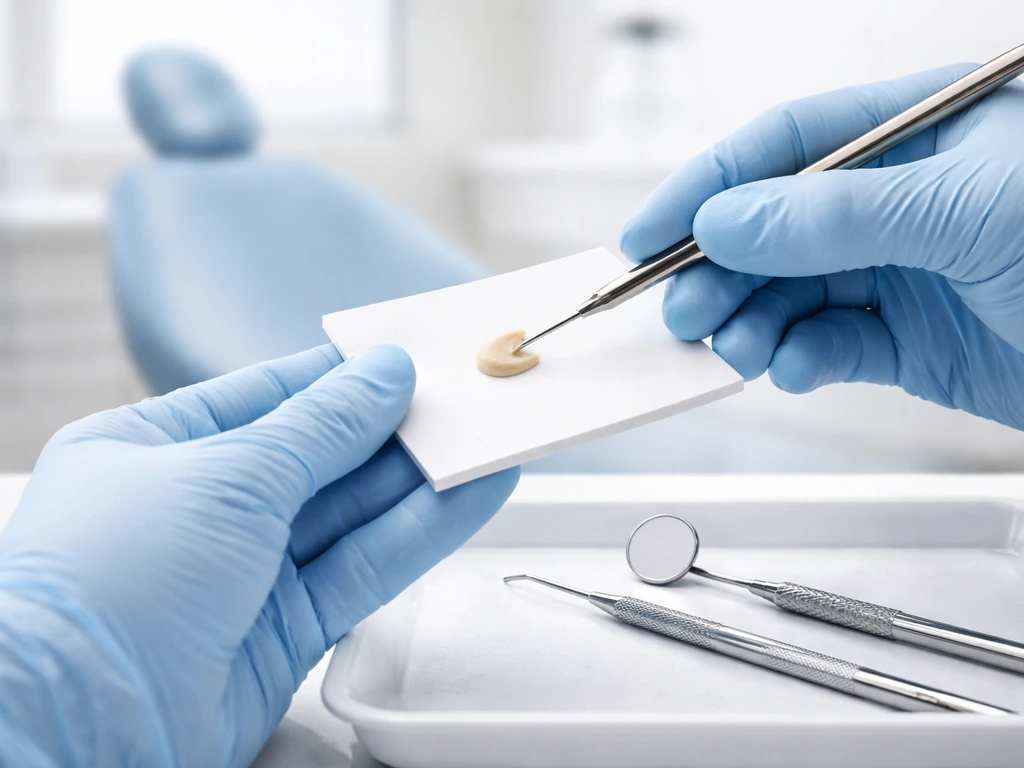
Since natural regrowth is not on the table for adults, here is what modern dentistry actually offers to replace or repair lost tooth structure:
| Problem | Treatment Option(s) | What It Does |
|---|---|---|
| Small cavity (enamel/dentin loss) | Composite or amalgam filling | Fills the space left by decay to restore shape and function |
| Large cavity or broken tooth | Crown (cap) | Covers the entire tooth to protect and restore it |
| Severely decayed or cracked tooth with pulp involvement | Root canal + crown | Removes infected pulp, seals the tooth, then crowns it |
| Missing tooth (single) | Dental implant or bridge | Implant replaces root and crown; bridge anchors to adjacent teeth |
| Multiple missing teeth | Partial or full denture, implant-supported denture | Removable or fixed replacement for several or all teeth |
| Surface staining, minor chips, or worn enamel | Veneers or dental bonding | Thin porcelain or resin layer covers the front surface |
| Gum recession | Gum graft | Transplants tissue to cover exposed root surfaces |
| Misaligned teeth after loss or shifting | Orthodontics (braces or aligners) | Moves teeth into correct positions |
Implants are generally considered the gold standard for replacing a missing tooth because they replicate both the root and the crown, preserve jawbone, and do not require altering adjacent teeth. However, they require surgery and adequate bone density, and they cost significantly more than bridges or dentures. Your dentist can help you figure out which option makes sense for your specific situation, budget, and bone health.
How to protect what you still have
Because nothing you lose after age 20 grows back on its own, protecting the enamel, dentin, and gum tissue you currently have is the most important thing you can do. Prevention is genuinely more effective (and cheaper) than any restoration.
- Brush twice daily with a fluoride toothpaste: fluoride actively supports remineralization of early enamel lesions and strengthens the enamel surface
- Floss once daily to remove plaque from between teeth and along the gumline, where decay and gum disease begin
- Limit acidic drinks like soda, citrus juice, and sports drinks, which directly erode enamel over time
- Wear a night guard if you grind your teeth: bruxism wears enamel faster than almost anything else and cannot be undone once the enamel is gone
- Do not use your teeth as tools: opening packages, cracking nuts, or biting nails all risk chipping or cracking
- See a dentist for a cleaning and check-up at least once a year, ideally every six months: catching small problems early is far less invasive and less expensive than treating advanced decay or gum disease
- Stay hydrated and manage dry mouth if it is an issue: saliva is your mouth's natural defense, and low saliva flow dramatically increases decay risk
If you are in your twenties and still waiting on wisdom teeth, ask your dentist to monitor them at each visit. Many people need them removed to prevent crowding, infection, or damage to neighboring teeth, and the recovery is generally easier in your twenties than later in life. Whether your wisdom teeth erupt fully, partially, or not at all, staying ahead of any complications is always the right move.
The bottom line is this: teeth do not grow back after 20 in any meaningful way. Wisdom teeth can still erupt in early adulthood, and there are subtle ongoing eruption movements that happen throughout life, but these are not new teeth forming. Once a permanent tooth is lost or its structure is damaged beyond the very earliest stages, you need a dentist, not a waiting period. The good news is that modern dental treatments can restore function and appearance extremely well. The earlier you act on any problem, the more options you have.
FAQ
If a tooth looks like it is “growing” in after I turned 20, could it still be something other than wisdom teeth or movement?
Yes. Sometimes the “growth” is actually a tooth shifting as neighboring teeth drift, a partially erupted wisdom tooth that is clearing the gum, or tissue swelling around an erupting cusp. A dentist can tell the difference by examining the gum tissue and taking an X-ray to see whether any new tooth structure is actually emerging.
Can cavities heal on their own, or will early tooth damage remineralize after 20?
Early-stage enamel changes can sometimes stabilize or even partially remineralize with good fluoride exposure, but this only applies to very early lesions. Once a cavity has progressed through enamel into dentin, it will not reverse naturally, and the tooth typically needs a filling to stop further breakdown.
Is it possible for the gumline to “grow back” if I have recession in my twenties?
Mild recession may improve slightly after inflammation is controlled, but true repositioning of the gumline down to expose more root surface does not regrow on its own. If recession is significant, a gum graft is often the only way to restore the lost attachment and reduce ongoing sensitivity and decay risk.
Why does a tooth replacement gap not “close” by itself after extraction or loss?
A gap can partially change over time due to tooth movement, but it is unpredictable and may create spacing issues, bite changes, or crowding elsewhere. Also, bone resorption can occur in the missing-tooth area, which can affect whether an implant is possible later.
If my wisdom tooth hasn’t fully erupted, should I still get it checked at age 20 to 25?
Yes. Partially erupted wisdom teeth can trap food and bacteria, leading to pericoronitis (recurrent gum inflammation) even before they fully clear the gum. Regular monitoring helps decide whether removal is preventive, especially if it is pushing on neighboring teeth or causing repeated pain.
How can I tell the difference between sensitivity from recession and a cavity or crack?
Recession-related sensitivity often feels sharp with cold or brushing and typically appears at the root near the gumline. Cavities may cause lingering sensitivity, stickiness to certain foods, or visible dark spots, while cracks can cause pain when biting that may come and go. An exam plus bitewing or other X-rays usually clarifies which problem is responsible.
If a crack is small, will it usually be fine to leave it alone?
Not always. Small cracks can worsen over time under bite forces, and some cracks do not show their full extent on the surface. If the crack is suspected, dentists often recommend protective steps like bonding or a crown, and they may use specific imaging or tests to assess whether the crack reaches the pulp.
Can I wait a week for a tooth problem to “settle down,” or should I seek care immediately?
If there is swelling, fever, spreading pain, trouble swallowing, or difficulty breathing, treat it as urgent. For non-emergency issues, waiting a few days may be reasonable only if symptoms are mild and stable, but persistent pain, worsening sensitivity, or symptoms after losing a filling or crown should not wait weeks.
What should I ask about implant eligibility if I lost a tooth after 20?
Ask whether you have sufficient bone volume for implant placement, whether a bone graft or sinus/bone augmentation might be needed, and how adjacent teeth will be protected. Also ask about healing timelines and the contingency plan if the implant cannot be placed immediately.
Do “natural tooth regrowth” claims like oil pulling or supplements have any role at all?
They may help with habits like reducing plaque, but they do not rebuild missing enamel or generate a new permanent tooth. The safest approach is to treat them as optional hygiene adjuncts only, while relying on evidence-based care for cavities, cracks, gum recession, and missing teeth.
Next Articles
Is It Possible to Grow Teeth After 20? What’s Real
Learn if teeth can regrow after 20, what’s possible today, and realistic replacement options and next steps.
Do Teeth Grow After 25? What Actually Changes and Why
Know if teeth grow after 25, what can still erupt or shift, and what regrow is and is not possible
Which Teeth Grow After Age 20? Late Eruptions and Myths
Which teeth can erupt after 20, how wisdom teeth timing varies, and why true tooth regrowth is unlikely