
Tooth pulp cannot grow back on its own once it is seriously damaged or dead. That is the straightforward biological reality. The pulp, which is the soft tissue in the center of your tooth containing nerves, blood vessels, and connective tissue, has limited self-repair ability when damage is mild, but once it reaches full necrosis (death of the tissue) or irreversible inflammation, it does not regenerate naturally in adults.
Does Tooth Pulp Grow Back? What to Expect and Options

Marcus Holloway
17 Jun 2026
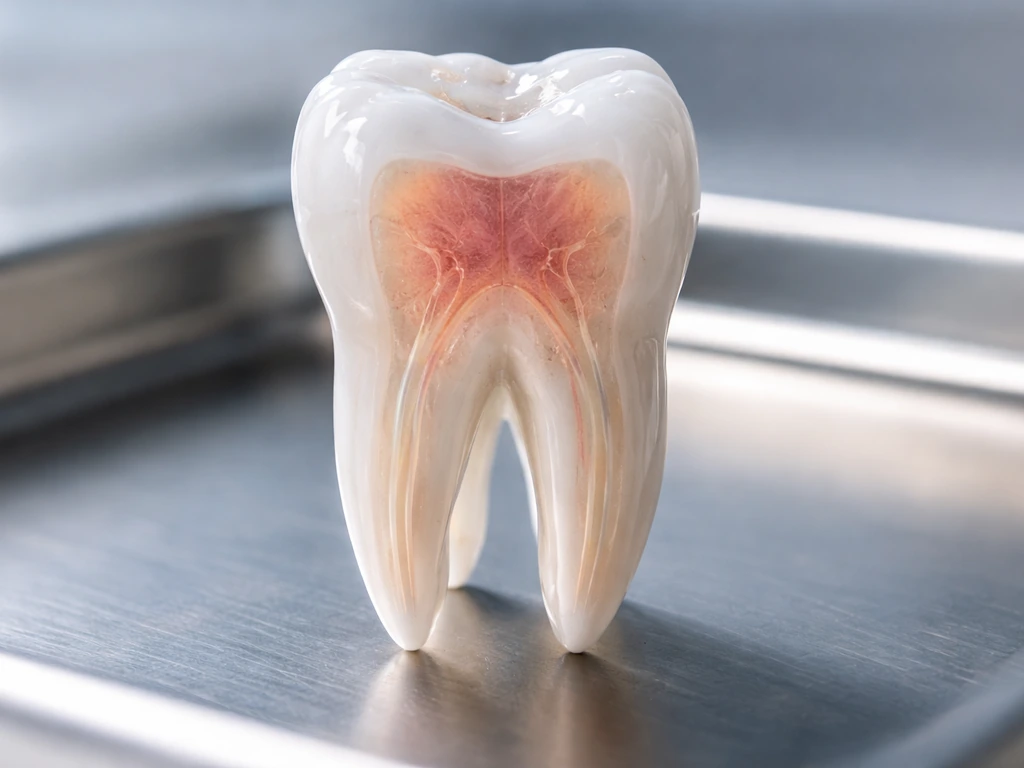
There is, however, a meaningful exception: certain immature permanent teeth in younger patients can be treated with regenerative procedures that encourage new tissue to form inside the root canal space. So the answer is not a flat no across the board, but for most adults with a badly damaged or infected pulp, the pulp is gone and the focus shifts to treatment, not regrowth.
If you are wondering whether your tooth grows back after a filling, it depends on how healthy the pulp is underneath and what caused the damage in the first place whether the pulp can regrow after a filling.
Can tooth pulp regrow: what's actually possible vs. what isn't
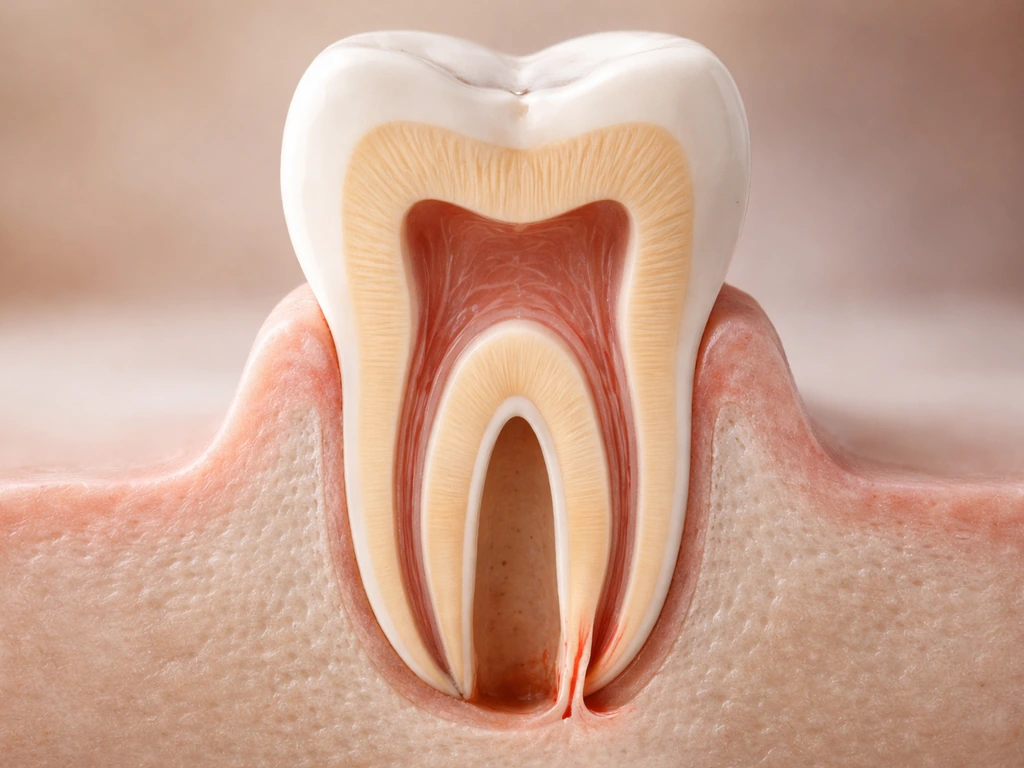
The pulp sits inside a hard, enclosed space with virtually no room to expand and limited blood supply coming in through a narrow opening at the tip of the root. When the pulp gets irritated by a shallow cavity or mild trauma, it can mount an inflammatory response and, in some cases, settle down if the irritant is removed early enough. That is reversible pulpitis, and it is the closest the pulp comes to "healing itself." But that window closes fast.
Once infection spreads deeper, the blood vessels get compressed, oxygen and nutrients stop reaching the tissue, and the pulp starts dying. That progression from reversible to irreversible pulpitis to pulp necrosis is a one-way street. The Merck Manual makes this clear: irreversible pulpitis does not heal without intervention, and pulp necrosis means the tissue is dead and cannot recover on its own. There is no known natural mechanism by which a fully necrotic pulp regenerates in a mature tooth.
The one genuinely exciting exception is regenerative endodontic procedures (REPs) for immature permanent teeth, which are covered in more detail below. These procedures do not exactly "regrow" pulp in the original sense, but they can encourage new tissue ingrowth, continued root development, and sometimes some degree of sensory return. For most adults and older teens with fully formed roots, however, that option is off the table.
What pulp damage looks and feels like, and how dentists confirm it
Pulp damage does not always announce itself loudly, which is part of what makes it tricky. In early stages you might notice lingering tooth sensitivity to cold or heat that sticks around for more than a few seconds after the stimulus is removed, that is a red flag for irreversible pulpitis. In Merck Manual Professional Edition, [irreversible pulpitis](https://www. merckmanuals.
com/home/mouth-and-dental-disorders/tooth-disorders/pulpitis) is described as pain that can persist after stimulus removal or become spontaneous, which reflects that the pulp is unlikely to recover without treatment. As things worsen, you may get spontaneous throbbing pain with no obvious trigger, a deep ache that wakes you up, or sharp pain when biting or tapping on the tooth. Once the pulp dies completely, the pain sometimes disappears temporarily, which people mistake for improvement. It is not.
A dead pulp that goes untreated typically progresses to an abscess, with swelling, pus, a bad taste, and sometimes a visible bump on the gum (called a sinus tract or fistula).
Dentists do not guess at pulp status. They use a combination of tests to build a picture. Cold tests (typically a refrigerant spray applied to the tooth) and heat tests check whether you feel sensation and, critically, whether the sensation lingers after the stimulus is removed. Electric pulp testing delivers a small current to see if the nerve responds. A necrotic pulp gives no response to any of these. Research comparing these tests shows that no single sensibility test is perfectly accurate on its own, so dentists typically combine findings from multiple tests with clinical history and imaging.
On the imaging side, standard periapical X-rays can reveal bone loss around the root tip (periapical pathology), which is a sign of infection spreading beyond the tooth. When there is any diagnostic ambiguity or suspicion of a more complex problem, cone-beam computed tomography (CBCT) gives a 3D view of the root structure and surrounding bone that a flat X-ray simply cannot provide. CBCT is particularly useful for detecting periapical lesions that flat X-rays miss, evaluating root fractures, or planning treatment in complicated anatomy.
Treatment options when pulp can't regrow
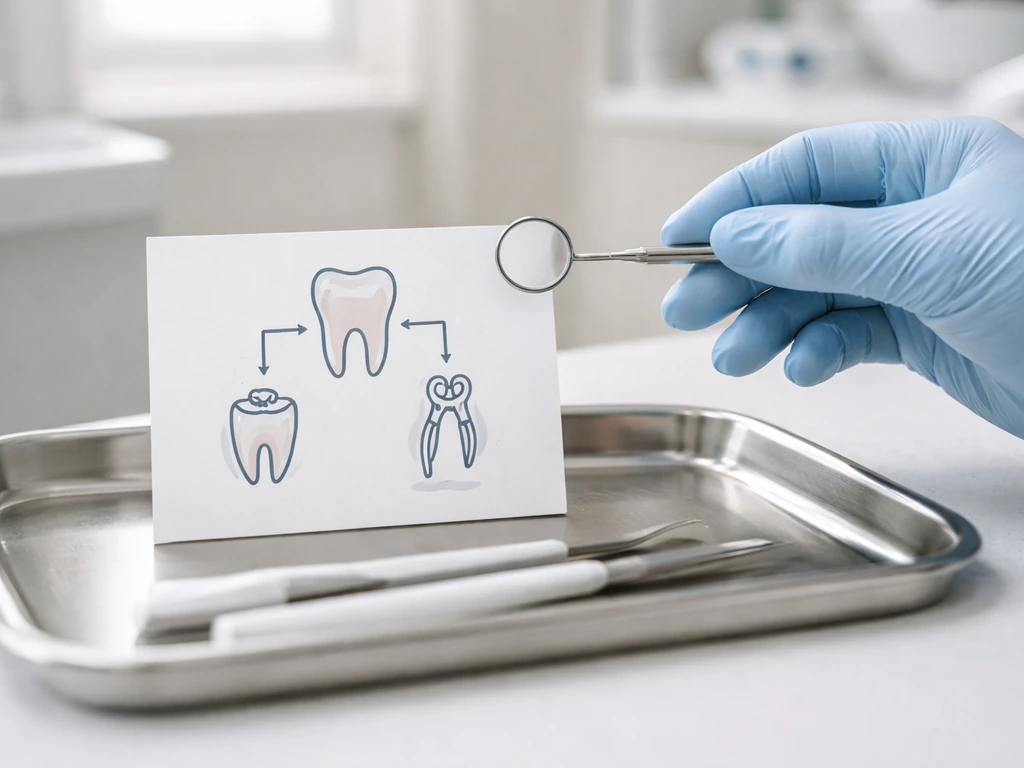
When the pulp is beyond the point of natural healing, the goal shifts to saving the tooth structurally and eliminating infection. There are several well-established approaches depending on how much damage has occurred.
Vital pulp therapy: keeping some life in the tooth
If the pulp is still alive but exposed or stressed, dentists have options that aim to preserve vitality rather than remove all the pulp tissue. Indirect pulp capping leaves a thin layer of softened dentin over the pulp (without exposing it directly) and seals the tooth, allowing the pulp to wall itself off. Direct pulp capping applies a biocompatible material directly to a small, cleanly exposed pulp.
Partial pulpotomy removes only the inflamed surface layer of pulp tissue, leaving the healthier pulp below intact. Of these, indirect pulp treatment generally has the highest long-term success rates. Direct pulp capping works best with small, uninfected exposures in teeth with reversible pulpitis, and research consistently shows that materials like MTA (mineral trioxide aggregate) and Biodentine outperform the older calcium hydroxide approach for direct pulp capping outcomes.
One thing worth knowing: a retrospective study found that long-term success rates can vary widely between direct and indirect pulp capping (roughly 24% vs. 94% in that dataset), which underscores why accurate case selection matters enormously. A dentist recommending a pulp cap is making a judgment call based on your specific situation, and that call needs to be accurate for the outcome to be good.
Root canal therapy: the standard solution for irreversible or necrotic pulp
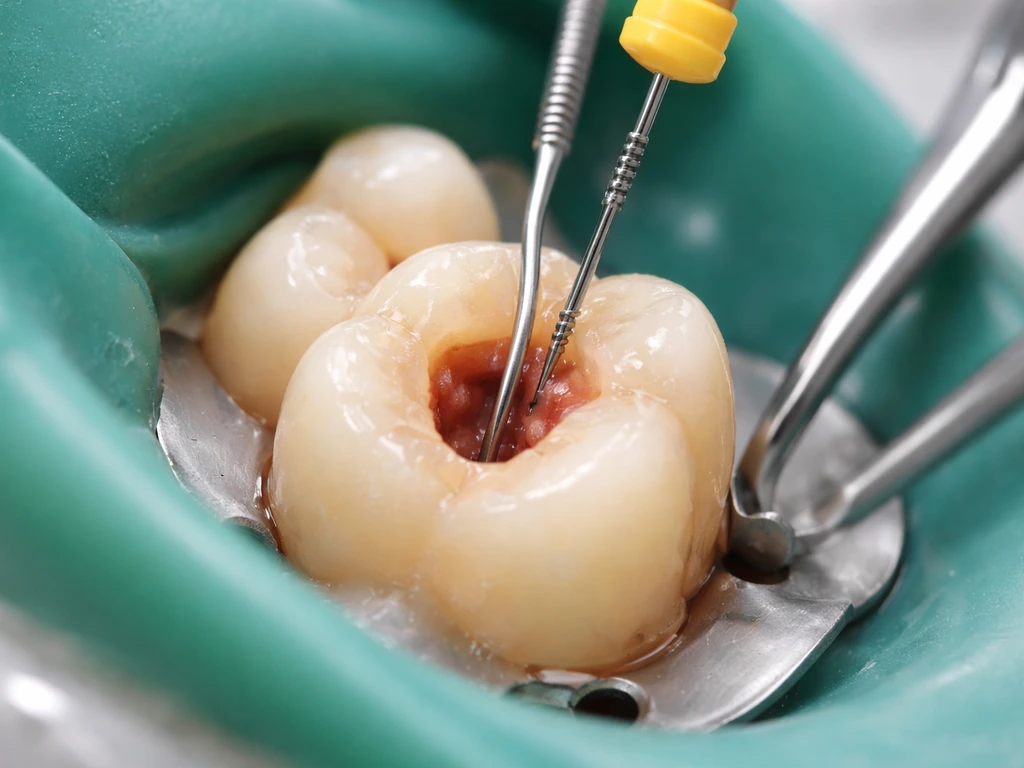
Root canal treatment is what most people think of when they hear "the nerve needs to come out. " The dentist or endodontist removes all the pulp tissue, disinfects and shapes the canals, and fills the space with a rubber-like material called gutta-percha. The tooth loses its internal nerve and blood supply but can continue to function structurally for many years, especially when properly restored afterward.
A crown is usually placed over the tooth after root canal therapy to protect it from fracturing, since the tooth becomes more brittle without its internal blood supply. If you are wondering whether a chipped tooth can grow back, the answer depends on whether the pulp is still alive or has become necrotic can chipped tooth grow back. Root canal therapy is the standard treatment for irreversible pulpitis and pulp necrosis in teeth with mature roots.
Extraction and replacement
In cases where the tooth is too damaged to restore, or where the cost or complexity of root canal treatment is not feasible, extraction is an option. Leaving the space unfilled creates its own long-term problems (shifting teeth, bone loss), so most dentists will recommend a replacement like an implant or bridge depending on the tooth involved and the patient's situation. After an extraction, leaving the space unfilled can lead to bone loss, and that is why replacement options like implants or bridges are often discussed. This is particularly relevant for wisdom teeth, where extraction is often the first-line choice anyway given their position and limited functional role.
Pulp regeneration and revascularization: who it can actually help
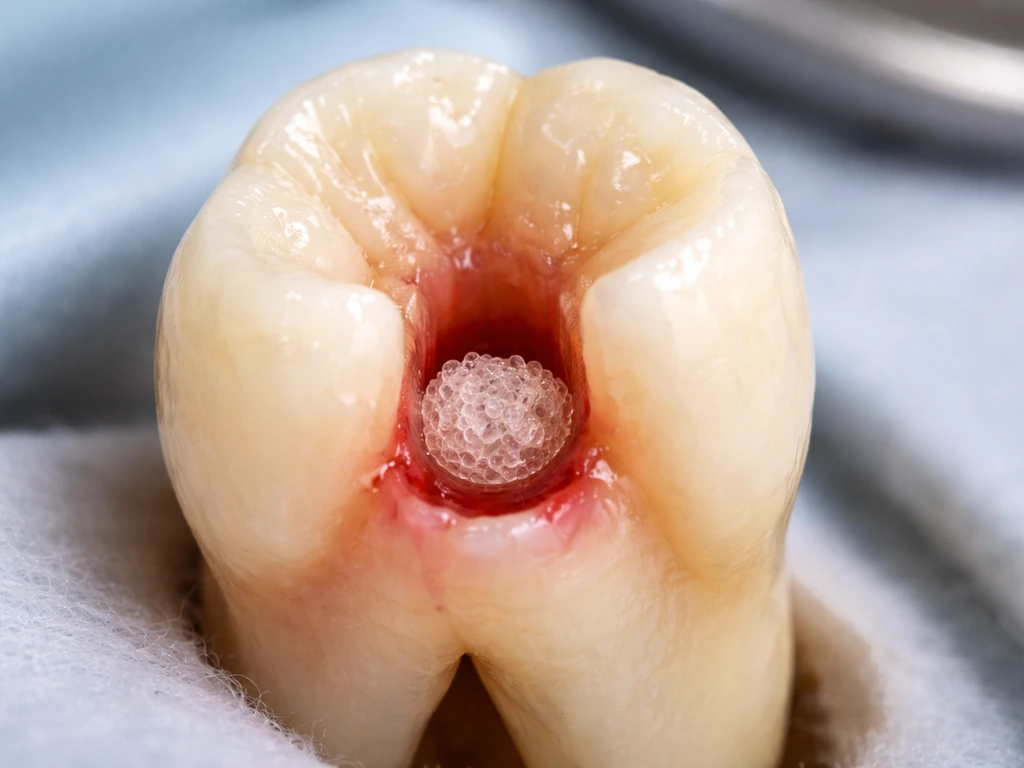
Regenerative endodontic procedures (REPs) are one of the more genuinely exciting areas in modern dentistry, but the criteria for who qualifies are narrow. These procedures are designed specifically for immature permanent teeth with necrotic pulp and an open apex, meaning the root tip has not finished closing. This is most commonly seen in children and early teenagers who suffer trauma or severe decay before their root development is complete.
The goal is not exactly to regrow the original pulp tissue. Instead, the procedure aims to disinfect the canal (often using a low-concentration triple antibiotic paste containing ciprofloxacin, metronidazole, and minocycline, or calcium hydroxide), then stimulate bleeding inside the canal to create a blood-clot scaffold. AAE clinical considerations for regenerative endodontic procedures describe disinfecting the canal using inter-visit approaches such as calcium hydroxide or [low-concentration triple antibiotic paste](https://www. aae.
org/specialty/wp-content/uploads/sites/2/2023/04/ConsiderationsForRegEndo_AsOfNov2022-4. pdf). Stem cells from the surrounding tissue can then migrate in, and the hope is that new tissue grows into the root space, allowing the root to continue thickening and the apex to close. Clinical outcomes at the 12-month mark in published research are generally favorable in terms of symptom resolution and radiographic signs of continued root development.
Some studies have also reported limited return of sensibility in treated teeth, which suggests some functional tissue formation, though the new tissue is not identical to original pulp.
Platelet-rich plasma (PRP) and platelet-rich fibrin (PRF) have been studied as alternatives to the traditional blood-clot scaffold, with some research suggesting differences in apical closure rates, though the overall evidence quality for these comparisons is currently rated as low. The AAE has published clinical considerations specifically for these regenerative procedures, and they are considered a recognized treatment pathway rather than experimental fringe therapy when properly indicated.
One realistic downside to be aware of: crown discoloration has been observed in some teeth treated with regenerative protocols, partly linked to the minocycline component of the antibiotic paste. Dentists managing these cases often modify their protocols to reduce this risk.
Age and tooth type: why it matters so much
The age of the patient and the type of tooth involved change the treatment picture significantly.
| Tooth type / patient age | Pulp regeneration potential | Typical treatment approach |
|---|---|---|
| Baby teeth (primary), any age | Low; not a regenerative candidate (will naturally exfoliate) | Vital pulp therapy (pulpotomy/pulpectomy) or extraction if severely damaged |
| Young children/adolescents, immature permanent teeth (open apex) | Moderate; best candidates for regenerative endodontics/revascularization | REPs if necrotic; vital pulp therapy if still vital |
| Teens/adults, mature permanent teeth (closed apex) | Minimal to none for full regrowth | Root canal therapy, vital pulp therapy for smaller exposures, crown restoration |
| Adults, wisdom teeth | None expected; extraction often first choice | Extraction if problematic; root canal only if tooth is restorable and worth preserving |
Baby teeth are a special case. They will fall out anyway, so the priority is managing pain, preventing infection from spreading to the developing permanent tooth underneath, and keeping the space open until natural exfoliation. Natural exfoliation can also be compared with the question, if permanent tooth falls out will it grow back, because timing and tooth type change what is likely. The AAPD guidelines describe pulpotomy and pulpectomy as appropriate for primary teeth depending on how far the damage has progressed. Expecting pulp regeneration in a baby tooth is not a realistic goal, but treating it properly is still important.
For adults with mature permanent teeth, the closed apex means there is essentially no pathway for the kind of tissue ingrowth that regenerative endodontics relies on. The options narrow to preserving the existing vital pulp if some of it remains, or removing the dead or infected pulp entirely through root canal therapy. Questions that come up about whether a broken tooth, a chipped tooth, or a tooth after a filling can regenerate its internal tissue all come back to the same biology: once the pulp in a mature tooth is significantly damaged or necrotic, it cannot grow back on its own.
Realistic timeframes and what to expect
If you are undergoing vital pulp therapy (pulp capping or pulpotomy), the tooth is often sensitive for a few days to weeks after treatment. If the procedure is successful, sensitivity gradually resolves and the tooth remains functional. Dentists typically monitor treated teeth at intervals, with the AAPD recommending follow-up windows in the range of 12 to 24 months for vital pulp therapies in permanent teeth. At follow-up visits, they check for continued pulp vitality through sensibility tests and look for any signs of internal resorption or periapical changes on X-rays.
For regenerative endodontic procedures in immature teeth, early symptom resolution (within weeks to a few months) is typically the first positive sign. Radiographic evidence of continued root development, dentinal wall thickening, and apical closure tends to appear over 6 to 12 months or longer. Studies use 12-month follow-up as a common benchmark, but monitoring often continues for years to confirm stability.
Root canal therapy, once completed and properly restored with a crown, has a high long-term success rate. The tooth can remain functional for decades. The main ongoing concern is monitoring the periapical area on periodic X-rays to confirm the bone around the root tip is healthy and that no new infection is developing. The tooth itself will not regain sensation, but that is generally not a problem for daily function.
One honest caveat: no treatment comes with a 100% guarantee. Vital pulp therapies can fail, requiring escalation to root canal treatment later. Regenerative procedures can result in incomplete root development or discoloration. Root canal-treated teeth can fracture if not properly protected. Knowing what to watch for and keeping up with follow-up appointments gives you the best chance of catching problems before they become bigger ones.
When to seek urgent dental care and how to protect the tooth right now
Some symptoms mean you should not wait for a routine appointment. Get to a dentist as soon as possible if you experience any of the following:
- Spontaneous, throbbing tooth pain that is not triggered by eating or drinking and that does not go away on its own
- Facial swelling, particularly if it is spreading toward your eye, jaw, or neck
- Fever alongside tooth pain (this combination can indicate a spreading dental infection)
- A visible bump or pimple on the gum near a painful tooth (sign of an abscess draining)
- Pain that wakes you up at night and is not relieved by over-the-counter pain medication
- Tooth pain following trauma, even if the tooth looks intact externally
The CDC identifies symptomatic irreversible pulpitis and acute apical abscess with swelling as dental emergencies that require urgent management. In some of these scenarios, antibiotics alongside definitive dental treatment are appropriate, but antibiotics alone will not fix the underlying pulp problem. They buy time and reduce the risk of spreading infection, but the tooth still needs to be treated.
While you are waiting to be seen, a few practical steps can help. Take ibuprofen or acetaminophen at the recommended dose to manage pain (ibuprofen tends to be more effective for dental pain because of its anti-inflammatory action, but follow any guidance from your doctor if you have health conditions that affect which you should use). Keep the area clean by gently brushing and rinsing with warm salt water.
Avoid very hot, cold, or sweet food and drinks near the affected tooth, as these can intensify pain. Do not put aspirin directly on the gum or tooth, a common home remedy that can actually cause a chemical burn to the soft tissue. And please avoid the internet rabbit hole of oil-pulling, clove-oil-only treatments, or any approach framed as a way to heal the nerve at home.
Clove oil (eugenol) can temporarily dull pain because it has mild anesthetic properties, but it does not treat infection or regenerate tissue.
The bottom line is that pulp damage, especially once it has progressed past the mildest reversible stage, is a dental problem that requires a dentist to solve. The good news is that modern treatments, whether that is a carefully placed pulp cap, a straightforward root canal, or a regenerative procedure for a younger patient with an immature tooth, are highly effective when done at the right time with accurate diagnosis. Acting early always produces better outcomes than waiting.
FAQ
If I have tooth pain after a filling, can the pulp repair itself over time?
Not once the tooth is mature. If the pulp is necrotic or the tooth has a closed apex, there is no reliable way to “re-grow” the pulp. If you have symptoms after a filling, the more likely issue is that the pulp was already inflamed, became infected, or the restoration was too deep, which is why you need an exam and tests rather than waiting for natural recovery.
Why does my tooth stop hurting, but I still need treatment?
A root canal can be the right step even if pain improves. Pain can temporarily quiet down when the pulp dies, but infection can still be present in the periapical tissues. Dentists use sensibility tests and X-rays to determine whether the pulp is truly healing or just becoming nonresponsive.
How long should I wait before treating suspected irreversible pulpitis?
Timing matters. If cold sensitivity lingers for more than a few seconds or the tooth becomes sensitive to biting, those patterns raise concern for irreversible pulpitis. A general rule is not to “watch it” for weeks if symptoms are worsening, spontaneous, or waking you from sleep.
What makes a pulp cap or pulpotomy fail?
Yes, failure risk depends on diagnosis quality and case selection. Vital pulp therapies can fail if there is an unrecognized infection, if the exposure was larger than expected, or if the tooth restoration does not seal well. This is why follow-up testing over months is standard, not optional.
Is a crown always necessary after a root canal?
Crown coverage is strongly recommended after root canal therapy for many back teeth and for any tooth with large decay or reduced tooth structure. Without a durable restoration, the tooth can become more fracture-prone over time, even if the root canal itself was successful.
Can I have pain even if my tooth tests show the pulp is dead?
It can be. A tooth with necrotic pulp often gives no response on cold and electric tests. However, you can still have pain from inflammation around the root tip (periodontal ligament and periapical area), which is why dentists combine nerve testing with imaging rather than relying on symptoms alone.
Am I a candidate for regenerative endodontic treatment?
Regenerative endodontics requires immature permanent teeth with an open apex. If the root tip is already closed, the procedure generally cannot create the same tissue ingrowth environment. Your dentist can confirm eligibility using clinical history and imaging.
Why would a regenerative treatment cause my tooth to change color?
Yes, the antibiotic protocol can affect tooth color. In some regenerative cases, minocycline is linked to discoloration, so clinicians may adjust the medication strategy or use alternatives depending on the tooth and risk factors.
What follow-up schedule should I expect after pulp capping or regeneration?
Follow-up is not just a formality, it is how success is confirmed. Vital pulp therapy is typically monitored with sensibility testing and X-rays over a year or two, and regenerative treatment is usually judged by changes in root development over 6 to 12 months or longer.
What happens if I delay care for an infected or dying pulp?
Avoiding treatment can allow infection to spread and create bone loss, a persistent abscess, or a sinus tract. Even if the tooth looks better temporarily, the underlying problem can continue progressing, which can make future treatment harder and more expensive.
Are there any at-home treatments that can regrow pulp or cure the infection?
You should not rely on home remedies to “heal the nerve.” Pain relief from clove oil or similar products does not treat infection, and aspirin placed on tissue can injure the gum. The practical goal while waiting is symptom control and keeping the area clean until definitive dental care.
Is it normal if my treated tooth is still sensitive after the procedure?
Tooth sensitivity can change after treatment depending on the type. After vital pulp therapy, some lingering sensitivity for days to weeks can be normal, but worsening spontaneous pain or swelling is not. After root canal therapy, sensation typically does not return, but the absence of progressive symptoms is the key.
Next Articles
Does Your Tooth Grow Back After a Filling? What’s True
Does a tooth grow back after a filling? No. Get clear facts on regeneration myths, pain causes, and what to do next.
Will Teeth Grow Back After Extraction? What to Expect
Explains if extracted teeth can regrow, how jaw bone heals, and what options help missing teeth after removal.
Does a Broken Tooth Grow Back? Cracks, Decay, and Fixes
Broken or cracked tooth rarely regrows; learn what can heal, what needs bonding, crowns, root canal, or extraction.