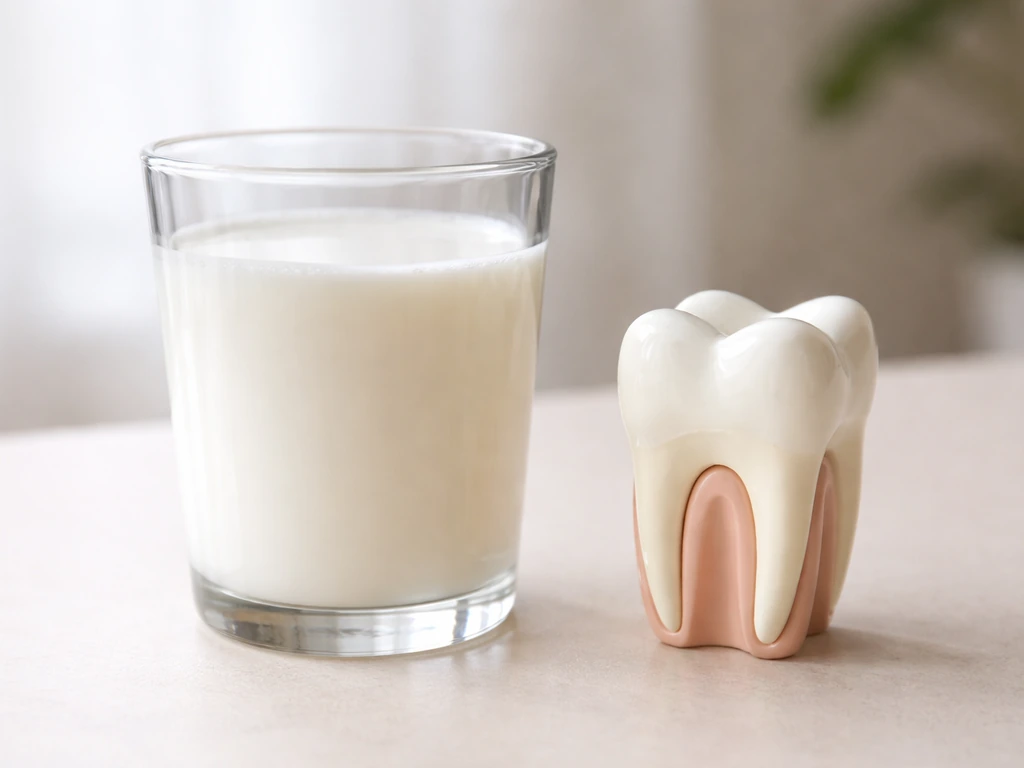
Milk supports healthy tooth development, but it cannot make your teeth grow faster, fill in missing teeth, or regrow enamel once it is gone. What milk actually does is supply calcium, phosphorus, vitamin D (in fortified versions), and protein, the raw materials your body needs to build and mineralize teeth properly in the first place. That is genuinely useful, especially for kids whose teeth are still forming, but it is a far cry from the idea that drinking more milk will speed up eruption or fix a dental problem you already have.
Does Milk Help Your Teeth Grow Faster or Stronger?

Marcus Holloway
15 May 2026
What people actually mean when they say "teeth grow"
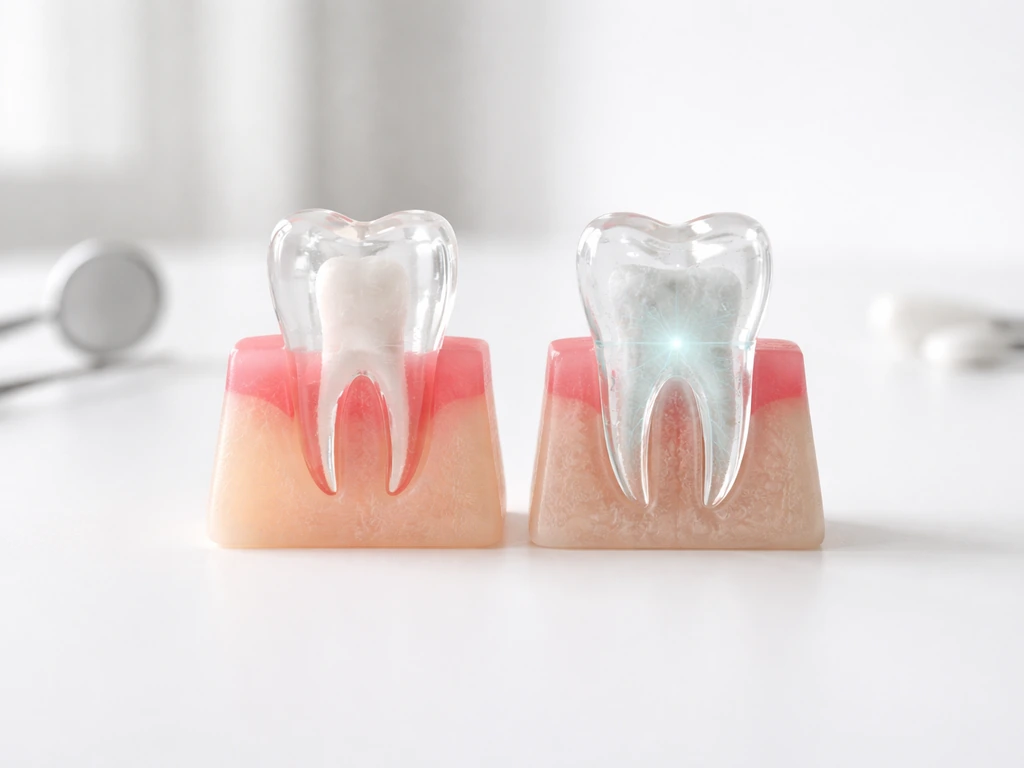
"Teeth grow" means different things depending on who is asking. Most of the time it comes down to one of three things: eruption (a tooth physically moving through the gum and into the mouth), tooth development (the size, shape, and mineral density of a tooth being formed inside the jaw before it ever appears), or enamel strength (whether the outer layer of an existing tooth can be made harder or thicker). These are completely different biological processes, and what milk can do for each one is very different.
Eruption is on a genetic and developmental clock. Teeth form inside the jaw, and then move upward through the bone and gum tissue. That timing is largely set by biology, not by what you drink. Tooth development, on the other hand, happens before eruption, and this is where nutrition genuinely matters.
A tooth that is forming inside the jaw needs adequate minerals to mineralize correctly. Enamel strength after a tooth has erupted is a different story entirely, because mature enamel cannot regenerate from the inside out once it is formed. [You can remineralize the surface of early decay, but you cannot grow new enamel. ](https://www.
cochrane. org/CD009732/non-fluoride-topical-remineralising-agents-containing-calcium-andor-phosphate-for-controlling-dental-caries) The American Dental Association describes caries as a lesion process involving enamel and dentin, which is one reason nutrition alone cannot “grow enamel back. ” [caries is a lesion process involving enamel and dentin](https://www. ada.
org/resources/ada-library/oral-health-topics/caries-risk-assessment-and-management). That distinction matters a lot, and it is the same concept covered in detail when people ask about how to grow back enamel or how to grow back teeth. If you are looking for how to grow back enamel, focus on preventing further damage and supporting remineralization with fluoride, since true enamel regrowth in adults is not possible.
If you are dealing with missing teeth or hoping for full tooth regrowth, the options are usually different from basic nutrition and include dental treatments how to grow back teeth. If you are looking for how to grow back teeth, the most effective path usually involves professional evaluation and the right dental treatment for your situation missing teeth or hoping for full tooth regrowth.
What milk's nutrients actually do for developing teeth
Calcium makes up a large portion of the hard structure of teeth and bones. Phosphorus works alongside calcium in the mineralization process. Vitamin D is critical because without it, your gut cannot absorb calcium efficiently, no matter how much of it you consume. NIH research confirms that deficiency in these nutrients can cause defective mineralization, which in developing teeth can show up as structural weaknesses, spots, or pitting on the enamel surface. Studies have specifically found that low vitamin D is associated with a higher risk of developmental enamel defects in children and adolescents, and that children with those defects have higher odds of developing cavities.
So milk, particularly fortified milk with vitamin D, delivers a useful combination of these nutrients together. That does not mean milk is the only way to get them, and it does not mean drinking more milk on top of an already adequate diet will give you any additional benefit. Once your body has what it needs for mineralization, extra calcium does not produce denser or faster-growing teeth. Think of it like building a wall: having enough bricks matters, but piling on extra bricks does not build the wall faster once you have the right amount.
One more thing worth knowing: research reviewed by the ADA suggests that milk does not increase cavity risk and may actually reduce it slightly, likely because it does not contain fermentable sugars in the way that fruit juice or soda does. That is a meaningful point when comparing what to give kids to drink, but it is not the same as milk actively building teeth.
Can milk make teeth grow faster? Here's what the biology says
No. Eruption timing is not driven by calcium intake. There is no evidence that increasing milk consumption causes teeth to emerge from the gum sooner than they would have otherwise. The timeline for primary (baby) tooth eruption and permanent tooth eruption is governed by genetics and the overall developmental process, not by nutrition optimization. The ADA publishes eruption charts showing the typical timing ranges for every tooth in both dentitions, and those ranges are not shifted by dietary choices.
What nutrition deficiency can do is interfere with normal development. Severe, prolonged calcium or vitamin D deficiency during the window when teeth are forming can contribute to structural problems or delayed development in some cases. But this is about preventing a deficit, not about boosting outcomes above the biological baseline. Adequate nutrition gets you a normally developed tooth on its expected schedule. Extra nutrition does not get you an earlier or better tooth.
The same logic applies to enamel. Once a tooth has erupted, the cells responsible for building enamel (ameloblasts) are gone. Mature enamel cannot regenerate from the inside. What is possible is remineralization: early-stage surface decay can be partially arrested or reversed when conditions favor mineral redeposition, especially in the presence of fluoride. But this is surface repair, not enamel regrowth. Milk's calcium and phosphorus do contribute to remineralization in a modest way, but fluoride is far more powerful in this role, and the effect is limited to early lesions, not established decay.
Children vs. adults: the expectations are completely different
For children, especially infants and toddlers, nutrition is genuinely more relevant to dental outcomes because teeth are still forming inside the jaw. The nutrients in milk during this developmental window go toward building the next set of teeth that have not appeared yet. That is real and worth taking seriously. For adults, teeth are already formed. Milk can support overall mineral balance and may contribute in small ways to remineralization, but it cannot change tooth structure in any meaningful way. Adults asking whether milk will help their teeth grow or regrow enamel are really asking about regeneration, and the honest answer is that human adult teeth cannot regenerate.
For parents specifically: babies and toddlers get their primary teeth on a schedule that ranges widely but is fairly predictable. Primary teeth typically start appearing around 6 months of age. The AAPD recommends that children see a pediatric dentist when the first tooth appears or by their first birthday, whichever comes first. This is the point where a professional can assess development and catch anything that might need attention early.
| Stage | What milk can do | What milk cannot do |
|---|---|---|
| Infant/toddler (teeth forming) | Supply calcium, phosphorus, vitamin D for mineralization of developing teeth | Change eruption timing or guarantee perfect enamel |
| Child (mixed dentition) | Support overall mineral intake during ongoing jaw and tooth development | Regenerate enamel on already-erupted teeth or speed up permanent tooth arrival |
| Adult (fully erupted teeth) | Contribute modestly to remineralization; support bone mineral density | Regrow enamel, reverse decay, or cause new tooth growth |
When milk isn't enough: what else actually protects and supports teeth
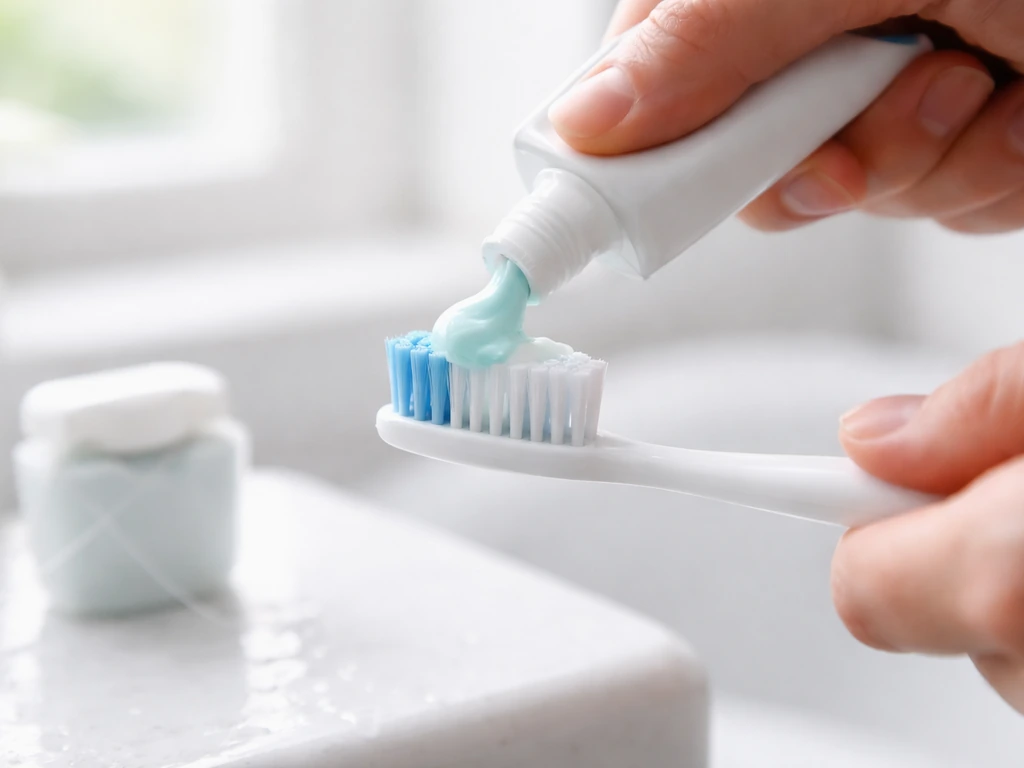
Milk is one piece of a larger picture. For developing children and adults alike, the things that make the biggest measurable difference in dental outcomes go well beyond what you drink.
- Fluoride is the single most evidence-supported tool for preventing tooth decay. The CDC reports that community water fluoridation reduces tooth decay by about 25% in both children and adults. Fluoride toothpaste with an ADA Seal of Acceptance is a daily baseline for everyone old enough to spit it out.
- Overall diet quality matters more than any single food. Frequent exposure to fermentable carbohydrates and sugars feeds the bacteria responsible for decay. Limiting juice, sugary drinks, and sticky snacks does more for preventing cavities than adding more milk.
- Brushing twice daily and flossing removes the biofilm (plaque) that drives decay and gum disease. No nutrient compensates for skipping this.
- Sun exposure or vitamin D supplementation may be necessary for people who do not absorb adequate vitamin D from food alone, especially in northern climates or for people with limited sun exposure.
- For children with lactose intolerance or dairy allergies, calcium and vitamin D can come from fortified plant milks, fortified orange juice, leafy greens, tofu made with calcium sulfate, and supplements if recommended by a pediatrician.
One practical caution that often gets overlooked: do not put a baby to bed with a bottle of milk. The CDC explicitly warns against this because milk can pool around the teeth while a baby sleeps, creating prolonged acid exposure that causes early childhood tooth decay, sometimes called baby bottle tooth decay. Milk's benefits for teeth do not outweigh that risk if it is being used as a sleep aid with a bottle.
If teeth seem slow to come in: what to watch and when to act
Parents often notice that a neighbor's baby already has four teeth while their own child has none, and worry. Some variation is completely normal. But there are benchmarks that are worth knowing. MedlinePlus advises talking to a healthcare provider if a child has not developed any teeth by 9 months of age. The AAPD's guidelines address delayed eruption of permanent teeth and other developing-dentition concerns, and a pediatric dentist is the right person to evaluate whether a delay is within normal variation or something that warrants investigation.
Delayed eruption can have many causes, most of which have nothing to do with diet. Genetics plays a large role. Other factors include crowding in the jaw, retained baby teeth that are blocking the path of permanent ones, or (in rarer cases) systemic conditions affecting development. If a child's teeth seem significantly delayed compared to the ADA eruption charts, or if you notice asymmetry (teeth coming in on one side but not the other), that is a clear signal to make a dental appointment rather than wait.
- No teeth by 9 months: contact your pediatrician or pediatric dentist.
- Significant asymmetry in eruption (one side erupting, the other side not): see a dentist for X-rays.
- Permanent teeth more than 6 months behind the expected age range on eruption charts: worth an evaluation.
- Visible discoloration, pitting, or white spots on newly erupted teeth: discuss with a dentist, as these can indicate developmental enamel defects.
- Pain, swelling, or signs of infection near an unerupted area: see a dentist promptly.
Milk myths worth clearing up
There are a few persistent ideas about milk and teeth that keep circulating, and most of them are either exaggerated or flat-out wrong.
- Myth: Drinking more milk will make your child's teeth come in faster. False. Eruption timing is genetic and developmental. Adequate nutrition prevents deficiency-related problems; it does not accelerate a normal biological clock.
- Myth: Milk rebuilds enamel. Partly misleading. Milk's minerals contribute to surface remineralization in a minor way, but enamel cannot regenerate structurally once it is lost. Fluoride does far more for remineralization of early lesions than calcium from milk does.
- Myth: Milk causes cavities. Generally false for plain milk. Unlike sugary drinks, milk does not significantly raise cavity risk when consumed normally. The exception is bottle feeding at bedtime, which creates a genuine decay risk due to prolonged pooling.
- Myth: If you drink enough milk, you don't need to worry about fluoride. Wrong. These work through entirely different mechanisms. Calcium supports mineralization during tooth formation; fluoride protects already-erupted teeth from acid dissolution and enhances surface remineralization. You need both.
- Myth: Adults don't need milk for their teeth. Not quite right either. Adequate calcium and vitamin D remain important for maintaining bone density (including the jawbone that anchors teeth) throughout life, even though adult teeth themselves cannot grow or regenerate.
If you are exploring questions around whether specific interventions can help teeth or enamel develop or recover, you are in the same territory as questions about how to grow teeth enamel, what helps teeth grow, and whether there are realistic options for people whose teeth seem small or structurally weak. The honest answer across all of these is that biology sets hard limits. Nutrition fills in what deficiency would cost you, but it does not push outcomes past the genetic ceiling. A dentist is always the right call when you are genuinely concerned about development, timing, or structure, no amount of dietary optimization replaces that.
FAQ
How much milk do I need for it to “help” my teeth grow? (Does more always help?)
Only if it helps you avoid a deficiency. Once kids and adults already have enough calcium, phosphorus, and vitamin D for normal mineralization, adding more milk does not translate into earlier eruption or stronger enamel beyond what the body would normally produce.
Is fortified milk better for teeth development than regular milk or non-dairy milk?
Fortified milk helps more than unfortified milk mainly because vitamin D supports calcium absorption. If you are choosing a dairy alternative, compare labels for added calcium and vitamin D, and remember that vitamin D levels vary widely by brand.
Does drinking milk at night hurt teeth more than drinking it during the day?
For infants and toddlers, the risk is mostly about how long milk sits on the teeth during sleep. If milk is used in a bottle at bedtime, it can increase early childhood tooth decay risk, even though milk itself is not a “tooth-destroying” drink.
What should we do if my child drinks milk from a bottle or sippy cup all day?
Switching from bottle to cup can help reduce prolonged pooling around teeth. If your child still needs drinks, offer milk with supervised meals or snacks, and avoid letting milk linger in the mouth between brushes.
Can milk intake during pregnancy or early infancy affect a child’s future teeth?
Yes, but it is about timing and deficiency prevention. In pregnancy and early childhood, adequate nutrients support normal tooth formation, yet there is no evidence that extra milk will create “extra” teeth or shift the eruption schedule earlier.
If milk supports minerals, why doesn’t it replace fluoride treatments or cavity prevention?
If “teeth grow” means stronger enamel, fluoride is the main evidence-based tool after eruption. Milk can contribute modestly to mineral balance, but established enamel defects and cavities need professional assessment, and remineralization relies far more on fluoride and stopping ongoing acid exposure.
Does milk help with enamel loss in adults, like white spots or early cavities?
If your goal is enamel repair or “regrowth,” milk is not the solution. In general, adults cannot regenerate enamel once it is formed, so focus shifts to preventing further loss and using fluoride-based prevention, plus dental treatment when decay is present.
If my child gets cavities, could it be because they drink milk?
Pay attention to the overall pattern: milk at bedtime is a common issue, frequent sipping also matters, and brushing frequency is key. If your child is not getting regular oral hygiene or fluoride, adding milk alone will not improve outcomes.
What counts as a concerning delay in baby tooth eruption, and when should we call a dentist?
If a child has not developed any teeth by 9 months, it is reasonable to contact a healthcare provider for evaluation. Also schedule a dental visit if eruption seems far outside typical ranges, or if there is facial/jaw asymmetry.
What will the pediatric dentist check for if my child’s teeth are delayed?
A dentist can tell the difference between normal variation and issues that may need orthodontic or medical attention, like missing teeth, crowding, blocked eruption, or rare systemic causes. Ask for an exam and imaging if eruption is significantly delayed compared with eruption charts.
What are the biggest lifestyle factors besides milk that actually change dental outcomes?
Yes. Milk can be part of a healthy diet, but the healthiest tooth-building approach is not “more milk,” it is adequate nutrition plus fluoride exposure, regular brushing, and limiting frequent sugary or acidic drinks. If you are already covering calcium and vitamin D through food, extra milk usually does not add dental benefits.
Next Articles
What Helps Teeth Grow: Diet, Habits, and Timelines
What helps teeth grow: diet, habits, fluoride and timelines, plus myths about regrowth and tips to support healthy erupt
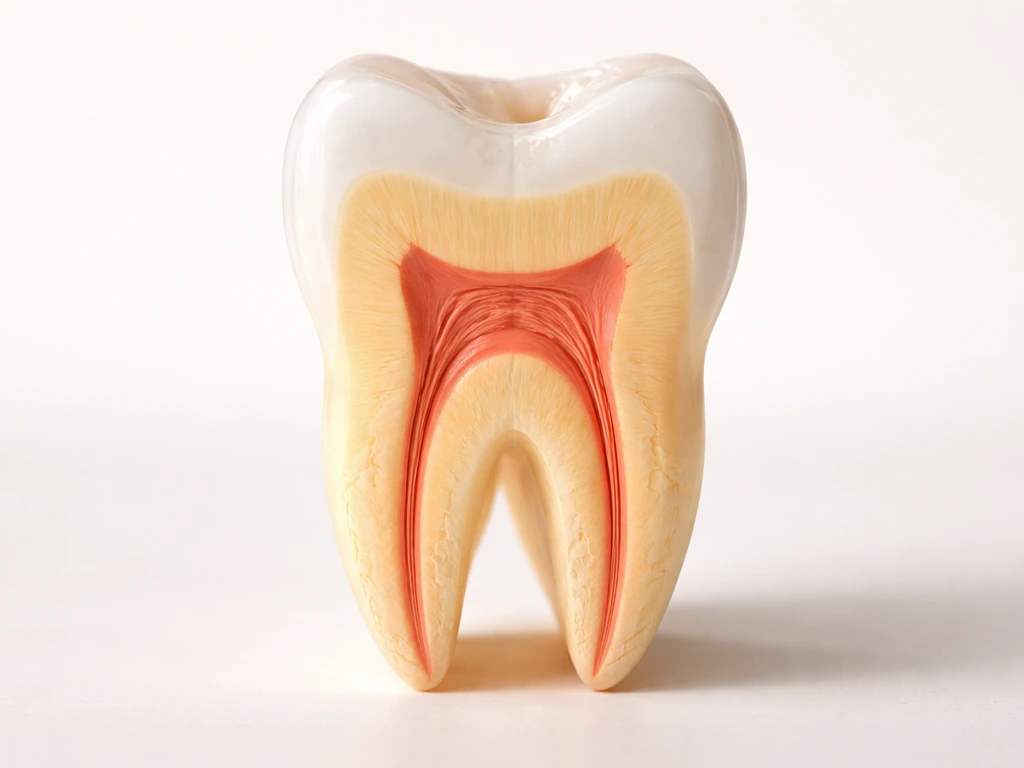
How to Grow New Teeth: What’s Possible and Next Steps
Learn if and how to grow new teeth, what can regrow, and next steps with dentists when natural methods won’t work.
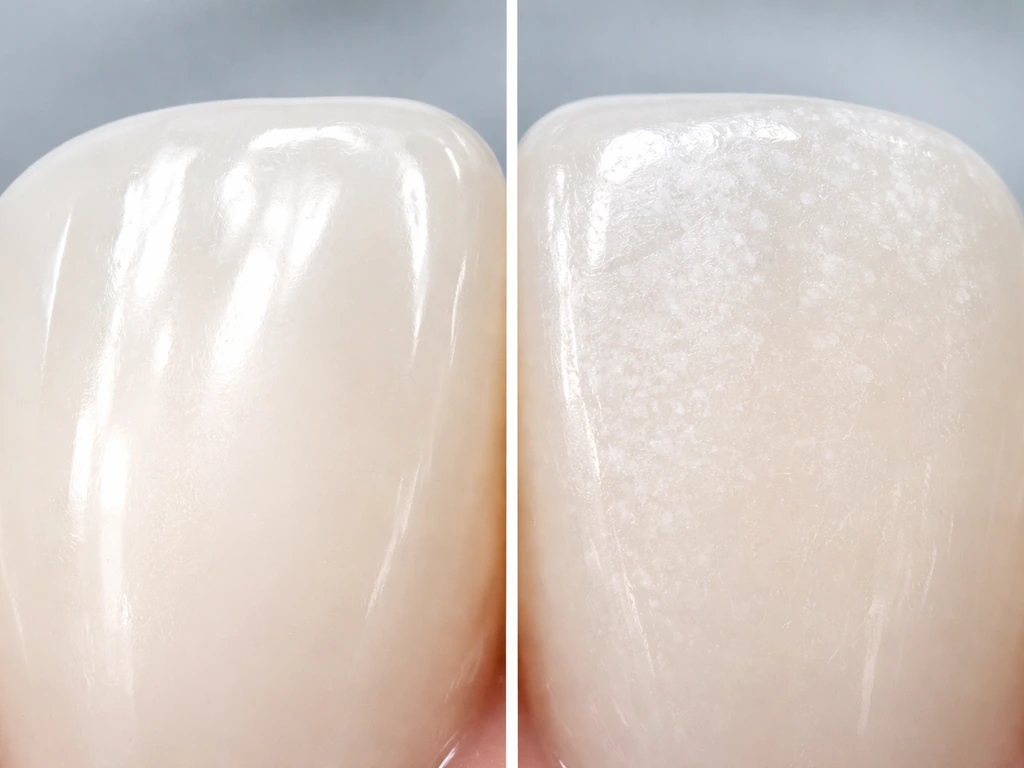
How to Grow Back Enamel: What Works and What Doesn’t
Learn what enamel can’t regrow, how to reverse early loss with fluoride and diet, and when dentist repair is needed.