Whether small teeth will "grow" depends almost entirely on your age and what's actually causing them to look small. If you're a child between roughly 6 and 12, there's a good chance your teeth look small because you're in the middle of the mixed dentition stage, where permanent teeth are still erupting and haven't fully settled into position yet. That's completely normal, and yes, things will change. But if you're a teenager or adult and your teeth genuinely look smaller than they should, the honest answer is that teeth don't grow bigger on their own once they've fully erupted. Enamel can't regenerate, and tooth structure doesn't bulk up like muscle. What can change is how your teeth are positioned, how much of them is visible, and how they look after cosmetic or restorative work.
My Teeth Are Small: Will They Grow or Stay That Way?

First, figure out which category you're actually in
This is the most important first step, and it changes everything about the answer. There are really two different situations hiding inside the question "will my teeth grow?"
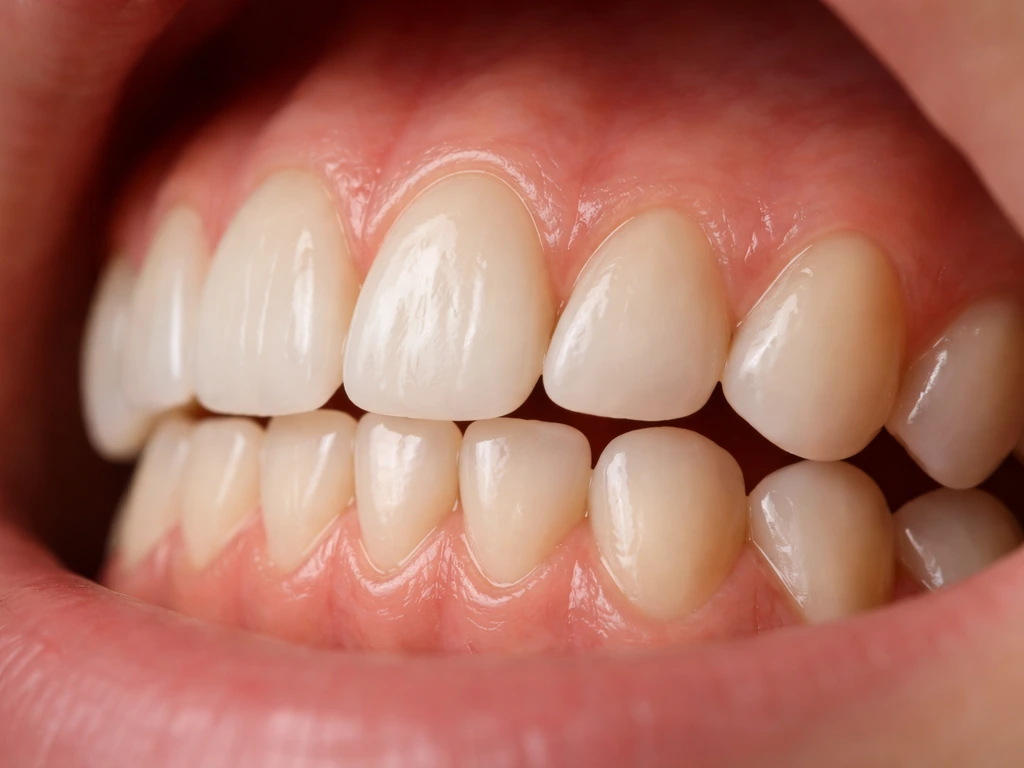
If you're a child or young teen (roughly ages 5 to 14), your teeth are almost certainly still developing. Between about ages 6 and 12, kids commonly have a mix of baby teeth and permanent teeth erupting at the same time. A brand-new permanent tooth breaking through the gum can look tiny compared to the surrounding teeth for months, especially before it finishes erupting and the gum tissue settles. This is the "will they grow" situation where the answer is often yes, just give it time.
If you're an adult (or a teen whose permanent teeth are all in), the situation is different. Your teeth are fully formed. The question now shifts from "will they grow" to "why do they look small, and what can actually be done about it?" Those are solvable problems, but the solution isn't waiting for growth. It's diagnosis and treatment.
Why teeth can look small even when they aren't
Before assuming something is wrong, it's worth knowing how many things can make perfectly normal teeth look smaller than they are. This is one of the most common reasons people come in worried, and it often turns out to be a positioning or timing issue rather than a true size problem.
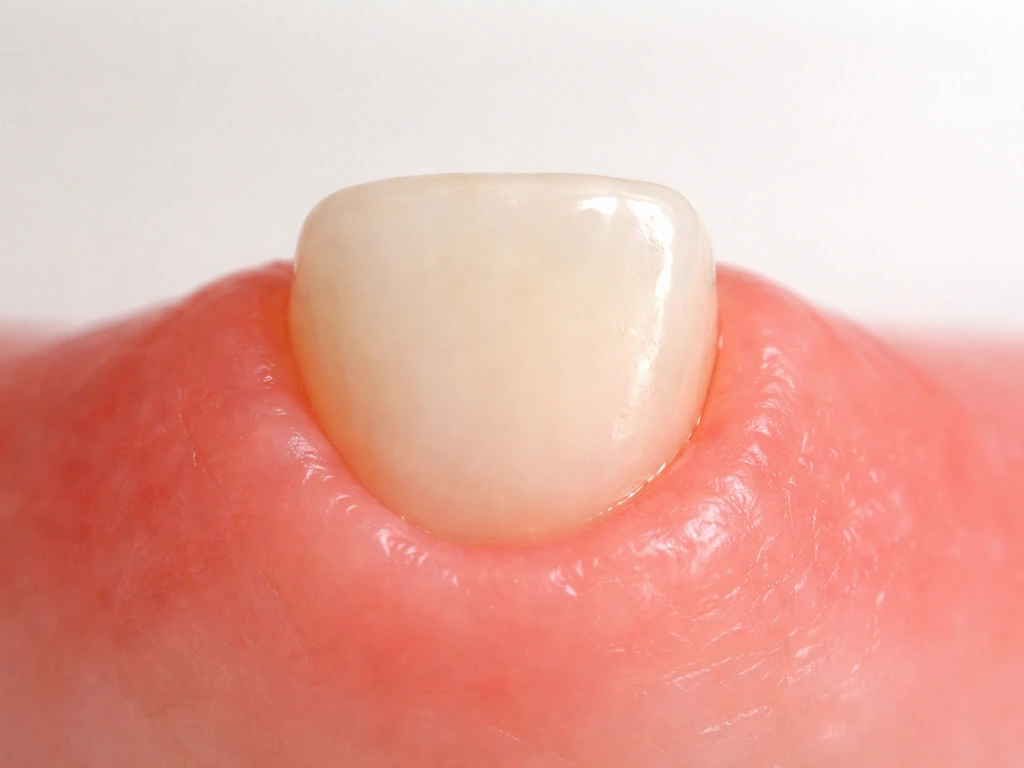
- Partial eruption: A tooth that's only halfway through the gum looks much smaller than it will be when fully erupted. This is especially common with second molars and upper canines in kids and teens.
- Crowding and rotation: When teeth are pushed together or rotated, part of the crown is hidden or turned away. The tooth isn't actually small, it's just not facing the right direction.
- Gum coverage: If gum tissue sits lower than normal (or higher, depending on which tooth), it can cover part of the clinical crown and make teeth look shorter or stubbier than they actually are. This is sometimes called a "gummy smile."
- Neighboring tooth proportions: A very large tooth next to a normal one makes the normal tooth look small by comparison. It's a proportional illusion, not a real size issue.
- Worn edges: Years of grinding or acidic erosion can shorten teeth at the biting edge without affecting the root or overall structure, making them look shorter than they used to.
A dentist can measure the actual mesiodistal width (the width of a tooth from one side to the other) and compare it to established norms using tools like Bolton analysis, which compares tooth sizes across the upper and lower arches. That measurement tells you objectively whether a tooth is genuinely undersized or just looks that way in context.
When teeth are actually small: the real causes
Genetics and microdontia
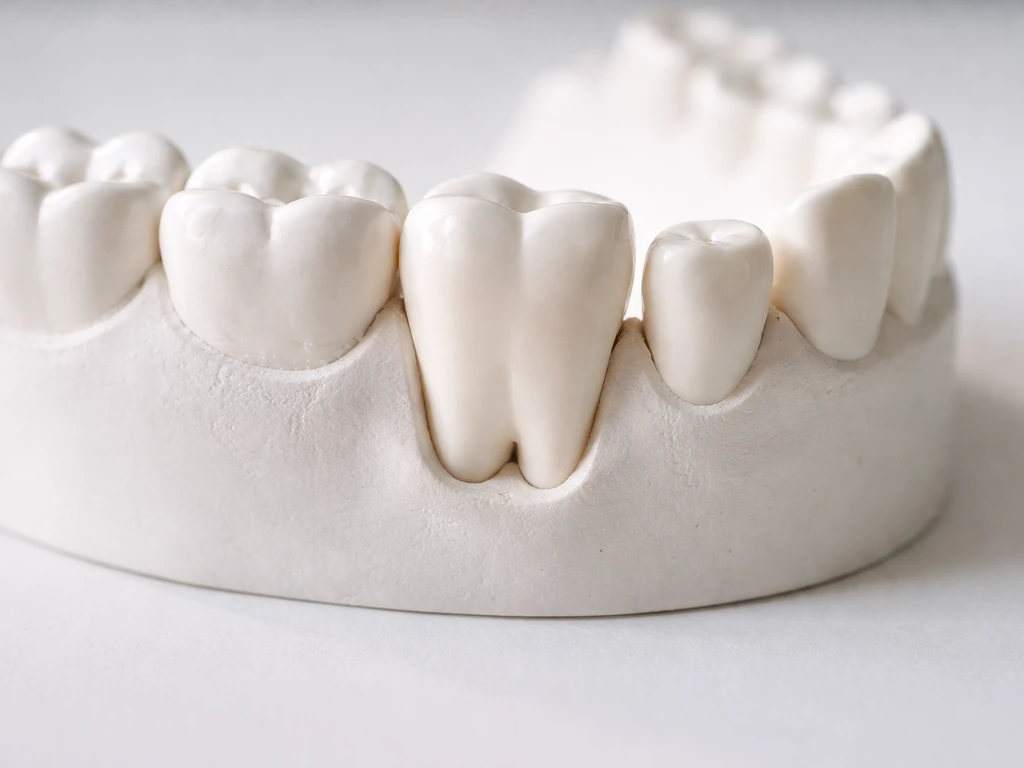
Microdontia is the clinical term for teeth that are genuinely smaller than typical. Cleveland Clinic describes microdontia as a condition where teeth are smaller than typical, and notes it may be localized, such as affecting certain teeth like the lateral incisors Microdontia is the clinical term for teeth that are genuinely smaller than typical. It can affect one tooth (localized microdontia) or multiple teeth. The most commonly affected tooth is the upper lateral incisor, those teeth just beside your two front teeth. Peg-shaped lateral incisors, where the tooth forms a narrow, tapered shape instead of a normal rectangular crown, are a well-documented form of localized microdontia with a reported prevalence of roughly 1.6% to 4.9% of the population. Genetics is the main driver. If one of your parents has a peg lateral incisor, there's a reasonable chance you might too.
Congenitally missing teeth (hypodontia)
Sometimes what looks like a small tooth is actually a sign that a neighboring tooth never developed. Hypodontia (congenitally missing teeth) shows up in roughly 7 to 8 percent of orthodontic patients, and certain teeth like upper lateral incisors and lower second premolars are the most commonly missing. When a tooth is absent, the surrounding teeth can shift or appear out of proportion. A panoramic X-ray is the fastest way to confirm whether all teeth are present or whether one never formed.
Enamel and developmental differences
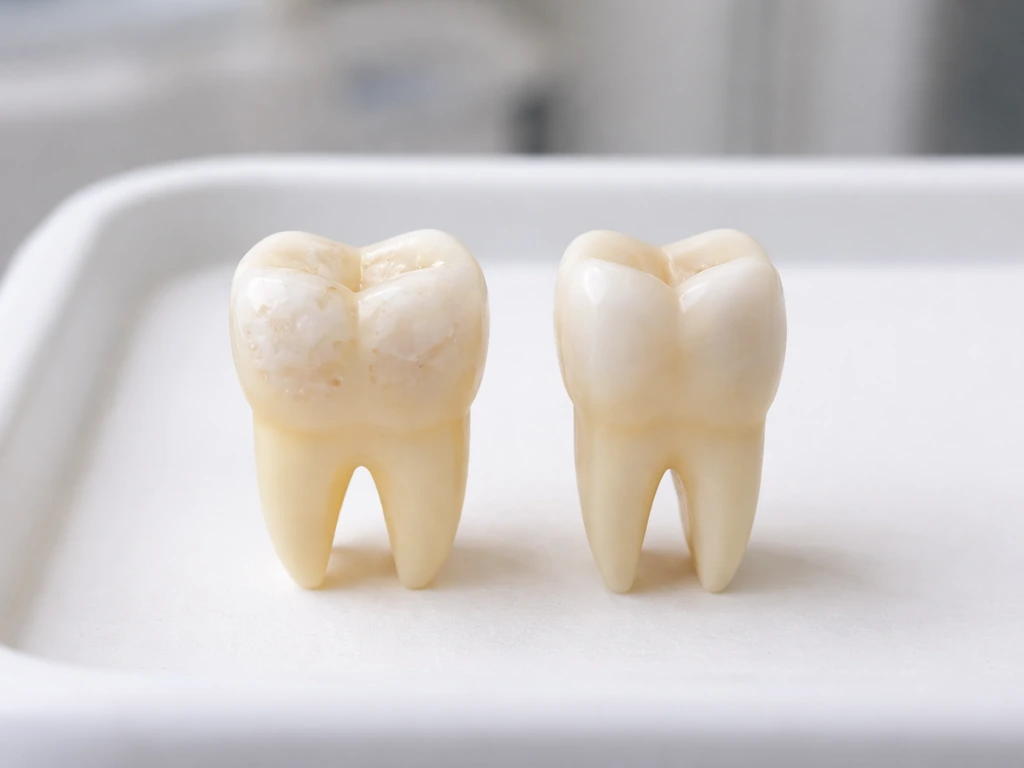
Some conditions affect how enamel forms during tooth development, resulting in teeth that are thinner, softer, or shaped differently than normal. Amelogenesis imperfecta, enamel hypoplasia from illness or medication during childhood, and fluorosis can all alter enamel thickness and appearance. These aren't cases where the tooth "didn't finish growing", the tooth formed the way it was going to form given the conditions during development.
Delayed eruption
Delayed eruption happens when a tooth's timing significantly deviates from established norms for a child's age, sex, and ethnicity. Sometimes a tooth is blocked by another tooth, a cyst, or dense bone. Sometimes it's just late. Either way, a tooth that hasn't erupted yet obviously can't be seen, and the gap it leaves can make the surrounding teeth look oddly spaced or short. This is one of the clearest reasons to get an X-ray rather than just wait and see.
What teeth can and cannot do on their own
This is where a lot of internet misinformation needs to be cleared up. Teeth do not grow bigger once they've fully erupted. If you are wondering how to grow back teeth, the key point is that natural tooth regrowth is not currently possible once teeth have fully erupted. The enamel that coats your teeth is the most mineralized tissue in the human body, but it's also completely acellular after eruption, meaning no living cells remain in it to repair or build it back up. Ameloblasts, the cells responsible for forming enamel, are lost after the tooth erupts. Once enamel is gone, whether through wear, erosion, or a chip, it cannot naturally regenerate. Milk might help overall oral health, but it does not make teeth grow or replace lost enamel enamel, whether through wear, erosion, or a chip. Research into enamel regeneration is ongoing, but as of now, no clinically available treatment can regrow bulk enamel. This is a hard biological limit.
What can legitimately change the apparent size or function of a tooth: orthodontic movement (repositioning teeth so more of the crown is visible and properly aligned), restorative work (adding material to a tooth through bonding, veneers, or crowns), and gum recontouring (removing excess gum tissue to expose more of the natural crown). None of these make the tooth itself grow, but they can dramatically change how it looks and functions. The topic of what helps teeth grow is worth exploring separately, because the honest answer is that it mostly applies to children still in development. For most people, the honest answer is that teeth mostly do not keep growing bigger once they have fully erupted what helps teeth grow.
How a dentist or orthodontist actually figures out what's going on
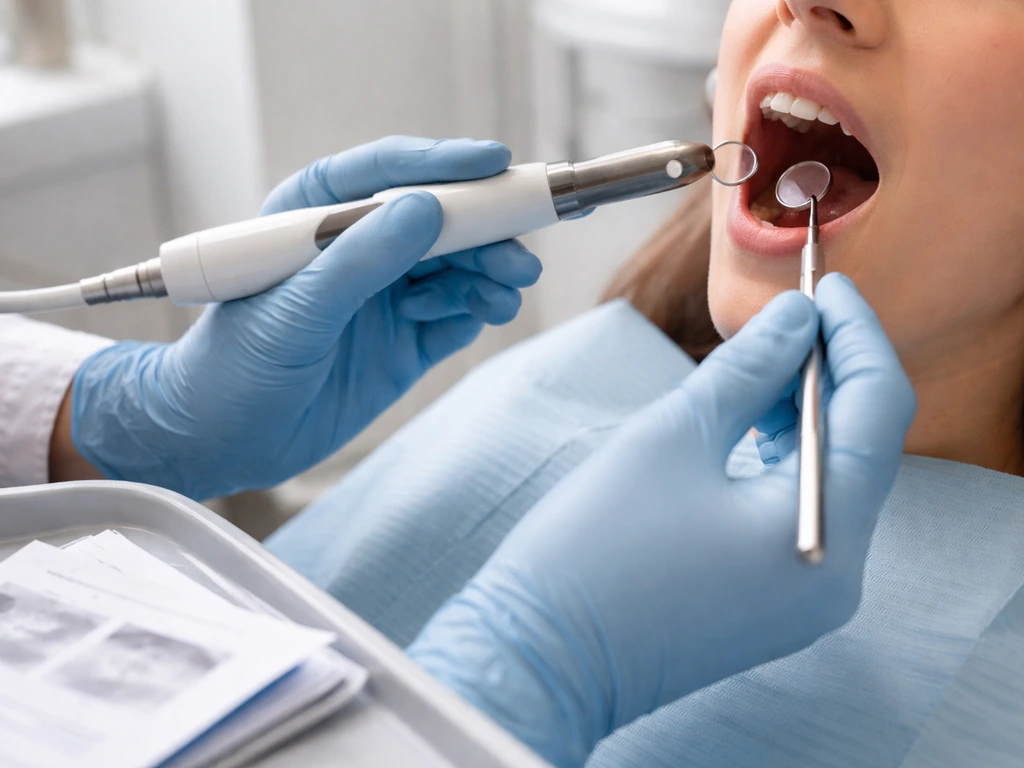
If you or your child has teeth that look small, here's what a proper evaluation actually involves. It's not just a visual glance.
- Clinical exam and eruption stage check: The dentist looks at which teeth are present, whether they're fully erupted or still emerging, and how the bite is developing. In kids, they'll compare what they see against standard eruption timelines.
- Photographs and proportional assessment: Clinical photos let the dentist analyze tooth proportions relative to the face, gum levels, and neighboring teeth. This is where they can often spot a gummy smile vs. a genuinely small tooth.
- Measurements: Using calipers or digital models, the dentist can record the actual mesiodistal width of each tooth and run a Bolton analysis to check for tooth-size discrepancies between the upper and lower arches. This gives an objective answer to "is this tooth actually small?"
- X-rays: Panoramic X-rays are especially useful because they show all the teeth, including those that haven't erupted yet. This is how you confirm whether a tooth is delayed, impacted, missing entirely, or developing with an unusual shape. Periapical and bitewing X-rays give more detail on specific teeth when needed. The type and frequency of X-rays are tailored to the patient's developmental stage, per established guidelines.
- Checking for missing or supernumerary teeth: X-rays reveal whether all expected teeth are forming, whether any extra teeth are blocking eruption, or whether a peg-shaped tooth is sitting next to a gap where another tooth should be.
What you can actually do about it
For children still developing: monitoring and early intervention
If your child is between 6 and 12 and their teeth look small or uneven, the most common recommendation is active monitoring with regular check-ups, usually every 6 months. Most apparent size issues resolve on their own as permanent teeth fully erupt and settle. Where intervention is needed early, it's usually about preserving space. If a baby tooth is lost too early (before the permanent tooth is ready), the surrounding teeth can drift and block the eruption path. A space maintainer keeps that space open so the incoming permanent tooth has room to come in properly.
For teens and adults: orthodontics for positioning and space
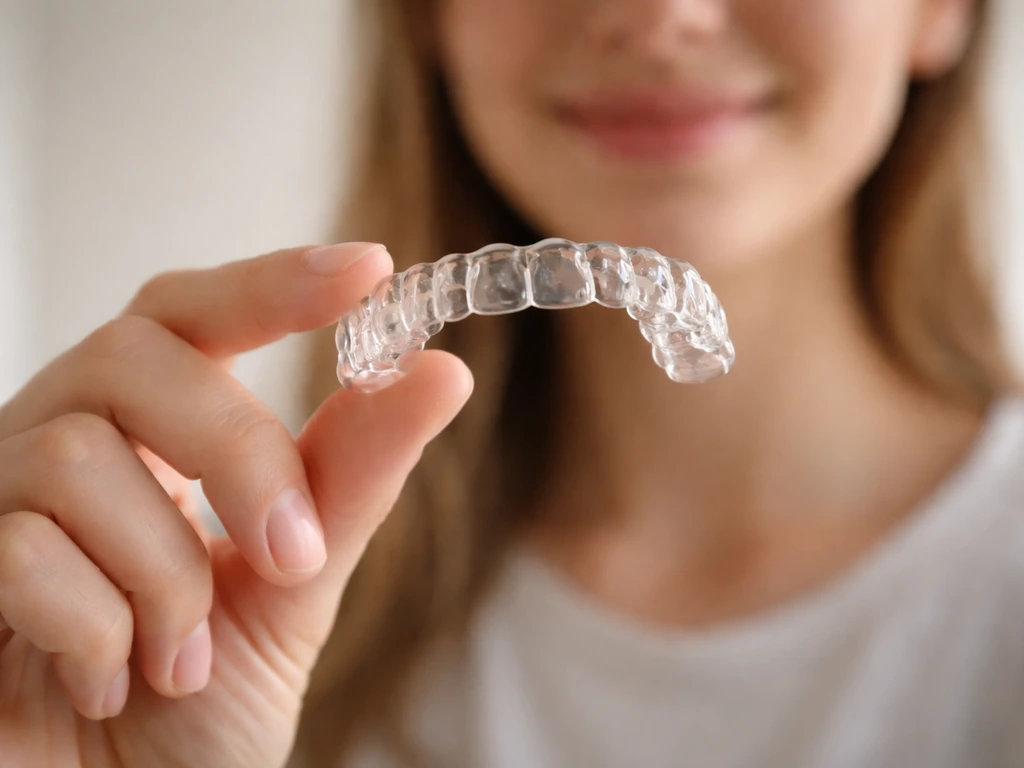
Orthodontic treatment (braces or clear aligners) doesn't make teeth bigger, but it can make them look significantly different by moving them into better positions, opening or closing spaces, and correcting rotations that were hiding part of the tooth. For peg-shaped lateral incisors or situations where a tooth needs to be restored after orthodontics, the sequencing matters a lot. Orthodontics typically happens first to get spacing right, then restorative work is done to build up the tooth to the ideal size and shape.
Cosmetic and restorative options for genuinely small teeth
If a tooth is confirmed to be genuinely small (microdontia, peg-shaped, or worn down), there are several evidence-based options depending on how severe the issue is and what the surrounding teeth look like.
| Option | Best for | What it does | Typical durability |
|---|---|---|---|
| Composite bonding | Mild microdontia, peg laterals, minor chips | Tooth-colored resin sculpted and bonded to the tooth surface | 5 to 10 years with good care |
| Porcelain veneers | Cosmetic reshaping of front teeth | Thin porcelain shells bonded to the front of the tooth | 10 to 20 years |
| Dental crowns | Severely small or structurally compromised teeth | Full coverage cap over the existing tooth | 15 to 25+ years |
| Implant or bridge | Congenitally missing teeth | Replaces the absent tooth entirely | Implants: 25+ years with proper care |
| Orthodontic space closure | Missing lateral incisor with enough space | Moves canine into lateral position, avoids prosthetic replacement | Permanent, with retention |
For congenitally missing teeth like an absent upper lateral incisor, the decision between orthodontic space closure and prosthetic replacement (implant or bridge) depends on bone levels, the position of neighboring teeth, and patient age. Research shows both can produce good esthetic and functional outcomes, and the choice is usually made as part of a multidisciplinary plan involving an orthodontist and a restorative dentist or oral surgeon.
What to expect by age, and when to make the call to book an appointment
Here's a realistic picture of what's normal at each life stage, and the signs that push you from "wait and see" into "book an appointment this week."
| Life stage | What's normal | When to seek evaluation |
|---|---|---|
| Child (ages 5 to 8) | Baby teeth falling out, first permanent molars and incisors erupting and looking proportionally large or small | No permanent teeth by age 7, large gaps not closing, teeth erupting in very unusual positions |
| Child/preteen (ages 8 to 12) | Mixed dentition, patchy appearance, some teeth look big or small relative to others | Teeth noticeably delayed vs. peers, asymmetric eruption, persistent baby teeth past age 12 |
| Teen (ages 13 to 17) | All permanent teeth should be mostly in; size differences becoming clearer | A tooth looks genuinely peg-shaped, spacing seems off, or a tooth appears to be missing |
| Adult (18+) | No further natural growth; any small teeth are at their final size | Any tooth that seems to have gotten smaller (erosion, wear), cosmetic concerns, or suspicion of undiagnosed microdontia or missing tooth |
The clearest signals that you shouldn't wait: a child over age 7 with no permanent teeth coming in at all, obvious asymmetry in eruption (one side erupting and the other side not), a tooth that's been partially erupted and stuck for more than a year, or any adult noticing that a tooth seems to have shortened or changed shape. Those situations all warrant a dental appointment soon, not eventually.
For adults worried about small teeth from a cosmetic standpoint, there's no urgency in the same way, but a consultation with a dentist or orthodontist is still the right first step. They can confirm whether what you're seeing is microdontia, a positioning issue, or something that a relatively simple restorative fix could address. The solutions are real and predictable, they just don't involve your teeth growing on their own.
FAQ
How can I tell if my teeth are actually small (microdontia) or just look small because of alignment?
If your teeth are fully erupted, they typically cannot increase in real size. The most practical “growth-like” changes come from orthodontic repositioning (more tooth crown visible), restorative build-up (bonding, veneers, crowns), or gum contouring. The first step is a measurement visit so you know whether you are dealing with true microdontia versus a visibility or alignment issue.
What should I ask my dentist to check for so we do not guess?
You can ask for a size assessment that includes mesiodistal width measurements and a Bolton analysis-style comparison across the arches, plus photos of what is visible when you smile and bite. If the measurements come back normal, the plan usually focuses on positioning or cosmetic coverage rather than trying to “make” teeth grow.
My child has one tooth that looks smaller and the other side looks different, do I still need X-rays?
At-home observation can’t confirm whether a tooth is missing, delayed, or blocked. If there is a noticeable gap, asymmetry, or an apparent “short” tooth next to a normally formed one, ask whether you need a panoramic X-ray (or targeted dental imaging) to rule out hypodontia or an eruption obstruction.
What if a baby tooth was knocked out early, will that make the permanent tooth look smaller?
If a baby tooth was lost early, a space maintainer can reduce the chance that neighboring teeth drift and block the incoming permanent tooth. If you already missed that window, do not wait longer, because space loss can affect alignment and sometimes the final width and appearance of the later tooth.
At what point does delayed or partial eruption stop being “normal development” and become worth checking?
Timing matters. If a tooth has only just started to erupt, it may look narrow or “tiny” until the crown finishes erupting and the gum margin settles. As a rule of thumb, persistent partial eruption or a tooth that seems stuck for around a year is a stronger reason to get evaluated rather than continuing to wait.
If I have peg-shaped lateral incisors, do I fix them with braces first or bonding first?
Peg-shaped upper lateral incisors are a common pattern, and treatment planning often depends on how the rest of the smile is aligned. If orthodontics is needed, it is usually sequenced before cosmetic build-up so the spaces and tooth positions are correct first, which can reduce the amount of restorative material needed.
Is it more concerning if several teeth look small compared with only one?
Microdontia can be isolated to one tooth or appear in multiple teeth. If multiple teeth look unusually small, it is more likely part of a broader developmental pattern, which can influence treatment choices and whether a full orthodontic and restorative plan is needed rather than fixing a single tooth alone.
Can enamel issues make teeth look small even if the tooth width is normal?
Enamel thickness changes from fluorosis, hypoplasia, or enamel formation problems, can make teeth look different even when their size is normal. Ask your clinician to evaluate enamel quality and shape, because treatment may focus on surface protection, contouring, or restorative coverage instead of size changes.
I’m an adult and one tooth looks shorter, could it be wear rather than a small tooth?
If you are an adult and a tooth looks shorter or narrower, it may be from wear, erosion, grinding, or a past chip, not true size growth. A dentist can check bite forces and enamel wear, and determine whether the fix should be restorative build-up, occlusal adjustment, or protection (like addressing bruxism).
What are common mistakes people make when trying to treat small-looking teeth?
Avoid “teeth growth” supplements or claims that promise natural regrowth. If your concern is appearance, the realistic options are measurement and diagnosis first, then orthodontics, restorative work, and possibly gum contouring. If your concern is missing or blocked teeth, imaging and timing decisions matter more than any product.
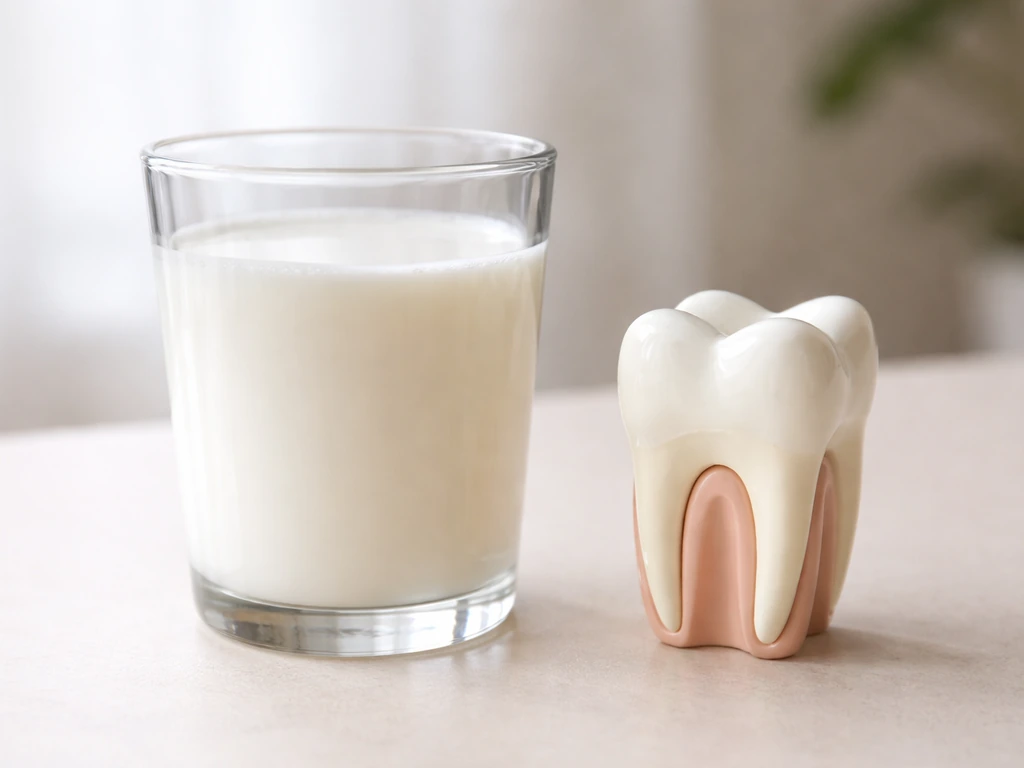
Milk supports normal tooth development with calcium and vitamin D, but it cannot make teeth grow faster or regrow enamel
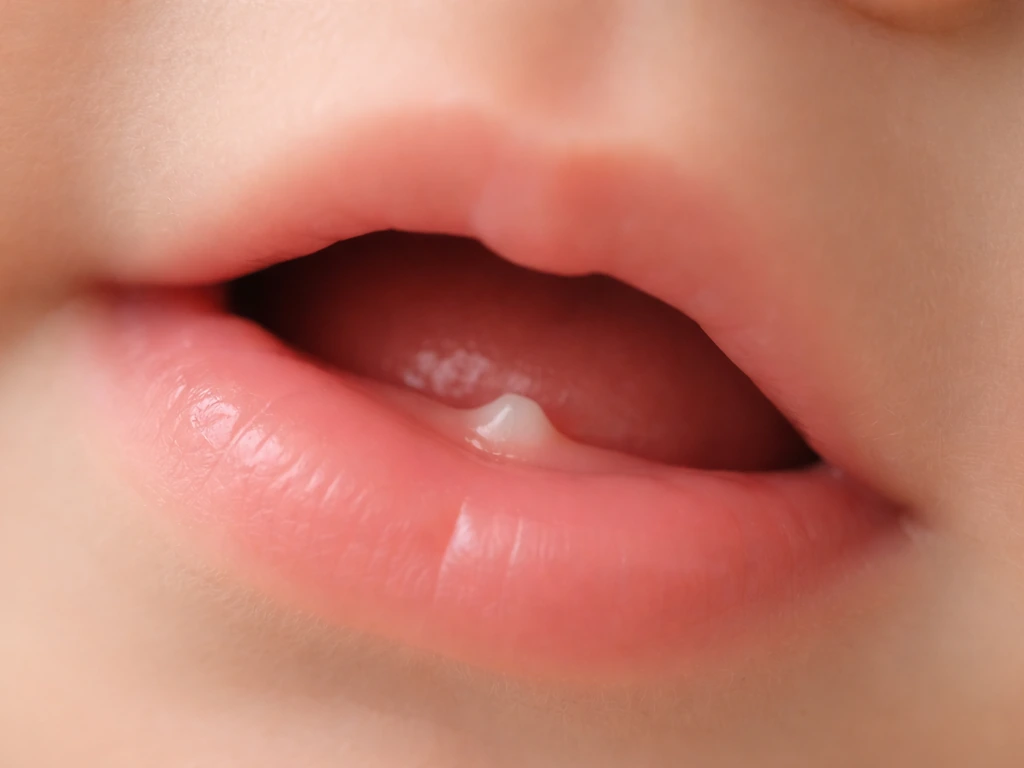
What helps teeth grow: diet, habits, fluoride and timelines, plus myths about regrowth and tips to support healthy erupt
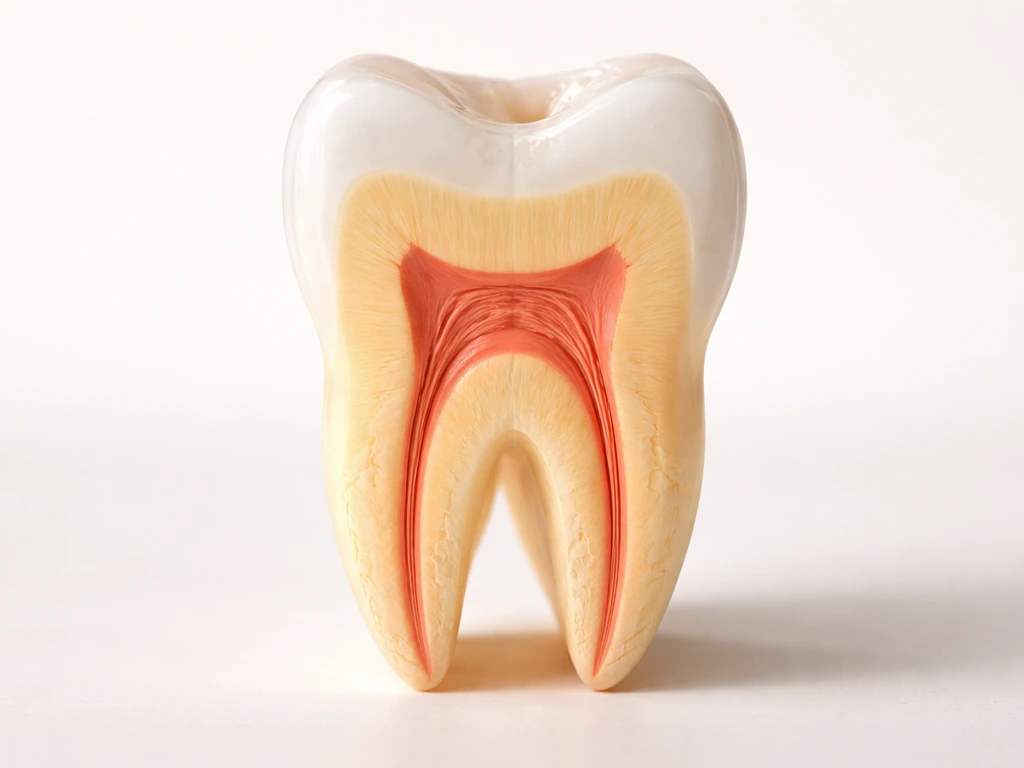
Learn if and how to grow new teeth, what can regrow, and next steps with dentists when natural methods won’t work.