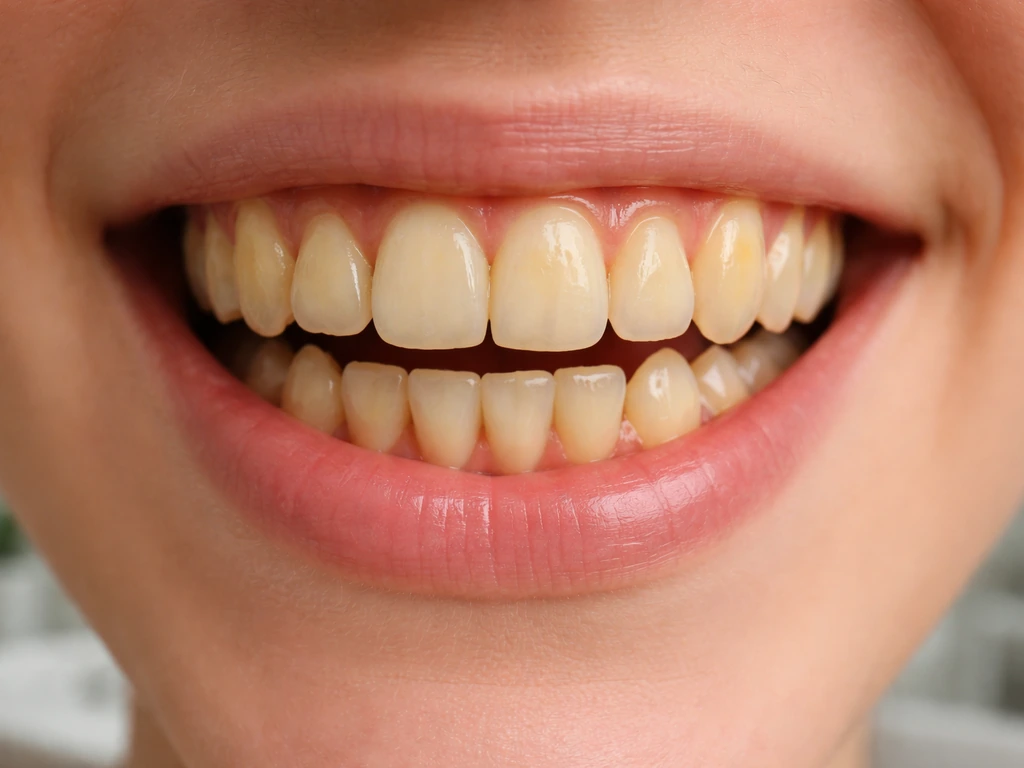
Teeth often grow in yellow because the outer enamel layer is thin, damaged, or stained, allowing the naturally yellow dentin underneath to show through. It can also be surface plaque or tartar buildup, diet and tobacco staining, a developmental defect like molar incisor hypomineralization (MIH), fluorosis, antibiotic exposure during tooth formation, or simply genetics. The good news is that the cause determines the fix, and most people can get a noticeably better result once they know which category they're dealing with.
Why Did My Teeth Grow In Yellow? Causes and Next Steps

Marcus Holloway
26 May 2026
What "yellow teeth" actually means: enamel, dentin, and stains
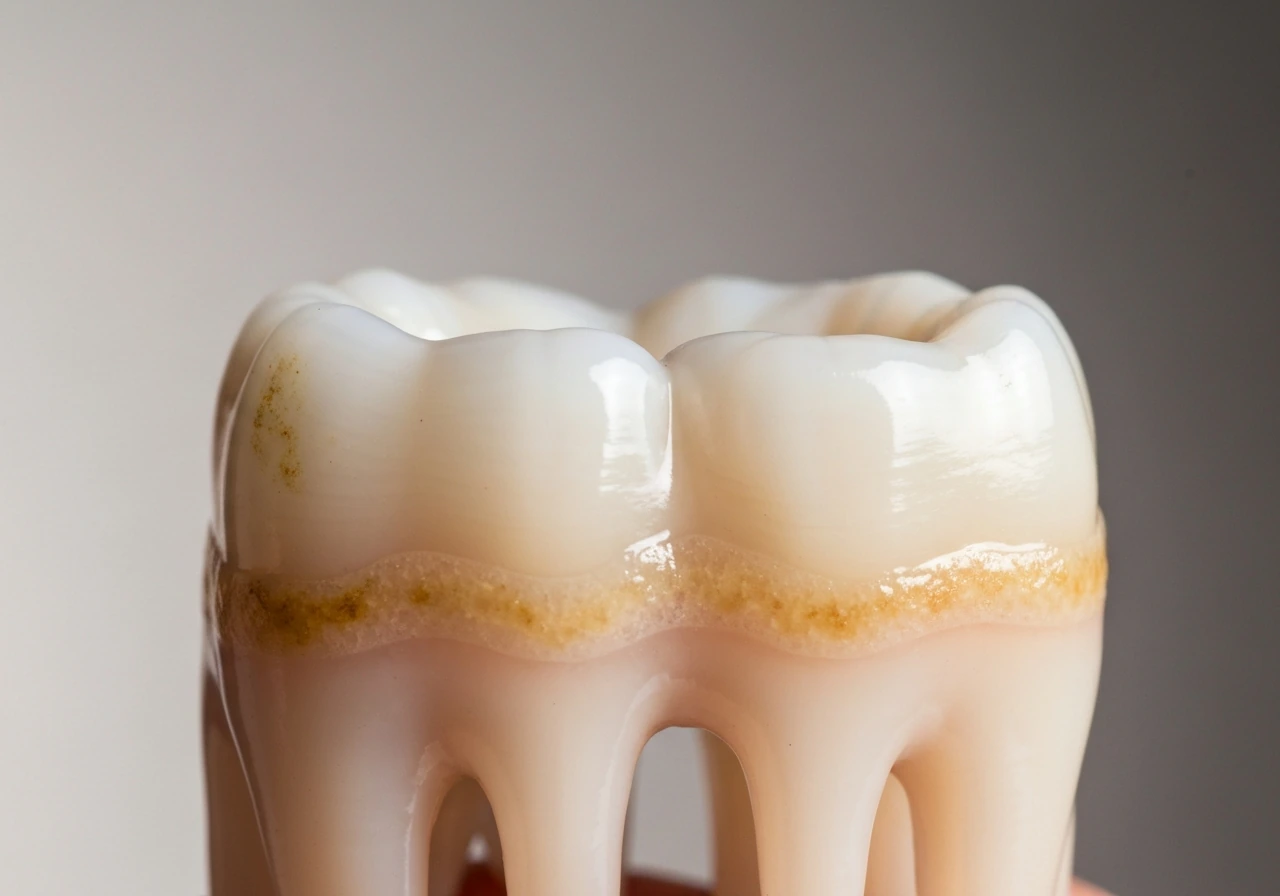
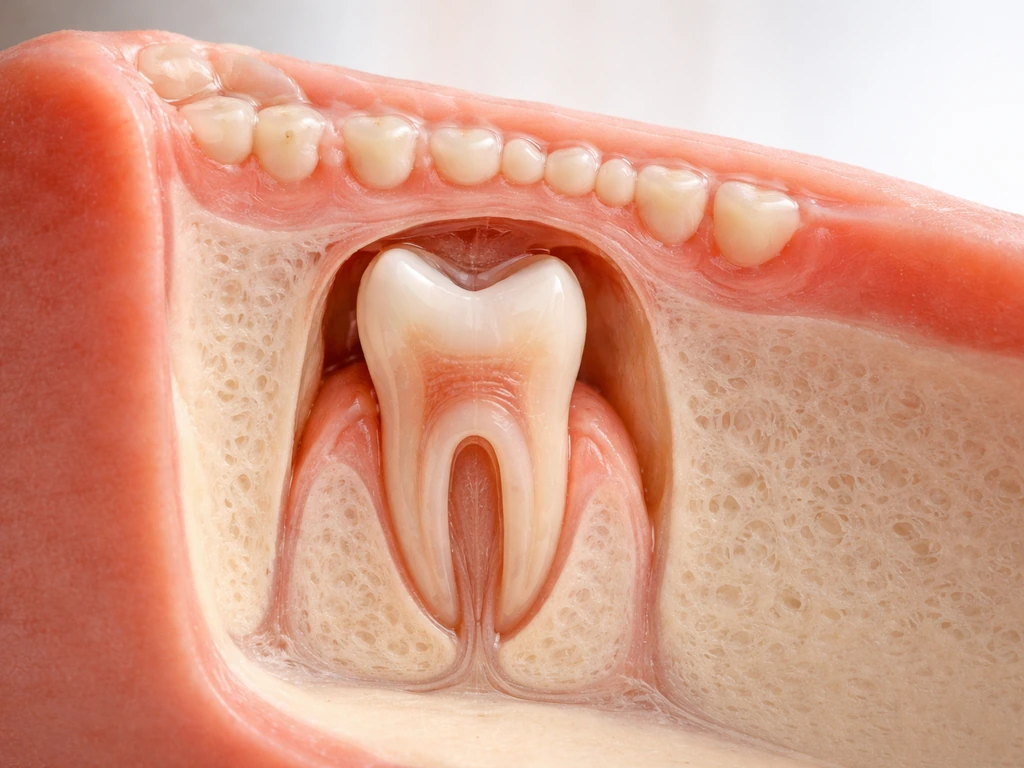
Most people assume yellow teeth mean dirty teeth, but that's not always true. To understand why color changes happen, you need to know that your tooth is basically two layers stacked on top of each other. The outer layer is enamel, which is semi-translucent and ranges from off-white to slightly grey or blue depending on thickness. Directly underneath is dentin, which is naturally a deeper yellow to amber shade. When enamel is thick and healthy, it mutes the dentin color. When enamel wears down, gets damaged, or never fully formed in the first place, that yellow dentin starts to show through more strongly.
On top of that, there are two types of discoloration dentists always distinguish. Extrinsic discoloration sits on or within the surface of the enamel layer, which means it's generally removable with cleaning and whitening. Intrinsic discoloration is built into the tooth structure itself, often in the dentin, and it resists most over-the-counter whitening products because those products can't reach deep enough to change the color at its source. When someone asks why their teeth "grew in yellow," the answer is almost always one of these two categories or a combination of both.
The everyday causes: diet, habits, and hygiene
If the yellowing appeared gradually and you can see a general dull or brownish-yellow film across multiple teeth, lifestyle factors are the most common culprit. Coffee and black tea are heavy contributors because they contain tannins that bind to tooth enamel and leave pigment behind. Red wine works the same way. Tobacco, whether smoked or chewed, leaves behind tar and nicotine deposits that create some of the most stubborn surface staining seen in dentistry. Chromogenic (color-producing) foods like berries, tomato-based sauces, and dark sodas can also accumulate over time.
Poor oral hygiene is another big factor. Plaque is a sticky bacterial film that constantly forms on teeth, and when it's not brushed away properly it starts to absorb pigment from food and drinks. If plaque sits long enough, it mineralizes into tartar (also called calculus), which is a hardened yellow-to-brown deposit that no toothbrush can remove at that point. Professional cleaning is needed to clear tartar, and some practices use a water-and-powder jet specifically to blast away surface stains. The key thing here is that all of these causes are extrinsic, meaning they live on or near the enamel surface and are the most treatable category.
Medical and developmental reasons teeth can be yellow from the start
This is where parents especially need to pay attention. If a child's teeth erupt already looking yellow, chalky, or spotted, the issue often started before the tooth even broke through the gum. Because teeth form in the jaw and erupt through the gums, their development before eruption can affect how they appear once they break through teeth erupt through the gums. Teeth form over years in the jaw, and anything that disrupts that development can permanently alter the color and structure of the enamel.
Enamel hypomineralization and MIH
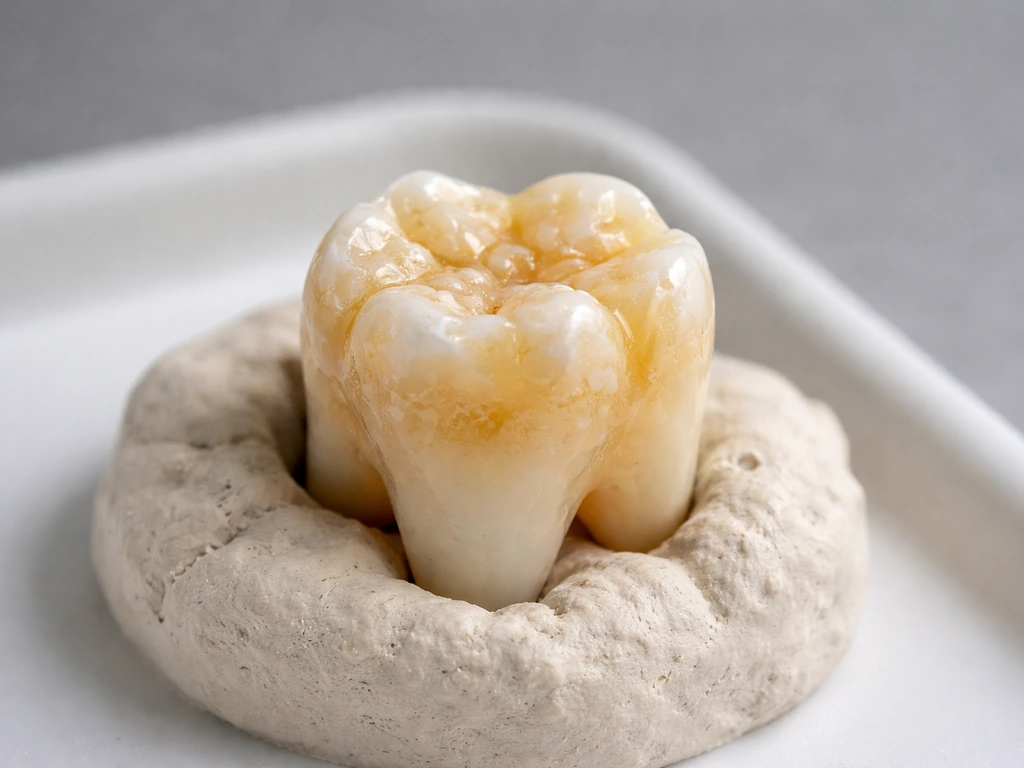
Molar incisor hypomineralization (MIH) is a developmental defect where the enamel of specific teeth, typically the first permanent molars and sometimes the incisors, doesn't mineralize properly during formation. If your teeth haven't fully grown in yet, the cause is often developmental, such as enamel hypomineralization (MIH) or fluorosis. The result is demarcated white, yellow, or brown opacities on the teeth when they erupt. The affected enamel is described as softly porous and chalky in texture, and it tends to be sensitive and more prone to breaking down after eruption. This isn't a hygiene problem. It happened during tooth development, likely before the child was even in school.
Dental fluorosis
Fluorosis happens when a child is overexposed to fluoride during the years their enamel is still forming, usually under age 8. The resulting teeth can show white streaks in mild cases, or light yellow and brown mottled patches in more severe cases, because the subsurface enamel becomes increasingly porous and hypomineralized. Fluorosis is cosmetic in most mild cases but can affect enamel strength in more severe presentations. It's a permanently baked-in change to the enamel's structure.
Tetracycline and other medications
Tetracycline antibiotics taken during pregnancy or given to a child under age 8 (when teeth are still forming) can bind into the dentin of developing teeth, causing yellow fluorescent bands that are visible as lines or diffuse discoloration throughout the crown. Interestingly, teeth can look yellow right after eruption but may darken toward brown or grey over months to years of light exposure. This is a deeply intrinsic stain that whitening products have very limited ability to address.
Enamel wear, cavities, and aging
In adults, enamel naturally thins over decades of chewing, grinding, and acid exposure from diet and reflux. As enamel wears, the underlying dentin becomes more visible and the teeth look progressively more yellow. Cavities and decalcification (early-stage caries) can also create yellowish or brown spots, sometimes starting as chalky white patches that deteriorate further. Genetics plays a role too. Some people simply have naturally thinner enamel or denser, more yellow dentin, which makes their teeth look more yellow regardless of habits.
How to figure out the cause at home
You don't need a dental degree to make a reasonable first assessment. Look closely at your teeth in good natural light and ask yourself a few targeted questions. The pattern and appearance of the discoloration tells you a lot about what's going on.
| What you notice | What it likely means | Next step |
|---|---|---|
| Uniform yellow across all teeth, dull surface | Plaque buildup, tartar, or dietary staining (extrinsic) | Professional cleaning and improved brushing routine |
| Yellow that's worse around the gumline or between teeth | Plaque or tartar accumulation (extrinsic) | Professional cleaning, check flossing technique |
| Chalky white or yellow-brown patches on specific molars or front teeth | MIH or enamel hypocalcification (developmental) | Dentist exam, enamel defect assessment |
| White spots turning yellow or brown, rough texture | Early cavities or enamel hypomineralization | Dentist exam soon, possible remineralization or restoration |
| Sensitivity to cold, sweet foods, or air on yellow/chalky areas | Enamel defect, hypomineralization, or decay | See a dentist; sensitivity on porous enamel is a red flag |
| Yellow that appeared gradually over years in an adult | Enamel thinning with age or heavy dietary staining (often both) | Whitening consultation, assess diet and grinding habits |
| Grey-yellow or brown-yellow with banding patterns throughout tooth | Possible tetracycline staining (intrinsic) | Dentist consult; standard whitening unlikely to help much |
| Mottled white and yellow streaks, teeth formed fine but look patchy | Mild to moderate dental fluorosis (intrinsic) | Cosmetic options: microabrasion, bonding, or veneers depending on severity |
One rule of thumb: if the yellowing is smooth, uniform, and worst on heavily used or least-brushed surfaces, it's almost certainly extrinsic and removable. If it appeared when the tooth first erupted, involves chalky or rough texture, or forms isolated patches with sharp borders, it's more likely intrinsic or developmental and needs a professional assessment before you spend money on whitening strips.
What treatments actually help, and what to realistically expect
For surface stains and plaque
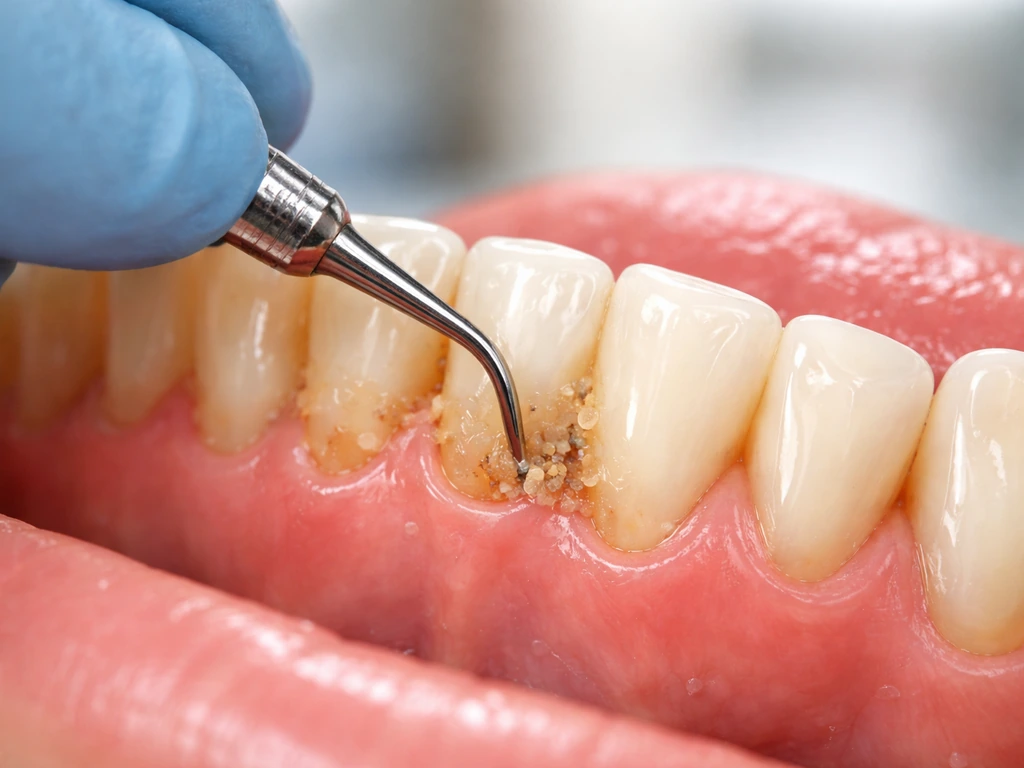
A professional cleaning removes plaque and tartar and can visibly brighten teeth that have been accumulating surface staining from coffee, tea, tobacco, or food. This is the first step for almost everyone, because it's hard to assess or treat the underlying color when there's a layer of buildup on top. After a cleaning, over-the-counter whitening products (whitening toothpastes, strips, trays) work reasonably well on remaining extrinsic staining in the enamel. Most stains are extrinsic and correctable this way. Results are usually visible within a few weeks of consistent use.
For intrinsic staining and mild enamel defects
Intrinsic staining, including tetracycline banding and moderate fluorosis, is far more resistant to whitening. OTC products have little to no impact because they can't penetrate deeply enough to change color embedded in dentin. Professional in-office whitening using stronger agents can help in some cases of intrinsic staining, but the ADA is clear that outcomes depend heavily on the type of intrinsic stain. Microabrasion is another option for surface-level intrinsic spots like mild fluorosis: it uses an abrasive acidic slurry to remove a thin outer layer of stained enamel and is often combined with chemical whitening for better results.
For significant enamel defects and severe discoloration
When the discoloration is severe or the enamel itself is structurally compromised, restorative options come into play. Composite bonding involves applying tooth-colored resin over the affected surface, which can mask discoloration and protect weakened enamel. Porcelain veneers are thin shells bonded to the front of teeth and offer a longer-lasting, more esthetic solution for front teeth that have significant intrinsic staining or hypomineralization defects. Crowns are reserved for teeth where the enamel breakdown is so advanced that the tooth structure itself needs protection, which is often the case with severely affected MIH molars in children and adults. None of these options restore natural enamel, but they cover and protect what's there.
For early decay and white spot lesions
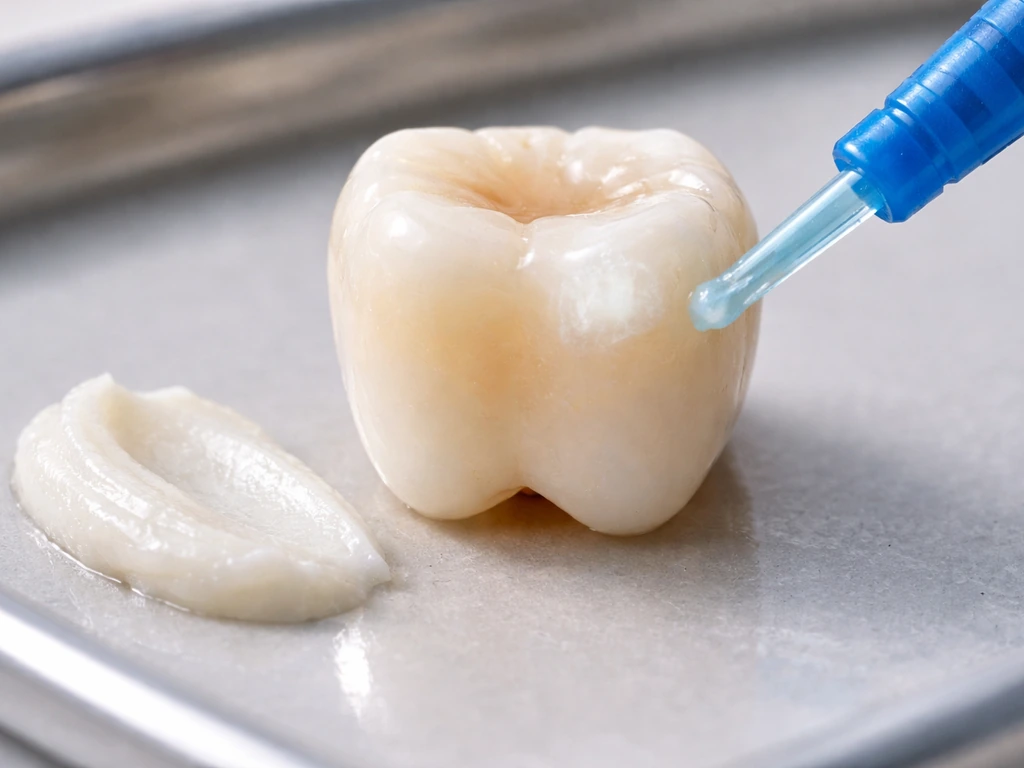
If the yellow or brown spots are early-stage cavities or decalcified lesions, the first-line approach is remineralization: fluoride treatments, remineralizing toothpastes, and improving oral hygiene to allow minerals to be redeposited into the porous enamel surface. Evidence does support that early white spot lesions can partially remineralize at the enamel surface. However, if the decay has progressed into a cavity, drilling and filling is the appropriate treatment.
Can teeth enamel or color actually "grow back"?
This is the big question for a site focused on dental regeneration, and the honest answer is: not really, and definitely not in the way most people hope. Mature enamel is acellular, meaning it contains no living cells. The cells that built your enamel (ameloblasts) are lost after the tooth erupts. Once enamel is gone or damaged, there is no biological mechanism in the human body that can regenerate it. Any remineralization that does occur is limited to micrometre-scale mineral redeposition at the enamel surface, and it cannot rebuild bulk enamel or fully restore structural integrity once significant loss has occurred.
Color doesn't "grow back" either. If the yellowing is caused by thin or damaged enamel revealing more dentin, the only way to change that appearance is to either whiten the remaining surface (which has limits) or cover it with a restoration. If the yellowing is from staining, that staining can be removed, but your teeth won't re-whiten on their own just by stopping the staining habit. The color change requires active intervention. Enamel research is ongoing and there is genuine scientific interest in developing ways to regrow or remineralize enamel beyond current limits, but no clinically available treatment as of today can restore fully formed enamel.
The only context in which "growing" is relevant here is tooth eruption itself. If you are wondering why extra teeth grow, it can be related to how teeth develop and erupt, so a dentist can help pinpoint the cause tooth eruption. You might also wonder why teeth sometimes appear behind or as they erupt, especially when enamel forms differently during development.
You can also think of tooth growth as starting in the jaw during development before eruption, which is why the question where do teeth grow from matters for understanding color changes. Relatedly, understanding how do teeth grow from the jaw helps explain why newly erupted teeth can appear naturally yellow at first how teeth grow. A newly erupted tooth that looks yellow simply reflects the natural color of that tooth's enamel and dentin as it was formed. Related to how teeth grow and how they push through gums, the eruption process itself doesn't change or cause yellowing.
Relatedly, the eruption process is what explains how a tooth emerges from within the jaw and pushes through the gum line how teeth grow and how they push through gums. If you are wondering why teeth also look crooked, it often comes down to how the jaw develops and whether there is enough space for each tooth to erupt properly why do teeth grow crooked. If you are wondering why teeth also look crooked, alignment issues can start during childhood development and can be influenced by how the teeth erupt why do teeth grow crooked.
This is why timing and development matter when you wonder how do teeth grow in the first place how they push through gums. If you're also wondering where teeth grow from, it's the developing tissues in the jaw that form the tooth before it erupts through the gums how do teeth grow in the first place. What you see when a tooth first comes in is what was built during development, for better or worse.
When to see a dentist soon and what to ask for
Not every yellow tooth is an emergency, but some situations need professional attention sooner rather than later. Get in to see a dentist promptly if you notice any of the following:
- Chalky, rough, or pitted areas on the enamel surface, especially on newly erupted molars or front teeth in a child
- Yellow or brown patches that appeared when the tooth first erupted, not gradually after lifestyle exposure
- Sensitivity to cold, sweet, or air on the discolored areas
- Soft or crumbly spots anywhere on the tooth
- Sudden change in tooth color that wasn't there before
- Any spot that is visibly getting darker or expanding over weeks to months
- Pain or discomfort in a tooth that is also discolored
When you go, don't just ask for a cleaning and call it done. Ask specifically for a shade assessment so you have a baseline to compare against after any treatment. Ask the dentist to check for enamel defects and to tell you whether any discoloration appears intrinsic or extrinsic. If there are spots or rough areas, ask whether X-rays are needed to rule out decay underneath.
Then ask for a realistic plan that separates what cleaning and whitening can achieve from what might need bonding, microabrasion, or a restorative approach. A good dentist won't promise you a Hollywood smile from a whitening kit if the real issue is in your dentin. Get a straight answer about what your specific type of discoloration will and won't respond to, so you can make a smart decision rather than spending money on products that won't work for your situation.
FAQ
Can I tell the difference between yellow teeth from stains versus enamel damage at home?
Yes, use a quick comparison test: after flossing and brushing thoroughly for a couple of days, look again in the same natural light. If the color stays the same or a tooth looks chalky or rough to the touch, that points more toward intrinsic or developmental causes than removable surface staining.
Do yellow teeth ever mean something like decay or weak enamel, not just color issues?
They can. Yellow or brown spots that look chalky, feel rough, or spread over time may be early demineralization or cavities, not just discoloration. A dentist can check with probing and bitewing or periapical X-rays to see if the color is coming from underneath the enamel.
Will whitening toothpaste or strips work if my teeth are yellow but I also have sensitive teeth?
Sensitivity is a clue that enamel may be thin or porous, or that there is exposed dentin. OTC whitening can worsen sensitivity and does not reliably improve intrinsic staining. If you have notable sensitivity, ask for an assessment first, and consider a whitening plan that prioritizes desensitizing before higher-strength treatment.
What if only a few teeth are much more yellow than the rest?
Spotty, sharply bordered discoloration on specific teeth often suggests intrinsic causes like MIH, fluorosis patterns, or localized antibiotic staining, rather than general surface staining. When only certain teeth are affected, professional exam matters because cleaning alone usually cannot change dentin-based color.
How long should I try an OTC whitening product before deciding it is not working?
If your goal is surface or extrinsic stains, you typically see noticeable change within a few weeks of consistent use. If there is little to no difference after that window, or if the teeth are sensitive and the color looks embedded, it is usually a sign of intrinsic staining where OTC products have limited impact.
Does stopping coffee, tea, or tobacco make teeth look whiter quickly?
Not immediately. Removing new staining helps, but it does not reverse existing stain or restore enamel. You may see reduced new buildup, however the current color often improves only after professional cleaning or whitening, depending on whether the discoloration is extrinsic or intrinsic.
Is “yellowing with age” always normal, and when should I worry?
Some increase in yellow tone is common as enamel thins, but rapid change, patchy brown areas, or rough chalky spots are not something to ignore. Also, if you have frequent reflux, grinding, or you notice worsening sensitivity, your dentist may want to assess erosion and consider protective strategies.
Can fluoride cause yellow teeth in adults?
In adults, excessive fluoride exposure is less likely to cause the classic fluorosis pattern that appears in childhood during enamel formation. In adults, similar-looking mottling can come from enamel defects or early decay, so the deciding factor is the pattern, texture, and whether X-rays show demineralization.
If my child’s teeth came in yellow or chalky, what should I ask the dentist to check first?
Ask whether the pattern suggests MIH (especially first permanent molars and sometimes incisors), whether there are signs of enamel breakdown, and whether the enamel texture is porous. Also ask about sensitivity and prevention, because MIH teeth may need earlier protective care and more frequent monitoring than typical enamel defects.
Do I need X-rays if I only have discoloration but no pain?
Often, yes if the discoloration is in spots, on one or two teeth, or looks chalky or brownish like it could be under the surface. X-rays help rule out cavities or decalcification beneath enamel, which OTC whitening cannot address.
What should I do first at the dental office if I want the best cosmetic outcome?
Ask for a shade assessment before any treatment, and request that the dentist categorize the cause as extrinsic versus intrinsic. Then confirm what improvements are realistically achievable with cleaning and whitening, versus what would require microabrasion, bonding, veneers, or crowns.
Next Articles
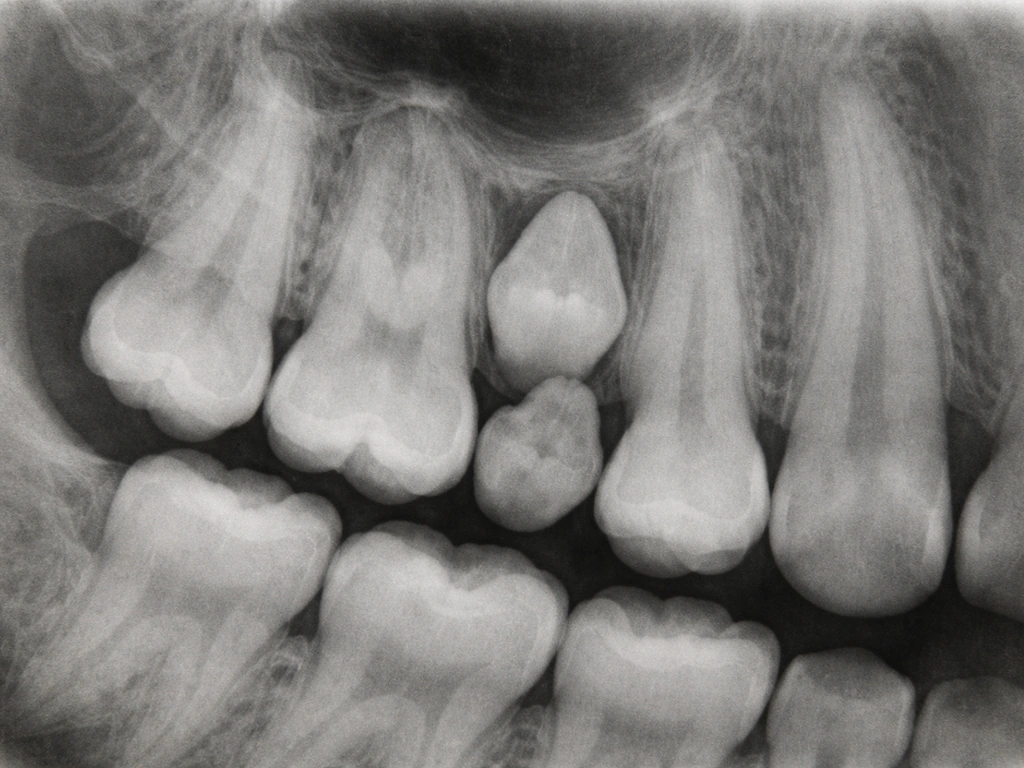
Why Do Extra Teeth Grow? Causes, Timing, and What to Do
Learn why supernumerary teeth appear, typical timing, risks like impaction, and what to do with dentist diagnosis and tr
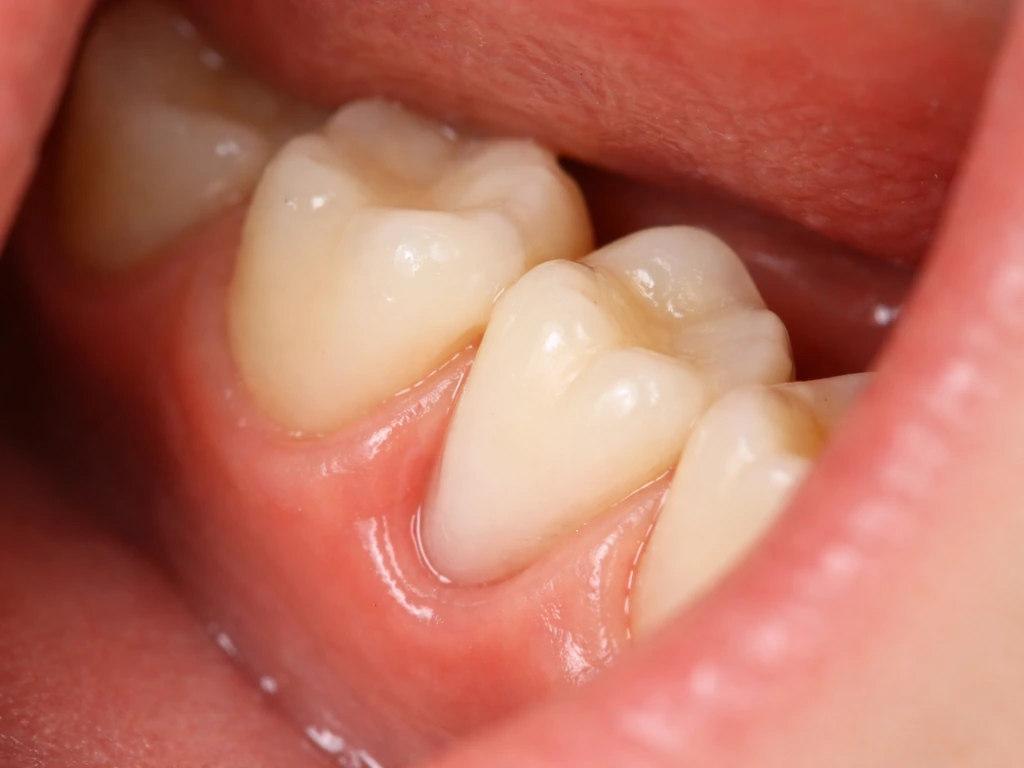
Why Do Teeth Grow Behind Teeth? Causes and What to Do
Learn why teeth appear behind others, normal vs impacted causes, and what dentists do to guide eruption safely.
Where Do Teeth Grow From: Origins, Eruption, and Regrowth Limits
Explains where teeth start in jaw tissue, eruption timing, and why new teeth or enamel can’t regrow from random spots.