Yes, your jaw can still change in your 20s, but not in the way most people imagine. You are not going to have a teenage-style growth spurt at 23. What actually happens is more subtle: small amounts of residual bone remodeling, soft-tissue thickening, and shifts driven by your teeth, posture, and wisdom teeth.
Does Jaw Grow in Your 20s? Growth, Teeth, and What to Do

Marcus Holloway
28 May 2026
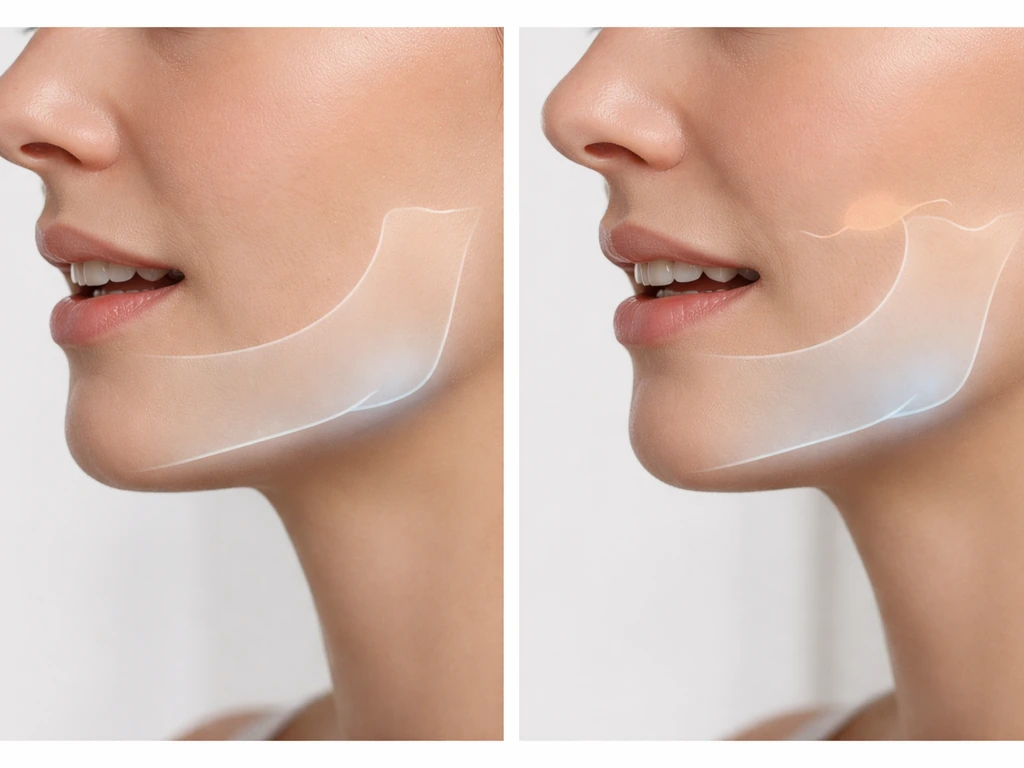
Cephalometric studies have recorded facial dimension changes of roughly 1 to 2 mm between ages 21 and 30, and research confirms that craniofacial remodeling continues at a low level throughout your entire life. So 'the jaw stops at 18' is a myth, but 'my jaw is about to grow like it did at 15' is also a myth.
The reality sits somewhere in between, and understanding it will help you figure out what's actually happening with your face and what, if anything, you can do about it.
What jaw growth actually means after adolescence
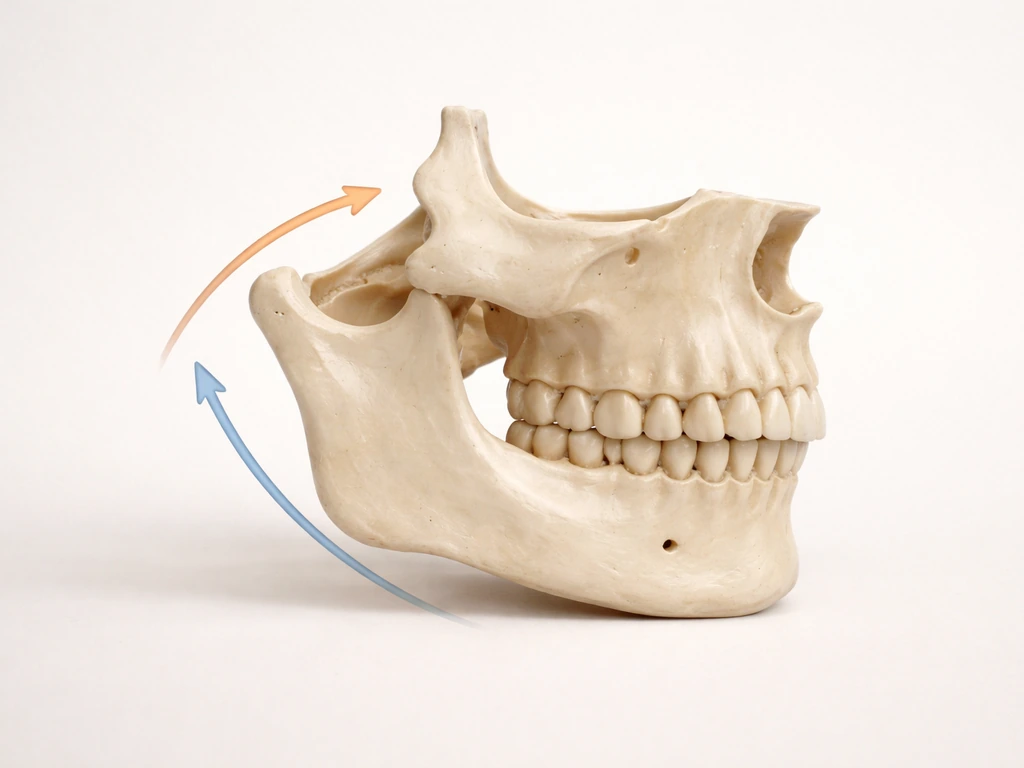
When doctors talk about jaw growth, they mean dimensional changes to the mandible (lower jaw) and maxilla (upper jaw), including bone length, height, and projection. The most dramatic growth happens during childhood and puberty. By your late teens, the major architectural growth is essentially done. But 'done' does not mean 'static.
' The science here is clear: craniofacial remodeling persists throughout the lifetime, and there is no single age when the human skull simply freezes. One detailed review comparing methods to pinpoint growth cessation found that identifying a single stop-date is genuinely difficult because different measurements plateau at different times. A review comparing methods to estimate craniofacial growth cessation notes that [a single “cessation age” is difficult to define](https://pmc. ncbi.
nlm. nih. gov/articles/PMC8829874/) and that craniofacial dimensional changes can continue past adolescence.
The key distinction to keep in mind is growth versus remodeling. True growth means bones are getting longer and reshaping in a significant way, which is largely finished by 18 to 20 for most people. Remodeling means bone surfaces are continuously deposited and resorbed in small amounts in response to forces, aging, and function. That remodeling never truly stops. For practical purposes, your jaw is not growing in your 20s the way it grew at 14, but it is not a rigid, unchangeable structure either.
Typical jaw and facial changes in your 20s: normal vs. not
A longitudinal cephalometric investigation published in the European Journal of Orthodontics tracked adults from roughly 24 to 34 years old and documented measurable facial changes in that window. Another study in people with normal occlusion showed that facial anteroposterior and vertical dimensions increased from ages 25 to 46. The changes are real but small, typically on the order of 1 to 2 mm in any given dimension. That is enough to notice in photos over a decade but not something you will feel happening.
Soft tissue changes matter just as much as bone. Research shows that the timing of the greatest soft-tissue profile changes occurs earlier in females (roughly ages 10 to 15) than in males (roughly 15 to 25). So if you are a young man in your early 20s and your jawline looks noticeably different than it did at 17, that is actually within the normal window. Specific measurements like lower lip thickness and soft chin thickness increase by roughly 0.5 mm from ages 20 to 30, which contributes to a perception of a slightly less prominent lower face over time.
What is NOT normal: persistent jaw pain, a sudden shift in how your teeth fit together, difficulty opening your mouth, clicking or grating sounds, or the feeling that your bite changed overnight. Those are red flags that go beyond normal remodeling and deserve professional evaluation.
How your teeth, bite, and posture shape the way your jaw looks
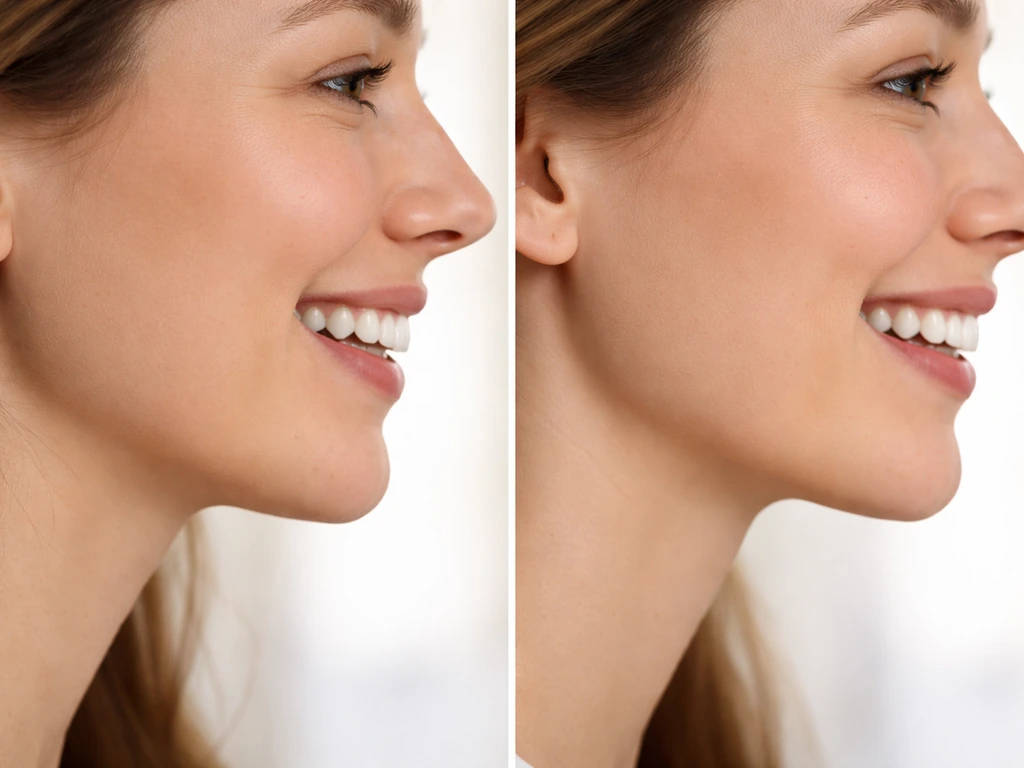
This is where people get most confused. A lot of jaw appearance changes in your 20s have nothing to do with bone growth at all. Tooth position, bite alignment, and even your daily posture and chewing habits can dramatically alter how your lower face looks. When teeth shift (which they do throughout life without retention), the jaw may appear to recede, protrude, or become asymmetric even though the underlying bone has not moved much. Orthodontic research consistently distinguishes between dentoalveolar changes (tooth and surrounding bone movement) and true skeletal changes, because the two look similar from the outside but require very different solutions.
Posture is another underappreciated factor. Forward head posture, habitual mouth breathing, and tongue position can all influence how the lower jaw rests and how your facial profile looks in photos or in the mirror. These are not structural jaw changes, but they can make it seem like your jaw has shifted. If you notice your jaw looks or feels different, it is worth asking whether anything else has changed: sleep position, stress-related clenching, a new bite guard, or even significant weight change. All of these affect the appearance of the jaw without involving bone growth.
Wisdom teeth in your 20s: eruption timeline and what they do to your jaw
Wisdom teeth (third molars) typically erupt between ages 17 and 25, according to the American Association of Oral and Maxillofacial Surgeons. That means for many people, the process of wisdom tooth eruption is happening right alongside whatever other jaw changes are occurring in their 20s. The timeline is highly variable: panoramic radiograph studies show substantial overlap in eruption stages across different chronological ages, so there is no exact age when everyone finishes. Some people's wisdom teeth do not fully emerge until the mid-20s, and in some cases root formation is delayed even further.
What wisdom teeth can do to your jaw and other teeth is significant. Impacted wisdom teeth (those that do not fully erupt) can press against neighboring molars, cause crowding of the front teeth, lead to infection in the surrounding gum tissue, and in rare cases damage the roots of adjacent teeth. If the molars are being pressed on by impacted wisdom teeth, it can also relate to molars grow at what age and when eruption might cause crowding.
They do not technically make your jaw bone grow, but they can absolutely change your bite alignment and the appearance and health of your surrounding dental structures. If you are in your 20s and noticing new crowding, jaw discomfort in the back of the mouth, or swelling near the last molar, wisdom tooth evaluation is the first step. An x-ray (usually a panoramic film) will show where those roots are and whether they are causing problems.
What dental structures can and cannot regenerate
This matters because people searching about jaw growth often wonder whether their jawbone, enamel, or gum tissue can grow back on its own. Do molars fall out and grow back depends on which teeth are affected, but most permanent teeth do not regrow after loss regenerate. The honest answer depends entirely on which structure you are asking about.
| Structure | Can It Regenerate? | What Actually Happens |
|---|---|---|
| Tooth enamel | No | Mature enamel is acellular. The cells that made it (ameloblasts) are lost after tooth formation, so enamel cannot repair itself once damaged. |
| Jawbone (cortical/trabecular) | Limited remodeling, not regrowth | Bone continuously remodels in response to forces throughout life, but does not regrow lost volume on its own without surgical intervention. |
| Alveolar bone (around teeth) | Possible with treatment | Periodontal regenerative procedures (bone grafts, guided tissue regeneration) can restore some lost alveolar bone in specific disease contexts. |
| Gum tissue | Partially, with limits | Minor gum recession can sometimes stabilize; significant recession usually requires grafting and does not reverse on its own. |
| Dentin (inner tooth) | Very limited | Dentin can deposit small amounts of tertiary dentin in response to injury, but this is minimal and not a meaningful repair mechanism. |
The key myth to bust here: your jawbone will not simply regrow if you lose it to periodontal disease, trauma, or tooth loss. Bone grafting and regenerative procedures can help in specific clinical situations, but they are surgical interventions, not natural processes. Similarly, enamel that has worn down or been damaged by acid is gone for good without restorative dental work. No supplement, exercise, or habit change will regenerate it.
When to get an orthodontic or oral surgery evaluation
Normal jaw remodeling in your 20s does not need medical intervention. But several situations do warrant a professional look, sooner rather than later.
- Your bite feels different or your teeth do not fit together the way they used to, especially if the change happened over weeks or months rather than years.
- You have jaw pain, facial pain, or headaches that seem connected to chewing or jaw movement. These could indicate a temporomandibular disorder (TMD), which affects the jaw joint and chewing muscles.
- You are experiencing jaw clicking, popping, or grating, especially combined with limited opening or pain. The AAFP lists these as classic TMD presentations that benefit from professional evaluation.
- You notice new crowding or shifting of your front teeth, which may signal that wisdom teeth are pushing against existing teeth.
- You have a facial asymmetry that has become more noticeable, or a significant overbite, underbite, or open bite that affects chewing or speech.
- You had orthodontic treatment as a teen and your teeth have shifted significantly since, especially if you stopped wearing a retainer.
- You have jaw pain or swelling near your back molars, which can indicate an impacted wisdom tooth or infection.
At an evaluation, a good orthodontist or oral surgeon will typically want a full clinical exam, a bite assessment, a panoramic radiograph to see all teeth and roots, and often a lateral cephalogram (a side-view x-ray) to assess skeletal relationships. For more complex cases involving potential jaw surgery, a posteroanterior cephalogram and study models may also be taken. The FDA and ADA both recommend that imaging decisions be individualized rather than automatic, so you should not expect to be subjected to a full imaging workup for a minor concern.
Treatment options and what you can realistically expect in your 20s
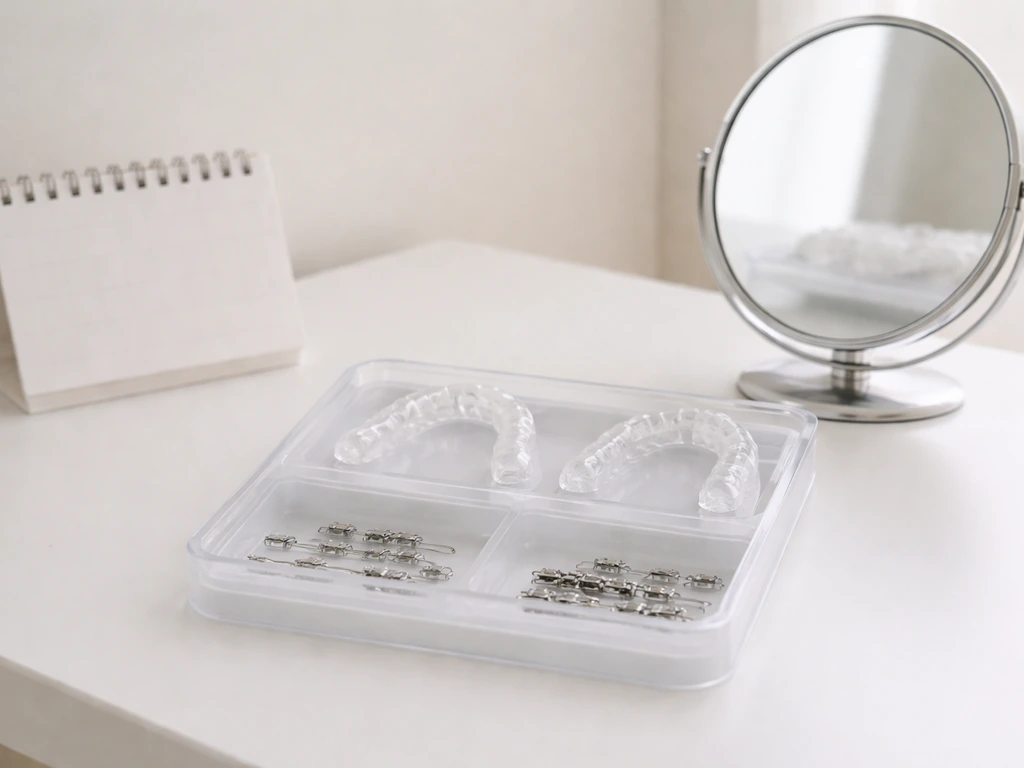
The good news: your 20s are actually an excellent time to address jaw and bite concerns. You are past the major growth phase, which means orthodontic corrections are predictable and stable. Your bone is still relatively adaptable compared to older decades. Here is what is genuinely available to you.
Braces and clear aligners
Adult orthodontic treatment is extremely effective for correcting tooth position, bite alignment, and the jaw appearance changes that come from dental misalignment. A comparative study in adults aged 18 to 50 found that clear aligner treatment (such as Invisalign, worn 20 to 22 hours per day with trays changed every 1 to 2 weeks) produced results comparable to conventional braces, with treatment durations typically in the 12 to 18 month range for moderate cases. The changes from orthodontic treatment are primarily dentoalveolar, meaning they move teeth and the surrounding alveolar bone, which reshapes your bite and facial appearance without requiring jaw surgery. This is an important distinction: if your jaw appearance concerns are driven by tooth position, aligners or braces can make a real visible difference.
Retention after treatment
Whatever your age, teeth move after orthodontic treatment if you do not retain them. In your 20s especially, natural tooth drift combined with wisdom tooth pressure means retention is non-negotiable. Fixed (bonded) retainers on the back of front teeth and removable retainers worn nightly are both common. If you had braces as a teen and things have shifted, an orthodontist can assess whether retreatment or a retainer adjustment is appropriate.
Wisdom tooth removal
If wisdom teeth are impacted or causing crowding, extraction is often recommended. AAOMS notes that impacted wisdom teeth can damage neighboring teeth and lead to infection, and earlier removal in the 20s generally involves faster healing than waiting until the 30s or 40s. This is not a cosmetic procedure, but addressing wisdom tooth problems can prevent bite changes that would otherwise worsen over time.
Orthognathic (jaw) surgery
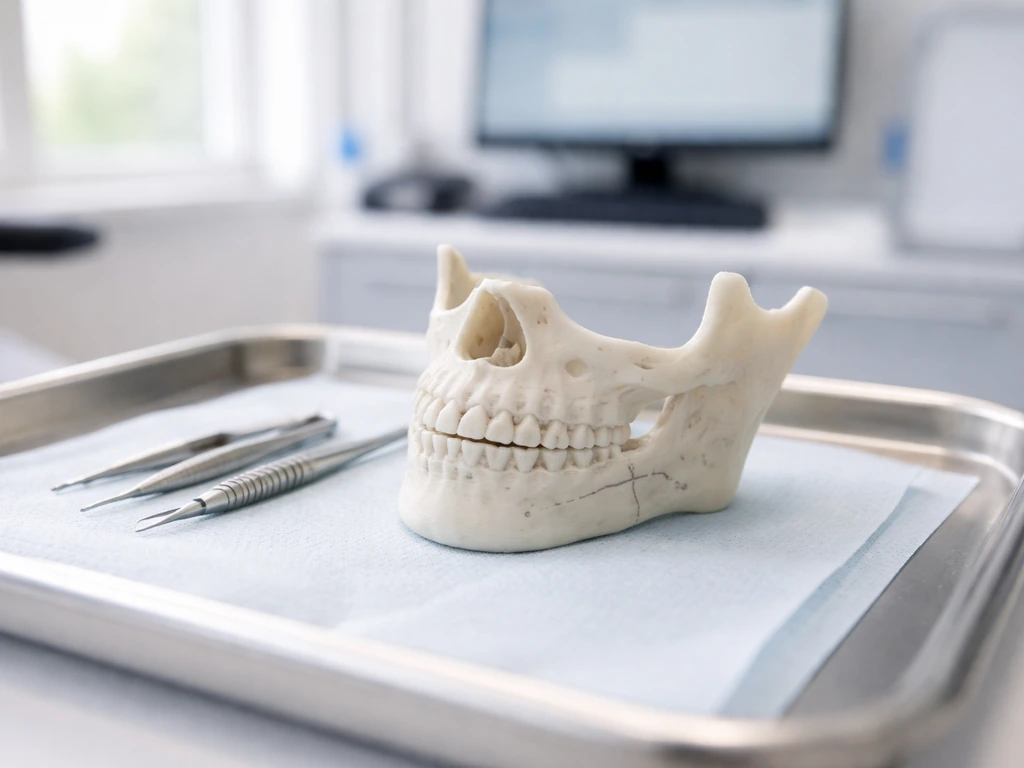
For significant skeletal discrepancies, such as a severe underbite, overbite, open bite, or facial asymmetry that cannot be corrected by moving teeth alone, orthognathic surgery is the evidence-based option. This involves surgically repositioning the upper jaw, lower jaw, or both. It is typically preceded by 12 to 18 months of pre-surgical orthodontics and followed by post-surgical orthodontic finishing. The outcomes for well-planned cases are excellent and stable, but this is a major undertaking requiring an orthodontist and oral surgeon working together. A consultation with an experienced oral and maxillofacial surgeon is the right first step if you suspect you need it.
TMD management
If your jaw changes are accompanied by pain, clicking, or muscle soreness, TMD evaluation is warranted before any other treatment. NIDCR notes that many people with TMD improve without aggressive treatment, and clinical guidelines strongly recommend starting with conservative, reversible approaches: physical therapy, anti-inflammatory medication, occlusal splints, and stress management. Experts specifically caution against treatments that make permanent changes to your teeth or joints without a clear clinical indication, so be cautious about any provider who immediately recommends grinding down teeth or installing crowns to fix your bite.
Realistic expectations: what your jaw will and will not do
Your jaw in your 20s is in a genuinely interesting biological state. The major growth is behind you, but meaningful changes are still possible, both naturally (through continued low-level remodeling and soft-tissue shifts) and through treatment. What you should not expect: a dramatic bone growth spurt, spontaneous regeneration of lost enamel or gum tissue, or your bite to self-correct without intervention. What you can expect: that small natural changes will continue for years, that orthodontic and surgical options can produce significant improvements in your bite and facial appearance, and that wisdom teeth management is often a necessary part of maintaining what you have.
Understanding how the mandible grows and develops, and when those processes naturally wind down, is the foundation for making good decisions about your own jaw health. If you want the bigger picture, reviewing how does the mandible grow will also clarify what changes are normal versus what needs evaluation. If something has changed and you are not sure whether it is normal remodeling or a dental problem worth addressing, an orthodontic or oral surgery consultation is the clearest path to an actual answer. A clinical exam plus a panoramic x-ray will tell you far more than any amount of internet research, including this article.
FAQ
If my jaw looks different from 17 to 25, does that mean my jawbone grew?
Not necessarily. Many noticeable changes are driven by tooth position (dent-alveolar remodeling), wisdom tooth eruption or pressure, and soft tissue thickness shifts. The quickest way to tell is a bite-focused exam plus a panoramic x-ray (and sometimes a lateral cephalogram) to compare skeletal relationships versus dental changes.
Can my jaw “stop” changing after I finish wearing braces?
Orthodontic correction can stabilize quickly, but the mouth still changes through retention and normal remodeling. If you skip retention, natural tooth drift can alter bite and facial appearance even if the jaw bone stays largely the same. Ask your orthodontist for a retention plan tied to your specific drift risk.
Does growth in the 20s differ between men and women?
Yes, soft tissue changes often occur on different timelines, which can make the lower face look different at the same ages. However, the key practical point is that skeletal jaw growth is usually small, so evaluate changes with measurements (bite, alignment, and x-rays) rather than relying on appearance alone.
What are the most common non-growth reasons the jawline appears to shift in your 20s?
Tooth movement from lack of retention, changes in chewing habits, forward head posture, mouth breathing, stress-related clenching, and weight change can all alter how the jaw rests and how photos look. If the “shift” is new, tie it to recent changes in sleep, stress, dental work, or bite guards.
How do I know if my problem is TMD versus orthodontic or jaw growth concerns?
TMD is more likely when there is pain in the jaw muscles, clicking or grinding sensations, morning stiffness, or symptoms that fluctuate with stress and chewing. Orthodontics is more likely when you notice bite mismatch, tooth crowding, or changes that correlate with tooth alignment. If you have pain or joint sounds, seek a TMD-focused evaluation before irreversible dental work.
Do wisdom teeth cause true jaw growth or just crowding?
They usually do not make the jawbone “grow,” but impacted wisdom teeth can shift the bite by pressing on neighboring molars and contributing to front crowding. Look for back-of-mouth discomfort, swelling near the last molar, or new crowding, and get a panoramic x-ray to see root position and angulation.
If I lose teeth, will my jawbone grow back on its own?
Typically no. The article notes that natural regrowth is not the default after tooth loss or periodontal damage, and bone grafting is a surgical option for specific cases. If you are considering extraction or have recent tooth loss, ask about ridge preservation and the timing of any future implants.
Is it normal to have slight jaw changes in photos over a decade?
Yes, small dimensional changes (often around 1 to 2 mm) plus lighting, camera angle, posture, and soft-tissue variation can make long-term photos look different. What is not normal is an abrupt change in how your teeth meet or functional symptoms like limited opening or persistent jaw pain.
Do braces or aligners “grow” the jaw, or just move teeth?
Most adult orthodontic change is primarily dentoalveolar, meaning teeth and surrounding bone adapt, improving bite and facial appearance without requiring jaw surgery. If the goal involves significant skeletal discrepancy, that is where orthognathic surgery evaluation becomes relevant.
What imaging should I expect if I’m worried my jaw is changing abnormally?
For many concerns, clinicians start with a full exam and a panoramic radiograph to assess teeth and roots. A lateral cephalogram may be added to evaluate jaw-skeletal relationships, and more specialized imaging is usually reserved for complex cases. Imaging is generally individualized, so ask which specific question the scan is meant to answer.
Next Articles
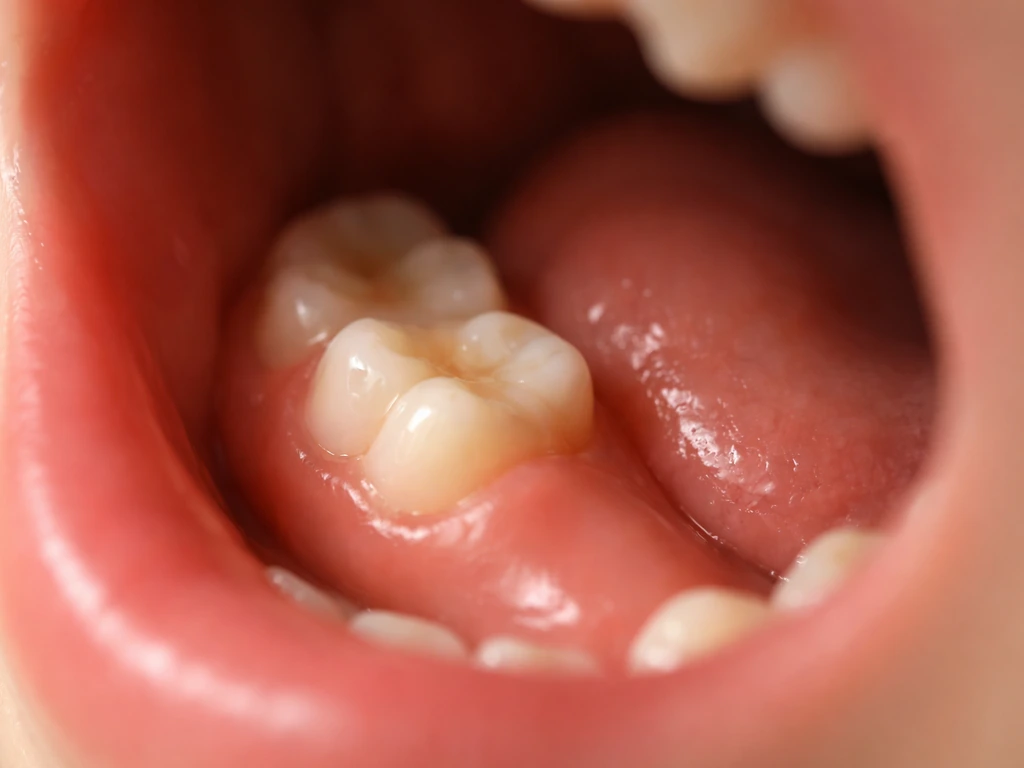
When Molar Teeth Grow: Eruption Timelines and What to Expect
Molar eruption timelines, how tooth growth differs from regrowth, normal ages, delays, and when to see a dentist.
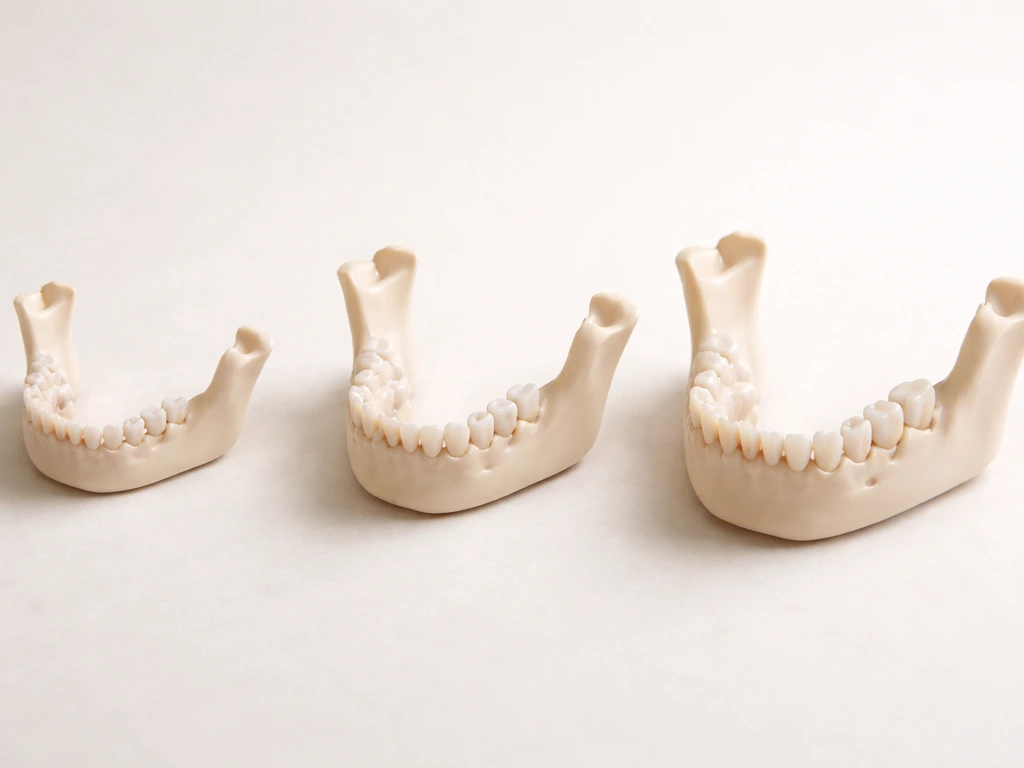
How Does the Mandible Grow and Affect Tooth Development
How the mandible grows from infancy to adulthood, shaping tooth eruption space, alignment, and risks when jaw growth is
Do Molars Fall Out and Grow Back? The Real Answer
Molars and premolars usually do not regrow. Learn when teeth erupt vs when extraction or decay means permanent loss.