For most people, the jaw essentially finishes its major growth by the late teens, but the exact cutoff depends on your sex and when you hit puberty. Girls typically see jaw growth slow and stop somewhere between ages 16 and 18. Boys tend to keep going a bit longer, with growth winding down between 18 and 21, and sometimes slightly beyond. These aren't hard walls where growth just switches off overnight; it's more like a slow deceleration after a peak speed in early-to-mid puberty. After that, your jaw bones are largely done, though teeth, bite, and facial shape can continue to shift in subtler ways for years.
Till What Age Does the Jaw Grow? Real Growth Timeline

Marcus Holloway
14 Jun 2026

What 'jaw growth' actually means
This is where a lot of confusion starts. 'Jaw growth' covers at least three different things that happen on different timelines, and mixing them up leads to a lot of myths. First, there's skeletal jaw growth, meaning the actual mandible (lower jaw) and maxilla (upper jaw) bones getting longer, taller, and wider. Second, there's tooth eruption, which is the biological process of teeth pushing through the gum and bone to reach your bite. Third, there's bite and occlusion change, meaning how your upper and lower teeth fit together shifts as teeth move, as muscles adapt, and as you age. Tooth eruption can happen completely independently of whether your jaw bones are still growing. StatPearls (NCBI Bookshelf) also distinguishes tooth eruption from skeletal growth and notes that the first permanent teeth to emerge are the maxillary and mandibular first molars, often called the 6-year molars, which typically erupt around age six tooth eruption can happen completely independently of whether your jaw bones are still growing. A tooth can continue to drift or erupt well into adulthood without any new bone growth happening at all. Orthodontic treatment also moves teeth through bone remodeling, not by making the jaw grow. Keeping these three processes separate is key to understanding what's actually going on at any given age.
Jaw growth timeline by age
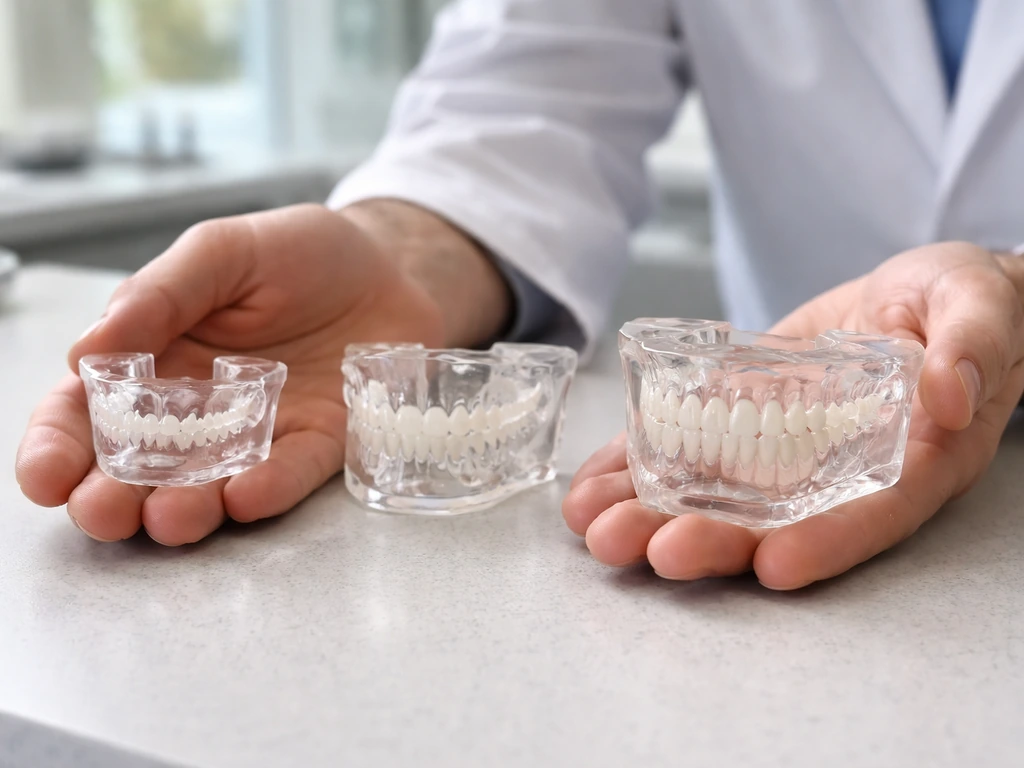
Jaw growth isn't a smooth, steady climb from birth to adulthood. It happens in recognizable phases, and knowing roughly where you or your child falls on that timeline is genuinely useful.
| Age Range | What's Happening |
|---|---|
| Birth to ~5 years | Rapid jaw expansion to accommodate primary (baby) teeth; both jaws growing quickly in all directions |
| ~6 to 9 years | First permanent molars erupt around age 6; mandible and maxilla continue steady childhood growth; incisors replacing baby teeth |
| ~10 to 14 years (girls) / ~11 to 16 years (boys) | Pubertal growth spurt hits; jaw bones accelerate, especially in vertical height and forward length; peak growth velocity occurs here |
| ~14 to 18 years (girls) / ~16 to 21 years (boys) | Growth decelerates sharply after the peak; most skeletal jaw growth is complete by the end of this window |
| Late teens to early 20s | Wisdom teeth may erupt (ages 17–25 is typical); minimal remaining skeletal jaw growth; bite continues to settle |
| 20s and beyond | Jaw bones largely stable; subtle tooth drift, soft tissue aging, and bone density changes continue but are not the same as active growth |
The biggest takeaway from longitudinal research like the Fels Longitudinal Study is that jaw growth doesn't abruptly stop at puberty. Instead, the mandible and maxilla hit a peak growth velocity and then taper off. After that peak, some additional growth still happens, but it's a fraction of what occurred during the spurt. In terms of specific bone landmarks, vertical ramus growth shows the largest percentage increase between ages 7 and 15, followed by forward (sagittal) growth of the jaw body, then width changes.
How growth differs from person to person
Sex is the single biggest driver of differences in jaw growth timing. Girls tend to reach their peak height velocity around 10.5 years, while boys hit theirs around 13.5 years. That two-to-three-year gap matters a lot clinically. Because girls hit puberty earlier, their jaw growth also starts and finishes earlier. The maxilla in girls reaches cessation notably sooner than in boys. The mandible follows a similar pattern, though condylar growth data shows girls average a smaller adolescent peak, around age 12.2 years, and then decelerate quickly afterward.
Genetics also plays a major role in how large the jaw becomes, what direction it grows (more forward versus more downward), and how long the growth period lasts. Research comparing individuals with single versus dual pubertal growth spurts found that those with only one spurt reached their peak several years earlier than those with two distinct growth phases, showing just how much individual variation exists. Skeletal class (whether you have an underbite, overbite, or normal bite) also influences growth duration and intensity, which is why orthodontists pay close attention to skeletal maturation rather than just a patient's age.
When the jaw stops growing and what changes after
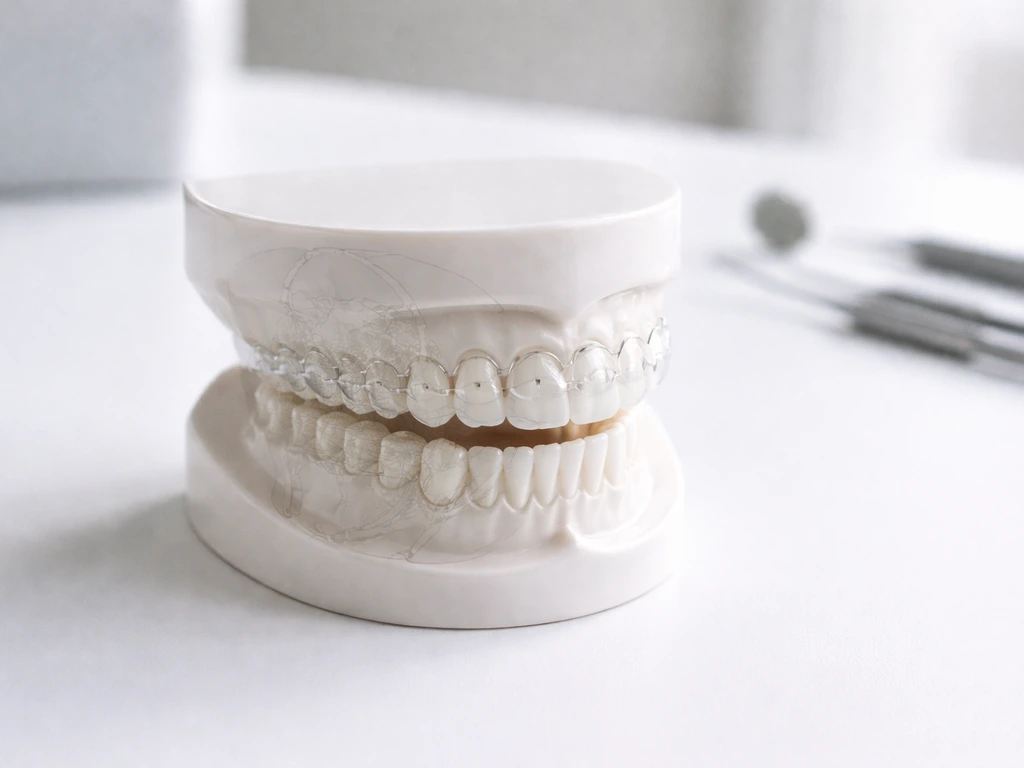
Once skeletal jaw growth is largely complete, your face doesn't freeze in place. A few things keep changing, just through different mechanisms. Soft tissues including the skin, fat pads, and muscles continue to age and shift, so a man's face at 25 looks noticeably different from his face at 45, not because of jaw bone growth but because of soft tissue changes. Teeth also continue to drift slightly over time, which is one reason adults who had orthodontic treatment without permanent retainers often notice some crowding creeping back years later.
For orthodontic purposes, teeth can still be moved at any age through the process of alveolar bone remodeling. Orthodontic forces cause bone resorption on one side of a tooth and new bone formation on the other, shifting teeth through the jaw. This is a completely different process from jaw growth itself. Adults can and do get braces or aligners successfully, though the bone remodeling response can be a bit slower in older adults than in teenagers whose biology is already in an active remodeling mode.
One important clinical consequence of jaw growth completion is timing for jaw (orthognathic) surgery. Surgeons generally wait until growth is finished before operating, because correcting a jaw discrepancy while growth is ongoing risks the correction being undone as the bones keep changing. Mayo Clinic puts the general guideline at around 16 to 18 for females and 18 to 21 or older for males.
Common milestones and questions parents and teens ask
Wisdom teeth and jaw growth confusion
Wisdom teeth are probably the most common reason people wonder if their jaw is 'still growing' in their late teens and early 20s. The short answer: wisdom teeth erupting is not a sign your jaw is still growing in any significant skeletal sense. Third molars typically emerge between ages 17 and 25, though they can appear as early as 13 or as late as the early 30s. By the time most wisdom teeth try to erupt, skeletal jaw growth is already winding down or has finished. Wisdom teeth are among the last molars to erupt, so they often become a factor in where molars grow and whether there is enough room skeletal jaw growth is already winding down. The issue is usually that the jaw simply doesn't have enough room for them, which is why about one in four people worldwide end up with impacted wisdom teeth. An NCBI Bookshelf summary of a systematic review reports that a 2016 meta-analysis found third-molar impaction prevalence of 24.4% worldwide in people aged over 17 years, with mandibular third molars more often impacted than maxillary blank" rel="noopener noreferrer">about one in four people worldwide end up with impacted wisdom teeth. Wisdom tooth eruption is a tooth biology event, not a bone growth event.
Is it too late for braces or orthodontic treatment?
No. Once jaw growth is complete, orthodontic tooth movement still works just fine through bone remodeling. What does change is the window for growth modification, meaning using appliances like expanders or functional appliances to actually influence how the jaw grows. That window is during active growth. The American Association of Orthodontists recommends a first orthodontic screening by age 7 precisely because some problems are much easier to address while growth is still happening. If you're a teen or adult who missed early treatment, you still have options, they're just different options.
Does the jaw keep growing into your 20s?
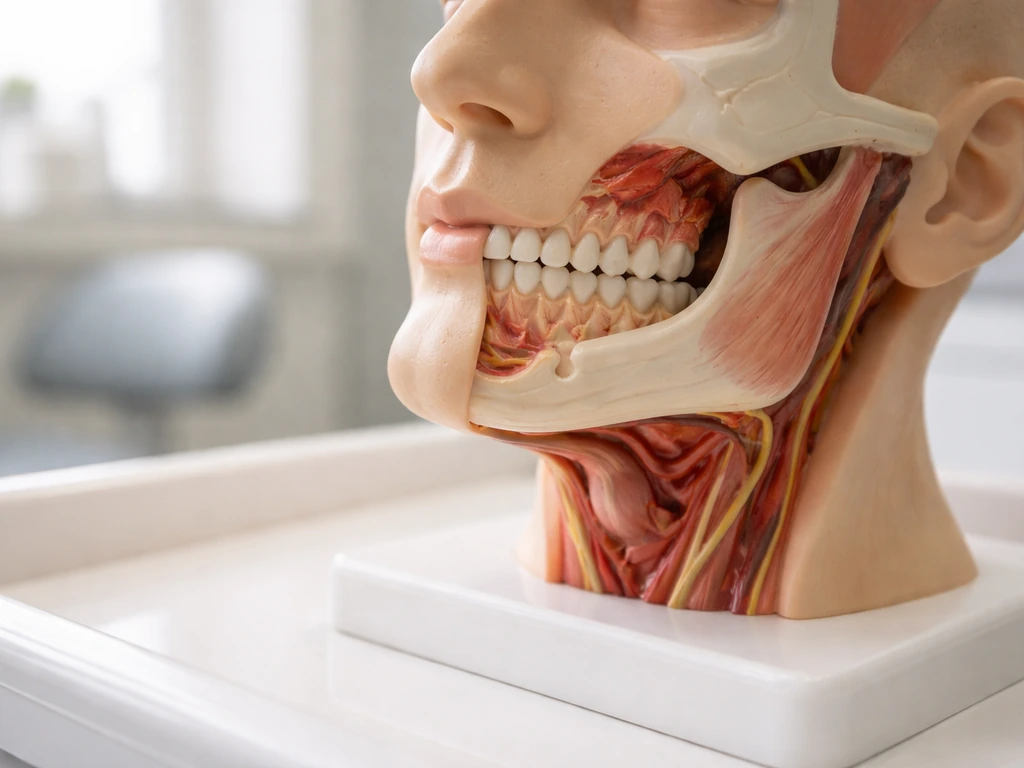
Some minor skeletal changes can persist into the early 20s, particularly in males who have a later puberty timeline. Research shows that intergender differences in facial growth diminish significantly after age 20, suggesting that by then most of the sex-based growth differences have largely played out. What you notice as facial changes in your 20s is mostly soft tissue aging and tooth position settling, not new jaw bone forming. Overall, jaw growth in the 20s is typically limited, and most changes are due to soft tissue aging and tooth position rather than new bone growth does jaw grow in 20s.
Signs that jaw growth might be abnormal
Most jaw growth is completely unremarkable and you'd never think twice about it. But a few patterns are worth flagging to a dentist or orthodontist early.
- A noticeably receding or protruding lower jaw compared to peers of the same age and sex, especially if it seems to be getting more pronounced over time
- Difficulty biting or chewing that wasn't there before, suggesting a bite is shifting as growth progresses
- Significant facial asymmetry, where one side of the jaw looks noticeably larger or positioned differently than the other
- Open bite or crossbite that appears or worsens during the growth years
- Jaw joint (TMJ) pain, clicking, or locking, which can sometimes be linked to abnormal growth patterns
- Teeth that seem to be shifting, crowding, or spacing noticeably even without any dental work being done
- Delayed tooth eruption well outside the normal range, such as permanent teeth still not erupted by the mid-teens
If you or your child shows any of these signs, an orthodontist is the right first call, not just a general dentist. Orthodontists are specifically trained to evaluate skeletal growth patterns using clinical exam, photos, and X-rays including cephalometric radiographs that let them actually measure jaw dimensions over time. Earlier evaluation generally means more options, especially if growth modification is a possibility.
Can the jaw or teeth actually grow back?
Here's where a lot of internet misinformation lives, so let's be direct. The jaw bone itself has real regenerative capacity, but only under the right conditions and with clinical help. Bone grafting procedures, used commonly before dental implants, can add volume and density to jawbone that has been lost to tooth extraction or gum disease. Cleveland Clinic notes these grafts can take up to about a year to fully integrate, and they work because bone tissue can remodel and incorporate graft material. So in a guided, clinical sense, lost jawbone volume can be rebuilt to a meaningful degree.
Teeth are a completely different story. Once a permanent tooth is lost, it is gone. There is no second set waiting. Enamel, the hard outer coating of teeth, also cannot regenerate once it's been worn or damaged; your body has no cells capable of producing new enamel after the tooth has erupted. Some remineralization of early enamel lesions is possible using minerals from saliva and fluoride, but that's reinforcing what's there, not regrowing what's gone. Research into stem-cell-based tooth bioengineering exists and is genuinely interesting, but it remains experimental and nowhere near clinical availability as of today.
Orthodontic movement, which repositions teeth through bone remodeling, is sometimes misunderstood as 'growing' the jaw. It isn't. Braces or aligners shift teeth through existing bone by applying controlled pressure that triggers resorption on one side and new bone deposition on the other. The result is a changed bite and tooth position, not new jaw growth. That's still genuinely useful and can dramatically improve how someone's bite functions and how their face looks, but it's a different mechanism entirely from what happens during adolescent skeletal development.
Practical next steps
If you're a parent wondering about your child's jaw development, the most useful thing you can do is get that first orthodontic screening done by age 7. You don't have to wait until there's an obvious problem. An orthodontist can identify whether growth is on a good track, whether there's a timing-sensitive issue worth watching, and whether any early intervention makes sense. Most kids who get screened at 7 are simply told to come back in a year or two for monitoring.
If you're a teenager or young adult with questions about whether your jaw is still changing, the honest answer is: probably yes, a little, but the heavy lifting is done. If you have a noticeable bite issue or facial asymmetry, get it evaluated sooner rather than later, because surgical correction of skeletal discrepancies is ideally done right after growth ends, not years later. If you're past the growth window and want to improve your bite or alignment, orthodontic options are still very much on the table. And if you're worried about wisdom teeth causing jaw changes, know that eruption problems are about tooth position and space, not jaw bone growth, and your dentist or oral surgeon is the right person to help you figure out whether they need to come out.
FAQ
If I am 22, is my jaw still growing, or is it just my teeth shifting?
At 22, most people have little to no new skeletal jaw growth. Changes you notice are usually tooth drift, settling of bite contacts, or soft tissue aging. If you want to know which process is happening for you, an orthodontist can compare current cephalometric measurements to prior records (if available).
How can I tell the difference between jaw bone growth and normal bite changes?
Jaw bone growth changes skeletal relationships, like how the jaw sits relative to the skull, while bite changes usually reflect tooth position and muscle adaptation. A practical clue is whether your teeth are moving noticeably relative to each other, versus whether your chin, midface, and jaw angle look structurally different in photos taken years apart under similar lighting and angles.
Does late puberty mean my jaw might keep growing later than average?
Yes. People with later puberty often have a later peak and longer slowdown phase, especially for males. The more reliable indicator than age alone is skeletal maturity, assessed from X-rays and growth-stage measures, because two people at the same chronological age can be at different biological stages.
Will wisdom teeth eruption push my other teeth forward?
It can, mainly by taking up limited space or by affecting how the molar series develops, not by causing major jaw bone growth. If wisdom teeth are coming in and your bite feels like it is shifting, ask for an evaluation that includes space assessment and an estimate of impaction risk.
If my teeth are crowded in adulthood, does that mean my jaw never finished growing?
Not necessarily. Adult crowding is often caused by slow tooth drift, changes in chewing patterns, or relapse after orthodontic treatment, even when skeletal growth is complete. Dentists and orthodontists typically evaluate alignment with bite records and tooth movement history rather than assuming a jaw-growth deficiency.
Can braces in teens change jaw growth, or do they only move teeth?
Braces primarily move teeth through bone remodeling, they do not typically “create” skeletal jaw growth. However, certain growth-timing treatments (like functional appliances or expansion methods) can influence jaw development when the patient is still in an active growth window. That distinction depends on the specific appliance and the patient’s skeletal maturity.
What should I do if a doctor said my jaw surgery can’t wait, but I’m still a teenager?
For orthognathic surgery, timing matters because operating during active growth can lead to relapse of the corrected position. Ask the surgeon how they assess skeletal maturity (not just age) and whether they use serial imaging to confirm growth has slowed enough for stability.
Is 7 years old really too early for an orthodontic screening?
For many kids it is appropriate because some issues become easier to manage when guided by growth, especially problems related to jaw development and eruption timing. Even when treatment is not started, the visit establishes a baseline so later changes can be detected early and acted on during the right window.
If I had orthodontics before, can my bite worsen even after the jaw stopped growing?
Yes. Mild relapse can happen because teeth continue to drift over time and bite relationships adapt as you age. Using retainers as recommended is the key difference-maker; without permanent or well-maintained retention, changes can show up years later even if jaw growth has ended.
Are there signs that mean I should see an orthodontist urgently instead of waiting?
Seek an orthodontic evaluation promptly if you notice a rapidly changing bite, significant asymmetry, jaw pain with function, progressive crossbite, or clear functional problems like persistent difficulty chewing. If wisdom teeth symptoms are present, pairing the orthodontic visit with a dental or oral surgery assessment can clarify whether pain is from eruption, infection, or crowding.
Next Articles
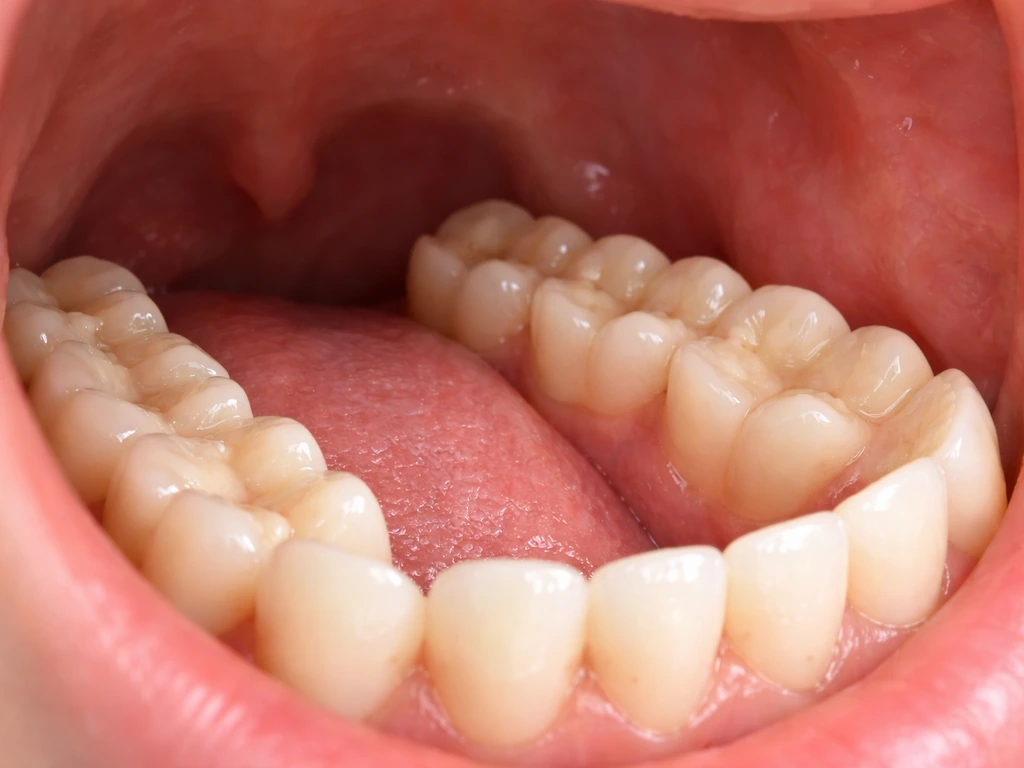
Where Do Molars Grow and When They Erupt
Find where molars erupt in the mouth and their timelines, plus whether molars regenerate after extraction or damage.
Molars Grow at What Age? Eruption Timeline for Parents
Molars growth timeline by type: when first, second and wisdom teeth erupt, what growth means, and when to see a dentist.
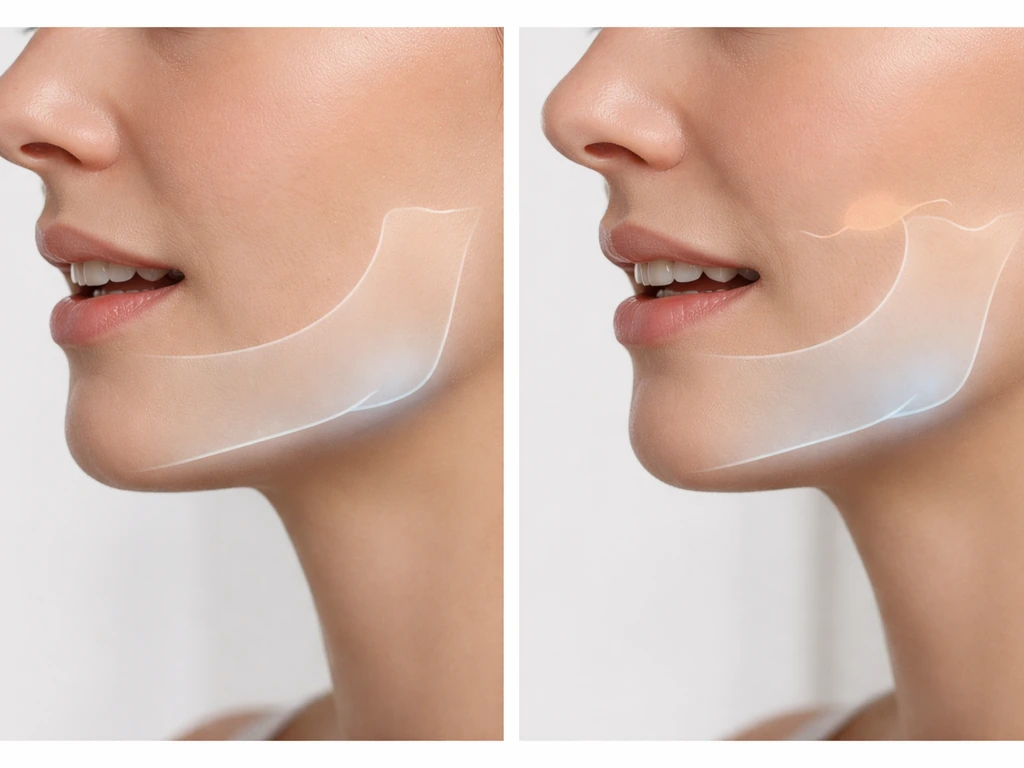
Does Jaw Grow in Your 20s? Growth, Teeth, and What to Do
Find out if the jaw truly grows in your 20s, how teeth and orthodontics change it, and what to do next.