
Molar teeth grow in twice for most people: once as baby (primary) molars starting around 13–19 months, and again as permanent molars beginning around age 6. If you are trying to figure out where do molars grow in your mouth, it helps to know the eruption windows for each type of molar permanent molars. For a quick answer, permanent molars typically erupt starting around age 6, with wisdom teeth arriving later in the late teens to mid-twenties. There's also a third wave for some people: wisdom teeth, which are your third permanent molars, typically arriving between ages 17 and 25. After that, there is no more natural molar growth. Humans are not sharks. You get two sets, and that's it.
When Molar Teeth Grow: Eruption Timelines and What to Expect

Marcus Holloway
23 May 2026
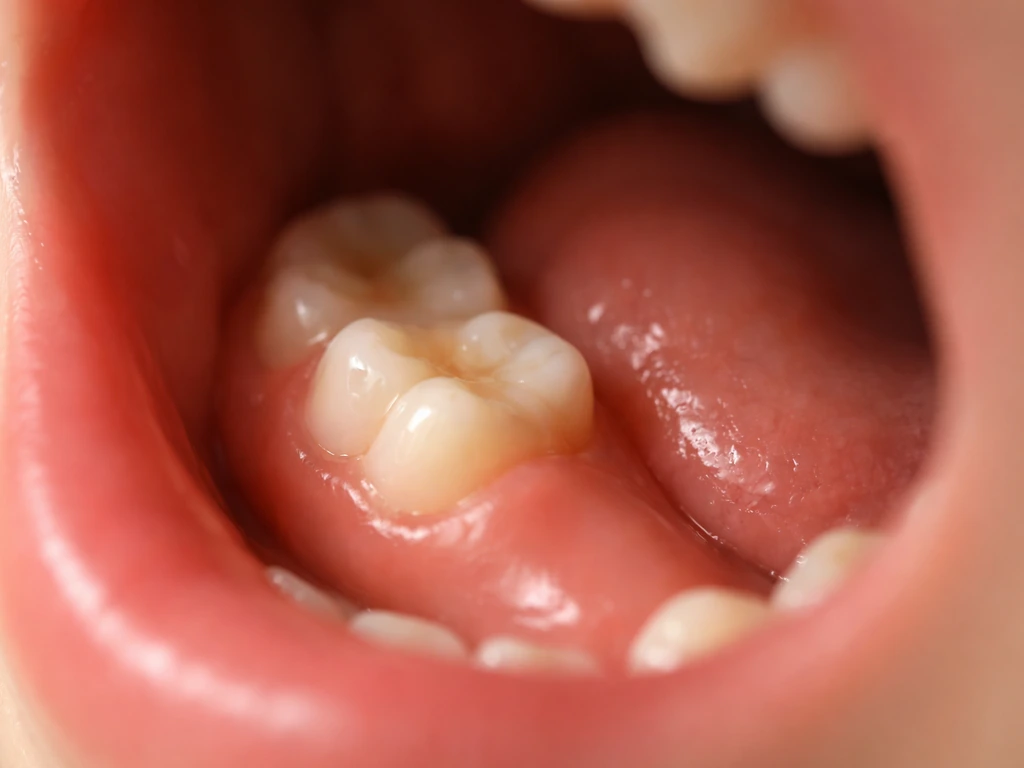
What 'molar teeth growing' actually means
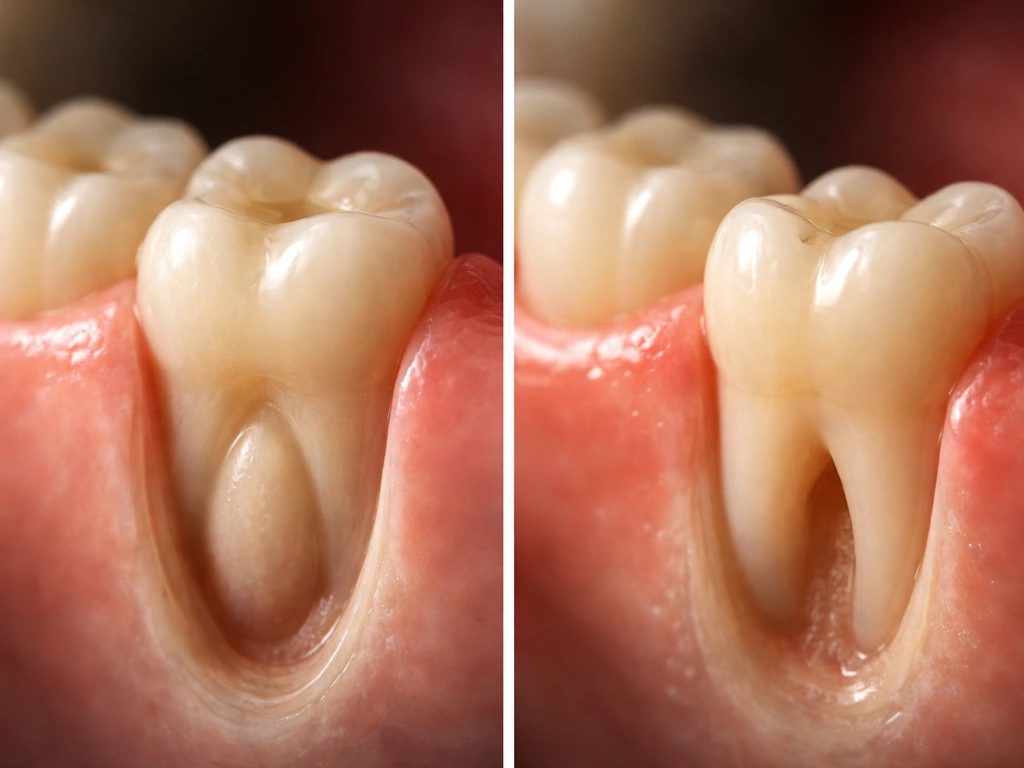
Before getting into the timelines, it helps to clear up what people actually mean when they say a tooth 'grows.' Dentists use the word eruption to describe a tooth breaking through the gum line and becoming visible in the mouth. The tooth itself has been developing inside the jaw long before you can see it. That development goes through distinct stages: bud, cap, and bell stages of the tooth germ, followed by crown formation, then root formation, and finally eruption. So when a parent says 'my kid's molar is growing in,' what's really happening is the completed crown is pushing upward through bone and gum tissue as the root continues to form below it.
This distinction matters because people sometimes confuse tooth eruption with tooth regeneration, the idea that a new tooth is 'regrowing.' It isn't. The tooth was already there, quietly developing in the jaw. Eruption is just the final visible step of a process that started years earlier. True regrowth of a tooth that's already gone is not something the human body does naturally, and that applies to molars just like any other tooth.
There are four types of molars in each arch: the first molar, second molar, and third molar (wisdom tooth). Each has a primary version (except the third molar, which only exists as a permanent tooth), and each has its own eruption window. Knowing which type you're tracking makes the timeline much easier to follow.
When molars erupt: baby teeth vs. permanent teeth
Baby molars arrive first, and they're often the ones that cause the most confusion because parents don't always expect molars to show up that early. Primary first molars typically erupt somewhere between 13 and 21 months of age. Primary second molars come in a little later, usually between 20 and 33 months. By the time a child is around 2.5 to 3 years old, the full set of 20 primary teeth, including all four pairs of baby molars, is usually in place.
Permanent molars start replacing and supplementing the baby teeth in a fairly predictable sequence. The permanent first molars, often called the 6-year molars, erupt around ages 5 to 7. These actually come in alongside the baby teeth rather than replacing them, which surprises a lot of parents. Then the permanent second molars, sometimes called the 12-year molars, arrive around ages 11 to 13. Finally, wisdom teeth (third molars) tend to erupt anywhere from age 17 to 25, and for a meaningful portion of people, they either never fully erupt or are surgically removed before they cause problems.
| Molar Type | Primary Eruption Age | Permanent Eruption Age | Primary Exfoliation (Baby Tooth Lost) |
|---|---|---|---|
| First Molar | 13–21 months | 5–7 years | 9–11 years |
| Second Molar | 20–33 months | 11–13 years | 10–12 years |
| Third Molar (Wisdom) | N/A (no primary version) | 17–25 years | N/A |
How long does it actually take from development to full eruption?
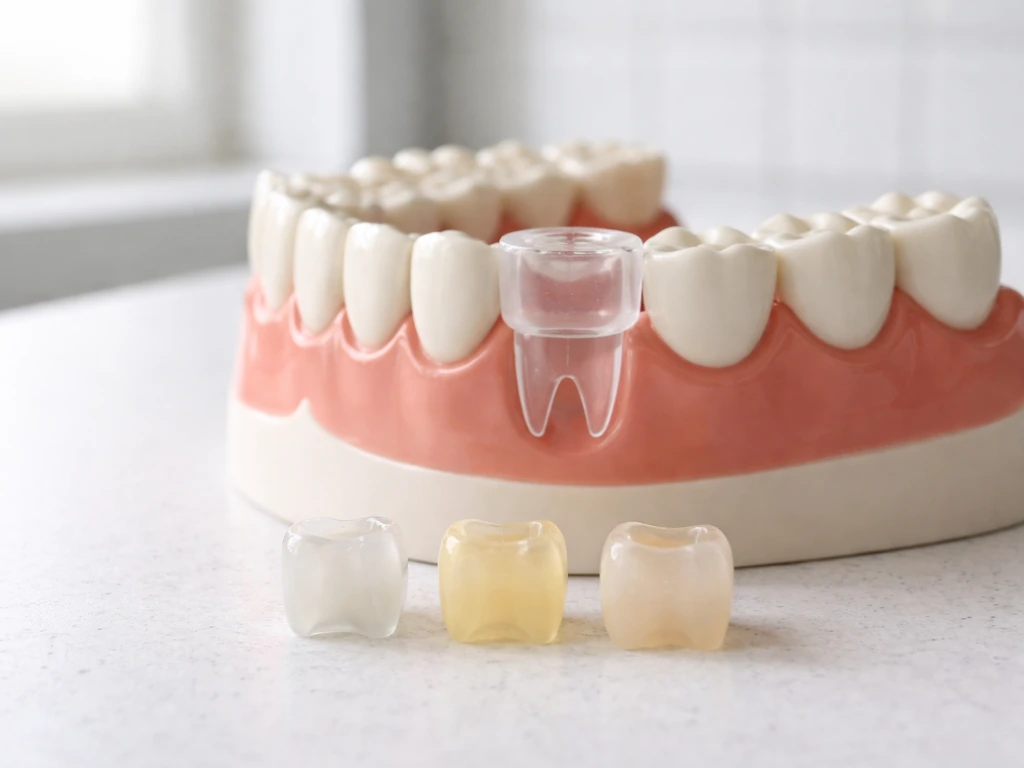
This is where it gets genuinely interesting. The tooth you see erupt has been in development for years before it breaks through the gum. For permanent first molars, calcification of the crown actually begins around birth or shortly after. By the time the tooth erupts at age 6 or 7, the crown has been forming for years and root formation is still underway. The root typically isn't complete until a year or two after the tooth has already appeared in the mouth.
Wisdom teeth have an even longer runway. Crown formation for third molars typically begins in the early teenage years, but eruption doesn't happen until the late teens or early twenties, and in some individuals it never fully happens at all. Jaw development and tooth development are linked, so wisdom teeth often show up in the late teens or early twenties rather than being new growth in your 20s does jaw grow in 20s. So from the start of crown calcification to full eruption and root completion, you can be looking at 10 or more years of quiet development before you ever feel that tooth push through.
For baby molars, the timeline is compressed. Primary first molar calcification begins as early as the fourth month of fetal development. That tooth then erupts around 13 to 21 months after birth, and it's shed by age 9 to 11. The American Academy of Pediatric Dentistry notes that primary dentition is “complete” by about 2.5, 3 years of age, and exfoliation of primary teeth typically spans roughly 6, 12 years for the full set Primary first molar calcification begins as early as the fourth month of fetal development.. So a baby molar's entire life cycle, from first forming in the womb to falling out and being replaced, spans roughly a decade.
How many times do molars actually 'grow'? Myths vs. biology
Here's the myth-busting part: molars do not grow back if you lose them. You get two sets of molars in your lifetime (baby and permanent), and that's the biological ceiling for humans. If a permanent molar is lost to decay, injury, or extraction, no third molar is going to form and fill that space. The cells responsible for building enamel, called ameloblasts, self-destruct after the tooth finishes forming. Once they're gone, the body has no mechanism left to produce new enamel or build a new tooth from scratch.
You might hear about remineralization, which is a real process where minerals from saliva can partially repair very early enamel damage at the surface level. But remineralization is nothing like regrowing a tooth. It can't restore a lost molar, fill a cavity that's progressed past the enamel, or regenerate a tooth that's been pulled. It's mineral repair, not regrowth. The topic of whether molars fall out and grow back is covered in more detail as a sibling topic, but the short version is: baby molars are replaced by permanent premolars (not more molars), and permanent molars don't regenerate. The topic of whether molars fall out and grow back is covered in more detail as a sibling topic, but the short version is: baby molars are replaced by permanent premolars (not more molars), and permanent molars don't regenerate do molars fall out and grow back.
So the count looks like this: two rounds of molar eruption for most people (primary, then permanent), with a possible third event if you count wisdom teeth coming in. After permanent molars are in, the growth story is done. There are no hidden reserves, no third set waiting in the jaw.
What changes the timeline
The ages listed above are averages, not hard rules. A range of factors can push eruption earlier or later, and knowing them helps you stay calm when a child's tooth is a few months off from the textbook schedule.
- Genetics: Family patterns are one of the strongest predictors. If a parent's teeth came in late, the child's probably will too. The same goes for wisdom tooth impaction, which tends to run in families.
- Sex: Girls generally experience tooth eruption earlier than boys, sometimes by several months.
- Jaw space and crowding: When there isn't enough room in the arch, a tooth can be physically blocked or redirected. This is especially common with wisdom teeth, which are last in line and often run out of real estate.
- Nutrition: Severe nutritional deficiencies, particularly calcium and vitamin D, can delay dental development. This is more relevant in children than adults.
- Systemic health conditions: Certain medical conditions including hypothyroidism, Down syndrome, and cleidocranial dysplasia are associated with delayed or abnormal tooth eruption.
- Premature loss of baby teeth: If a primary molar is lost too early, the permanent tooth below may drift or the space may close partially, slowing or complicating the permanent tooth's eruption.
- Local obstructions: A cyst, extra tooth (supernumerary tooth), or dense bone can physically block a molar from erupting on schedule.
- Ectopic eruption: Sometimes a molar starts coming in at the wrong angle, which can stall or redirect it. Ectopic eruption of permanent first molars sometimes self-corrects by around age 7, but not always.
Jaw development also plays a background role in all of this. The jaw needs enough vertical and horizontal growth to provide space for permanent molars, especially second and third molars. Questions about how the jaw develops and when it stops growing are closely tied to molar eruption patterns, particularly for wisdom teeth arriving in the late teens and early twenties. This connects directly to how the mandible grows, because jaw size and shape influence when and where molars can erupt how the jaw develops and when it stops growing.
When should you actually worry about delayed eruption?
Being a few months outside the average window is almost never a cause for alarm on its own. But there are situations where delayed or abnormal molar eruption genuinely warrants a dental evaluation sooner rather than later.
For children, the American Association of Orthodontists recommends an orthodontic screening no later than age 7. By that point, the permanent first molars should be in or nearly in, and a dentist or orthodontist can spot spacing issues, ectopic eruption, or early signs of crowding before they become bigger problems. If your child is well past age 7 and a permanent first molar still hasn't appeared, that's worth a conversation with a dentist and possibly an X-ray.
For second molars, if they haven't erupted by age 14 or 15 and adjacent teeth are already fully in, that gap should be investigated. For wisdom teeth, symptoms like pain, swelling, difficulty opening the mouth, or a bad taste near the back of the jaw are red flags for impaction or infection, and the ADA notes that impacted wisdom teeth can lead to cysts, gum disease, and serious infection if left unaddressed.
- Permanent first molar not visible by age 8
- Asymmetry: the same molar has erupted on one side but not the other, with more than a 6-month gap
- A molar erupting at a visible angle, pushing into an adjacent tooth
- Pain, swelling, or a visible bump in the gum where a molar should be emerging
- Wisdom tooth symptoms after age 17, including jaw stiffness, swelling, or recurring pain at the back of the mouth
- A baby molar that was lost very early (before age 7 for a first molar) with no sign of the permanent tooth below
What to do if eruption seems late or something looks off
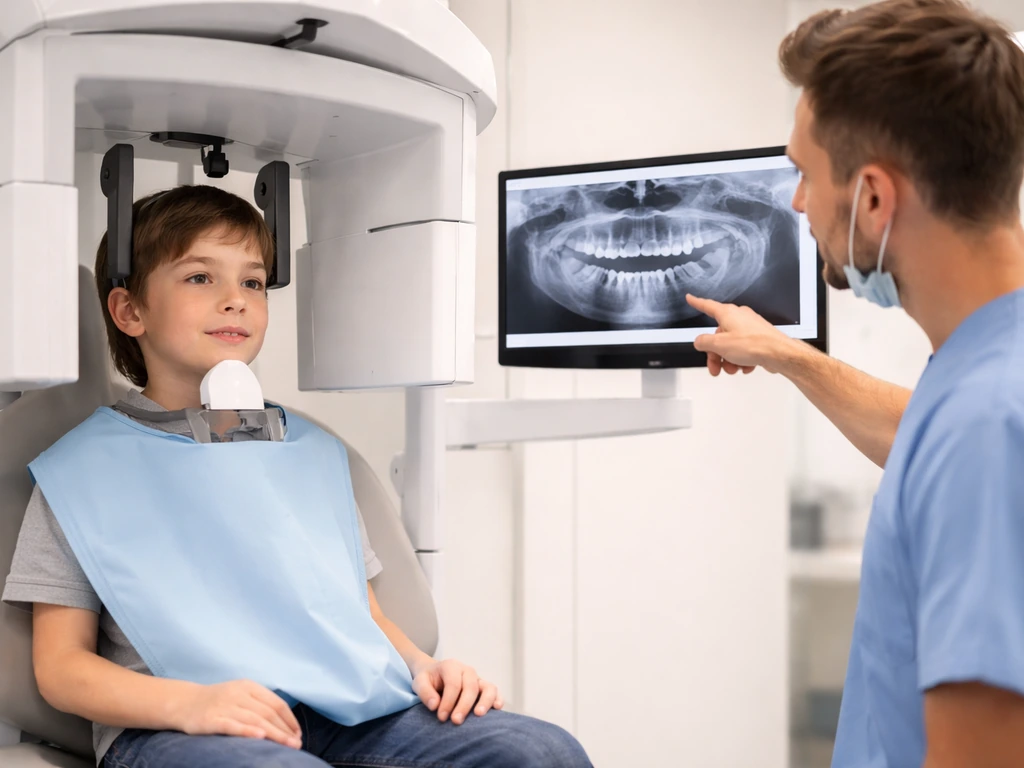
The first step is always a dental visit with X-rays. A panoramic X-ray (the kind that captures the full mouth in one image) gives the clearest picture of where developing teeth are sitting in the jaw, whether they're angled correctly, and whether anything is blocking them. This is the tool dentists and orthodontists use to make confident decisions, and you can't reliably assess an unerupted molar without it.
From there, the treatment path depends on what's found. If a permanent molar is developing normally but just hasn't broken through yet, the usual approach is watchful waiting with periodic check-ins. If there's a space management issue, an orthodontist might use a space maintainer to hold room for the incoming tooth. For ectopic eruption that isn't self-correcting, intervention options include separators, springs, or minor surgical help to guide the tooth into position. For a completely impacted tooth with no sign of self-correction and adequate space available, surgical exposure combined with orthodontic traction can bring the tooth into the arch. For wisdom teeth, the decision is often between monitoring and extraction, particularly if there's evidence of crowding, repeated infection, or cyst formation.
If you're an adult wondering about a molar that never seemed to fully come through or one that's been removed, the realistic options for replacing it are dental implants, bridges, or partial dentures. Natural regrowth isn't in the picture, but modern restorative dentistry has effective solutions that function and feel close to natural teeth. Talking to a general dentist is the right starting point, who can refer you to an oral surgeon or prosthodontist if needed.
The bottom line: molar development is a long, staged process that starts before birth and, in the case of wisdom teeth, isn't done until your mid-twenties. Most of the time, things unfold on their own schedule without intervention. But knowing what's normal, what's a red flag, and when to get an X-ray is the practical knowledge that helps you catch the small number of cases where something genuinely needs attention.
FAQ
My child’s molar is partially through the gum. Is that still considered normal eruption?
Not necessarily. Eruption is when the tooth breaks through the gum, and your child may have a partially visible molar for weeks or months before it looks “fully in.” Dentists also look for whether the crown is progressing under the gum, not just how much is showing, so a short delay in visible emergence can still be normal.
Why do my child’s permanent molars seem to come in without losing baby molars first?
Yes. Permanent first molars can erupt behind the baby teeth without replacing them, so kids may seem to “get an extra molar” around age 5 to 7. This is different from replacement teeth, and it is why spacing and crowding assessments start around age 7.
If the eruption is a few months late, when does it become a “see the dentist” situation?
A tooth that looks delayed in one chart can still be within normal variation. What matters is the specific molar type and the overall pattern in the mouth (how other permanent teeth are progressing), plus growth and space. If a permanent first molar has not erupted by about age 7 or 7 and a half, it is reasonable to ask for an exam and possibly an X-ray, even if there are no symptoms.
How can I tell whether a delayed molar is just late or actually erupting in the wrong direction?
Watch for the location and timing. If a molar is erupting in the wrong position (toward the cheek or tongue), or if there is food trapping and swollen gum tissue over the tooth, that can suggest an ectopic path rather than just slower eruption. These are good reasons to request a dental look sooner instead of waiting for the textbook timeline.
If you “watch and wait” for an unerupted molar, what typically triggers more urgent action?
Pediatric dentists often prefer a careful monitoring plan for a developing permanent molar, but they may use periodic X-rays or check intervals depending on symptoms and age. If the tooth is not moving into place, is angled abnormally, or is associated with a second-molar gap getting smaller, they may escalate to orthodontic options.
Is a panoramic X-ray enough to assess an unerupted molar, or are more images sometimes needed?
Because panoramic images show the whole jaw, they are usually the first choice for locating developing molars and estimating eruption path. If precision is needed for tooth angulation or proximity to roots, a clinician may follow with a more detailed view (for example, additional imaging) based on the case.
What symptoms from a partially erupted wisdom tooth mean it might be more than normal soreness?
Wisdom teeth can cause symptoms even if they are not fully erupted. Red flags include repeated gum infections around the tooth (pericoronitis), persistent bad taste, swelling that keeps coming back, and trouble opening the mouth. These patterns matter more than a single moment of discomfort.
Can an impacted wisdom tooth be dangerous even if I do not feel much pain?
Not always. Some wisdom teeth are angled or positioned in a way that can lead to infection or damage to the second molar even if the person is not in constant pain. That is why dentists sometimes recommend extraction based on X-ray findings and risk factors, not just current symptoms.
If I lost a permanent molar, what factors determine whether an implant, bridge, or denture is the best replacement?
If a molar is missing in adulthood, replacement usually depends on adjacent tooth condition, bite requirements, and how much bone is present. Dental implants generally require enough jawbone, extraction sites may need healing or bone grafting, and bridges depend on whether neighboring teeth can support them. Your best starting step is a general dentist or prosthodontist consult after imaging.
Does remineralization apply to molar cavities, or only to early enamel changes?
Recoloring or a mild surface white spot does not equal regrowth. Mineral repair can help early enamel damage, but once there is a confirmed cavity, it requires dental treatment to remove infected or demineralized tissue. If you are seeing a “white chalky” area on a molar, ask the dentist whether it is early demineralization that is still reversible.
If a baby molar comes out early, will another molar grow in to replace it?
Yes, but the key distinction is “primary molar vs premolar.” When baby molars fall out, the permanent teeth that replace them are premolars, not additional molars. So if you are tracking “molars growing back” after a baby tooth is lost, that expectation should be corrected early.
How does crowding or limited jaw space change when molars erupt or whether they erupt at all?
If there is crowding, a tooth can lose its “natural runway” for eruption even if it develops on schedule. Common contributors include reduced jaw space, early loss of baby teeth, and the timing of other permanent teeth. That is why an orthodontic screening by around age 7 is aimed at catching space problems before they affect later molars.
Next Articles
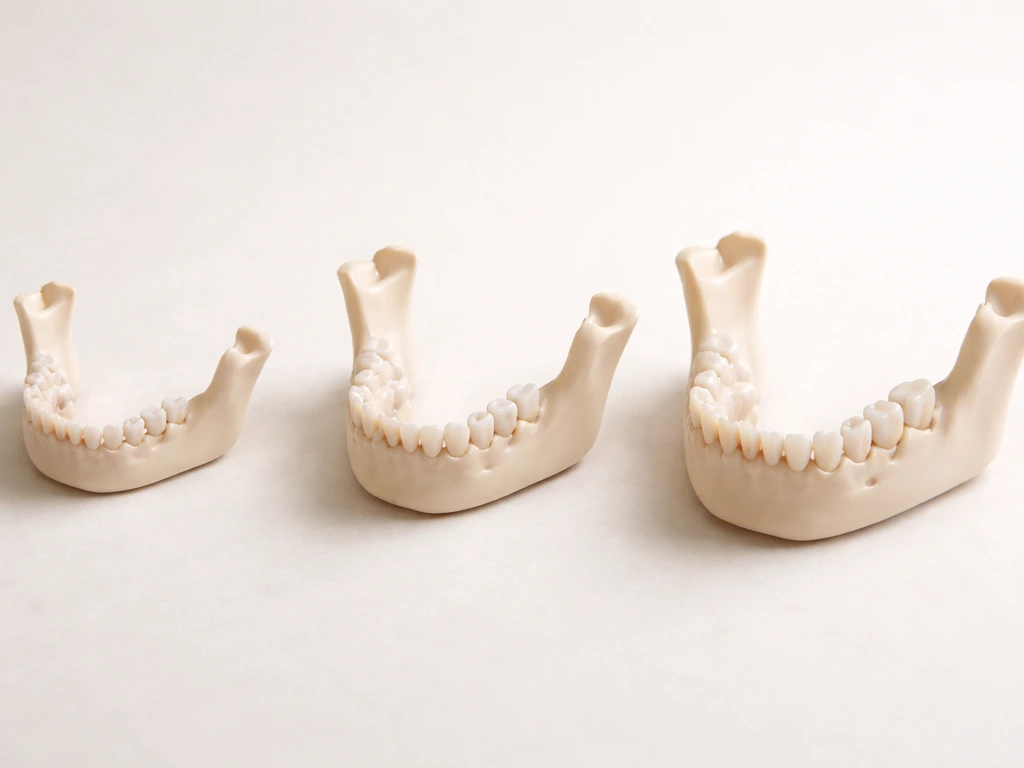
How Does the Mandible Grow and Affect Tooth Development
How the mandible grows from infancy to adulthood, shaping tooth eruption space, alignment, and risks when jaw growth is
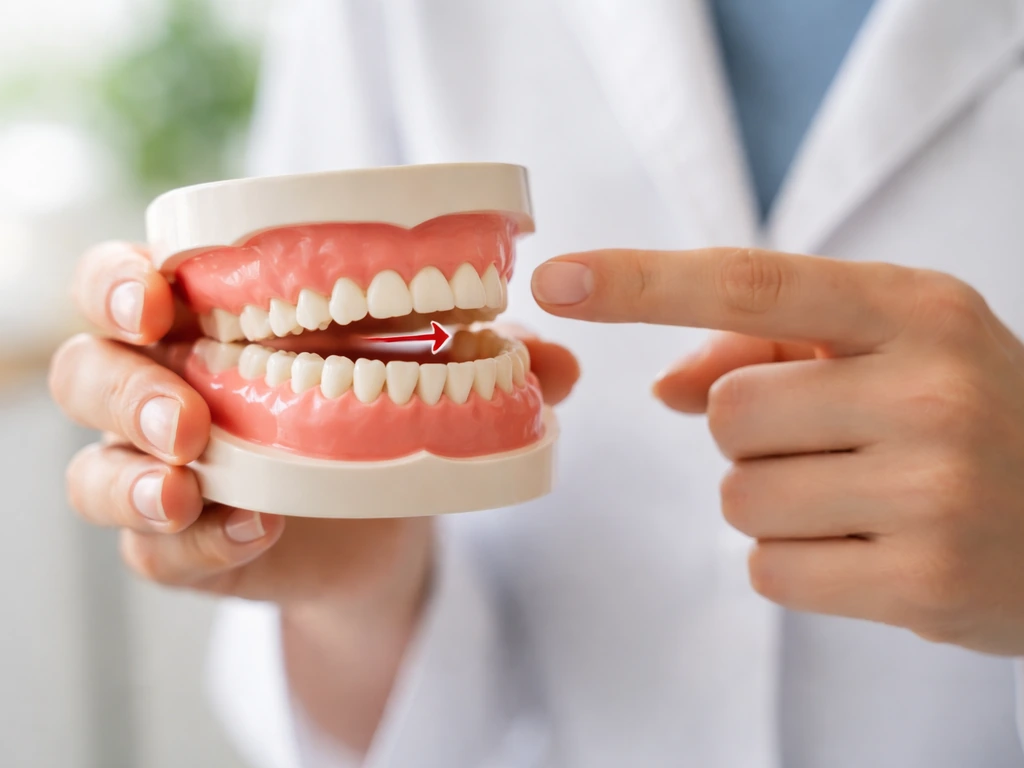
Do Molars Fall Out and Grow Back? The Real Answer
Molars and premolars usually do not regrow. Learn when teeth erupt vs when extraction or decay means permanent loss.
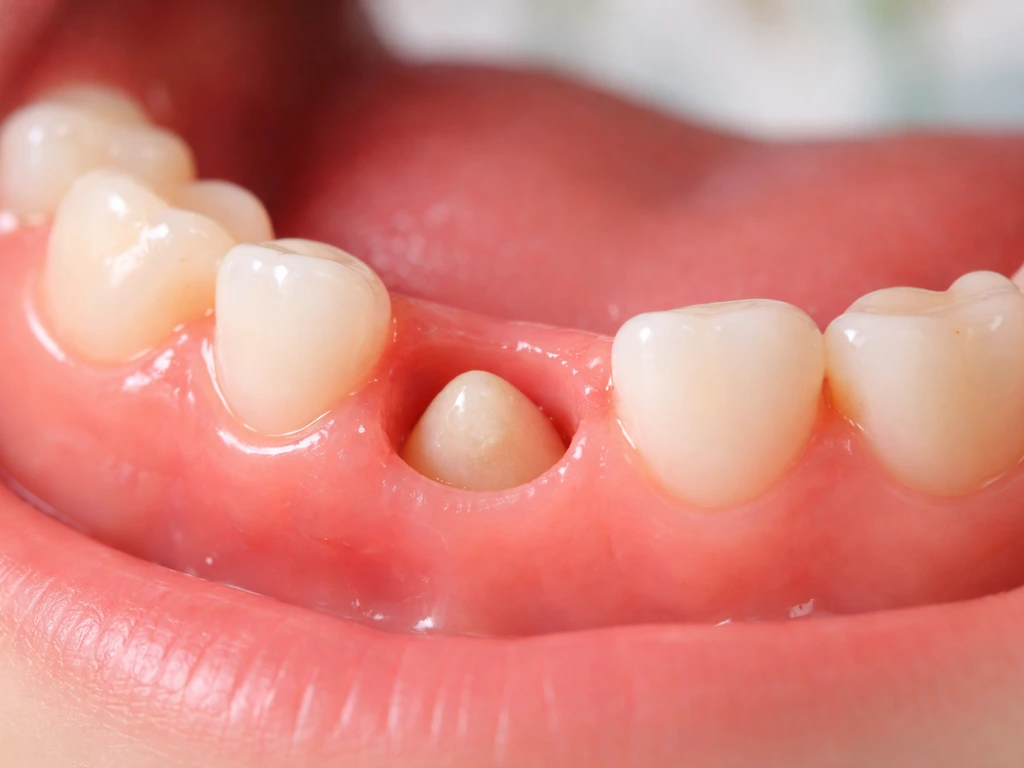
Do Milk Teeth Grow Back? Timelines, What to Do, Red Flags
Learn if milk teeth regrow, typical timelines for permanent teeth, what to do after loss or injury, and red flags.