
Molars erupt in three distinct waves across childhood, adolescence, and early adulthood. First molars come in around age 6 to 7, second molars around 11 to 13, and wisdom teeth (third molars) typically arrive anywhere from 17 to 25. Those ranges are normal, not rigid deadlines, and a child or teen running a little late is usually fine. What matters more is whether the pattern looks right on an X-ray and whether your dentist is keeping an eye on things.
Molars Grow at What Age? Eruption Timeline for Parents

Marcus Holloway
3 Jun 2026
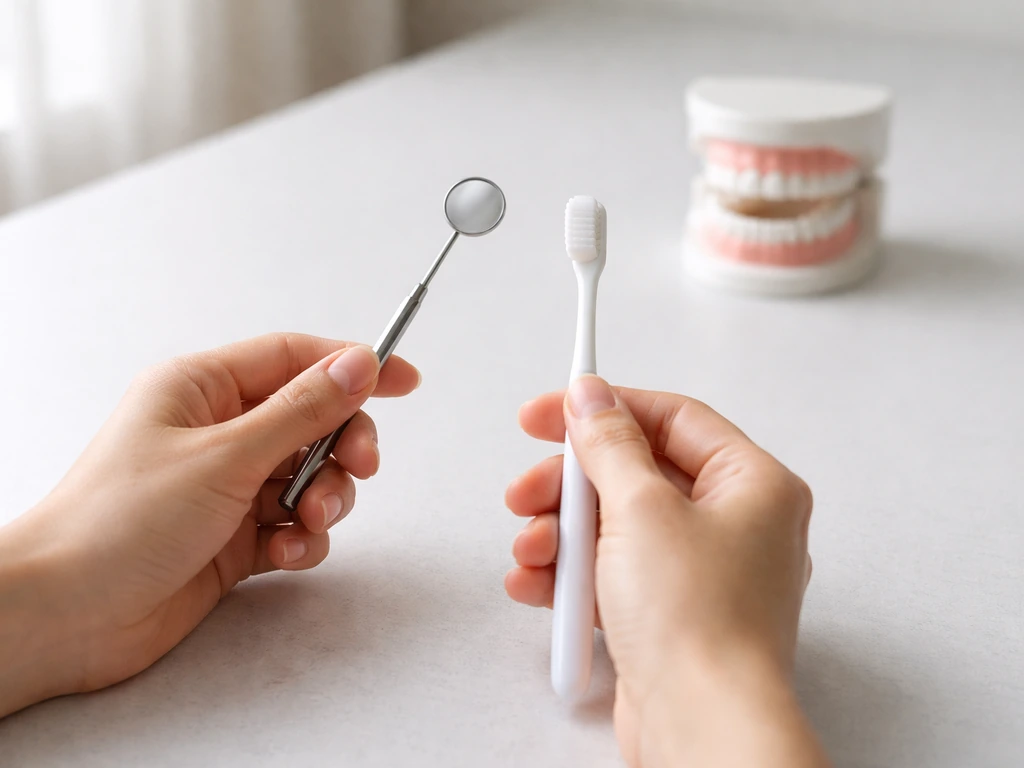
Molars "grow" vs erupt: what the age timelines actually mean
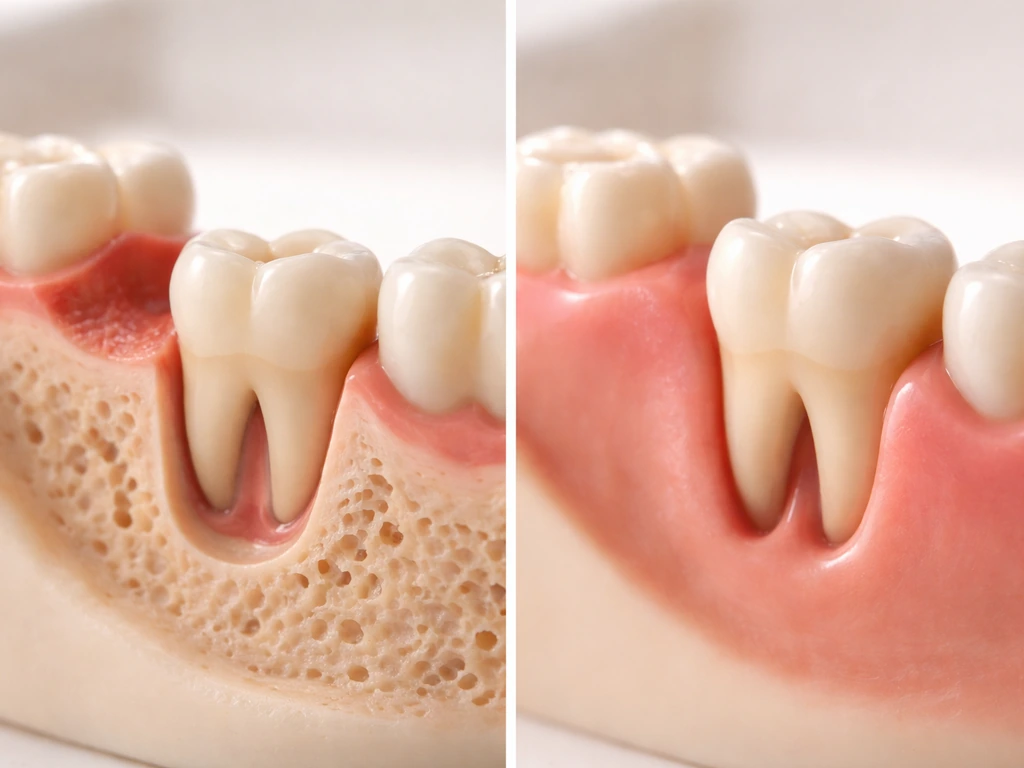
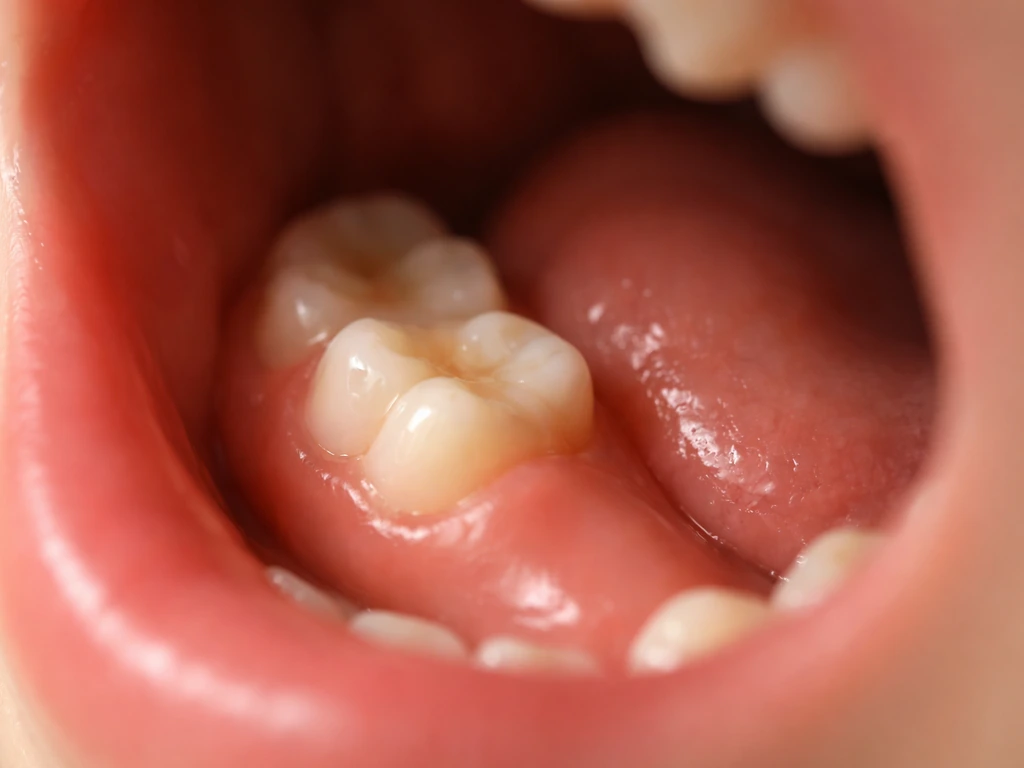
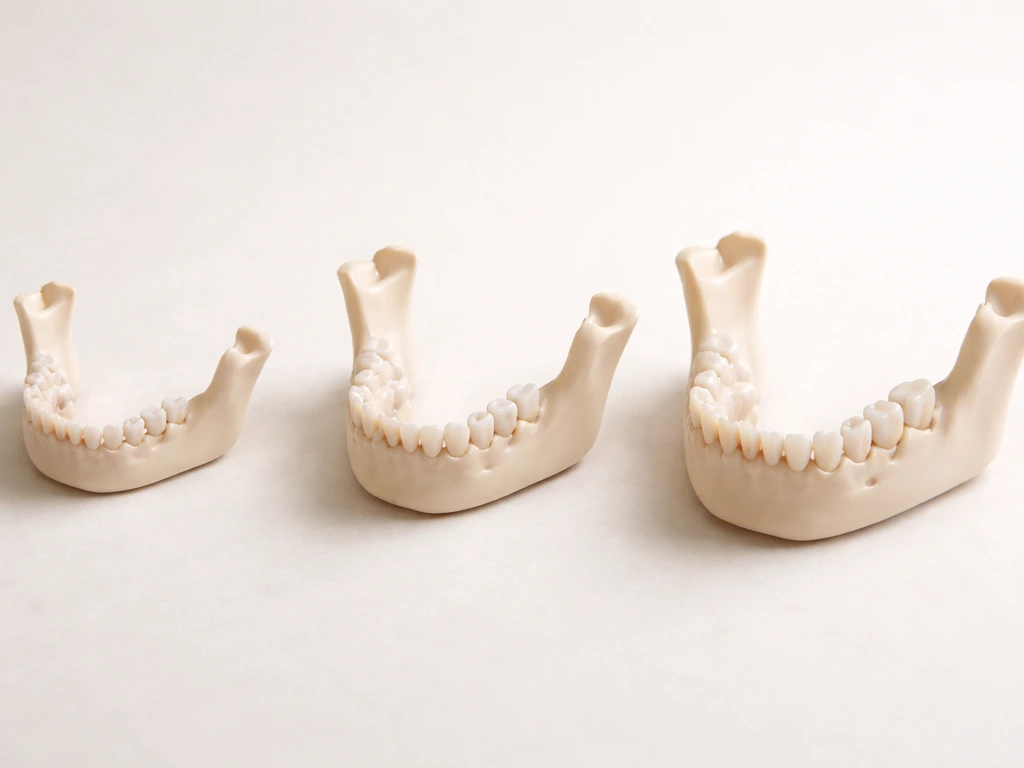
Here's a distinction worth knowing before you stress about timelines: molars don't really "grow in" from nothing the way people picture it. They form inside the jawbone long before you ever see them, and then they migrate upward through the bone and gum tissue in a process called eruption. how does the mandible grow can help explain why eruption happens as the jawbone matures and the tooth migrates upward through bone and gum tissue. The moment the crown actually breaks through the gum is technically called emergence. Full eruption, meaning the tooth reaches its working position in your bite, takes longer still. And root completion? That can happen years after the tooth first appears in the mouth.
This matters because parents often ask "when will my child's molar grow in?" when what they're really tracking is that visible emergence moment. That's a fair thing to watch for, but it's only one stage. A molar that just poked through the gum at age 6 is still actively developing its roots for several more years. Clinically, "fully erupted" doesn't mean "fully matured or mineralized" either. Enamel continues to mature after eruption, which is part of why fluoride exposure during those early years is genuinely useful.
First molars: the six-year molars and what's normal
The first permanent molars are often called the six-year molars for obvious reasons. They typically emerge between ages 5 and 7, with research placing the average closer to 6.1 years for girls and 6.3 years for boys. Upper and lower first molars generally come in around the same time. These are significant teeth because they anchor the back of the bite and set the stage for how the rest of the permanent teeth line up. Losing them early to decay, which happens more than it should, causes real orthodontic problems later.
A normal range for first molar emergence spans roughly ages 5 to 8. If your child is 7 and their first molars haven't made an appearance yet, that's still within reason, but it's worth flagging at the next dental visit. Dentists often take a panoramic X-ray around the time first molars erupt to check on unerupted teeth, confirm normal position, and screen for anything unusual like impaction or missing tooth buds. This is standard AAPD-recommended practice and not something to worry about, just a useful checkpoint.
Second molars: the twelve-year molars and common delays
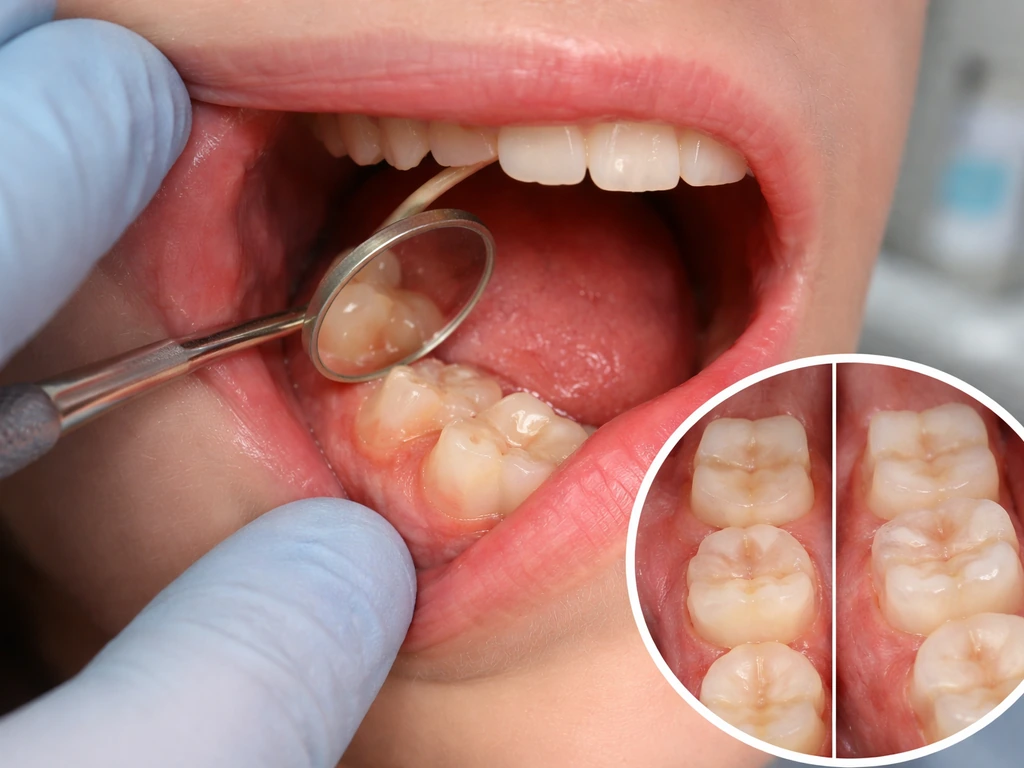
Second molars come in during early adolescence, typically between ages 11 and 13. Lower second molars tend to arrive slightly earlier than upper ones. Most kids have all four second molars by age 13, though it's not unusual for them to lag a bit, especially if the mouth is still crowded from earlier teeth.
Delays with second molars are more common when there's crowding, when primary (baby) molars are retained longer than expected, or when there are genetic factors affecting the overall pace of dental development. A delay of six months to a year beyond the average isn't automatically a problem, but if a second molar still hasn't emerged by age 14 or 15, an X-ray is warranted to rule out impaction or an abnormal position. Ectopic eruption, where a tooth comes in at the wrong angle, can happen with second molars and is easier to manage when caught early.
Wisdom teeth: why the timeline is so unpredictable
Third molars, better known as wisdom teeth, are the outliers of the molar world. The standard range is 17 to 21 years, but it's genuinely common for them to emerge as late as 25, or not at all. Some people are simply missing one or more wisdom teeth developmentally, which is considered a normal variant, not a problem. Others have all four but they stay fully impacted in the jaw their entire lives. In your 20s, wisdom teeth and jaw space can still affect whether the teeth come in normally, so an exam and X-ray are key jaw their entire lives.
Timing varies this much because third molars are the last teeth to develop, and by the time they're trying to emerge, most people don't have enough space at the back of the jaw. This is part of a broader pattern: jaw growth continues through the late teens and into the early twenties, and the available space for wisdom teeth depends heavily on how that jaw development plays out. Whether they erupt cleanly, partially, or get stuck in the bone is shaped by both genetics and jaw architecture. Dentists typically start monitoring third molars with panoramic X-rays during adolescence, well before any eruption begins, so they can anticipate problems before they become painful ones.
| Molar Type | Common Nickname | Typical Eruption Age | Normal Range |
|---|---|---|---|
| First molar | Six-year molar | 6–7 years | 5–8 years |
| Second molar | Twelve-year molar | 11–13 years | 10–14 years |
| Third molar | Wisdom tooth | 17–21 years | 17–25 years (or never) |
When to see a dentist about late, missing, or impacted molars
Most molar timing variations are nothing to worry about, but there are specific situations where you really do want a dentist involved sooner rather than later.
- A first molar hasn't shown up by age 8, or a second molar by age 14 to 15: an X-ray can check whether the tooth is developing and whether it's in a usable position.
- Only some molars on one side have come in but the matching molars on the other side haven't: asymmetry like this often warrants investigation.
- You or your child feels pressure, pain, or swelling at the back of the jaw in the late teens or early twenties: this can signal a partially erupted or impacted wisdom tooth, which creates a pocket for bacteria and a real infection risk.
- A dentist or orthodontist has noted crowding or bite issues: late-erupting molars can make these worse if they're not accounted for in treatment planning.
- An adult molar was lost to decay or injury: permanent molars do not grow back naturally, so replacement options need to be discussed before the surrounding bone and teeth shift.
The diagnostic tool for almost all of these situations is an X-ray, usually a panoramic film that shows the full mouth in one image. It reveals developing teeth, their angles, root length, any bone loss around impacted teeth, and whether tooth buds are present at all. There's no guessing game when you have a current panoramic X-ray. If you're a parent tracking your child's dental development or an adult dealing with a late wisdom tooth, this is always the right starting point.
Can molars or enamel actually "grow back"? The honest answer
This is where a lot of dental myths run into hard biology. The short version: once a permanent molar has erupted, the developmental window is closed. If that molar is later lost to decay, gum disease, or injury, it will not grow back. Humans are what biologists call diphyodont, meaning we get exactly two sets of teeth, baby and adult, and that's it. There is no third set waiting in reserve.
Enamel is even more limited. Mature enamel is acellular, meaning it contains no living cells after it forms. The cells that built it (ameloblasts) are gone by the time a tooth erupts. This is why enamel damage is permanent without restorative intervention. Your body can't patch a chip or fill in eroded enamel the way it can remodel bone. There is real research into biomimetic enamel repair and remineralization materials, and the science is genuinely advancing, but as of today these are still in development or limited clinical use. They are not the same as natural regrowth.
That said, enamel can benefit from remineralization with fluoride, particularly in the period right after a molar erupts when the enamel is still maturing. This is a real and clinically useful process, but it's strengthening existing enamel, not regrowing lost enamel from scratch. The distinction matters because it changes what you can and can't do about molar health over time.
If a permanent molar is lost, the realistic options are restorative: implants, bridges, or partial dentures. These have real differences in cost, longevity, and impact on surrounding teeth. An implant placed before significant bone loss occurs tends to produce the best long-term outcome. Delaying treatment after molar loss often makes the eventual fix more complicated and more expensive, which is why it's worth acting on missing molars sooner rather than putting it off.
Keeping molar development on track
The practical takeaway is this: molar eruption follows a rough schedule, but it's not a precise clock. So if you are wondering where do molars grow in, the answer is that they emerge through the gum in predictable windows based on their type molar eruption follows a rough schedule. Know the approximate windows (first molars around 6 to 7, second molars around 11 to 13, [wisdom teeth from 17 to 25](https://www. colgate.
com/en-us/oral-health/kids-oral-care/which-tooth-is-next-using-a-permanent-teeth-chart-to-track-your-childs-new-teeth)), keep up with regular dental visits so a professional is watching the progression, and get an X-ray if something seems significantly off schedule or asymmetric. Catching problems like ectopic eruption, impaction, or developmentally missing teeth early gives you the most options and the least drama. And if you're dealing with an adult molar that's already been lost, talk to a dentist about replacement sooner rather than later, because nothing is going to grow back on its own.
FAQ
If one molar comes in later than the others on the same side, is that still normal?
Yes, eruption can be asymmetric. It is possible for one first or second molar to emerge months before the other, and jaw size, tooth angulation, and crowding can drive that difference. What matters most is whether an X-ray shows the tooth is developing normally and positioned appropriately, not whether the two sides match to the month.
At what point should I stop assuming “late” and request an X-ray for first or second molars?
For first molars, many dentists will be more proactive if there is no visible emergence by about age 8, especially if the child missed scheduled checkups. For second molars, the article notes an X-ray if a molar is still missing by age 14 to 15, because impaction or an abnormal eruption angle becomes more likely as time passes.
My child’s molar just started to poke through, does that mean it is already fully developed?
“Emergence” (the crown breaking through the gum) is not the same as “fully erupted” (when the tooth reaches its bite position). Even after the gum is poked, roots and the final position can keep changing for years, so a molar that looks partially in may still need time to settle and straighten against the opposing tooth.
Do permanent molars erupt because baby teeth fall out, or do they just come through on their own?
Molars usually erupt in the back of the mouth because the permanent molar teeth are not replacing baby teeth. That means early loss of baby teeth does not usually “pull” a permanent molar into place. Instead, spacing and the timeline of permanent tooth development, plus crowding, are more likely to affect when molars become visible.
If a permanent molar is lost early, can it come in later or do we have to plan for replacement?
If a molar is missing due to early decay or injury, it generally will not spontaneously “grow in” later, because there are not extra backup molars. The next step is a dental assessment to confirm whether the tooth bud is missing on panoramic X-ray, and if so, discuss realistic replacement options based on age and bone conditions.
Will delayed molar eruption always mean braces, or are there cases where treatment is limited?
Orthodontic braces are not automatically needed just because molars erupt late, but late eruption can change timing for space management. If a second molar is delayed due to crowding or ectopic eruption, addressing the underlying space or angle earlier can reduce the chance of future compensations by neighboring teeth.
How does crowding or retained baby molars affect when second molars show up?
A crowded mouth can delay eruption by limiting space and by pushing the molar to erupt at a different angle. The article also notes retained baby molars as a common factor for second molar delay, so an exam should include whether primary molars are interfering with permanent molar movement.
What signs mean my adult or teen should be seen sooner for wisdom tooth eruption?
Home clues can help you decide whether to call the dentist, but they cannot replace imaging. Look for signs like swelling, persistent pain at the back of the mouth, or gum tissue covering a growing “hood” over a wisdom tooth. If those occur, an exam with a panoramic X-ray or targeted views is usually the fastest way to determine whether impaction is involved.
Next Articles
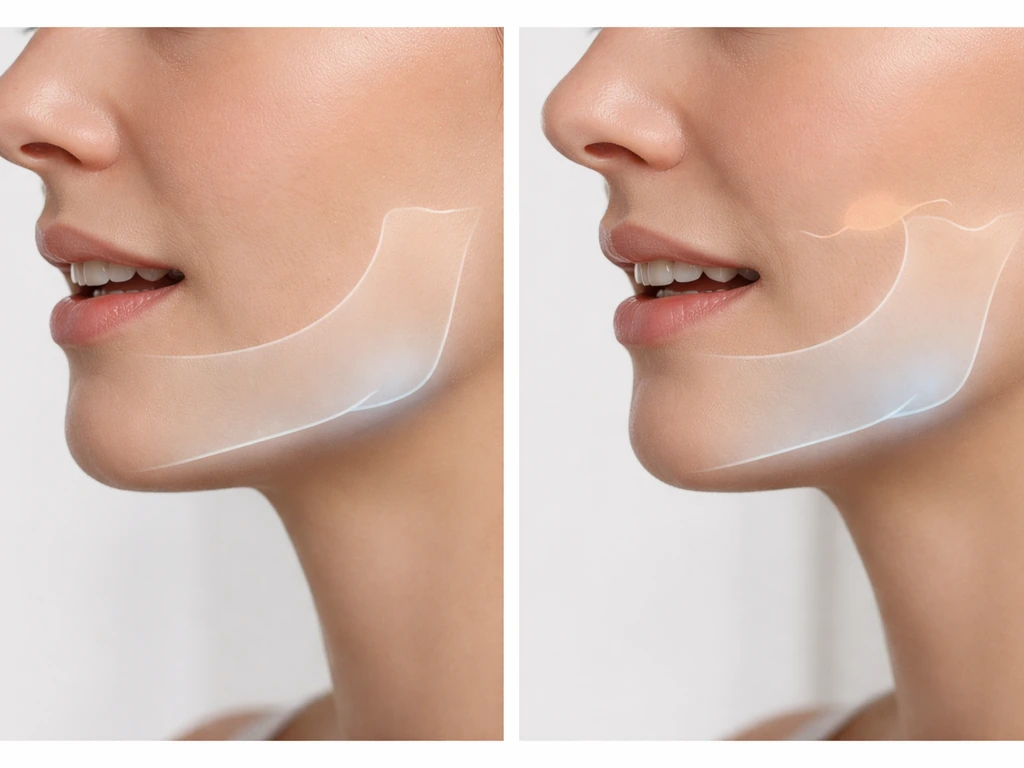
Does Jaw Grow in Your 20s? Growth, Teeth, and What to Do
Find out if the jaw truly grows in your 20s, how teeth and orthodontics change it, and what to do next.
When Molar Teeth Grow: Eruption Timelines and What to Expect
Molar eruption timelines, how tooth growth differs from regrowth, normal ages, delays, and when to see a dentist.
How Does the Mandible Grow and Affect Tooth Development
How the mandible grows from infancy to adulthood, shaping tooth eruption space, alignment, and risks when jaw growth is