
Humans grow teeth exactly twice because our bodies are biologically programmed for two generations of teeth and two only. The first set, your primary (baby) teeth, gets you through early childhood. The second set, your permanent teeth, is designed to last a lifetime. After that, no new teeth are coming. There is no hidden third set waiting in your jaw, and no part of a lost adult tooth will naturally grow back. That is just how human dental biology works, and understanding exactly why helps you make smarter decisions about protecting what you have.
Why Do Teeth Only Grow Twice? Baby vs Permanent Explained

Marcus Holloway
3 Jun 2026
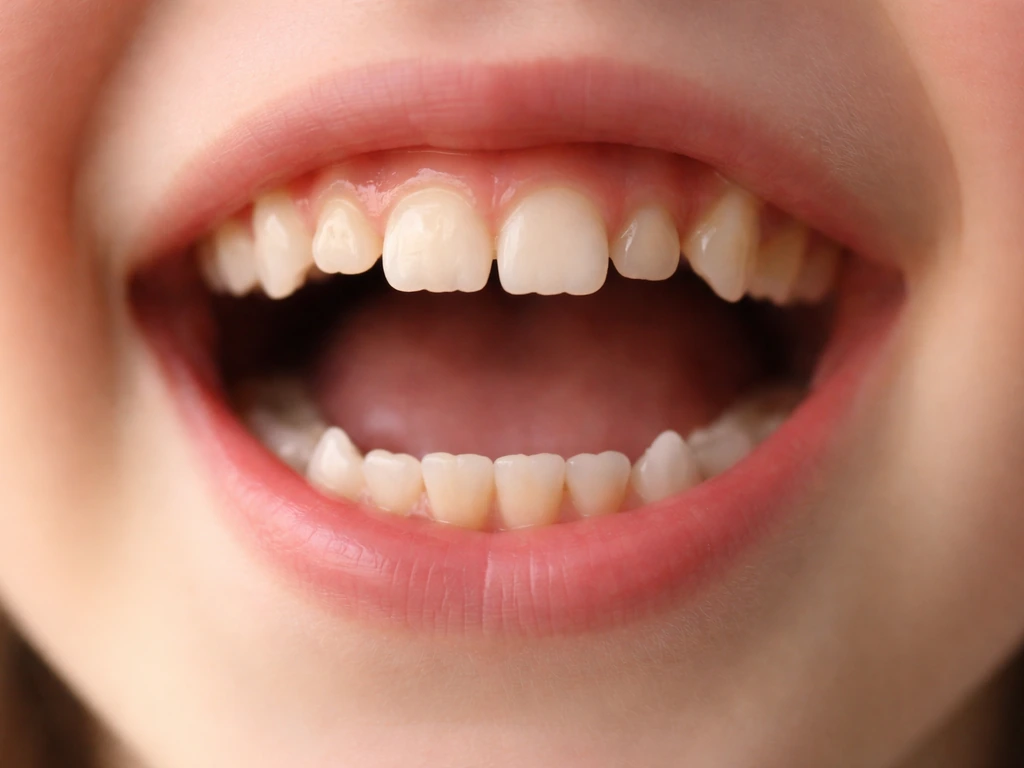
Why humans have two sets of teeth
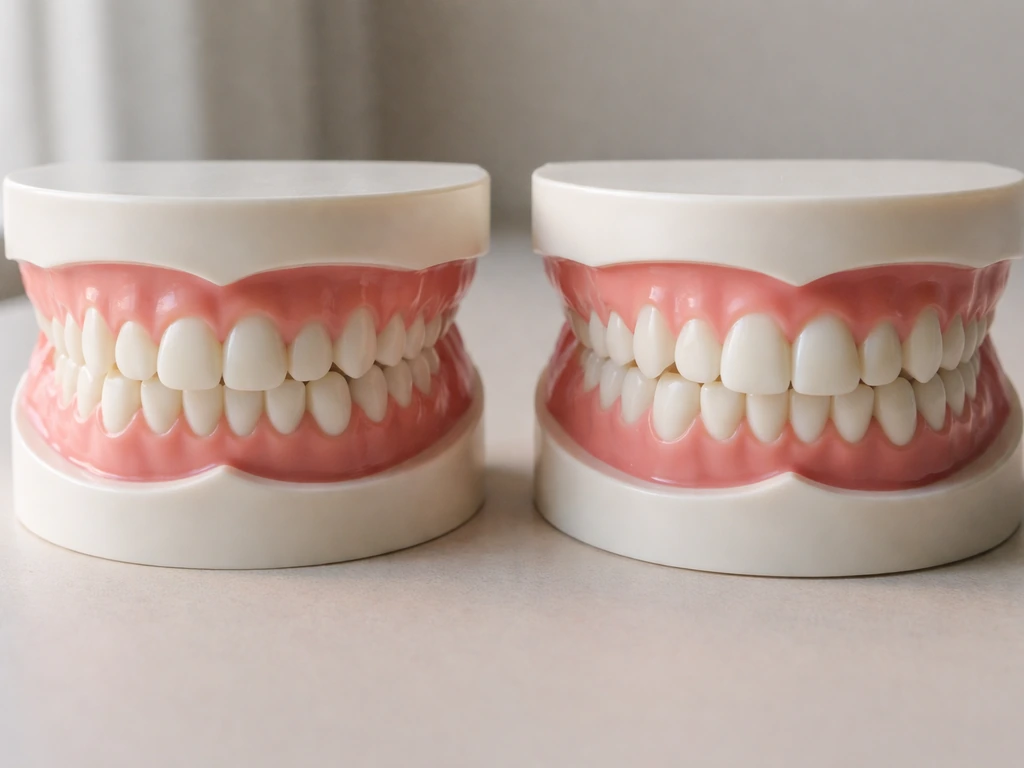
The short biological answer is that humans are diphyodonts, meaning we naturally develop two generations of teeth. The same is true for most other mammals. This is not random. It reflects a very specific developmental program that plays out before you are even born.
Both sets of teeth originate from a structure called the dental lamina, a band of specialized tissue in the developing jaw. The dental lamina kicks off the formation of primary teeth first. Then, a separate successional dental lamina grows off the lingual (tongue) side of each primary tooth germ and gives rise to the permanent successor teeth, which include the incisors, canines, and premolars. The permanent molars develop from a different extension of the same lamina, since they have no primary predecessors.
Here is the critical part: once that second generation of permanent teeth is set in motion, the dental lamina breaks down and fragments. This regression is not accidental. Research suggests it is a built-in brake that prevents any further rounds of tooth development from starting. Your body actively shuts the door on a third generation. So the question is not really 'why only twice?' but rather 'why does the process stop so deliberately after two? This is why you do not get a “third replacement,” and the idea that teeth can grow back multiple times is a misconception. This is why people ask whether milk teeth can grow twice, but childhood tooth replacement is a planned second set rather than new growth from the same teeth can milk teeth grow twice. ' The answer is that the biology is designed to stop.
Tooth development timeline: when each set shows up
The two waves of teeth follow a fairly predictable schedule, though there is normal variation from child to child. Knowing the general timeline helps parents spot when something is off and helps adults understand where their own teeth fit in the picture.
Primary teeth: starting around 6 months
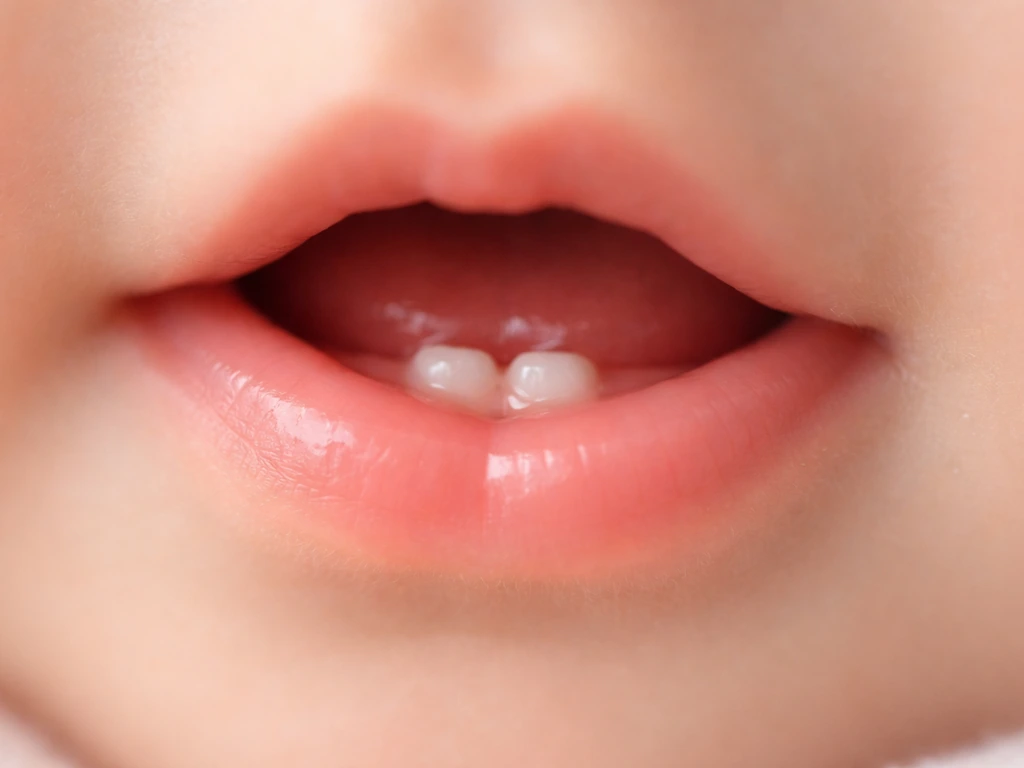
The first baby teeth typically break through the gums around 6 months of age, usually the lower central incisors first. Most baby teeth keep erupting and then start loosening on their own later, so the timing varies by child. From there, the rest of the primary set erupts in a fairly consistent order over the next couple of years. First molars tend to come in around 15 to 21 months, and the full set of 20 primary teeth is usually in place by around age 2 to 3. These teeth serve an important role beyond chewing: they hold space in the jaw for the permanent teeth that will follow.
Permanent teeth: the second wave starting around age 6
Permanent teeth start erupting around age 6, beginning with the first molars and lower central incisors. From there, the permanent set comes in gradually through the early teen years. Most people have their full set of 28 permanent teeth (not counting wisdom teeth) by around age 12 to 14. Wisdom teeth, or third molars, are a separate story covered below, but they typically show up between ages 17 and 21.
| Tooth Type | Primary Eruption Age | Permanent Eruption Age |
|---|---|---|
| Central incisors | 6–12 months | 6–8 years |
| Lateral incisors | 9–16 months | 7–9 years |
| Canines (cuspids) | 16–23 months | 9–12 years |
| First molars / First premolars | 13–19 months (molars) | 10–11 years (premolars) |
| Second molars / Second premolars | 23–31 months (molars) | 10–12 years (premolars) |
| First permanent molars | N/A (no primary predecessor) | 6–7 years |
| Second permanent molars | N/A | 11–13 years |
| Third molars (wisdom teeth) | N/A | 17–21 years |
How baby teeth are actually shed (it is not random)
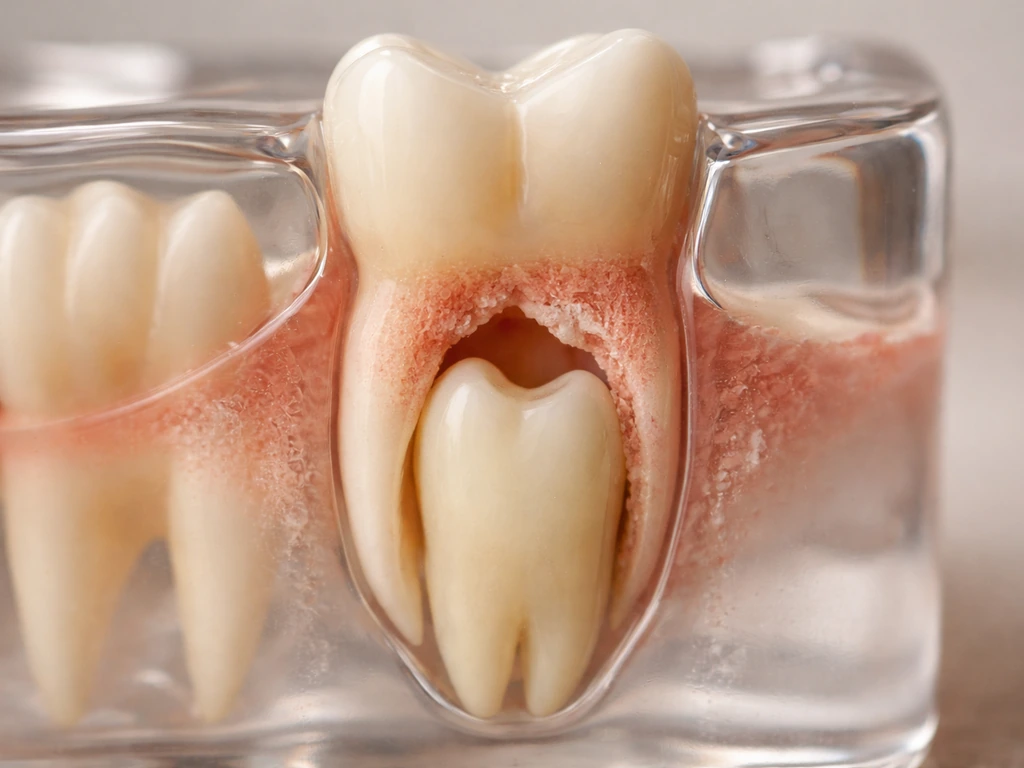
Baby teeth do not just fall out on their own schedule. The permanent tooth developing beneath each primary tooth puts physical pressure on the root of the baby tooth above it. That pressure triggers a process where the root of the primary tooth is gradually resorbed (broken down) by the body. As the root dissolves, the baby tooth becomes loose and eventually falls out, clearing the way for the permanent tooth to erupt. The periodontal ligament, a set of fibers anchoring teeth to the jaw, plays a key role in the eruption mechanics as the permanent tooth pushes upward.
This is also why a baby tooth that has no permanent successor beneath it may never fall out on its own. Without that root resorption trigger, it can stay in place well into adulthood. This happens more often than people realize, especially with lower second premolars, and it is one of the more common real-world exceptions to the 'two sets, clean transition' picture most people expect.
What can actually regrow and what absolutely cannot
This is where a lot of internet misinformation takes hold, so it is worth being direct. The tooth replacement you see in childhood is not regrowth. It is a pre-programmed second wave of teeth, not your body regenerating a tooth that was lost. Those are very different things.
Enamel: gone for good
Enamel is the hardest substance in the human body and also one of the only tissues that genuinely cannot repair itself at all. The cells that build enamel, called ameloblasts, die off once enamel formation is complete. Mature enamel contains no living cells. Because there are no cells left to do the work, your body has zero capacity to rebuild enamel that has been lost to decay, erosion, or physical damage. This is fundamentally different from bone or dentin, which retain some cellular activity and limited repair capacity.
What can happen with enamel is remineralization: minerals from saliva and fluoride can be deposited back into early, surface-level lesions before a cavity fully forms. This is not regrowth of enamel structure. It is more like patching microscopic mineral loss before the damage goes deep. Once an actual cavity forms and enamel structure is lost, only a dentist can restore it.
Dentin and pulp: limited repair, not regeneration
Dentin is produced by cells called odontoblasts that remain alive inside the tooth's pulp. When a tooth is irritated by decay or wear, odontoblasts can produce a thin layer of reactionary dentin as a protective response. This is a real but limited repair process. It is not the same as regrowing a tooth or reversing significant decay. Pulp tissue, in younger patients with immature teeth, can sometimes be partially regenerated through specialized clinical procedures called regenerative endodontics, but this targets the pulp-dentin complex specifically and is far from regrowing a whole tooth.
The bottom line on what regrows vs. what does not
- Enamel: cannot regrow. Once lost, it is gone. Remineralization of very early surface damage is possible but not structural rebuilding.
- Dentin: limited reactive dentin production is possible but not meaningful regrowth after significant loss.
- Pulp: regenerative endodontic procedures exist for immature permanent teeth but are specialized clinical treatments, not natural regrowth.
- Whole teeth: no human tooth that falls out or is extracted will naturally grow back. There is no third set waiting.
Real-life exceptions: missing teeth, extra teeth, and delayed eruption
The 'two sets, clean timeline' model describes what happens in most people most of the time. But there are genuine exceptions, and they come up often enough that they deserve a direct explanation.
Hypodontia: when teeth are congenitally missing
Hypodontia means being born with fewer teeth than the standard count. It is more common than most people think. Estimates put mild hypodontia at around 3% to 10% of the population (excluding wisdom teeth, which are absent so often they are tracked separately). In orthodontic patients (excluding third molars), one study reported a hypodontia prevalence of 7.54% in that sample. More severe forms affecting six or more teeth, called oligodontia, affect about 0.1% to 0.5% of people. About 80% of cases are linked to genetic mutations. The most commonly missing permanent teeth are the upper lateral incisors, lower second premolars, and of course third molars. If a permanent successor never developed, the primary tooth above that spot may simply stay put for years, which can look like a delayed eruption but is actually a missing tooth problem.
Hyperdontia: extra teeth that do not fit the plan
On the other end of the spectrum, some people develop supernumerary teeth, extra teeth beyond the normal count. A review of supernumerary teeth reports prevalence ranges of about 0.1% to 3.8% in the permanent dentition and notes they commonly cause delayed or blocked eruption supernumerary teeth vary between ~0.1% and 3.8%. This happens in roughly 0.1% to 3.8% of people in the permanent dentition. The most common type is a mesiodens, which is an extra tooth that appears in the upper front area between the two central incisors. Supernumerary teeth are frequently the reason a permanent tooth fails to erupt on schedule because the extra tooth physically blocks the path. Removal is usually recommended when that happens.
Delayed eruption
Some children's permanent teeth come in later than the typical range. Delayed eruption can be caused by crowding, a retained primary tooth whose root did not resorb properly, a supernumerary tooth blocking the path, or simply genetic variation in timing. A panoramic X-ray taken at the right age can quickly clarify whether the tooth is present and developing normally or whether something is blocking it.
Wisdom teeth and the 'third set' question
A lot of people feel like wisdom teeth are a third set of teeth, or wonder if they count as another replacement cycle. They do not. Wisdom teeth are simply the third molars, the last of the permanent teeth to develop and erupt. They are part of the second set, just arriving very late, typically between ages 17 and 21. The name 'wisdom teeth' is just a colloquial reference to the age at which they arrive, not a separate biological event.
The reason wisdom teeth feel different is largely because they are so often problematic. Modern human jaws have become smaller over evolutionary time, but the number of teeth has not fully kept pace. As a result, about 90% of people have at least one impacted wisdom tooth, meaning it does not fully erupt because there is no room. Many people have all four removed as a preventive measure. And a significant portion of people never develop some or all of their wisdom teeth at all: studies show that third molar absence rates are high, with some samples showing over 20% of individuals missing at least one third molar.
So no, wisdom teeth are not a third set. They are the tail end of your second and final set, and their frequent absence or impaction is just one more sign that the human dental plan was not perfectly optimized for modern anatomy.
When to see a dentist and what parents can do right now
The American Academy of Pediatric Dentistry recommends scheduling a child's first dental visit when the first tooth appears, or no later than the first birthday. After that, checkups every six months give a dentist the chance to track eruption, catch early decay, assess spacing, and order X-rays when needed to check on developing permanent teeth below the surface. These visits are not just about cleaning: they are development checkpoints.
Warning signs worth acting on
- A primary tooth has been lost (or extracted) for more than 6 months with no sign of the permanent tooth coming in.
- A child reaches age 7 or 8 with no adult teeth erupting at all.
- A permanent tooth is coming in clearly behind or in front of the baby tooth that has not yet fallen out (shark teeth).
- Significant crowding, crooked eruption, or visible extra teeth in the gum line.
- A teenager or adult with one or more adult teeth that have never erupted despite being in the expected time window.
- Pain, swelling, or pressure in the back of the jaw in the late teens or early twenties, which may signal an impacted wisdom tooth.
Practical habits that protect both sets
Since enamel cannot regrow and there is no third set coming, protecting what you have is the only real strategy. For children, that means fluoride toothpaste from the moment the first tooth appears, limiting sugary drinks and sticky snacks, and not skipping those six-month checkups. For adults, it means understanding that early-stage enamel erosion can be slowed or partially remineralized, but once a cavity forms, only a dentist can fix it. Waiting does not help. The tooth will not heal itself.
If you are an adult wondering whether a tooth that feels sensitive or damaged might 'come back' on its own, the honest answer is no. This is why people ask whether milk teeth grow back after they fall out might 'come back'. Dentin has some limited self-protective response, and early enamel lesions can be remineralized, but those are minor processes. Any significant decay, fracture, or tooth loss needs professional attention. Knowing you only get two sets makes the case for preventive care more compelling, not less.
FAQ
If enamel cannot regrow, does that mean my cavities will never improve on their own?
Most adults cannot. If enamel is lost or a cavity is already formed, the body does not rebuild enamel structure. You can only get partial mineral regain (remineralization) at very early, surface-level stages, usually helped by fluoride and professional monitoring.
Why would a baby tooth stay in longer than expected?
A lost baby tooth can sometimes be delayed and remain in place if there is no permanent successor pushing up beneath it, because the usual root resorption trigger never happens. That can look like “the baby tooth didn’t fall out normally,” but it is still part of tooth development, not a third replacement.
Can someone have two sets of teeth but still not match the usual number?
Yes, you can have one second wave but still get missing or extra teeth. Conditions like hypodontia (some permanent teeth never form) or supernumerary teeth (extra teeth block eruption or shift spacing) change the “clean transition” pattern even though the body still follows a two-generation design.
If I have my wisdom teeth removed, does that mean I had a third set?
Wisdom teeth are part of the permanent set, they are just late-erupting third molars. They are not a separate replacement cycle, so removing them does not “use up a third set,” it just addresses the last permanent molars that many people never have room to support.
What should parents do if a permanent tooth is late to come in?
Delayed eruption can be caused by crowding, a retained primary tooth that failed to resorb, a supernumerary tooth blocking the path, or just natural variation. If a tooth is not progressing within expected ranges, a panoramic X-ray at the right age helps confirm whether the permanent tooth is present and blocked versus truly missing.
Can extra teeth prevent other teeth from erupting, and is that ever treated?
It is usually not “dangerous,” but it is not something to ignore. A supernumerary tooth like a mesiodens often blocks eruption or shifts teeth, and removal is commonly recommended when it interferes with the normal path of the permanent tooth.
If a permanent tooth never develops, what happens to the bite and spacing?
If a tooth is missing permanently, nearby teeth may drift and the bite can change, which can affect orthodontic planning later. Dentists may monitor, and depending on age and spacing, they may use space maintainers, orthodontics, or restorative options rather than waiting for spontaneous “replacement.”
Is it okay to wait and see if a painful tooth “heals” itself?
Not safely. Pain can come from infection, deep decay, or an abscess, and delaying professional care increases risk. Even if early enamel issues can improve with remineralization, visible damage like a cavity or fracture needs dental treatment, not home waiting.
Why doesn’t losing a permanent tooth get replaced the way baby teeth do?
Yes. Tooth replacement in childhood is controlled developmental succession, while teeth won’t regrow after loss or decay. If you lose a permanent tooth, replacement options are based on dental prosthetics or implants later, not on biological regrowth.
When should a child first see a dentist, and why does timing matter?
Because there are two generations, the eruption pattern matters. Many dentists advise the first dental visit when the first tooth appears (or by the first birthday) so eruption, spacing, and early decay risks are assessed early, and X-rays are timed properly when they can answer specific questions.
Next Articles
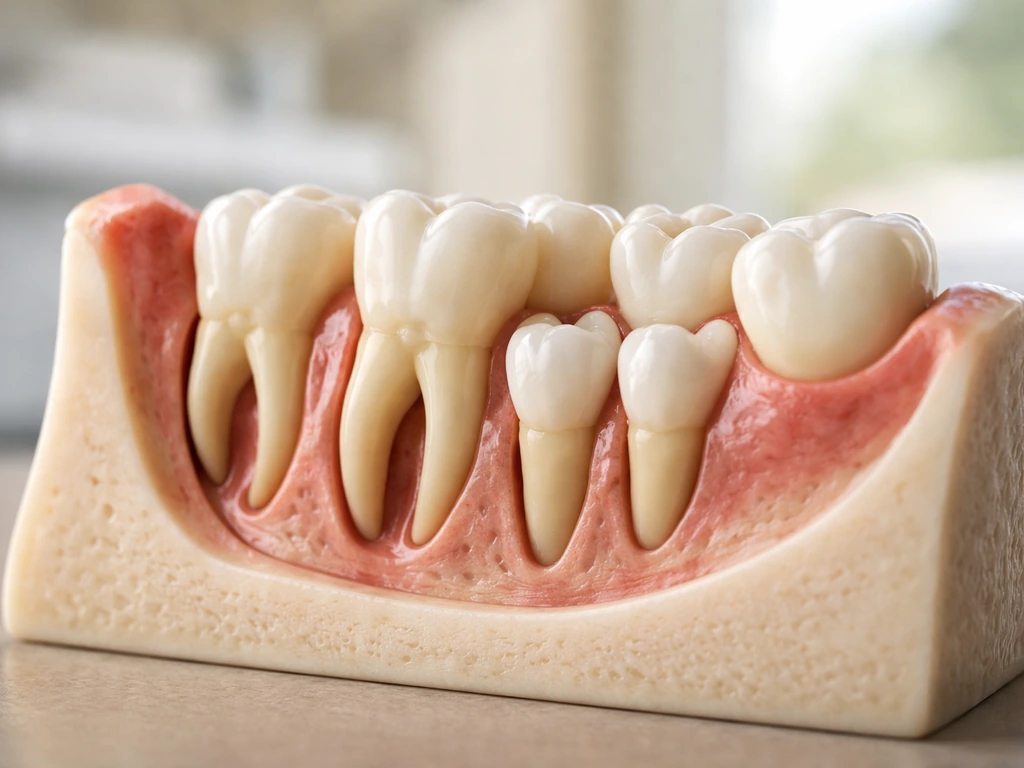
Which Teeth Grow Twice Explained by Real Timelines
Learn which teeth seem to grow twice: primary replaced by permanent, plus wisdom teeth timing and limits on regrowth
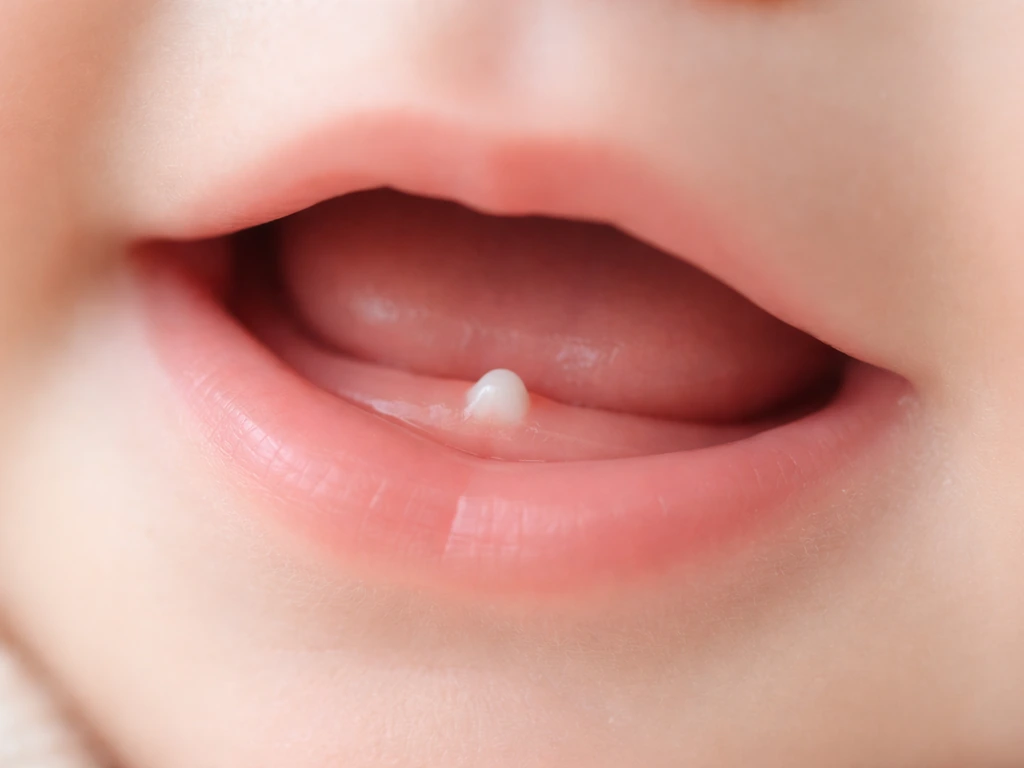
How Long Does Milk Teeth Take to Grow? Timelines
Milk teeth eruption timeline by age: first tooth, full primary set, what’s normal, and when to see a pediatric dentist.
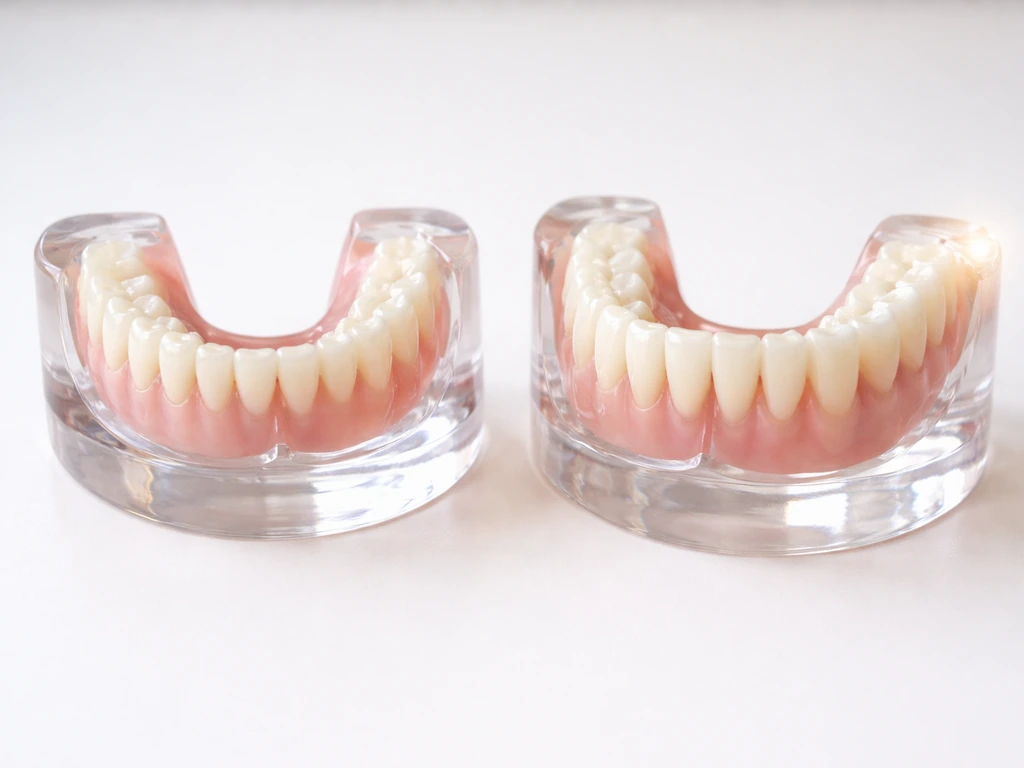
How Many Times Can Teeth Grow After Childhood
Teeth grow in two natural sets: baby then permanent. Regrowth after loss is rare; wisdom teeth are the exception.