From the very first tooth poking through at around 6 months to a full set of 20 primary teeth by about 2.5 to 3 years old, the whole process takes roughly two to two-and-a-half years. That first tiny tooth usually shows up between 6 and 12 months of age, and each new tooth follows a fairly predictable sequence from there. So if you're wondering whether your child is on track, that's the window you're working with.
How Long Does Milk Teeth Take to Grow? Timelines

Marcus Holloway
29 May 2026
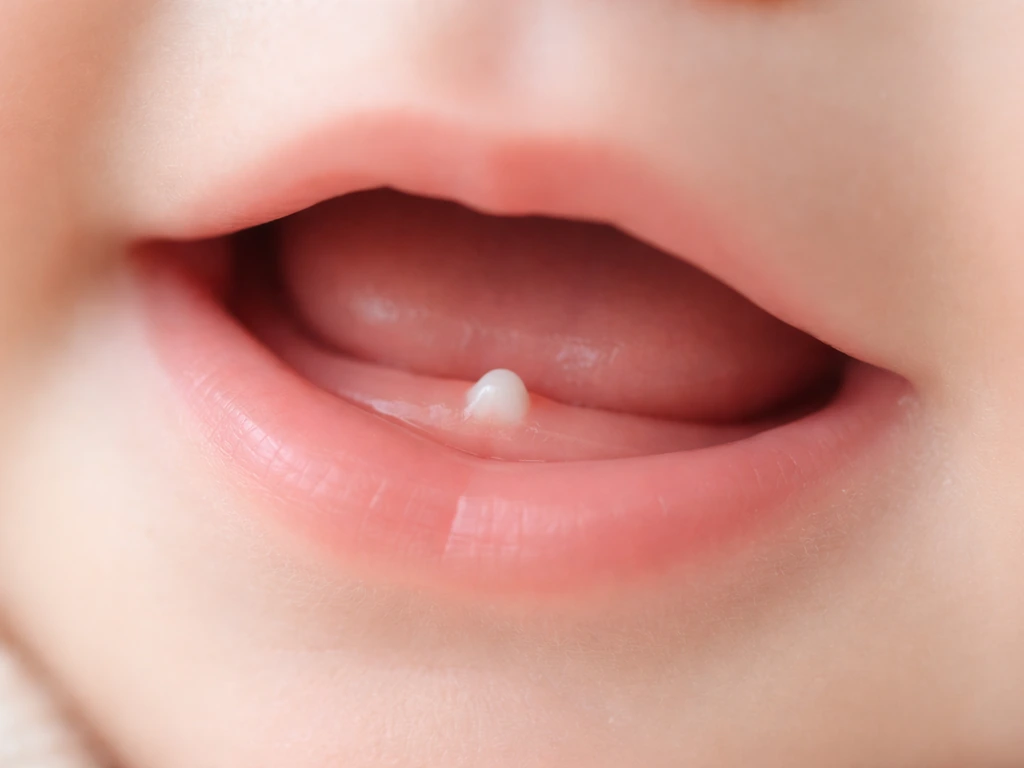
When does that first baby tooth actually appear?
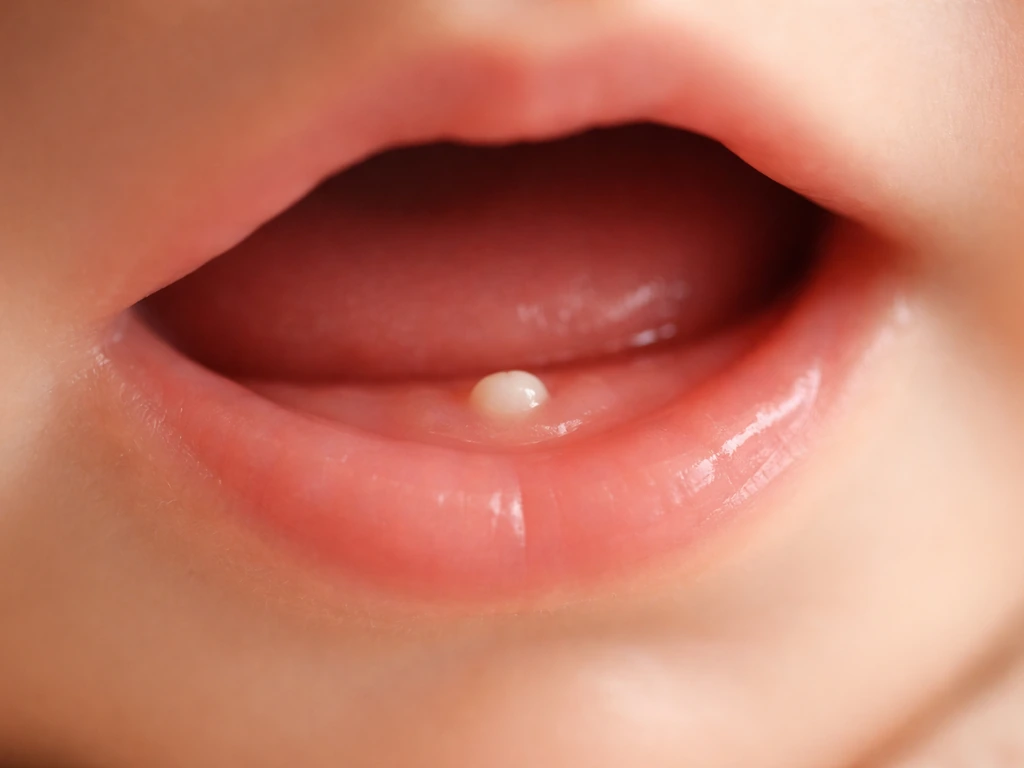
Most babies cut their first tooth somewhere between 6 and 10 months old. The American Academy of Pediatrics puts the typical range at 6 to 12 months, with 6 months being the most common starting point. But here's something parents don't always hear: some completely healthy babies show no teeth until well past 8 months, and that's usually fine. Every child has their own internal clock for this.
The first tooth to break through is almost always one of the lower central incisors, the two bottom front teeth. You might notice your baby drooling more, chewing on everything in sight, or being a little more irritable a few days or even weeks before the tooth actually emerges. That's teething doing its thing.
The eruption order: which teeth come in when
Baby teeth don't appear randomly. There's a well-established sequence that most kids follow, give or take a few months on either side. MedlinePlus’s eruption chart provides representative normal age ranges by tooth type, such as central incisors around 6 to 10 months and first molars around 15 to 21 months eruption order. Understanding this order helps you know what to expect and when to start looking for the next tooth.
| Tooth Type | Which Teeth | Typical Age Range |
|---|---|---|
| Central incisors | Bottom front two, then top front two | 6–12 months |
| Lateral incisors | Flanking the front teeth (top and bottom) | 9–16 months |
| First molars | Back chewing teeth (top and bottom) | 15–21 months |
| Canines (cuspids) | The pointy 'fang' teeth beside the laterals | 16–23 months |
| Second molars | The rearmost baby teeth (top and bottom) | 23–33 months |
Notice that the first molars actually come in before the canines, which surprises a lot of parents. The sequence goes incisors first, then molars, then canines fill in the gaps, then the second molars round things out. By the time all 20 teeth have erupted, your child will have 10 on top and 10 on the bottom. In most cases, baby teeth grow in through about 20 total teeth, each erupting in a fairly set timeline.
When is the full set of milk teeth usually done?
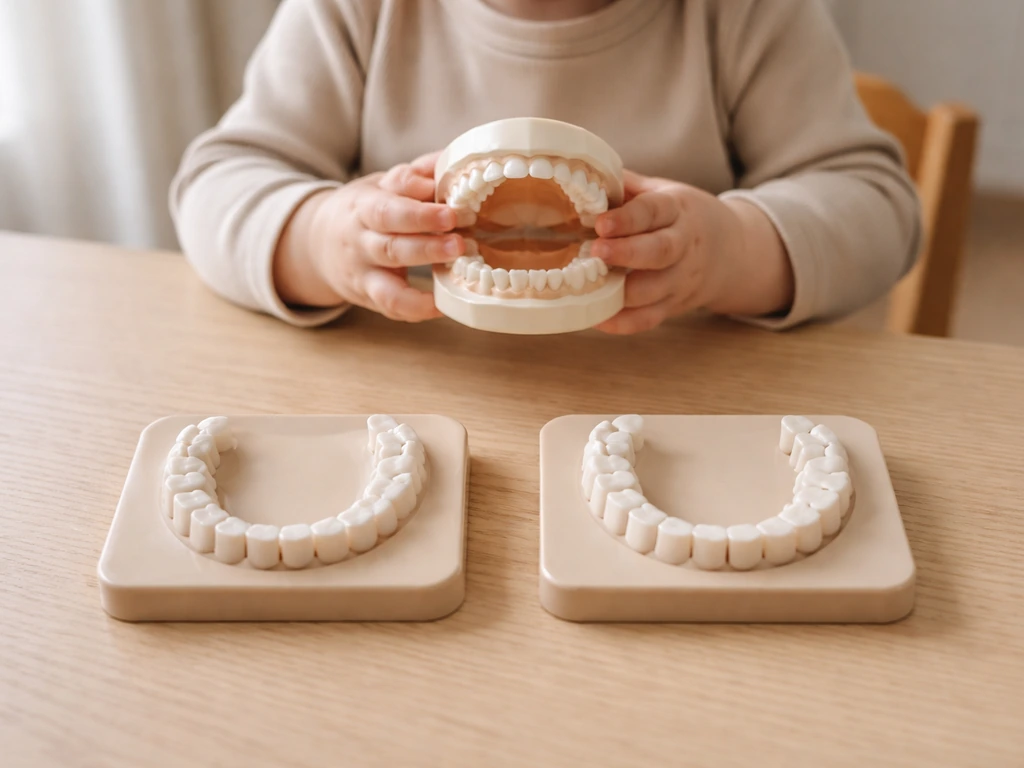
Most children have all 20 primary teeth in place by about 2.5 years old. The Merck Manual, Cleveland Clinic, and MedlinePlus all point to 30 months (two and a half years) as the typical completion point, though some kids finish closer to their third birthday. If your child still has a gap or two at age 3, that's generally within the normal range, especially if their development has otherwise been typical.
The full primary set stays in place and does important work, including helping children chew, speak clearly, and hold space in the jaw for the permanent teeth that will eventually replace them starting around age 6. That spacing function is one reason pediatric dentists take even baby tooth health seriously.
Normal variation vs. something worth checking
Here's a helpful rule of thumb from StatPearls: a variation of about 6 months before or after the typical eruption date is still considered within the normal range. So if a tooth is expected at 10 months and shows up at 15 months, that's probably just your child's natural pace. Genetics plays a big role in eruption timing, and if you or your partner were late teethers, your child likely will be too.
That said, there are some situations that cross from normal variation into territory worth investigating. A pediatric dentist visit makes sense if:
- Your baby has no teeth at all by 12 months old (Healthline and AAPD both flag this as a threshold for professional evaluation)
- A tooth has been expected for 6 or more months and there's still no sign of movement or swelling under the gum
- Teeth are coming in noticeably out of order or in unusual positions
- Only some teeth in a group have appeared and others in the same group are significantly delayed
- Your child seems to be in pain or discomfort beyond normal teething fussiness
Most of the time these concerns resolve on their own, but it's worth ruling out issues like supernumerary teeth (extra teeth blocking eruption), cysts, or other structural factors that can occasionally slow things down. When a dentist is concerned about a true delay, they may take X-rays to see what's happening beneath the gum, and in rare cases where space exists but no eruption has occurred over 6 to 12 months, further intervention might be discussed.
What to do if baby teeth aren't coming in as expected
The most useful thing you can do right now is track what's happening. Keep a simple note on your phone or in a baby book: date the first sign of each tooth (gum swelling, white nub appearing, full emergence). This gives a pediatric dentist useful information if they ever need to assess timing.
In the meantime, the AAPD recommends scheduling your child's first dental visit within six months of the first tooth appearing, and no later than their first birthday. AAPD periodicity guidance also specifies a first examination after eruption of the first tooth, and no later than 12 months of age, with the exam including clinical oral examination and assessment components blank" rel="noopener noreferrer">the first dental visit within six months of the first tooth appearing. This isn't just about teeth that aren't showing up. It's about establishing a relationship with a provider who can track development over time and catch anything unusual early. Think of it as a baseline appointment, not a crisis visit.
For teething discomfort while you're waiting on new teeth, practical options include chilled (not frozen) teething rings, a clean finger or damp gauze rubbed gently on the gum, and age-appropriate teething toys. Talk to your pediatrician before using any oral numbing gels, as some contain ingredients that aren't recommended for infants.
- Start tracking tooth appearance dates now, even if everything looks normal
- Book a first dental visit by 12 months (or within 6 months of the first tooth, whichever comes first)
- If no teeth by 12 months, call a pediatric dentist for an assessment rather than waiting longer
- If your child has passed 30 months and still seems to be missing several teeth, request an evaluation and possibly an X-ray to check what's developing underneath
- For teething discomfort, use safe physical comfort measures and check with your pediatrician on anything you plan to apply to the gums
No, you can't make milk teeth grow back (and here's why that matters)
Let's clear something up that comes up surprisingly often: primary teeth cannot regrow. Once a baby tooth erupts, it's the only version of that tooth your child will ever have from the primary set. There's no second chance at a milk tooth, no supplement, no technique, and no treatment that will regenerate a primary tooth that's been lost too early or has been damaged beyond repair. If you're wondering can teeth grow back 3 times, it's still important to know there's no way to regenerate a primary tooth once it's lost too early. This is a hard biological limit, not a gap in current medicine.
This is worth understanding alongside the broader question of how many times teeth actually grow, which this site covers in depth. Humans get two sets: 20 primary teeth and up to 32 permanent teeth. That idea is where many people ask which teeth grow twice, since not every tooth is meant to appear in both sets. That same biology is why teeth are usually said to grow only twice, first as primary teeth and later as permanent ones why do teeth only grow twice. That's it. The process of milk teeth growing in the first place is a natural developmental event driven by genetics and prenatal tooth bud formation, not something that can be triggered or accelerated from the outside once a tooth is formed.
If a baby tooth is knocked out or lost early, dentists specifically do not reimplant it. That's not an oversight. Putting a primary tooth back in the socket can interfere with the permanent tooth developing directly beneath it. The right approach in that situation is to protect the space with a space maintainer if needed, and let the permanent tooth come in naturally when it's ready.
Some internet searches lead parents toward the idea that you can 'help' milk teeth grow by stimulating the gums or trying certain products. That's folklore, not dental biology. The teeth are already formed in the jaw before they erupt. What you're waiting for is the eruption process itself, which has its own timeline and can't meaningfully be sped up. The best you can do is keep an eye on normal milestones and get professional input if something seems off. That same reality is why you generally cannot do milk teeth grow back once they are lost, even with gum stimulation or products.
The bottom line on timing
The whole journey from first tooth to full set of 20 spans roughly two to two-and-a-half years for most children, starting around 6 months and wrapping up around age 2.5 to 3. Variation of about 6 months in either direction is normal. No teeth by 12 months is worth a dentist visit. All 20 should be in by about 30 months, and if several are still missing after that, an evaluation makes sense. Teething happens on its own schedule, and the best thing parents can do is track it, support comfort during the process, and show up for that first dental visit on time.
FAQ
Is it still normal if my baby has no teeth by 12 months?
Yes. Many children have a later eruption pattern but still reach the full set by the usual window. If there are no other concerns (normal growth, feeding, and development), a delay within the typical variation range is usually watch-and-track, but schedule the first dental visit on time so a dentist can confirm there is no structural cause.
How can I tell teething discomfort from something else?
Drooling and chewing can start before any tooth is visible, but they are not proof a tooth is about to erupt. If symptoms are severe, include fever, or your baby seems very unwell, check with your pediatrician because teething signs should not mimic illness.
What if a tooth is visible but doesn’t fully come in?
If you only see partial eruption, it is often still normal. What matters more is the overall pattern: a tooth that is starting, then not progressing at all for many months can justify a dental evaluation to check for things like an obstruction or delayed eruption beneath the gum.
Can baby teeth coming in crooked or out of order still be normal?
Yes, crowded or uneven spacing can happen as baby teeth emerge at different speeds. A one-time “crooked” look is usually not a problem early on, but if several teeth are missing in an unusual order or your dentist notes delayed eruption or extra teeth blocking the path, they may recommend monitoring or imaging.
Why does it sometimes feel like teeth stop coming for a while?
Some babies can have long stretches with fewer teeth appearing, then several come in closer together. This can look confusing when you are tracking dates, so it helps to record the first sign (gum swelling, white nub, or full emergence) rather than only “teeth that are fully out.”
If one baby tooth is late, should I worry it affects the permanent teeth?
If your child is missing one or two teeth early, do not try to “guess” which permanent tooth might be affected. A pediatric dentist can assess whether the eruption path is normal and whether spacing or an underlying issue (like a supernumerary tooth) is influencing the timeline.
Are teething gels or numbing products safe to use?
Be careful with topical numbing gels and sprays. Many contain ingredients that are not recommended for infants, and using too much or too often can be risky, so check with your pediatrician before using anything that numbs the mouth.
What should we do if a baby tooth gets knocked out?
If a tooth is knocked out, dentists generally do not reimplant primary teeth because it can interfere with the developing permanent tooth underneath. Instead, focus on comfort and ask the dentist whether a space maintainer is needed when a tooth is lost early.
When does a space maintainer become necessary?
A space maintainer is considered when a baby tooth is lost early enough that it may allow the neighboring teeth to drift and reduce space for the permanent tooth. The dentist decides this based on which tooth is missing and how old the child is, so prompt evaluation matters.
What exactly should I track to show my pediatric dentist?
Track dates, not just the number of teeth. Recording when you first notice gum swelling, a white nub, or a fully erupted tooth gives a clearer picture of the eruption process and helps the dentist determine whether the timing is within normal variation.
Next Articles
How Many Times Can Teeth Grow After Childhood
Teeth grow in two natural sets: baby then permanent. Regrowth after loss is rare; wisdom teeth are the exception.
Can Teeth Grow Back 3 Times? What’s Real and Next Steps
Debunks can teeth grow back 3 times. Explains natural tooth replacement once, enamel remineralization, and real treatmen
How Many Times Do Your Teeth Grow Back? Facts
Teeth rarely regrow after permanent set: most people get one replacement only. Learn limits, myths, and what to do next.