
Almost all of your teeth 'grow twice' in the sense that you get a first (baby) set and a second (permanent) set. Specifically, all 20 primary teeth are eventually replaced: your central incisors, lateral incisors, canines, first primary molars, and second primary molars each have a permanent successor that pushes through after the baby tooth falls out. The permanent molars (first, second, and third molars) are a different story since they erupt without any baby tooth predecessor, so they only appear once. Wisdom teeth, the third molars, erupt last and often get mistaken for a 'second eruption,' but they are just the tail end of your one permanent set arriving late. Nothing in the human mouth truly grows back after it is lost.
Which Teeth Grow Twice Explained by Real Timelines

Marcus Holloway
1 Jun 2026
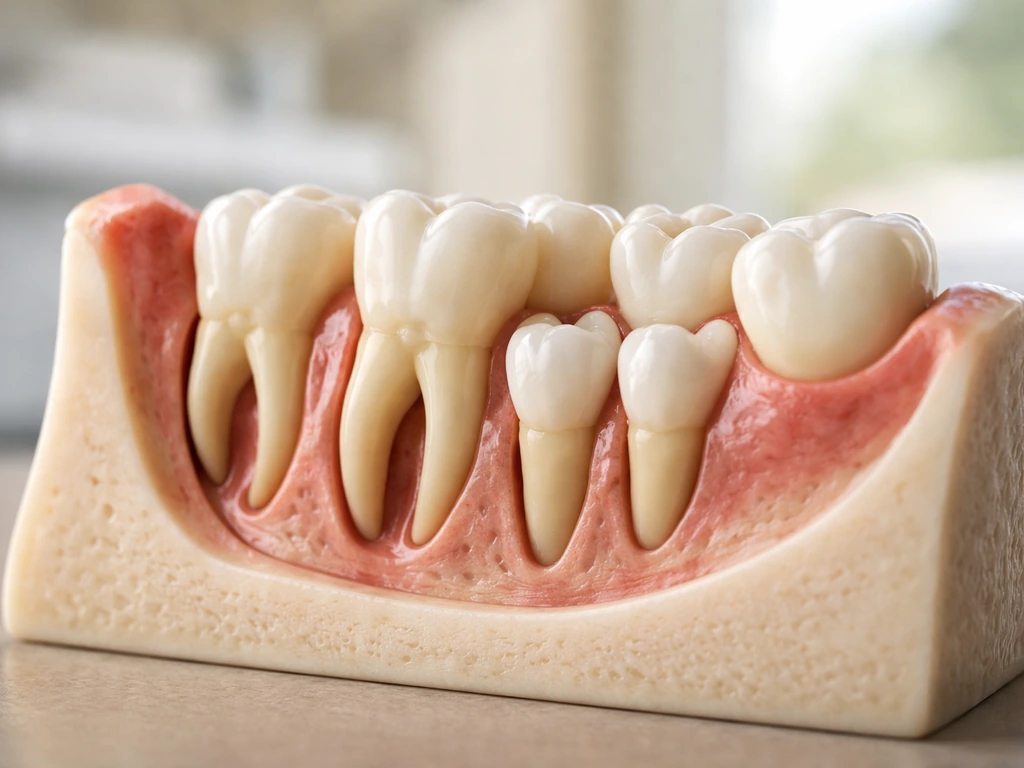
How human tooth development actually works
Humans are diphyodonts, which just means we get exactly two sets of teeth over a lifetime. The first set is the primary (deciduous) dentition: 20 teeth total, made up of 4 central incisors, 4 lateral incisors, 4 canines, 4 first molars, and 4 second molars. These start arriving around 6 months of age and are usually all in by age 3. The second set is the permanent dentition: 32 teeth, including the same types plus premolars and third molars that have no baby equivalents.
What happens under the gum is the key thing to understand. Each permanent tooth develops inside the jaw while the baby tooth above it is still in place. When the permanent tooth is ready, it resorbs the root of the baby tooth from below, the baby tooth loosens, and the permanent tooth erupts into the gap. This is a replacement process, not regeneration. That is also why your teeth only seem to “grow twice,” since the first set is replaced rather than regenerated replacement process. The baby tooth does not regrow. The permanent tooth is not the same tooth growing back. They are two completely separate teeth doing their jobs in sequence.
Which teeth feel like they grow twice
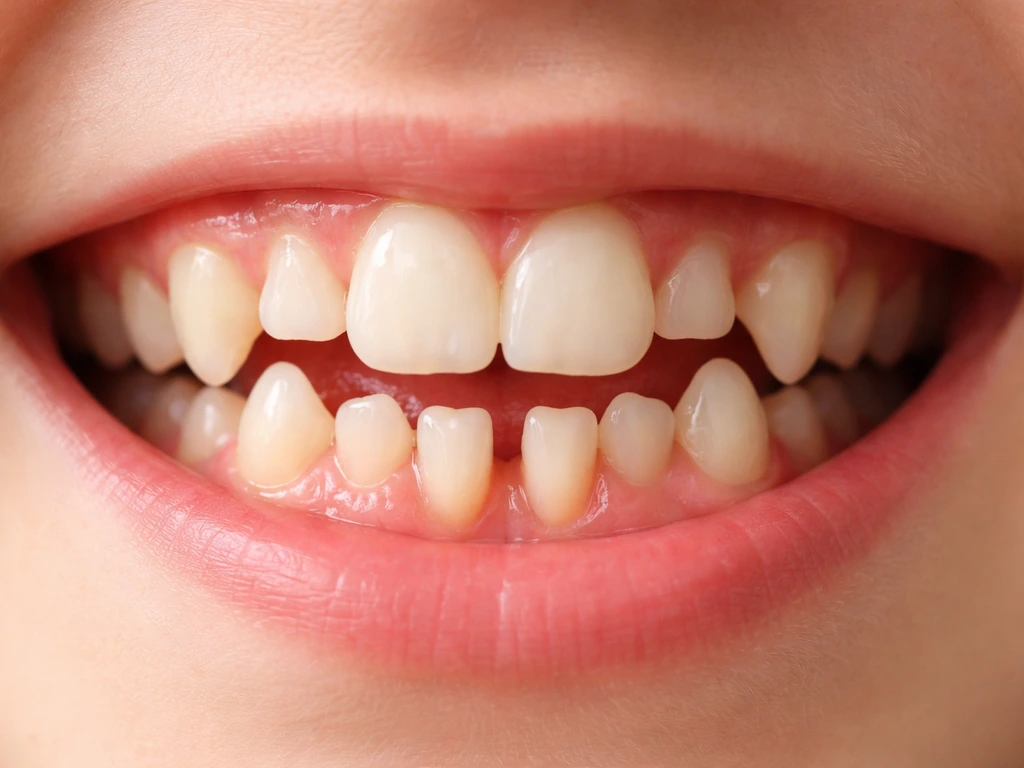
Every tooth with a primary predecessor goes through this two-stage process, which is why the phrase 'grows twice' makes intuitive sense to most people. Here is a breakdown of which teeth follow that pattern and which do not.
Incisors (front teeth)
The central and lateral incisors are the most visible example of the 'grows twice' experience. Kids lose their lower front baby incisors first, usually around age 6, and the adult versions come in right behind them. This is why permanent canines still do not “grow back twice” after a primary tooth is lost. Because this happens in the front of the mouth where everyone can see it, this is the classic wiggly-tooth-under-the-pillow scenario most people picture when they think of teeth growing twice.
Canines
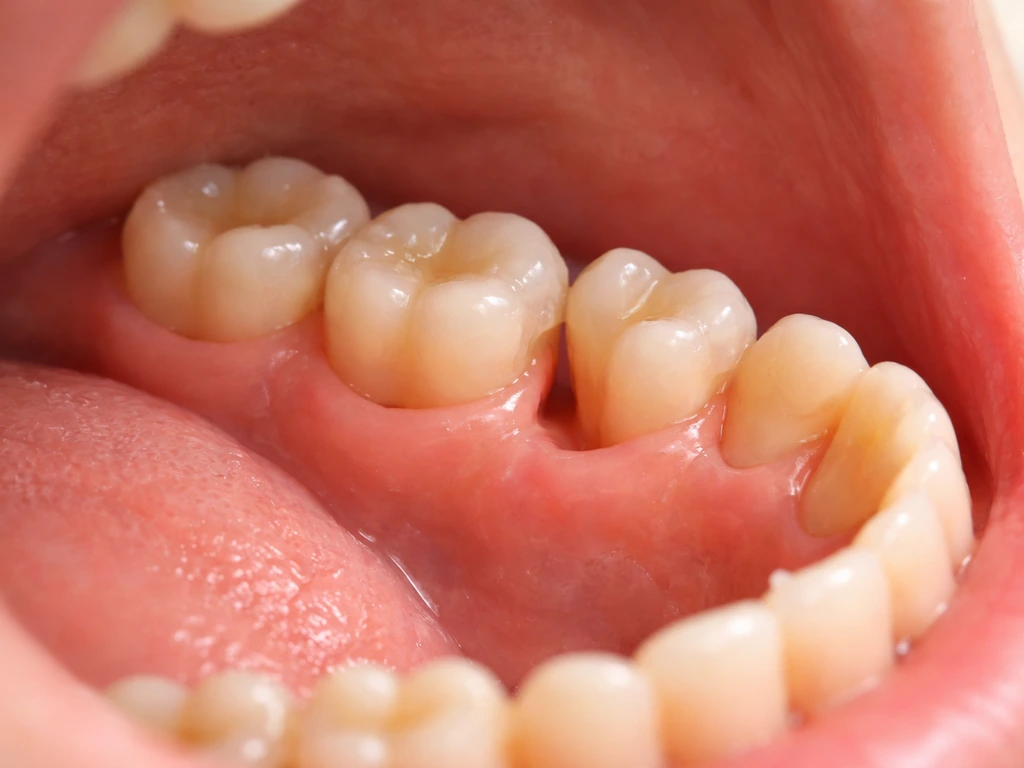
The four canines (the pointed 'eyeteeth') also have primary versions that are replaced by permanent canines. Baby canines typically fall out around ages 9 to 12, making them some of the last primary teeth to go. Their permanent replacements are known for being stubborn, and canine impaction (where the permanent tooth gets stuck and cannot fully erupt) is one of the more common reasons kids end up needing orthodontic intervention.
Primary molars replaced by premolars
This one surprises a lot of people. The baby first and second molars do not get replaced by permanent molars. They are replaced by the permanent first and second premolars (also called bicuspids). So those back baby teeth do follow the 'twice' pattern, just with a different tooth type taking their spot. Permanent central incisors, lateral incisors, canines, and first and second premolars replace the primary (deciduous) dentition. The actual permanent molars, which erupt further back, come in fresh with no baby tooth predecessor at all.
Permanent molars: the once-only teeth
Your first, second, and third permanent molars each erupt without replacing any baby tooth. The first permanent molars typically arrive around age 6 to 7, often before kids have lost many baby teeth, which is why parents sometimes do not realize these are already adult teeth. Because there was never a baby version, these teeth only get one shot. Losing a permanent molar means it is gone for good, which is exactly why keeping them decay-free matters so much.
Eruption timelines: when the second set shows up by age
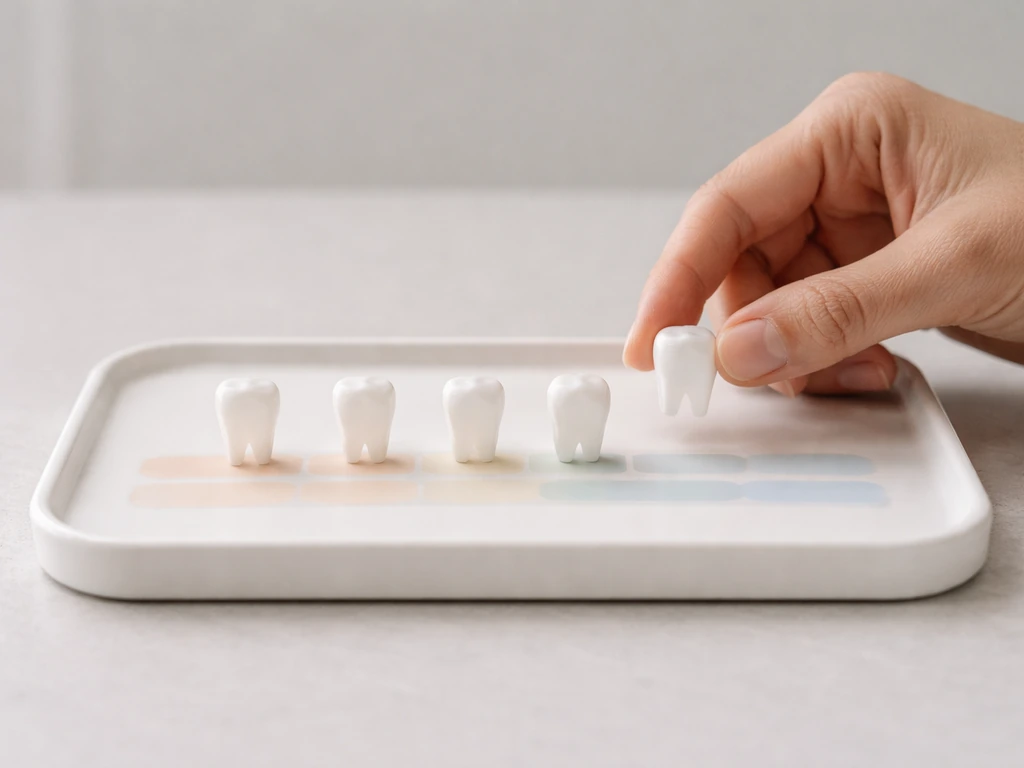
Knowing the normal windows helps parents and adults figure out whether something is on track or worth checking out. These are standard ranges, and there is natural variation within them.
| Tooth Type | Primary Eruption | Permanent Eruption |
|---|---|---|
| Central incisors | 6–12 months | 6–8 years |
| Lateral incisors | 9–16 months | 7–9 years |
| Canines | 16–23 months | 9–12 years |
| First molars (primary) / First premolars (permanent) | 13–19 months | 10–12 years |
| Second molars (primary) / Second premolars (permanent) | 23–31 months | 10–13 years |
| First permanent molars (no primary predecessor) | Already adult teeth | 6–7 years |
| Second permanent molars (no primary predecessor) | Already adult teeth | 11–13 years |
| Third molars / wisdom teeth (no primary predecessor) | Already adult teeth | 17–25 years |
A few things worth noting in that table: the first permanent molars come in very early, around age 6, at the same time kids are losing their front baby teeth. It is easy to assume those back molars are baby teeth because the timing overlaps, but they are not. Also, the 17 to 25 year window for wisdom teeth is genuinely wide. Some people see all four wisdom teeth fully erupt by their early 20s. Others never get them at all, or only get one or two.
Wisdom teeth: not a second eruption, just the last one
A lot of adults assume wisdom teeth are some kind of 'second round' of molars growing in because they arrive so much later than everything else. They are not. Wisdom teeth are the third molars, the last four teeth in the permanent set, and they are simply the final teeth to finish developing and erupt. The whole process is still part of your one permanent dentition, just delayed because those teeth form and migrate slowly in the back of the jaw.
Why do they show up so late? The jaw needs to reach near-adult size before there is enough room for third molars to attempt eruption, which is why they rarely appear before the mid-teens and often do not push through until the early to mid-20s, with 17 to 25 being the typical clinical range. In many people, the jaw simply does not have enough space, which is why partial eruption or impaction is so common and why wisdom tooth removal is one of the most frequently performed dental procedures.
The important distinction here is this: wisdom teeth erupting is not regrowth. They were never present before in any form visible above the gumline. They are not replacing another tooth. They are not a tooth growing back after being lost. They are just a late-arriving member of your permanent set doing what it was always going to do.
What cannot grow back, no matter what you read online
This is the section where a lot of internet myths need to be put to rest directly. Human teeth do not regenerate. The two-set system is the biological limit, and there is no third set waiting in reserve.
- Enamel: Once enamel is lost to decay, acid erosion, or grinding, it does not grow back. Enamel has no living cells in it once a tooth is fully formed, so there is nothing to rebuild it. Fluoride can help remineralize early surface damage, but that is hardening existing enamel, not regrowing lost enamel.
- Tooth roots: If a root is damaged, resorbed, or lost, it does not regenerate. Root canals treat infected pulp inside the root, but they cannot restore a root that has been physically lost.
- A lost permanent tooth: If a permanent tooth is knocked out or extracted, no new tooth will grow in its place in adults. Full stop. The only replacements are dental implants, bridges, or dentures.
- Fillings and crowns: These are restorations that replace damaged tooth structure. The tooth itself does not rebuild under or around them.
- Primary teeth in adults: If a baby tooth is lost in childhood and the permanent replacement never erupts, the gap does not fill itself. This is a situation that typically requires a dental implant or other prosthetic solution.
Some animals, like sharks and crocodiles, can regenerate teeth multiple times throughout their lives. That biology does not exist in humans. Researchers are actively studying dental stem cells and the signaling pathways that could theoretically allow tooth regrowth, and some early-stage laboratory findings have made headlines in recent years. But as of now, none of that has translated into a clinical treatment available to patients. If you are reading that some supplement or therapy can regrow your teeth, that claim is not supported by current dental science.
When to call your dentist about eruption concerns
Most tooth eruption follows the timelines above without any issues, but there are situations where a dental exam and X-rays are the right next step rather than waiting it out.
- A permanent tooth has not appeared within 6 months of the baby tooth falling out: Some delay is normal, but a 6-month gap without any sign of the permanent tooth warrants an X-ray to check whether it is developing, impacted, or missing entirely.
- A baby tooth is still in place at age 13 or older with no sign of loosening: This may mean the permanent successor is missing (a condition called congenitally missing teeth, most common with lateral incisors and second premolars) or that it is impacted.
- Wisdom teeth are partially erupted and causing pain or swelling: Partial eruption creates a pocket where bacteria accumulate easily, leading to a condition called pericoronitis. This warrants evaluation sooner rather than later.
- An extra tooth appears or you notice an unusual bump in the gum: Extra teeth (hyperdontia) do occur and can block normal eruption. A dentist needs to see it.
- A tooth that was previously erupted seems to be sinking or changing position: This can be a sign of ankylosis (where the tooth fuses to the bone), which requires professional assessment.
- Any permanent tooth is knocked out: Reimplantation is sometimes possible if done within 30 to 60 minutes. This is a dental emergency, not a wait-and-see situation.
Panoramic X-rays are the standard diagnostic tool for checking tooth development. A single panoramic film shows all the developing teeth in both jaws and is typically taken around ages 7 to 10 as part of routine orthodontic screening. If you have not had one and you are concerned about a child's eruption pattern, or if you are an adult with unanswered questions about missing or impacted teeth, asking for a panoramic X-ray at your next dental visit is a straightforward step.
The bottom line is that the 'growing twice' experience is built into normal human development and applies to almost every tooth you have, just not by regeneration. The primary teeth serve as placeholders and guides for the permanent teeth beneath them, and the permanent set is the final one. Understanding that timeline is genuinely useful because it helps you tell the difference between what is normal, what is just late, and what actually needs attention. If you are wondering how long milk teeth take to grow and when they should start coming in or be replaced, knowing the usual eruption windows can help you judge whether things are on track.
FAQ
Which teeth grow twice, exactly, and which ones do not? (Include molars)
Teeth most people mean by “grow twice” are the ones that have a baby predecessor, so that list is: central incisors, lateral incisors, canines, and primary first and second molars (each is replaced by a permanent successor). The permanent molars, including wisdom teeth, do not replace baby teeth, so they only appear once.
What happens if a baby tooth falls out early, will the permanent tooth still replace it normally?
If a primary tooth is lost early from injury or decay, the permanent tooth is not guaranteed to erupt on schedule. The permanent tooth can still be developing under the gum, but it may be delayed or blocked, and you might not notice it until there is a visible gap. In that situation, an exam with a panoramic X-ray helps confirm whether the permanent tooth is present and where it is positioned.
How can I tell if a late-erupting tooth is normal timing or an impaction problem?
Not all “second stage” events are the same. A common confusion is that permanent canines often take a long time and look “late,” even though they are still part of normal replacement. True impaction is different, when the permanent tooth gets stuck under the gum and cannot erupt fully, which is why X-rays are useful when a tooth seems absent for months beyond the usual window.
If a tooth looks like it is “coming back,” could that still be normal even though teeth cannot regenerate?
Primary teeth do not regrow once lost, but the tissue around a lost tooth can sometimes look like something is coming in because of gum swelling or changes in spacing. For example, a tooth that looks “bumpy” under the gum may be normal eruption progress, but it is not proof of regrowth. The most reliable way to confirm is an oral exam plus imaging.
Can the “grows twice” pattern explain missing adult teeth, or are there other causes?
Adults can have missing teeth that never get replaced, especially if they were born with missing permanent teeth (congenital absence) or if a permanent tooth is extracted or severely damaged. In those cases, the “grows twice” pattern does not apply because the replacement tooth is not there to erupt. A dentist can distinguish these scenarios with bite checks and an X-ray.
Why do first permanent molars confuse people, and what should parents do when they erupt?
The earliest permanent molars (often around age 6) can be mistaken for an extra set because they erupt before many baby teeth are gone. That matters clinically because they can decay just like any other permanent tooth, and parents sometimes delay brushing habits thinking they are temporary. Establishing fluoride use and good brushing as soon as these molars appear is a practical next step.
Do wisdom teeth always need treatment, and what symptoms suggest problems before full eruption?
Wisdom teeth can take years to fully emerge, and some only partially erupt. If the gum flap over a partially erupted wisdom tooth traps food, it can cause recurring inflammation or infection, even while the tooth is “mostly there.” That is one reason dental visits matter during the 17 to 25 window rather than waiting until everything is fully visible.
If new teeth seem to appear later, could it be something other than normal eruption timelines?
Sometimes what looks like a “second eruption” is actually orthodontic movement or space changes, not new teeth. A dentist or orthodontist can tell the difference by checking eruption position against X-rays and growth patterns. If teeth are shifting but a tooth itself has not emerged as expected, imaging is the quickest way to confirm whether a permanent tooth is present and where it sits.
When should I stop waiting and ask for an X-ray to check eruption?
If you are trying to decide whether to schedule imaging, a key practical rule is timing plus symptoms. If a permanent tooth is missing or a baby tooth has not been replaced within the expected range, or there is pain, swelling, or prolonged asymmetry, ask about a panoramic X-ray (or targeted imaging if needed). Waiting a short period is sometimes reasonable for minor delays, but large delays or visible gum blockage usually warrant earlier evaluation.
Next Articles
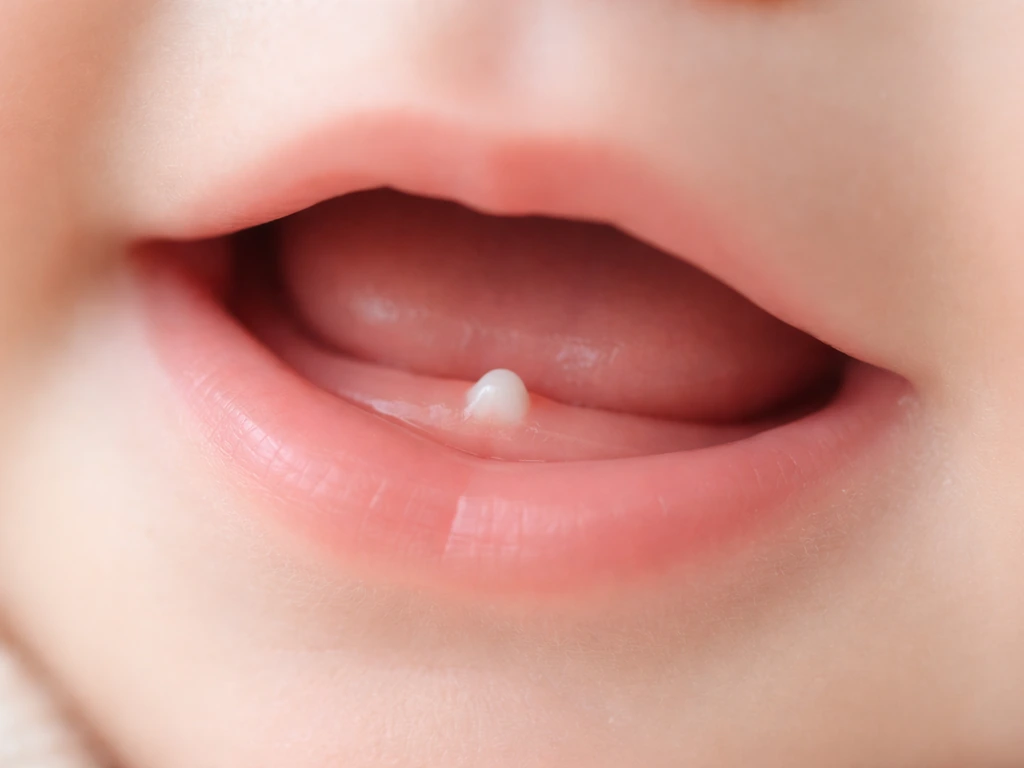
How Long Does Milk Teeth Take to Grow? Timelines
Milk teeth eruption timeline by age: first tooth, full primary set, what’s normal, and when to see a pediatric dentist.
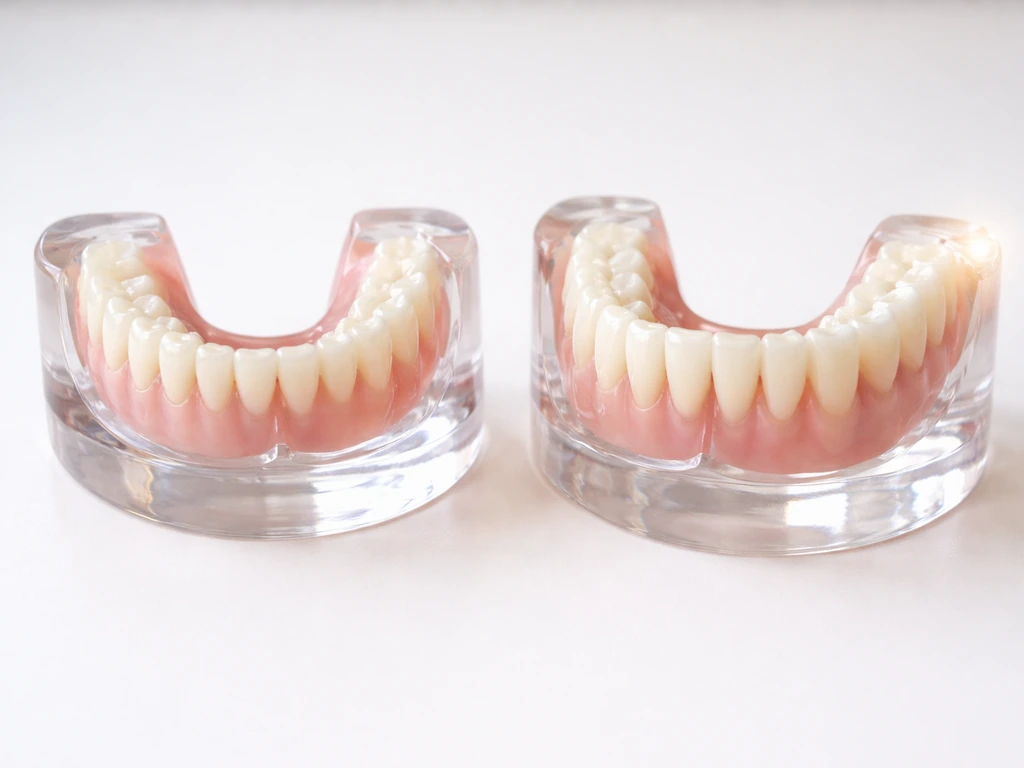
How Many Times Can Teeth Grow After Childhood
Teeth grow in two natural sets: baby then permanent. Regrowth after loss is rare; wisdom teeth are the exception.
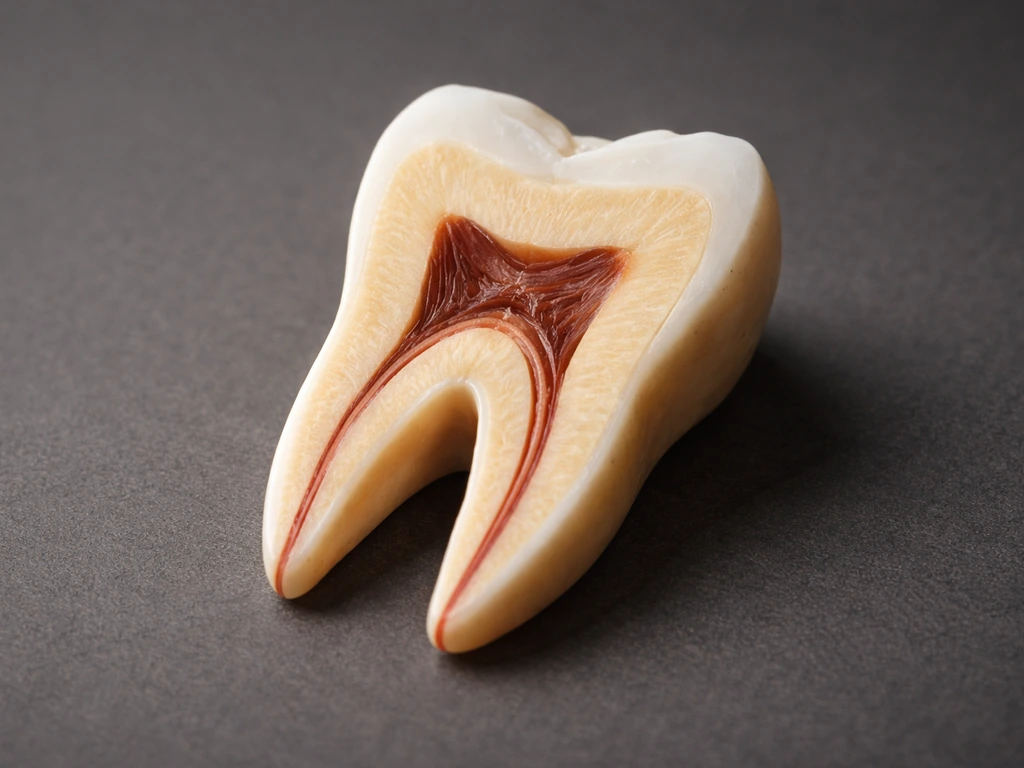
Can Teeth Grow Back 3 Times? What’s Real and Next Steps
Debunks can teeth grow back 3 times. Explains natural tooth replacement once, enamel remineralization, and real treatmen