
If a tooth hasn't come in yet, the most likely explanation is one of four things: it's simply not time yet, a baby tooth is blocking the way, there isn't enough space for it to erupt, or it's impacted (physically stuck under bone or gum). In rare cases, the tooth may never have formed at all. What's not happening is the tooth "growing back" from scratch, because once the permanent set is done developing, there's no third set waiting in the wings. The real question is whether the delay is normal variation or a sign that something specific needs to be fixed.
Why Haven’t My Teeth Grown In Yet? Timeline and Causes

Marcus Holloway
19 Jun 2026
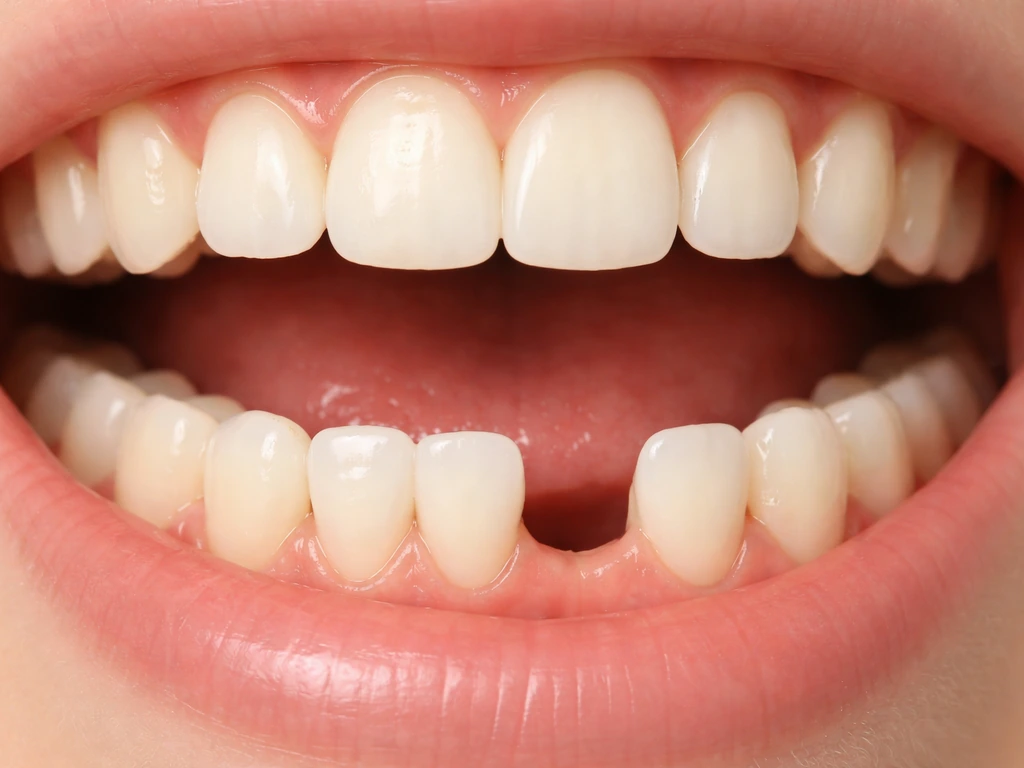
Normal tooth eruption timelines by age
Before worrying, it helps to know what "on time" actually looks like. Eruption timing varies more than most people realize, and being a year or even two outside the average doesn't automatically mean something is wrong. That said, there are reliable windows for each tooth type, and staying well outside them is when a dental evaluation makes sense.
Baby teeth (primary dentition)
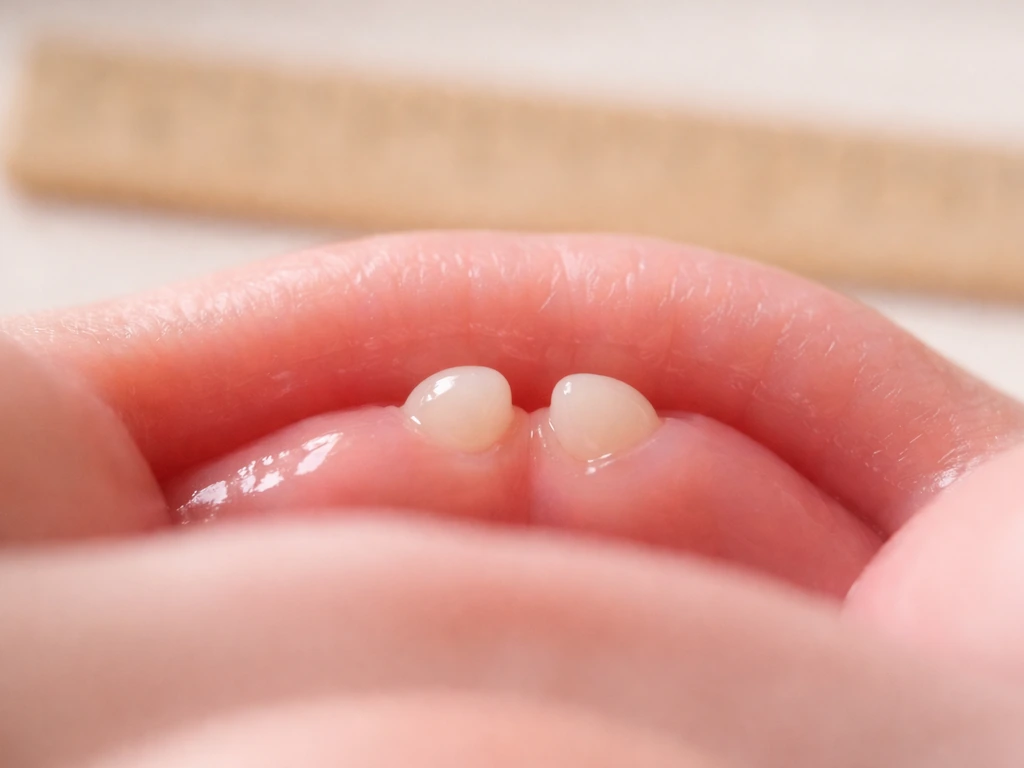
Most babies start getting their first teeth around 6 months, with the full set of 20 primary teeth usually in place by age 3. There's a lot of normal variation here. A baby tooth can arrive 6 to 12 months after its "expected" time and still be completely fine. Healthline also notes that baby teeth may erupt 6, 12 months after their expected time, but you should see a dentist if primary teeth still have not erupted by age 4 a baby tooth can arrive 6 to 12 months after its "expected" time and still be completely fine. If no teeth have appeared by age 12 to 13 months, or if the full set hasn't come in by around age 4, it's worth getting a dentist's opinion.
Permanent teeth: the full timeline
The permanent teeth start arriving around age 6 and, for most people, the process wraps up in the early teens, except for wisdom teeth. Here's a general reference for when each permanent tooth typically erupts: StatPearls notes that permanent mandibular incisors typically erupt around 6, 7 years and maxillary incisors around 7, 9 years, though timing can vary permanent mandibular incisors typically erupt around 6–7 years and maxillary incisors around 7–9 years.
| Tooth Type | Lower Jaw (Mandibular) | Upper Jaw (Maxillary) |
|---|---|---|
| Central incisors (front teeth) | 6–7 years | 7–8 years |
| Lateral incisors | 7–8 years | 8–9 years |
| Canines (eyeteeth) | 9–10 years | 11–12 years |
| First premolars | 10–12 years | 10–11 years |
| Second premolars | 11–12 years | 10–12 years |
| First molars | 6–7 years | 6–7 years |
| Second molars | 11–13 years | 12–13 years |
| Third molars (wisdom teeth) | 17–21 years | 17–21 years |
Wisdom teeth are genuinely unpredictable. Some people's emerge without issue in their late teens; others never fully erupt at all. Many adults in their 20s still have partially erupted or fully impacted wisdom teeth, and some people simply never develop them. That's all within the range of normal human variation.
The "2-year rule" clinicians use
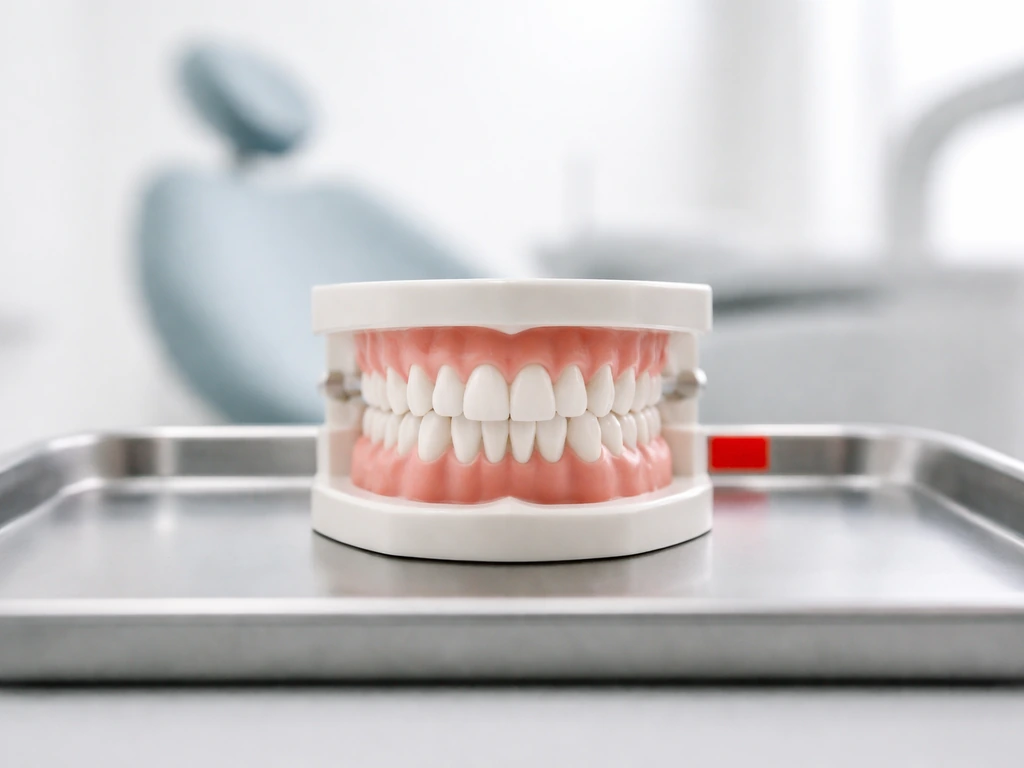
A useful clinical benchmark: if a permanent tooth is more than two years past its expected eruption window with no sign of emerging, that's the point where clinicians consider it a significant delay and investigate more actively. Before that threshold, watchful waiting with periodic monitoring is often appropriate.
The most common reasons a tooth hasn't come in yet
There's rarely just one cause of delayed eruption. Most cases come down to a physical barrier, a timing variation, or a developmental issue. Here are the ones dentists see most often:
A baby tooth hasn't fallen out yet
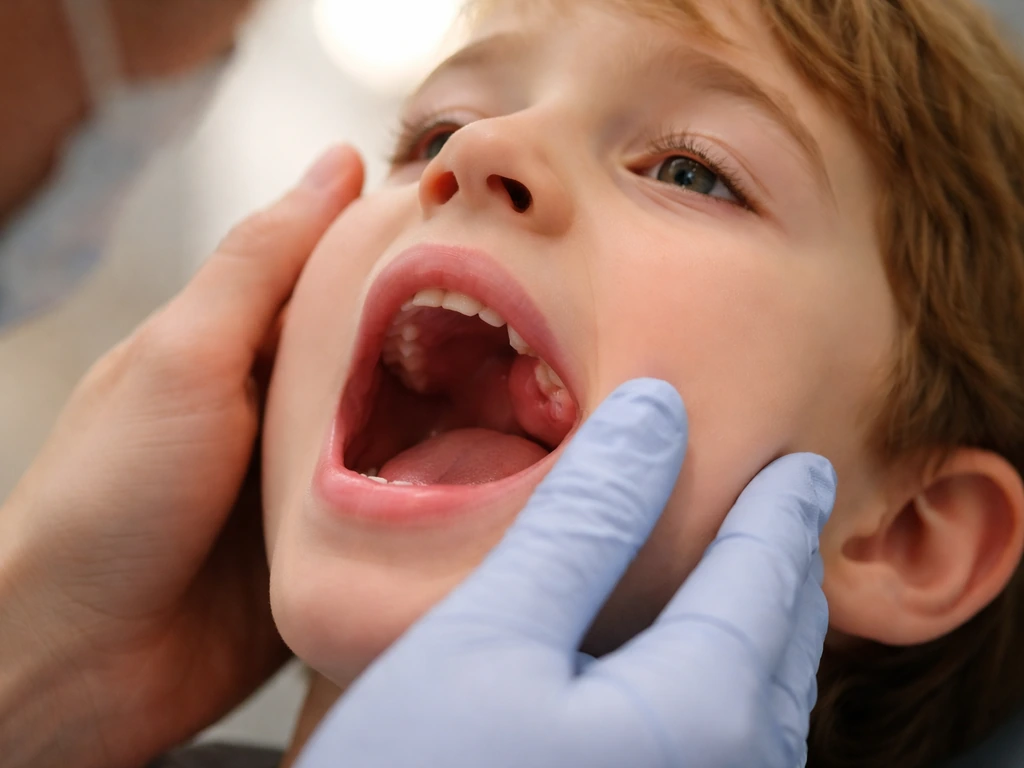
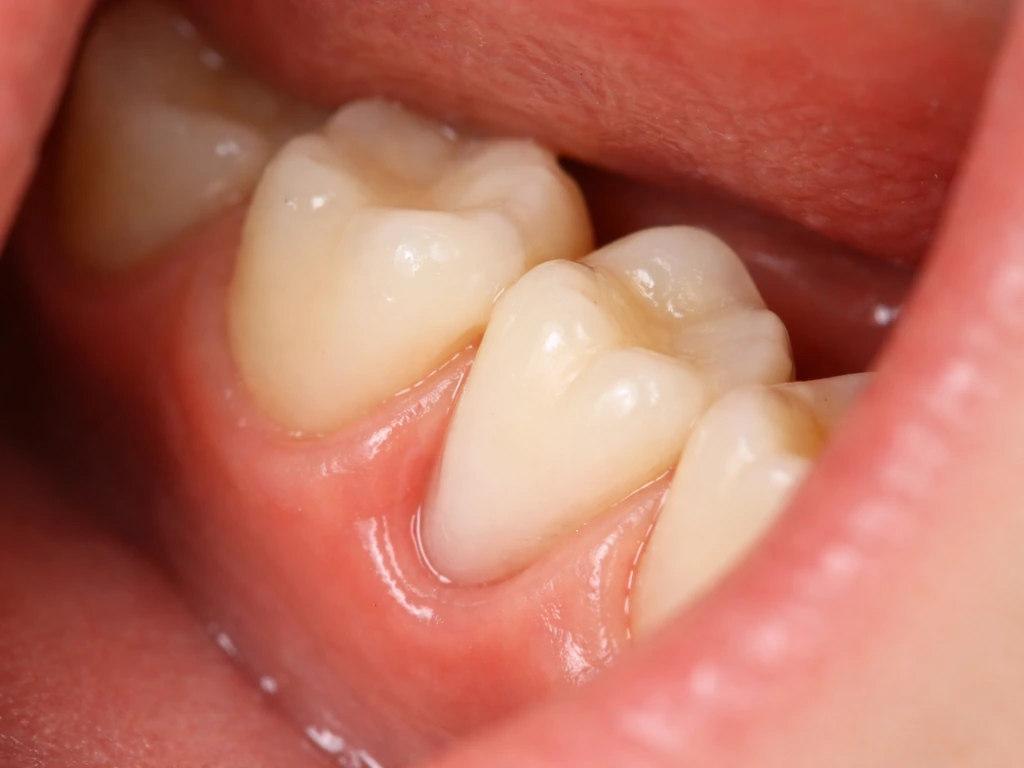
This is the most common reason a permanent tooth is late to arrive, especially in kids. If the primary tooth holds on too long (sometimes called an "overretained" baby tooth), the permanent one underneath can't break through. It may start coming in behind or beside the baby tooth instead of replacing it. If you are seeing a tooth come in behind another, it can be related to delayed eruption from crowding, blockage, or an impacted tooth. The fix is usually straightforward: the dentist removes the baby tooth and the permanent one typically moves into position on its own within a few months.
Not enough space (crowding)
The jaw can only fit so many teeth. When there isn't enough room, a tooth trying to erupt hits a wall. It either gets stuck, erupts at an angle, or crowds other teeth out of position. This is especially common with canines and wisdom teeth, which are the last to arrive in their respective areas and often find the neighborhood already packed. Crowding is also one of the main reasons teeth sometimes grow in crooked rather than straight.
Impacted teeth
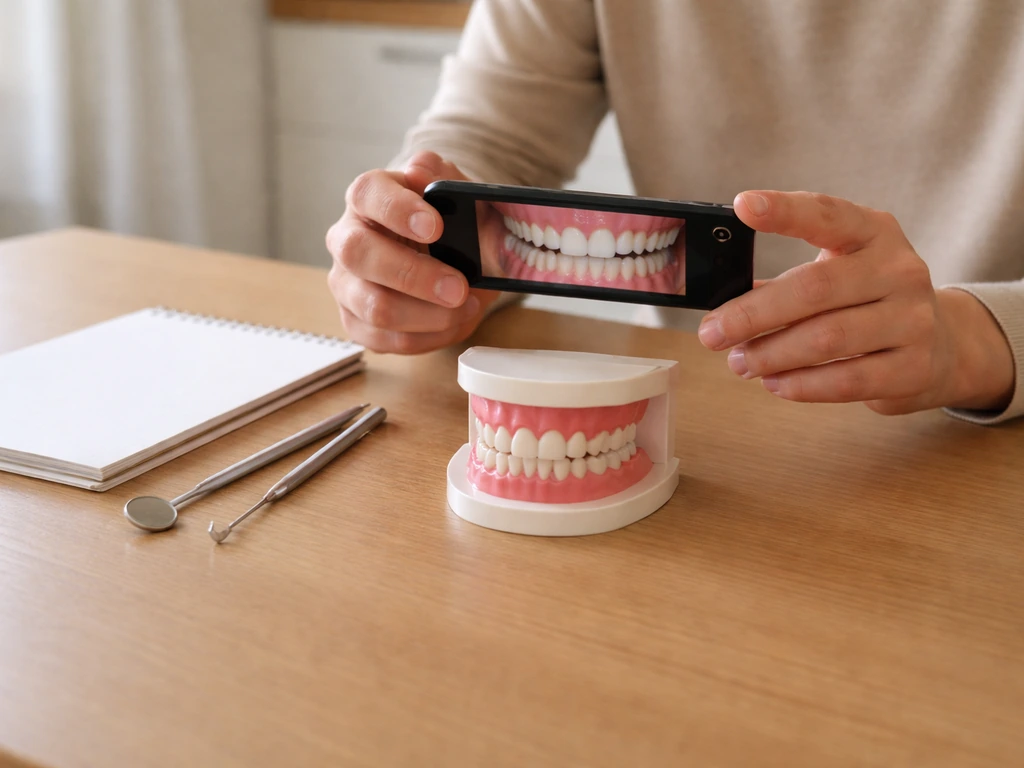
An impacted tooth is physically blocked from erupting, either by bone, gum tissue, another tooth, or a combination of all three. It can sit under the gum for years without causing symptoms, or it can cause pain, swelling, and pressure. Canines and wisdom teeth are the most frequently impacted permanent teeth. An impacted tooth often won't come in on its own, regardless of how long you wait.
Extra (supernumerary) teeth
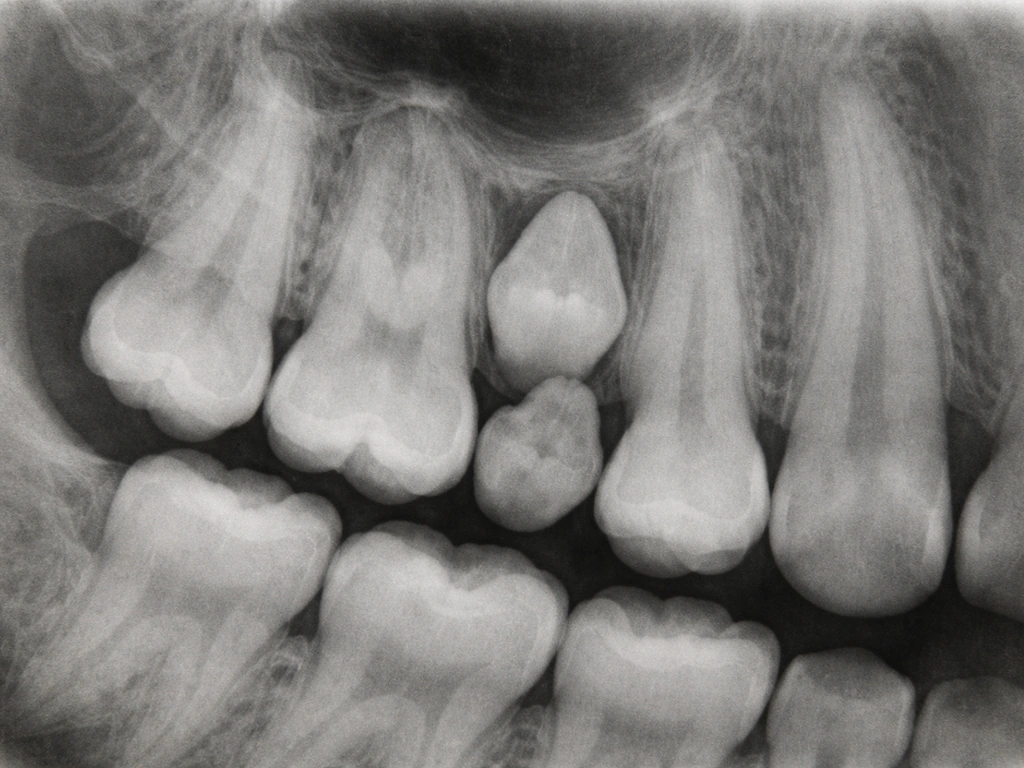
Some people grow extra teeth that don't belong in the normal set. These are called supernumerary teeth, and the most common one is a mesiodens, a small extra tooth that forms right in the middle of the upper front teeth area. Supernumerary teeth are often found buried in the bone, invisible from the outside, and they can physically block the normal permanent teeth from coming through. Studies have found that delayed eruption occurs in roughly 26 to 52 percent of supernumerary tooth cases, which is why an unexplained gap in the front teeth of a child should always prompt an X-ray.
The tooth was never there to begin with (hypodontia)
Some permanent teeth simply never develop. This is called hypodontia (or agenesis), and it's more common than most people expect, affecting somewhere between 1.6 and 6.9 percent of people depending on the population, not counting wisdom teeth. The teeth most often congenitally missing are the upper lateral incisors, lower second premolars, and wisdom teeth. If a primary tooth was missing in that same spot, the odds of the permanent successor also being absent go up significantly. If the tooth was never there, waiting won't produce it.
Gum tissue is too thick
Sometimes a tooth is in a perfectly good position and ready to erupt, but the gum tissue over it is unusually dense or fibrous, especially after a baby tooth was lost very early. The permanent tooth can get partway through and then stall. In these cases, a simple minor procedure to remove a small amount of gum tissue is all that's needed.
Trauma or infection in the area
A hit to the face, a previous infection in a baby tooth, or significant decay that damaged the root area can all interfere with the developing permanent tooth underneath. Depending on the severity, the damage may delay eruption, alter the tooth's path, or affect how it forms.
Systemic and developmental conditions
Certain medical conditions are associated with widespread delayed eruption across multiple teeth. These include hypothyroidism, hypopituitarism, Down syndrome, cleidocranial dysplasia (a condition that often leads to dozens of retained baby teeth and unerupted permanent teeth), and some genetic syndromes. If several teeth across different areas are all delayed simultaneously, this pattern is worth investigating with a pediatrician or specialist, not just a dentist.
When delayed eruption is actually a red flag
Most tooth delays are benign, but some warrant urgent attention. Here are the signs that mean you shouldn't wait for the next routine checkup:
- A permanent tooth is more than 2 years past its expected eruption window with no signs of movement
- Swelling, pain, or a visible lump in the gum where a tooth should be coming in
- The matching tooth on the opposite side of the mouth has already fully erupted but this one hasn't started (asymmetric eruption is a key clinical red flag)
- Fever, redness, bad taste, or pus near an area where a wisdom tooth is partially visible (these are signs of pericoronitis, an infection around a partially erupted tooth)
- A gap in the front teeth that hasn't changed after 6 months past when the baby tooth fell out
- Multiple teeth across different areas are all delayed at the same time
- A child under 13 has no sign at all of second molars coming in
- Any adult who has never had a panoramic X-ray and has a tooth that seems to be missing
- Difficulty biting, chewing, or jaw pain that seems related to an area with a missing tooth
Pain and swelling around a partially erupted wisdom tooth in an adult always deserves a same-week dental visit, not a "wait and see." Pericoronitis (infection under the gum flap over a partially erupted tooth) can escalate quickly.
What you can do right now
There isn't much you can do at home to make a delayed tooth erupt faster, but there are smart and not-so-smart ways to handle the situation while you figure out what's going on.
Track the timeline and note any changes
Compare where you or your child are against the eruption timeline above. Note when the baby tooth fell out (or if it's still there), how long the gap has been empty, whether the tooth on the other side has come in, and any symptoms like soreness or swelling. This information is genuinely useful for the dentist.
Schedule a dental visit based on symptoms
If there's no pain or swelling and the delay is under 12 to 18 months past the expected window, scheduling a regular checkup soon is fine. If there are any of the red flags listed above, particularly pain, swelling, signs of infection, or significant asymmetry, book an appointment within the week. For a child past age 7 with any concerns about eruption timing or spacing, an orthodontic evaluation (often free or low-cost for an initial consult) is a very reasonable next step.
What to avoid
- Do not try to cut or poke at the gum to "help" a tooth come through. This risks infection and won't actually speed up eruption.
- Don't assume a gap will fill itself without ever having it checked. Impacted and congenitally missing teeth need to be diagnosed, not just waited on.
- Avoid feeding older kids only soft foods to avoid discomfort, as age-appropriate chewing helps stimulate eruption naturally.
- Don't let a painful, partially erupted wisdom tooth go more than a few days without a dental visit.
Keep good dental hygiene around the eruption site
If a tooth is partially through the gum, that flap of tissue over it is a trap for food and bacteria. Gently cleaning the area with a soft toothbrush and rinsing with warm salt water can help reduce irritation and prevent infection while you wait for the situation to resolve.
How dentists evaluate a delayed tooth
When you walk into a dental office with a delayed tooth concern, the evaluation follows a fairly predictable path. The goal is to figure out whether the tooth exists, where it is, and what's blocking it. The next section breaks down the main reasons a tooth can be delayed and what typically happens when you get evaluated how do teeth grow back.
Clinical examination
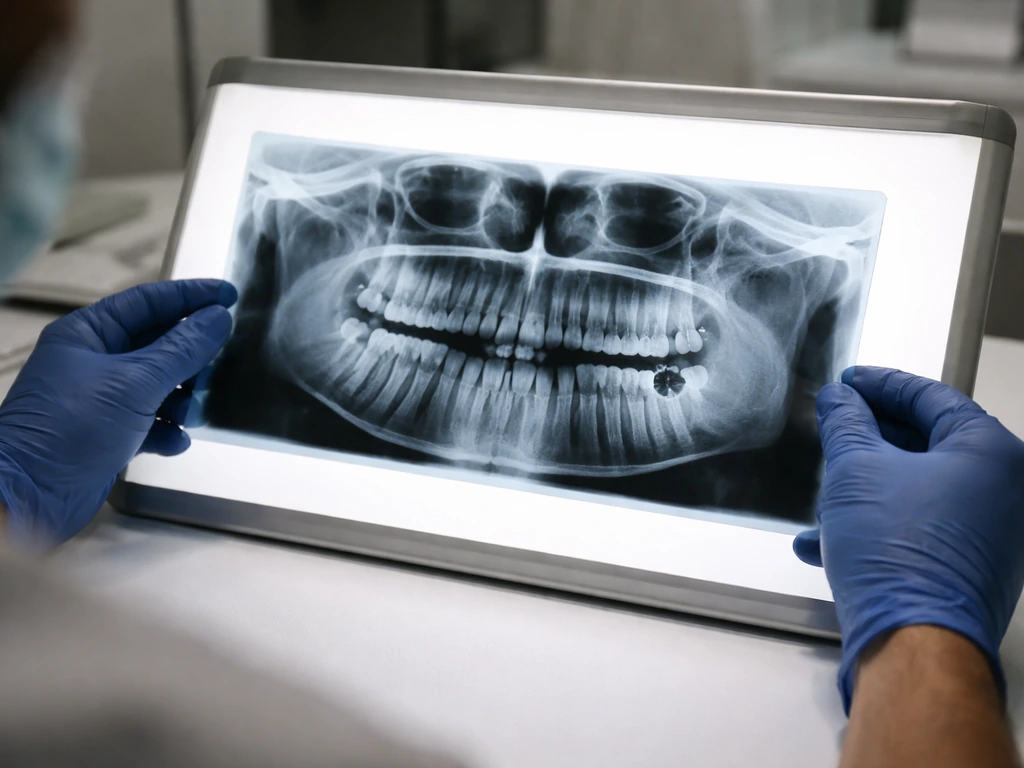
The dentist will first look at what's visible: the state of the gum, whether any bumps or bulges suggest a tooth is just under the surface, whether the baby tooth is still in place, and how the surrounding teeth are positioned. Comparing both sides of the mouth is an important part of this step.
X-rays: the most important diagnostic tool
You cannot diagnose most causes of delayed eruption without imaging. A panoramic X-ray (a wide image that shows all the teeth and their positions in the jaw) is often the first choice because it shows whether a tooth is present, where it's sitting, whether there's a supernumerary tooth blocking it, and what the bone looks like around it. Periapical X-rays give more detail about a specific tooth. In complex cases, particularly for impacted canines or wisdom teeth with unusual positioning, a CBCT (cone beam CT) scan gives a three-dimensional view that guides surgical planning. Dentists are trained to use the minimum radiation exposure necessary, so the type of imaging recommended will match the level of clinical concern.
Space analysis and orthodontic referral
If imaging shows the tooth exists but there isn't enough room for it to erupt, or if multiple teeth are affected, a referral to an orthodontist is the logical next step. Orthodontists do a more detailed space analysis to determine whether creating room in the arch can allow the tooth to erupt on its own, or whether more active intervention is needed.
Oral surgery referral
If the tooth is deeply impacted, a supernumerary tooth needs removing, or a surgical exposure procedure is planned, the dentist or orthodontist will refer to an oral and maxillofacial surgeon. The team approach between orthodontist and oral surgeon is standard for complex impaction cases.
Treatment options and realistic timelines
What happens next depends entirely on the diagnosis. Here are the main pathways and what to expect from each.
Watchful waiting
If imaging shows a tooth is present, positioned reasonably well, and there are no physical barriers, the dentist may simply monitor it at 6-month intervals. This is appropriate when a tooth is within the normal variation window or just slightly delayed. It's not appropriate indefinitely, and there should be clear criteria for when the plan shifts to active treatment.
Removing the baby tooth or supernumerary tooth
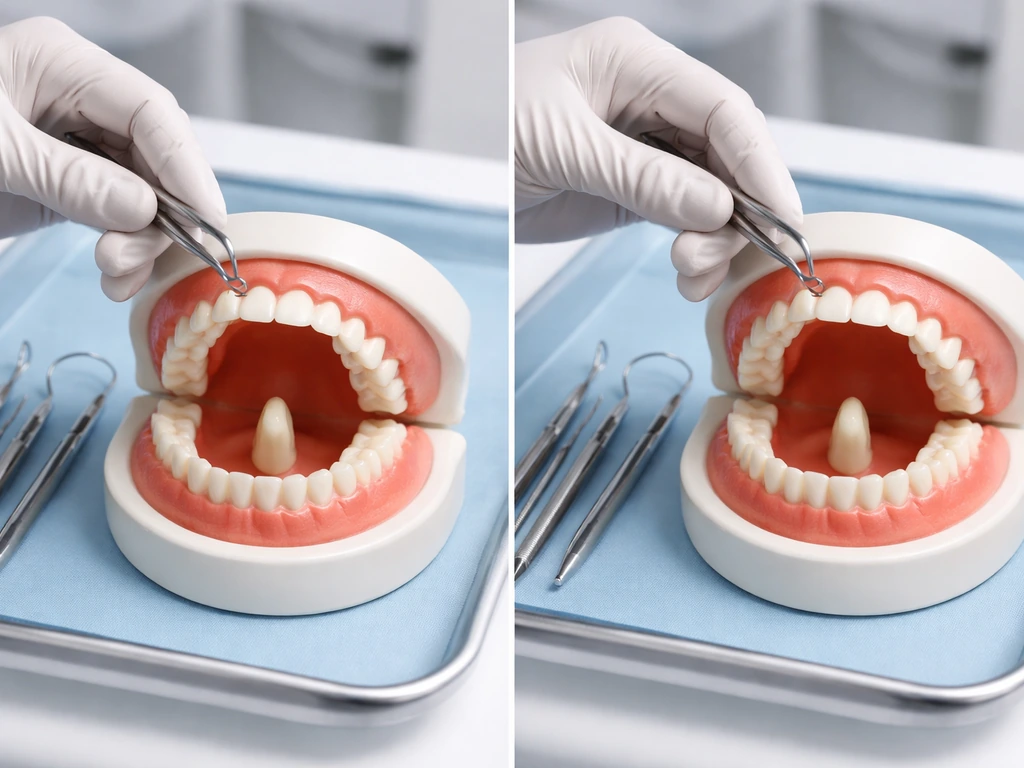
Extracting an overretained primary tooth or a supernumerary tooth that's blocking eruption is often all that's needed. After removal, the permanent tooth will frequently erupt on its own within 6 to 12 months, though this depends on the age of the patient and how long the blockage has been in place.
Space creation with orthodontics
When crowding is the problem, braces or other orthodontic appliances are used to open up space in the arch. Once there's room, the tooth may erupt on its own, or it may need the surgical exposure approach. Treatment time varies widely but commonly ranges from 12 to 24 months for comprehensive orthodontic care.
Surgical exposure and orthodontic traction (expose and bond)
For deeply impacted teeth, particularly upper canines, the standard approach is a surgical procedure to uncover the tooth, bond a small bracket and chain to it, and then use orthodontic traction to slowly guide it into position over several months. The oral surgeon exposes the tooth; the orthodontist does the pulling. This process typically takes 12 to 18 months from start to final position and has good long-term outcomes when done at the right age.
Gum tissue removal (operculectomy)
When thick gum tissue is the only barrier to a tooth that's already in good position, a minor surgical procedure to remove that tissue (operculectomy) is often all that's needed. Recovery is quick and the tooth usually finishes erupting within a few months.
Extraction and tooth replacement
Sometimes an impacted tooth, especially a wisdom tooth or a badly ankylosed (fused to bone) tooth, is better removed than treated. If a tooth is congenitally missing or has to be removed, the options for replacement include orthodontic space closure (moving neighboring teeth to fill the gap), a dental implant (only after jaw growth is complete, usually late teens at the earliest), a bridge, or a removable partial. Planning starts early but definitive replacement often waits until adulthood.
Can teeth, gums, or enamel actually grow back?
This is one of the most common misconceptions in dental health, and it's worth being direct about it. The main issue when a tooth "hasn't grown in" is almost always eruption or development, not regeneration. Yellow teeth can happen for different reasons, including stain buildup, enamel changes, or other dental issues, so it helps to know the cause before choosing whitening. But people often wonder if the tooth could just grow in later on its own, as if the body might eventually produce it from scratch. Here's what the biology actually says.
Humans only get two sets of teeth
There is no third set. Once your permanent teeth are done developing (generally by the early teens, with wisdom teeth finishing in your 20s), no new tooth buds are forming. A tooth that never erupted either exists somewhere in the jaw, impacted or blocked, or it never formed at all. Waiting into adulthood won't produce a new one.
Enamel cannot regenerate after a tooth erupts
Enamel is made by cells called ameloblasts that are shed and lost once a tooth finishes forming and erupts. After that, there are no cells left to rebuild enamel. This is why a cavity or chip doesn't heal itself the way a broken bone can. Significant research is underway into synthetic enamel repair and biomimetic materials, but as of today, natural enamel regeneration doesn't happen. Fluoride, remineralizing toothpastes, and professional treatments can help shore up early-stage mineral loss, but that's reinforcement, not regrowth.
What about gums and pulp?
Gum tissue (the soft tissue) can heal after injury or surgery, which is why gum tissue procedures are common and generally work well. To understand how teeth grow through gums, it helps to know that gum tissue can heal after injury or surgery, but the tooth still needs the right position and space to erupt Gum tissue (the soft tissue) can heal after injury or surgery. But the underlying bone and the tooth structure itself don't regenerate in the same way. Dental pulp regeneration (regrowing the live tissue inside a tooth) is an active area of research involving hydrogel scaffolds and stem cell approaches, but it's still largely experimental and isn't the same thing as a new tooth erupting.
Eruption delay vs. true regeneration: a completely different problem
When a tooth "hasn't come in yet," the issue is almost always mechanical or developmental: something is in the way, the tooth is taking its time, or the tooth never formed. Tooth development starts in childhood, and eruption happens when the developing tooth moves into place in the jaw where do teeth grow from from. None of those scenarios require regeneration. Treating them is about removing barriers, creating space, or replacing a missing tooth with modern dentistry. The regeneration question is relevant only when a tooth structure has been damaged or lost after eruption, and even then, current technology has significant limits. If someone tells you there's a supplement, oil, or technique that will make a missing permanent tooth grow in naturally, that claim has no biological basis.
The bottom line: if you're wondering why a tooth hasn't come in, the answer lives in the dentist's chair and the X-ray machine, not in waiting for the body to regenerate something it simply doesn't do. The good news is that most causes of delayed eruption are treatable, and the earlier you get a proper diagnosis, the more options you have.
FAQ
If a tooth is late, how do I know whether it’s just timing or something physically blocking it?
Because eruption timing varies, dentists often look for “no tooth buds” versus “tooth exists but is blocked.” A panoramic X-ray usually distinguishes those two, and if a tooth is already present and simply delayed, follow-up intervals (often every 6 months) are chosen based on how far outside the expected window you are.
Can a late-erupting tooth come in crooked, and should I wait until it finishes?
Yes. It’s common to see a tooth erupt at an angle when there isn’t enough space, and that can feel like “crooked growth” even before orthodontic work starts. If you notice the gap filling unevenly, asymmetry between right and left sides, or the tooth erupting partially and then stopping, ask for imaging rather than waiting indefinitely.
What should I do if my child’s permanent tooth seems to be coming in behind a baby tooth?
Overretained baby teeth can cause the permanent tooth to come in behind or beside the primary tooth, and that often worsens crowding if ignored. Typical management is removal of the retained baby tooth plus assessment of the permanent tooth position, then a monitoring period (commonly months) to see whether eruption resumes.
There’s a gap, but I don’t see any gum bump, do I still need an X-ray?
You should not rely on looking only for the tooth you expect. Many impacted teeth produce no obvious bulge early on, and front gaps can hide supernumerary teeth or delayed development. If the delay is beyond the “significant” range (for permanent teeth, more than about two years past expected), ask specifically whether an X-ray is needed.
If several teeth are delayed at once, what’s different from a single tooth delay?
If multiple teeth are delayed across different parts of the mouth, it raises the odds of a systemic or genetic pattern rather than one local blockage. In that scenario, a dentist may still image locally, but they will usually recommend pediatric evaluation of thyroid or growth-related issues.
What are the warning signs that a partially erupted tooth is getting infected?
For partial eruption, keep the area clean because the soft tissue flap can trap food, but avoid aggressive poking. If there is pain, swelling, foul taste, or fever, that suggests infection and you should seek urgent dental care rather than home care.
Does delayed eruption need urgent care in adults the same way it does in kids?
Yes, but the urgency depends on symptoms and how far past the window you are. For adults, a painful partially erupted wisdom tooth typically warrants same-week care, while a painless delay might be reasonable to schedule promptly but non-emergently.
If the dentist says there isn’t enough space, what treatment path is most common?
If imaging shows the tooth is present but the arch lacks space, orthodontists may either create room first or combine orthodontics with surgical exposure. Expect that “wait and see” is usually shorter when the tooth is behind a barrier, because late timing can reduce the chance of spontaneous alignment.
Can I use supplements or special home remedies to make a missing permanent tooth come in?
Generally, no supplement or oil can cause a missing permanent tooth to “grow in.” If you are concerned about missing teeth, the key next step is confirming whether the tooth exists but is impacted, or whether it never developed, because the replacement plan differs.
Is it ever appropriate to just monitor an impacted tooth without treating it right away?
If the tooth is impacted and asymptomatic, clinicians sometimes choose monitoring, but they set clear criteria for action. If you see progressive asymmetry, increasing discomfort, or changes in adjacent teeth, monitoring should be reassessed rather than continued on the original plan.
Next Articles
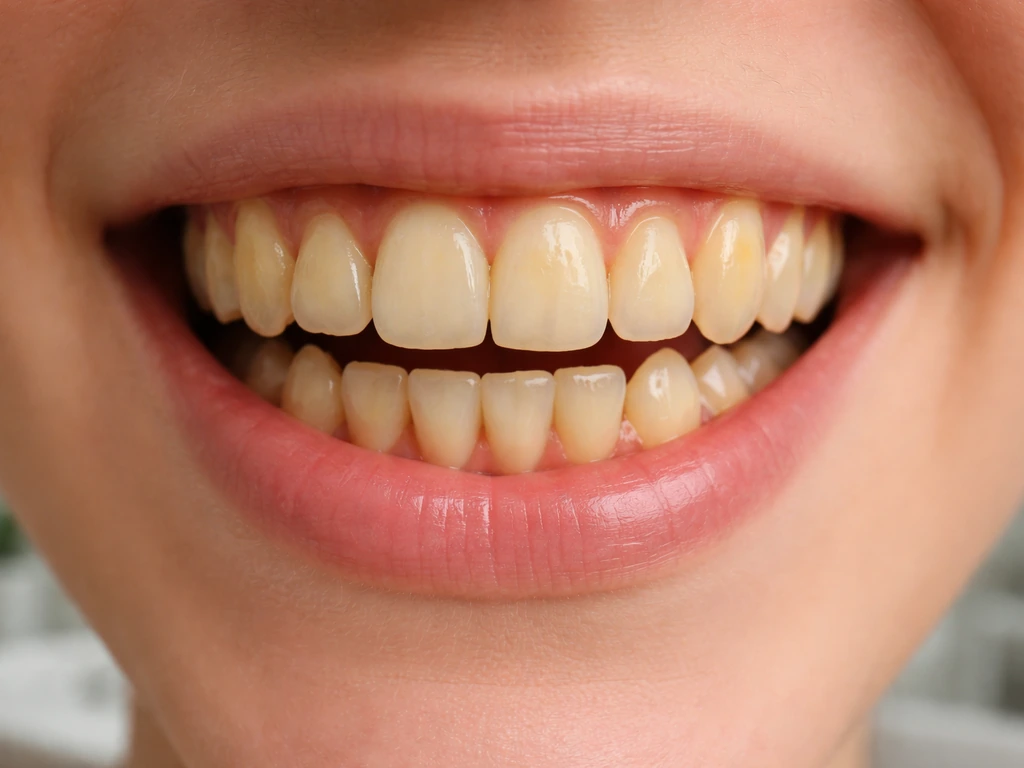
Why Did My Teeth Grow In Yellow? Causes and Next Steps
Yellow teeth causes and fixes, from stains and plaque to enamel defects, cavities, and safe next steps to take.
Why Do Extra Teeth Grow? Causes, Timing, and What to Do
Learn why supernumerary teeth appear, typical timing, risks like impaction, and what to do with dentist diagnosis and tr
Why Do Teeth Grow Behind Teeth? Causes and What to Do
Learn why teeth appear behind others, normal vs impacted causes, and what dentists do to guide eruption safely.