If your gums are irritated, swollen, or bleeding from brushing too hard, there is a real chance they can recover, but only if the damage is still in the inflammation stage. Once gums have actually receded and pulled away from the tooth, exposing the root, that tissue does not grow back on its own. If you are wondering whether can gums grow back after scaling, the answer depends on whether you actually have inflammation or true recession true gum recession. The honest answer is: it depends entirely on whether you are dealing with reversible gingival inflammation or true gum recession, and telling those two apart is the most important thing you can do right now.
Can Gums Grow Back After Brushing Too Hard?

Marcus Holloway
17 May 2026
Gum tissue: what can and cannot regrow
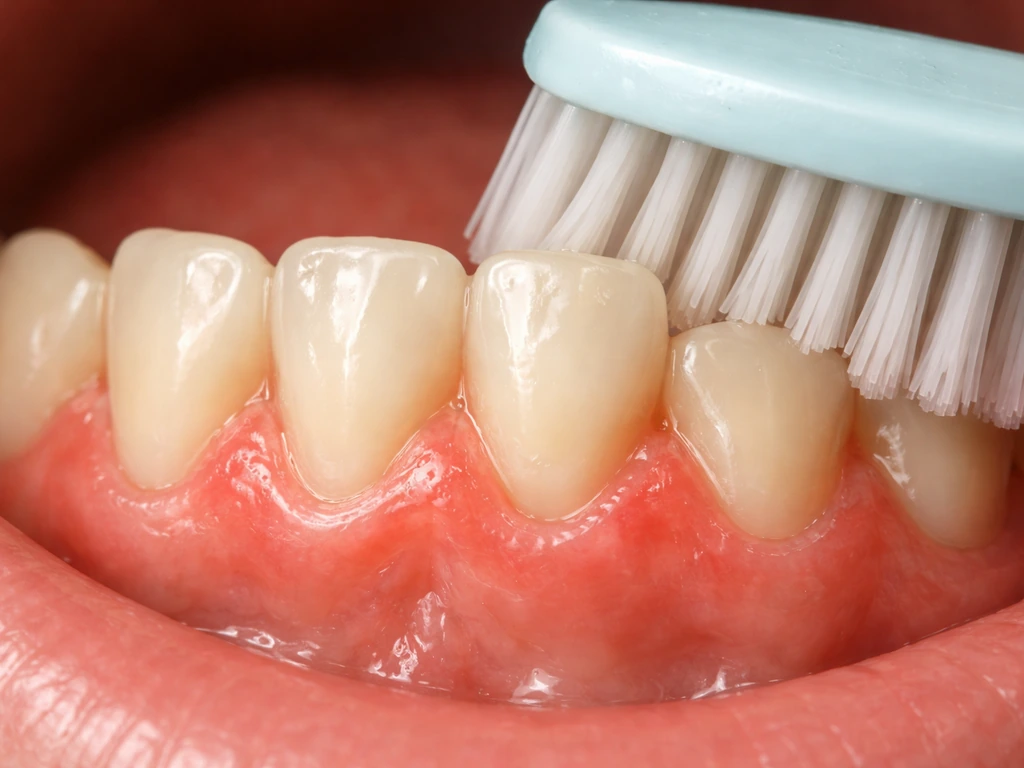
Your gums can absolutely recover from inflammation. When plaque or physical trauma like hard brushing causes irritation, the tissue becomes red, swollen, and puffy, and may even look like it has receded a little. This is gingivitis, and the CDC classifies it as reversible. Remove the irritant, be gentler, and keep the area clean, and inflamed gum tissue can return to a healthy, firm state.
But here is the part most people miss: when gums actually recede (meaning the gum margin has physically moved down the tooth and exposed root surface), that tissue loss is generally permanent without intervention. The American Academy of Periodontology and the Cleveland Clinic are both clear on this. If you are wondering about veneers, it is also important to understand how gum recession can affect the look of your smile and the long-term fit of the restoration. There is no natural biological mechanism in adults that causes receded gum tissue to grow back up the tooth root on its own. If recession is left untreated and the cause is not addressed, it typically continues to worsen.
This is the same biological reality that applies to other causes of recession, whether from tartar buildup, periodontal disease, or procedures like scaling. The cause changes; the underlying biology does not.
What hard brushing actually does to your gums
Aggressive brushing is one of the recognized contributors to gum recession, though research is nuanced: a PubMed review notes that the direct causal link between brushing force and recession is not fully conclusive in every case. That said, the mechanism is well understood. When you scrub your gums with too much force, especially with medium or firm bristles, you are essentially abrading soft tissue that was not designed for that kind of repeated physical stress.
The damage tends to show up in a predictable pattern. You might notice recession on the outer (cheek-facing) surfaces of teeth, often worse on your dominant-hand side because that is the side you tend to brush harder. The gum line becomes uneven. Teeth that once felt fine start feeling sensitive to cold drinks and air.
Common signs that brushing is damaging your gums
- Gums that bleed consistently during or after brushing
- Red, tender, or puffy gum tissue that does not settle after a few days
- Visible root surface (the tooth looks longer than it used to)
- Increased sensitivity, especially to cold temperatures or air
- An uneven gum line, often more pronounced on one side of the mouth
- Notching or grooves at the base of teeth near the gum line
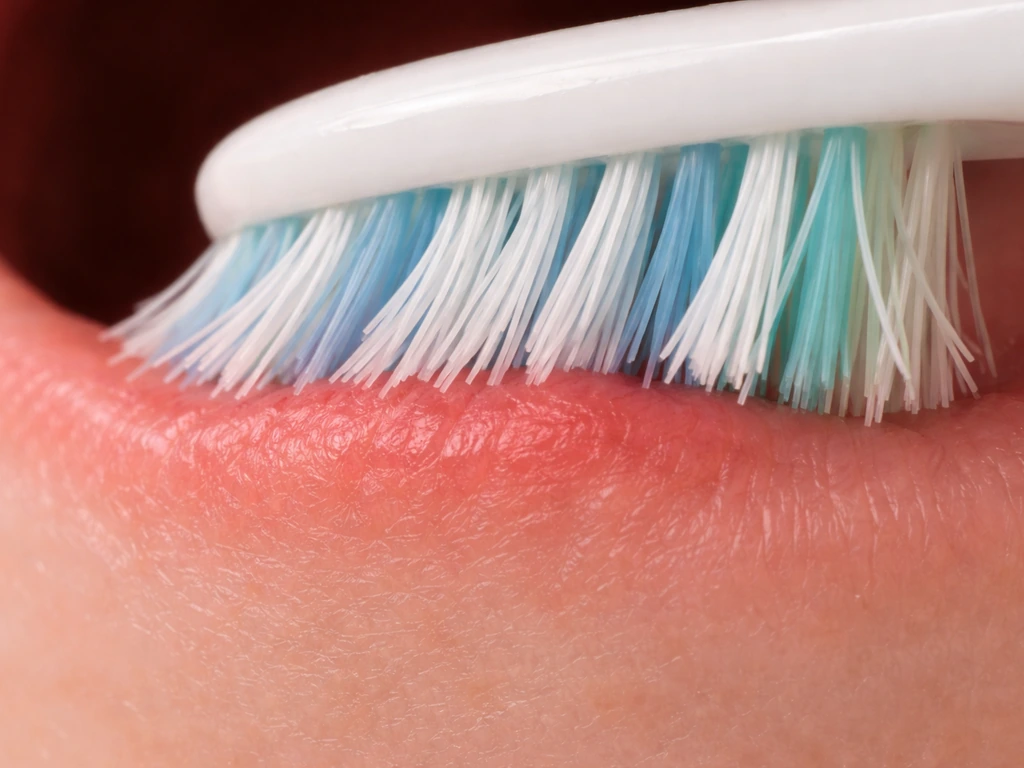
- Frayed or matted toothbrush bristles that flatten out well before 3 months
That last one is worth pausing on. If your toothbrush bristles are splayed out and matted after just a few weeks, that is a direct signal you are applying too much pressure. Healthy brushing should not destroy a toothbrush that fast.
What to do right now, today
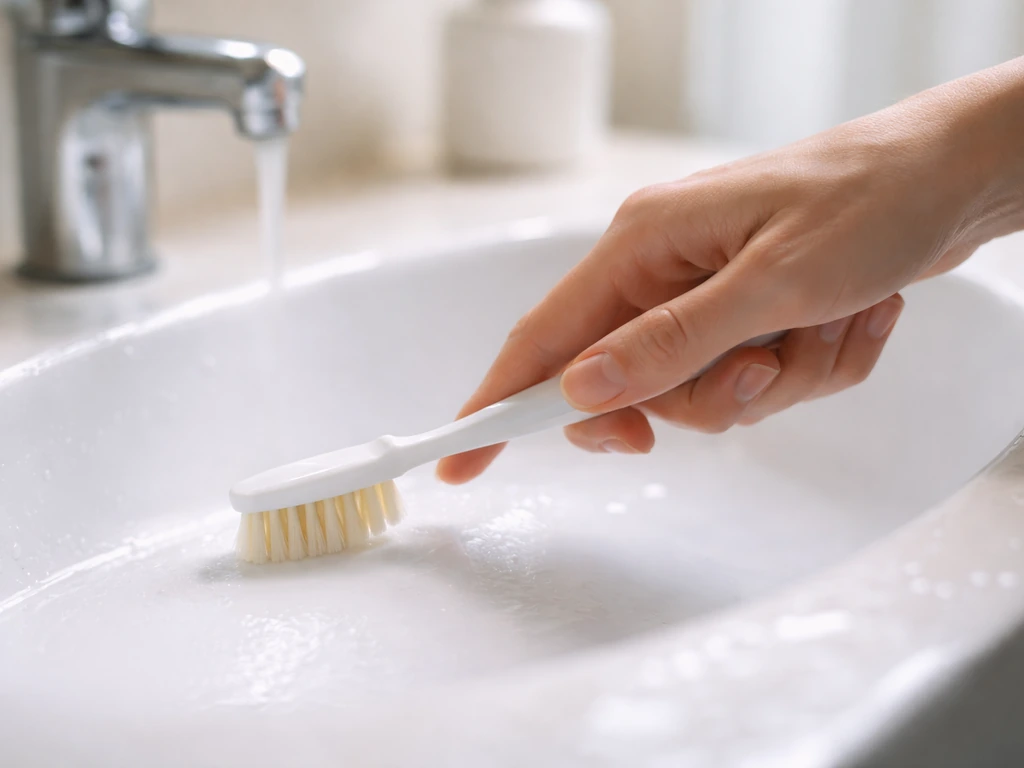
Stop using whatever toothbrush you are currently using if the bristles are worn, medium, or firm. Switch to a soft-bristle toothbrush immediately. This is not just general advice: both the ADA and MSD Manual specifically recommend soft bristles to avoid gingival abrasion. Medium and firm bristles increase trauma risk, full stop.
- Switch to a soft-bristle toothbrush today, not when you get around to it
- Angle the brush at 45 degrees to your gum line, not straight across
- Use short, gentle back-and-forth strokes or small circular motions; do not scrub
- Spend about 2 minutes total, roughly 30 seconds per quadrant, so 4 seconds per tooth
- Apply only enough pressure to feel the bristles against the gums, not to bend them
- Do not skip flossing; plaque between teeth is a major driver of gum inflammation, and removing it helps the gums calm down
- Avoid whitening toothpastes or highly abrasive formulas while your gums are irritated
If you have been scrubbing hard for a while, your instinct might be that softer brushing means less clean. It does not. The point of brushing is to disrupt plaque, and plaque is soft. You do not need force to remove it; you need contact and coverage. Force just damages tissue.
Is this just irritation, or is it actual recession? How to tell
This is the critical question, and honestly a dentist is the only person who can answer it definitively with a clinical exam and measurements. But there are signals that point in one direction or the other.
| Sign or symptom | Likely inflammation (reversible) | Likely recession or periodontitis (needs professional care) |
|---|---|---|
| Gum appearance | Red, puffy, swollen | Gum line noticeably lower, tooth looks longer |
| Bleeding | Bleeds easily, settles with gentle brushing | Persistent bleeding; may bleed when barely touched |
| Sensitivity | Mild, temporary | Persistent cold/air sensitivity, visible root surface |
| Gum texture | Soft, inflamed, may look shiny | Firm but receded; root may be yellow or darker |
| Duration | Improves within 1–2 weeks of gentler care | Does not improve or worsens despite gentler brushing |
| Pocket depth | Normal (cannot feel without probing) | Deep pockets that a dentist measures on examination |
| Tooth mobility | Teeth feel stable | Teeth feel slightly loose or have shifted |
Periodontitis goes beyond inflammation. It involves actual destruction of the attachment and bone that support the tooth. The ADA lists deep pockets, bleeding on probing, gingival recession, and tooth mobility as clinical signs, and notes that people with periodontitis need lifelong supportive care because the underlying susceptibility persists even after successful treatment. You cannot brush your way out of periodontitis at home.
One reassuring signal: if your gums are not bleeding consistently and do not have deep pockets, active periodontal disease progressing further is much less likely. But if you are genuinely unsure whether you are looking at recession or inflamed tissue, book a dental appointment. It is the only way to know your clinical attachment level, which combines probing depth and recession measurement.
Treatment options: what actually helps
What you can do at home
If the problem is still in the inflammation stage, at-home care genuinely works. If the problem is still in the inflammation stage, at-home care genuinely works, so your gums may improve after plaque is cleared even though it does not equal true recession regrowth do your gums grow back after plaque removal. Gingivitis is reversible with good plaque control, and both the AAP and CDC back this up. A consistent routine of gentle brushing twice a day, flossing daily, and removing the irritant (in this case, hard brushing) can restore gum health. Give it about 2 weeks of consistent gentle care and see whether the redness, puffiness, and bleeding settle. Many people see noticeable improvement within that window when inflammation, not recession, is the issue.
What a dentist or periodontist can do
If the gums do not respond, or if you already have visible root exposure or persistent sensitivity, professional care is the next step. A professional cleaning (scaling) removes hardened tartar that home brushing cannot touch, reducing the bacterial load driving inflammation. Your dentist can also re-demonstrate brushing technique specific to your situation, which sounds basic but makes a real difference.
For true gum recession, the Cleveland Clinic states clearly that surgery is often needed to fully correct the problem, and gum graft surgery is the most predictable and long-lasting option. Crown lengthening does not make existing gum recession regrow, but it can change how much tooth structure is exposed for restorative work. A connective tissue graft takes tissue (often from the roof of your mouth or from a donor source) and uses it to cover the exposed root, restoring the gum margin. Clinical studies show measurable root coverage outcomes typically become apparent around 4 to 6 months after the procedure. It is not instant, but it is the closest thing to actual gum regrowth that currently exists. In some cases, osseous surgery can improve the supporting bone and gum contour, but it does not guarantee that gums will fully grow back over the exposed root do gums grow back after osseous surgery.
Periodontal therapies like scaling and root planing can also address the underlying disease environment, reducing pocket depths and giving the tissue a chance to reattach in cases where periodontitis is involved. But structural bone and attachment loss from periodontitis does not simply reverse with treatment; the goal becomes stabilization and preventing further loss.
How to brush safely going forward
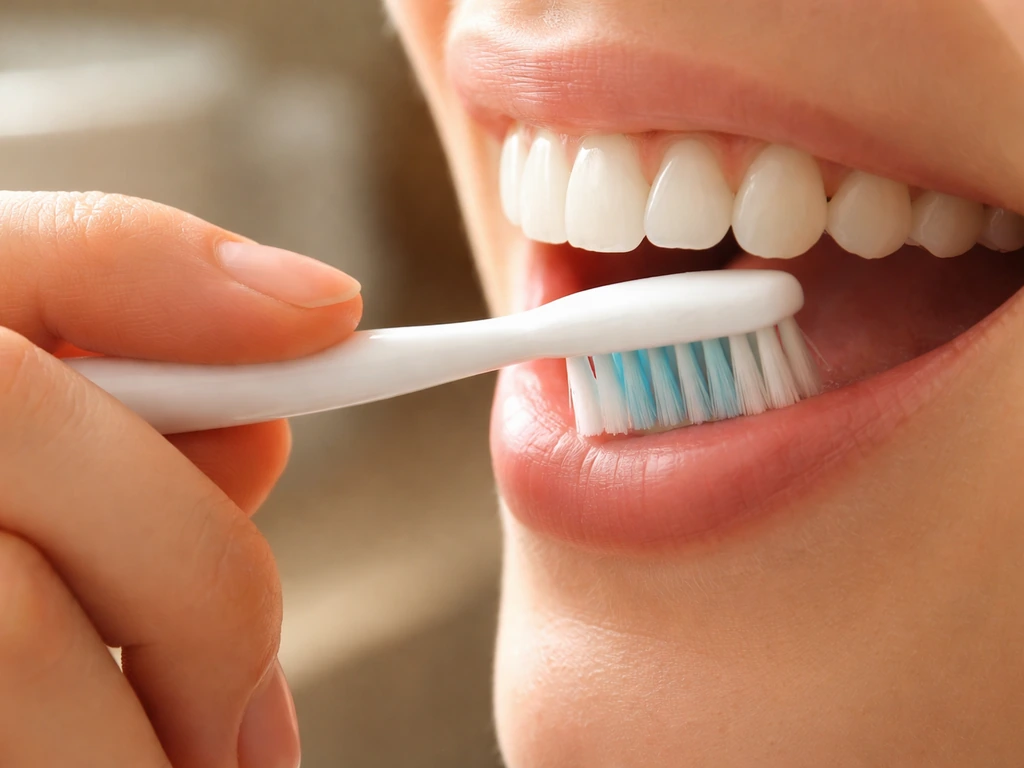
Most people use way too much pressure when they brush. If you are pressing hard enough to see your bristles bend or splay out against your teeth, that is too much. The target is light contact, not pressure. Some people find that switching to an electric oscillating-rotating toothbrush helps because many models have pressure sensors that alert you when you are pushing too hard, and the mechanical action does the cleaning work so you do not need to apply force yourself. A 3-year randomized study comparing manual brushing versus oscillating-rotating power brushing evaluated long-term effects on pre-existing gingival recession and found the brushing modality was assessed for safety over time switching to an electric oscillating-rotating toothbrush helps.
- Use a soft-bristle toothbrush, always; skip medium and firm
- Hold the brush like a pen, not like a hammer; a light grip naturally reduces force
- Angle at 45 degrees to the gum line and use short, gentle strokes or small circles
- Spend 2 full minutes brushing, 30 seconds per quadrant
- Replace your toothbrush every 3 to 4 months, or sooner if bristles are frayed
- Floss daily to remove plaque from between teeth and along the gum margin
- Use a fluoride toothpaste without heavy abrasives while gums are healing
- Book dental check-ups every 6 months so any early signs of recession or disease are caught before they become harder to treat
The NIDCR recommends small circular motions as an alternative to the 45-degree back-and-forth approach; either technique is fine as long as you are being genuinely gentle and covering the gum line. The key variable is force, not the specific stroke pattern.
One thing worth saying plainly: a lot of people think harder brushing equals cleaner teeth, and it is simply not true. Plaque is soft, sticky film. A soft brush with the right technique removes it just as effectively as a firm brush applied aggressively, without the tissue damage. If you have been hard on your gums for years, switching your technique now still matters. You can stop further recession from happening even if you cannot reverse what has already occurred.
If you are reading this because you noticed something off and are unsure whether to book an appointment: book the appointment. A dentist can measure your gum levels, assess whether you have active disease, and tell you exactly where you stand. If you are wondering about what Invisalign can change for receding gums, it is important to treat any gum recession risk factors early will gums grow back after invisalign. That information is far more valuable than guessing, and catching recession or periodontitis early gives you dramatically better options than waiting until symptoms are severe. If you are wondering, “will my gums grow back after wisdom teeth removal,” it usually falls into the same rule: inflammation can improve, but true recession is generally permanent without targeted treatment.
FAQ
How can I tell if I’m dealing with temporary gum inflammation or true recession?
If you notice tooth-root exposure or a clear “longer tooth” look, that points more toward recession than temporary inflammation. In that case, gentle brushing alone usually cannot bring the gum back, but it can prevent further loss and reduce bleeding while you arrange an evaluation.
What bleeding pattern suggests my gums will improve versus needing a dental exam?
Small amounts of gingival bleeding that stop within about 1 to 2 weeks of gentle technique and consistent plaque control often fit inflammation. Bleeding that persists, especially with visible recession or continued sensitivity, is a reason to get checked rather than waiting indefinitely.
If I stop brushing too hard today, how soon should I see improvement?
You can stop the damage quickly, but you generally should not expect instant “regrowth.” Even when inflammation settles, the gum may look a bit better, however true root coverage typically requires targeted periodontal or surgical options.
Will changing how I floss help if I’m brushing too hard and bleeding?
Using floss more gently matters, but flossing should not be skipped. If you floss and it bleeds heavily every time, try a softer approach (slide along the tooth, not snap down) and consider asking a dentist or hygienist to demonstrate technique.
If I brush gently and still see recession, what else could be causing it?
If you brush only lightly but still get recession or a receding gum line, other drivers may be present, such as tartar buildup, misaligned tooth position, or periodontitis. Technique is important, but it is not the only cause worth ruling out.
Are electric toothbrushes safer for gums than manual brushing?
Electric brushes can be a good option, especially models with pressure control, because they reduce the chance of over-forcing. Still, you need the right contact and coverage, even with an electric brush.
When should I replace my toothbrush if I suspect I’m brushing too hard?
Once bristles are visibly worn, splayed, or frayed, the cleaning pattern changes and pressure often increases to “compensate.” Replace the brush promptly, typically every 3 months or sooner if bristles deform quickly.
Can mouthwash or antiseptic rinses make up for aggressive brushing?
Mouthwash can help control bacteria, but it does not correct mechanical trauma or rebuild lost gum tissue. Use it as an aid, and focus on plaque control with gentle brushing and floss while you address the cause.
What if I think I might have periodontitis, not just irritated gums?
Do not treat suspected periodontitis with home care alone. Deep pockets, mobility, and ongoing bleeding on probing require professional assessment and a supportive care plan, since brushing cannot reverse lost attachment and bone.
Should I worry if my gums are sensitive to cold air or drinks after hard brushing?
If sensitivity is new or worsening, that can reflect exposed root surface, recession progression, or inflammation. Schedule an exam, especially if sensitivity persists despite switching to soft-bristle brushing and avoiding hard brushing pressure.
Can plaque removal alone reverse gum recession?
Good plaque control can sometimes reduce inflammation and bleeding, but it cannot “undo” structural tissue loss by itself. If there is measurable recession, ask about periodontal re-evaluation and options like grafting if root coverage is a goal.
After a professional cleaning or gum treatment, how do I prevent the recession from coming back?
If you have had gum grafting, recession repair, or scaling, you still need to keep pressure low and maintain plaque control. Recession can continue from underlying disease risk or technique errors, so follow-up maintenance matters.
Next Articles
Will My Gums Grow Back After Wisdom Teeth Removal?
Learn if gums can regrow after wisdom teeth removal, typical healing timeline, why recession happens, and next steps if
Do Your Gums Grow Back After Plaque Removal? What to Expect
Explains whether gums truly regrow after plaque removal, what can improve, timing, and what to do to heal safely.
Will Gums Grow Back After Invisalign? What to Expect
See what regrows after Invisalign gum recession, what stays permanent, why it happens, and next-step checks.