
After crown lengthening, your gums will not grow back to their original height. The procedure is specifically designed to permanently lower the gum line and expose more tooth structure, and that change is largely irreversible. What does happen, though, is a partial "rebound" where the soft tissue migrates slightly back in a coronal direction during healing, typically within the first 3 to 12 months.
Do gums grow back after crown lengthening? Healing, limits

Marcus Holloway
9 Jun 2026
Because Invisalign treatment does not change your bone the way crown lengthening does, the gum position you have during treatment typically does not “grow back” in the same way. So the final gum position lands somewhere between the intraoperative level and the original level, not all the way back to where you started. The exact endpoint depends on your tissue type, how much bone was removed, and how well healing goes.
What crown lengthening actually does to your gum tissue
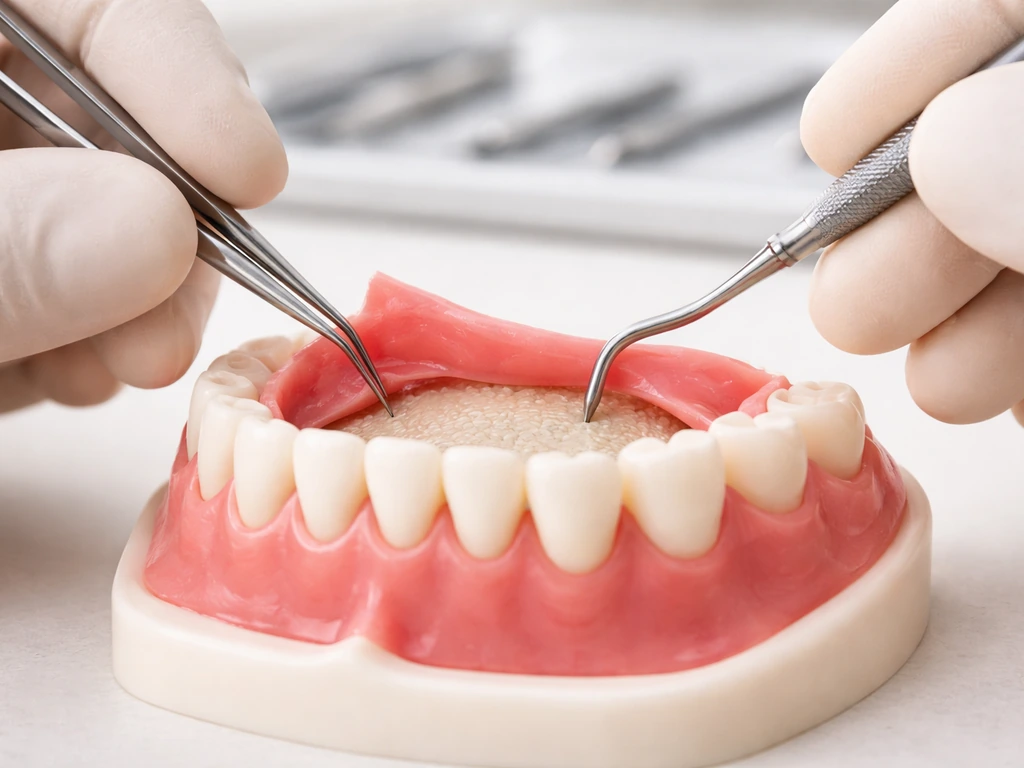
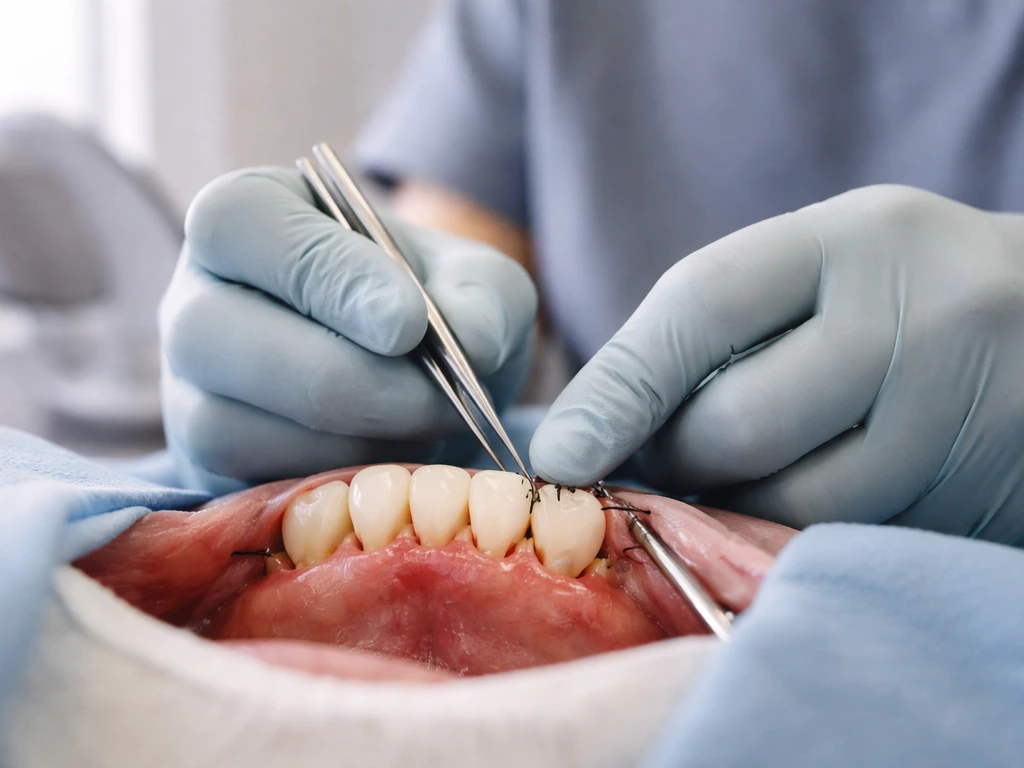
Crown lengthening is not just a soft-tissue trim. In most cases, it involves reflecting a full-thickness flap, removing supporting bone (ostectomy), and repositioning the flap apically so the gum line sits lower relative to the tooth. The goal is to create at least 3 mm of space between the bone crest and the final restoration margin. That 3 mm accommodates what dentists call the biologic width: roughly 1 mm of connective tissue attachment, 1 mm of junctional epithelium, and 1 mm of sulcus depth. Without that space, a crown margin that sits too close to the bone will trigger chronic inflammation and bone loss.
Because bone is physically removed during the procedure, the architecture of the area is fundamentally changed. The gum cannot grow back to its prior height without bone to support it. Think of it this way: gum tissue follows bone. If the bone is gone, the gum has nowhere to reattach at the original level.
This is the core biological reason why true regrowth is not possible after crown lengthening, and it separates this procedure from situations like gum recession after brushing too hard or gum changes after tartar removal, where no bone is intentionally removed. This is different from tartar removal, where the gums can heal and firm up but do not truly regrow to their original height gum changes after tartar removal.
Do gums actually regrow after crown lengthening
The typical outcome: partial rebound, not full regrowth
Here is what the research actually shows. After surgery, the gum margin does creep back coronally during healing. A well-known 12-month wound healing study by Pontoriero and Carnevale found that the gingival margin showed a statistically significant coronal displacement of about 3.2 mm interproximally and 2.9 mm on the buccal and lingual surfaces from the intraoperative position. That sounds like a lot of "growing back," but remember: the surgeon positioned the tissue apically by design, so this rebound is partly expected and partially planned for. The final gum level is still lower than where it was before surgery, just not as low as the immediate post-op position.
A separate 12-month esthetic crown-lengthening study tracked the same phenomenon in detail. Rebound started progressing around 1 month post-surgery and continued through 12 months. Coronal displacement was expected within roughly 3 months, and the original supracrestal tissue attachment dimension tended to be restored around 6 months post-op. In plain terms: the gum reestablishes its biologic width at the new, lower bone level, but it does not grow back up to cover the full amount of tooth that was exposed. While crown lengthening has a predictable pattern of partial rebound, gum changes after tartar removal can be different depending on how much inflammation and attachment loss were present before cleaning do gums grow back after tartar removal.
Uncommon outcomes: when things go differently
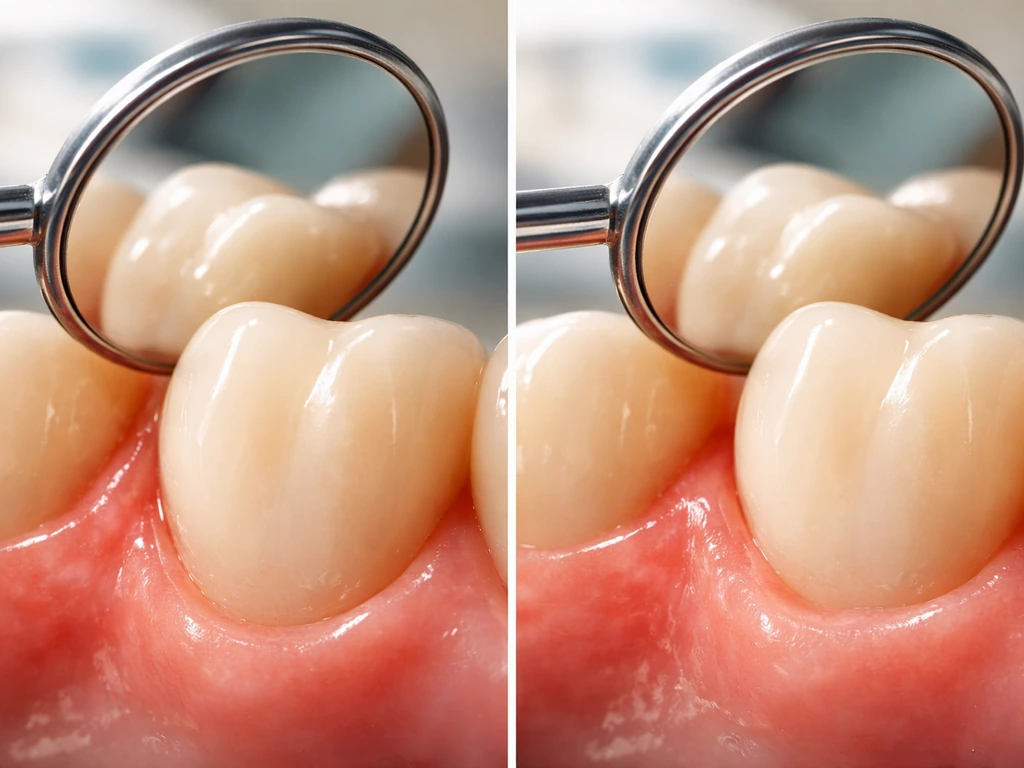
In some cases, the tissue continues to recede rather than rebound. Literature reports postoperative gingival recession of 2 to 4 mm between about 6 weeks and 6 months, particularly in patients with thin tissue biotypes, poor plaque control, or in cases where bone removal was aggressive. On the other end, if not enough bone was removed or the flap was positioned too coronally, the rebound can be excessive, leaving insufficient crown exposure and potentially requiring revision surgery. These are the two main ways outcomes diverge from the expected path.
Healing timeline: what to expect at each stage
| Time Point | What's Happening | What You'll Notice |
|---|---|---|
| Immediately post-op (day 0–2) | Flap sutured at the new apical position; tissue is at its lowest point | Maximum tooth exposure, swelling, some bleeding |
| First 2–4 weeks | Active wound healing, early epithelialization; tissue may look uneven | Swelling reduces; gum line may appear to shift slightly upward |
| 1–3 months | Coronal rebound progresses; supracrestal tissue attachment begins re-establishing | Noticeable gum migration back toward the crown; tissue firming up |
| 3–6 months | Biologic width largely re-established at new bone level; rebound slows | Gum position approaching its long-term location; less daily change |
| 6–12 months | Tissue maturation continues; final gum margin stabilizes; some recession possible | Final esthetic result visible; probing depths stabilizing |
Most periodontists wait at least 3 to 6 months before placing a definitive crown after crown lengthening, precisely because the gum line is still moving during that window. Placing a permanent restoration before the tissue stabilizes risks having the margin end up in the wrong position relative to the gum, which affects both esthetics and periodontal health long-term.
What determines how much tissue comes back (and how stable it stays)
Biologic width and bone removal
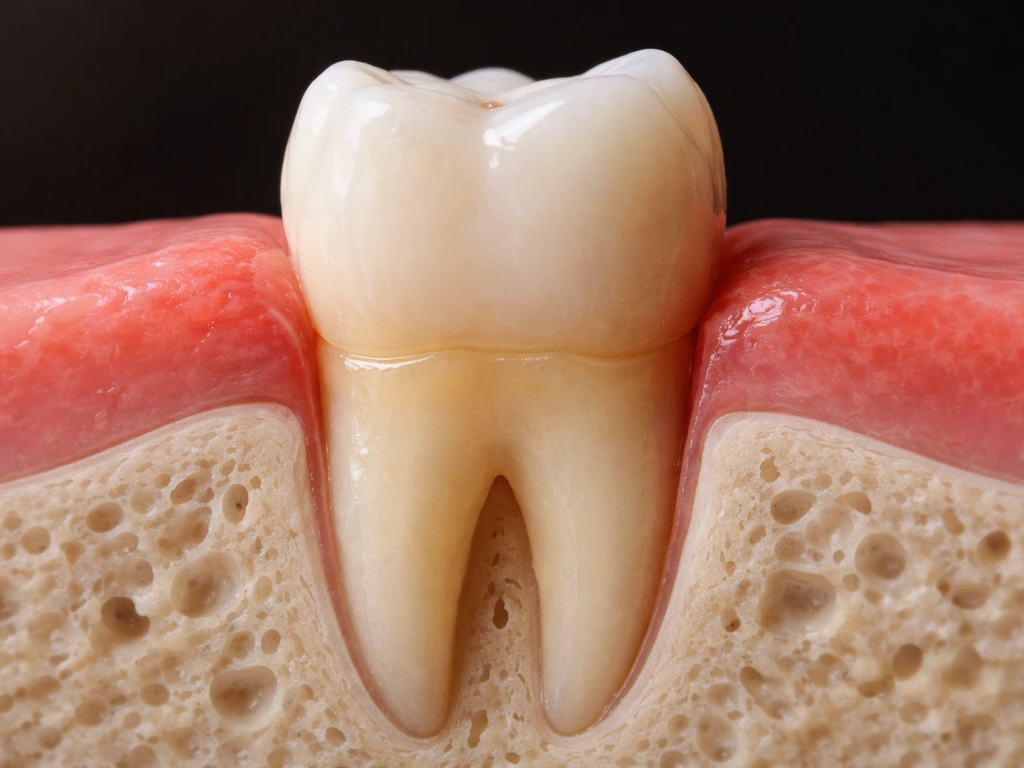
The single biggest driver of the final outcome is how much bone was removed and where the bone crest now sits relative to the tooth. If the surgeon removed enough bone to create a clean 3 mm from bone crest to restoration margin, the biologic width will reestablish predictably at that new level and the gum position will be relatively stable. If too little bone was removed, the rebound will be greater as the tissue tries to restore its natural attachment dimensions, and you may end up with a gum line that looks too high or a pocket that stays too deep.
Tissue biotype
People with thick, flat gingival tissue tend to have more rebound and better volume retention after surgery. People with thin, scalloped tissue (a common type, especially in people with narrow teeth) are more prone to post-op recession and less predictable rebound. Flap thickness directly affects gingival margin stability, so your periodontist should assess your biotype before surgery and discuss expected outcomes with you accordingly.
Plaque control and inflammation
Postoperative plaque control is not optional. Active inflammation slows and disrupts normal healing, can drive additional bone and tissue loss, and makes the final gum position less predictable. Studies tracking bleeding on probing over time show that as inflammation resolves with good home care, tissue stability improves measurably. Smoking and systemic conditions like diabetes impair wound healing in the same way they affect healing anywhere in the body, meaning your final result may be worse and take longer to stabilize.
Surgical technique and planning variables
Outcomes also depend on planning decisions made before the first incision. The distance from the cementoenamel junction to the crestal bone, existing probing depths, root anatomy, crown-to-root ratio, and thickness of the buccal bone all influence how much tissue you end up with after healing. Surgeons who carefully measure these variables and plan bone removal accordingly get more predictable results than those who estimate. This is worth asking about before your procedure.
Will the final gum position and pocket depth stay stable
In patients with good periodontal health going into the procedure, yes, the tissue generally stabilizes. A systematic review covering multiple clinical studies concluded that crown-lengthening surgery results in stable periodontal tissues over time according to standard healing parameters. Probing pocket depths between treated and adjacent sites showed no statistically significant differences at 3 and 6 months in controlled studies, which is a good sign. The tissue is not "unstable" in most well-executed cases, it just takes time to finish moving.
That said, there are real complications to know about. Persistent deep pockets can occur if biologic width was not adequately restored. Gingival recession beyond what was planned can leave teeth looking too long and increase cold sensitivity. In esthetic cases (gummy smile corrections, for example), asymmetrical rebound between teeth can create an uneven gum line. And if a final crown is placed before tissue stabilizes, the margin relationship can shift, creating a ledge at the gum line that traps plaque. None of these are inevitable, but they are reasons to stay in close contact with your periodontist during the healing period.
Can anything stimulate gum regrowth or improve results
There is no product, supplement, or technique that will cause gum tissue to grow back over a tooth that no longer has bone support beneath it. That is a biological wall, not a gap that can be bridged with oil pulling or special toothpaste. That is a biological wall, not a gap that can be bridged with oil pulling or special toothpaste, and it is also why questions like do gums grow back after veneers come down to tissue and attachment behavior rather than true regrowth. What you can do is support the healing that does happen and protect what you have.
- Follow your periodontist's post-op care instructions precisely, including any antimicrobial rinses, activity restrictions, and dietary modifications
- Keep plaque off the surgical site without disturbing the healing tissue. Ask your periodontist exactly when and how to resume brushing and flossing near the area
- Attend every follow-up appointment. This is when your periodontist checks that the tissue is remodeling correctly and catches problems early
- If you smoke, stopping (even temporarily during healing) improves outcomes meaningfully
- Manage systemic health. Controlled blood sugar in diabetic patients leads to better periodontal healing
- Do not let your restorative dentist place the permanent crown until your periodontist gives clearance, usually no earlier than 3 months and sometimes 6 months post-op
If the final esthetic result is genuinely unsatisfying after tissue has fully matured (meaning at least 6 to 12 months post-op), there are some clinical options worth discussing. Connective tissue grafting can add volume to areas that look too thin or have receded more than expected. In cases where crown lengthening was done to address a tooth with subgingival fracture or decay, orthodontic extrusion (forced eruption) is sometimes preferred in the first place as a more conservative alternative that preserves more bone and tissue. If you were not offered that option and feel the surgical outcome fell short, it is reasonable to ask whether extrusion-based approaches or other revision procedures could help.
Questions to ask your periodontist or dentist right now
Whether you are still deciding on crown lengthening, freshly post-op, or months into healing and uncertain about your results, these questions will get you the most useful information from your provider.
- How much bone was removed during my procedure, and was the 3 mm biologic width target achieved? (If they measured, they should have numbers.)
- Based on my tissue biotype and bone removal, how much rebound should I expect, and what will my gum line realistically look like at 6 and 12 months?
- When is it safe to place my final crown, and what happens if we place it earlier than recommended?
- Are there signs at my current healing stage that suggest I am on track, or are there early warning signs of recession or inadequate healing?
- If my final result has more recession than expected, would I be a candidate for a connective tissue graft, and when could that be evaluated?
- Was orthodontic extrusion considered as an alternative to surgery in my case, and would it still be relevant for any future concerns?
- What probing depths are you seeing now, and what do you expect them to be at maturation? What numbers would concern you?
- What is my maintenance schedule going forward, and what should I watch for at home that warrants calling in?
Crown lengthening has a well-established track record when it is planned properly and allowed to heal fully before final restorations go in. The gum tissue does not grow back to its original position, but the partial rebound that does occur is normal and expected. What matters is that the final, stabilized tissue is healthy, that pocket depths are appropriate, and that the restoration margin respects the biologic width at the new bone level. If all three of those boxes are checked, you are in good shape regardless of how the result compares to your pre-surgery gum line.
FAQ
How soon can my gumline move after crown lengthening?
Most rebound and settling happens in phases, with noticeable coronal movement starting around the first month and continuing up to about 12 months. This is why your periodontist may delay the final crown until the tissue and biologic width finish establishing at the new bone level, typically after at least 3 to 6 months.
Will the gumline rebound more on the front of my tooth or the sides?
Rebound often differs by surface, buccal and lingual can move differently than the interproximal area. That variability can also create a slightly uneven gum margin if you have an esthetic demand (for example, a visible “gum smile”), so it is worth asking how they will verify symmetry during healing.
If my gums do not grow back, can I still end up with less tooth exposed than expected?
Yes. Even though true regrowth is not possible, the planned apical repositioning can be partially “undone” by healing rebound, which may reduce the amount of visible tooth. The key question is whether the final position still preserves biologic width and keeps margins at a safe distance from the bone crest.
What signs suggest the biologic width was not restored correctly?
Common red flags include persistent deep pockets near the restoration, bleeding on probing that does not improve with good plaque control, and sensitivity or chronic inflammation around the margin. If probing depths remain too deep after healing, your provider may need to evaluate whether the bone level and margin position are compatible.
Why does plaque control affect how much my gumline “rebound” looks?
Active inflammation can slow normal maturation of the healing tissues and can worsen attachment stability, which may increase the chance of recession or deeper pockets. Consistent brushing, flossing, and any prescribed rinses help the gumline settle closer to the predicted endpoint.
Does smoking or diabetes change whether my gums will rebound “normally”?
They can. Smoking and poorly controlled diabetes impair wound healing and can increase inflammation and delayed stabilization, making the final position less predictable and potentially increasing recession risk. Many clinicians recommend optimizing health before surgery and staying tightly adherent during the healing period.
Can crown lengthening ever be done without bone removal, and would that change gum regrowth?
Sometimes limited or different approaches are possible depending on your measurements, but if supporting bone must be reduced to create the required space for biologic width, bone removal is typically part of the plan. If little bone is removed, rebound can be greater because the tissues are trying to reestablish their natural attachment dimensions.
What are the main factors my surgeon uses to decide how much bone to remove?
They typically assess the distance from the cementoenamel junction to the crestal bone, existing probing depths, root and crown-to-root relationships, buccal bone thickness, and the overall periodontal architecture. Asking for these specifics can help you understand whether your case is likely to rebound more or less and what final gumline position to expect.
Why do some people get more recession after crown lengthening than others?
Thin tissue biotypes (often more scalloped), aggressive bone removal, flap positioning that leaves insufficient support, and poor oral hygiene can all increase recession risk. Your periodontist can evaluate tissue thickness and discuss whether a graft or modified technique might improve stability.
Is connective tissue grafting used when gums do not look right after healing?
It can be. If the final outcome is unsatisfying at full maturation (often 6 to 12 months), grafting can add volume to thin or receded areas and improve esthetics. Whether it is the right fix depends on bone level, pocket status, and how much recession occurred.
What if I need the final crown but my gums are still moving?
Placing a definitive crown too early can lock in an incorrect margin relationship, potentially leaving a ledge at the gumline that traps plaque or creates a pocket. Many clinicians aim to finalize after tissue stabilization so the margin sits correctly relative to the rebuilt biologic width.
How can I tell when healing has stabilized enough to evaluate the result?
A practical checkpoint is when probing depths have stabilized and inflammation is consistently controlled, often after several months, not just a few weeks. If you are comparing to your pre-op gumline, remember the “new normal” is typically between the intraoperative level and your original height, so the goal is a healthy stable periodontium rather than exact restoration of the starting point.
Next Articles
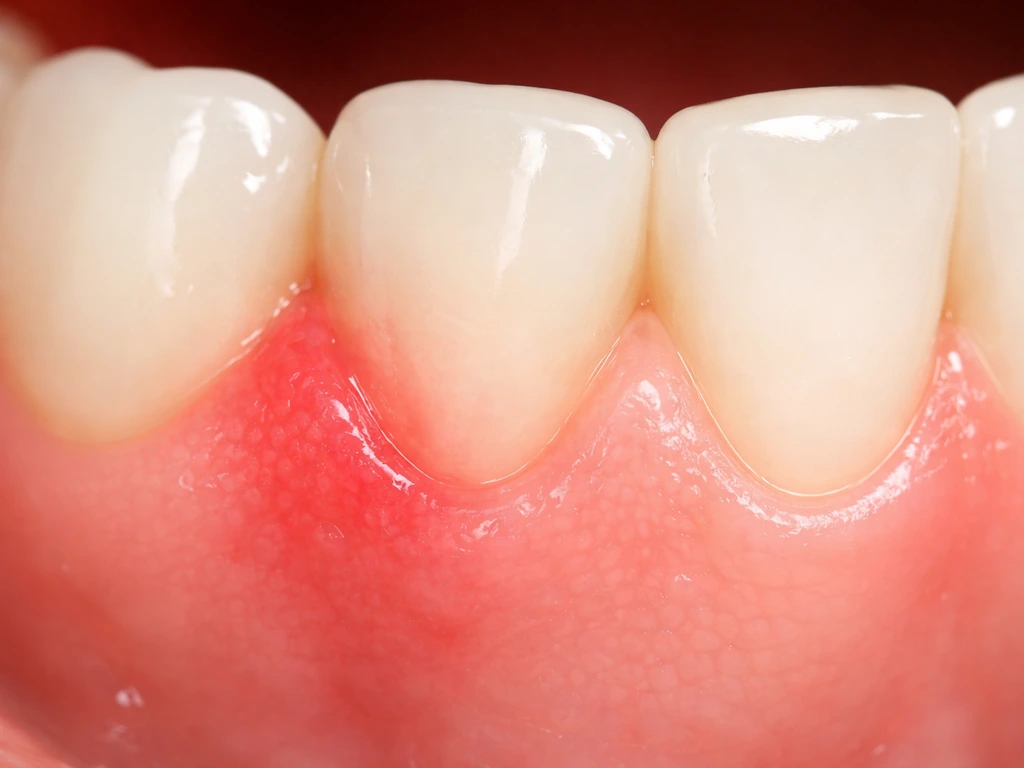
Can Gums Grow Back After Scaling? What to Expect
Learn if gums can regrow after scaling and root planing, realistic healing timelines, factors, and next steps to monitor
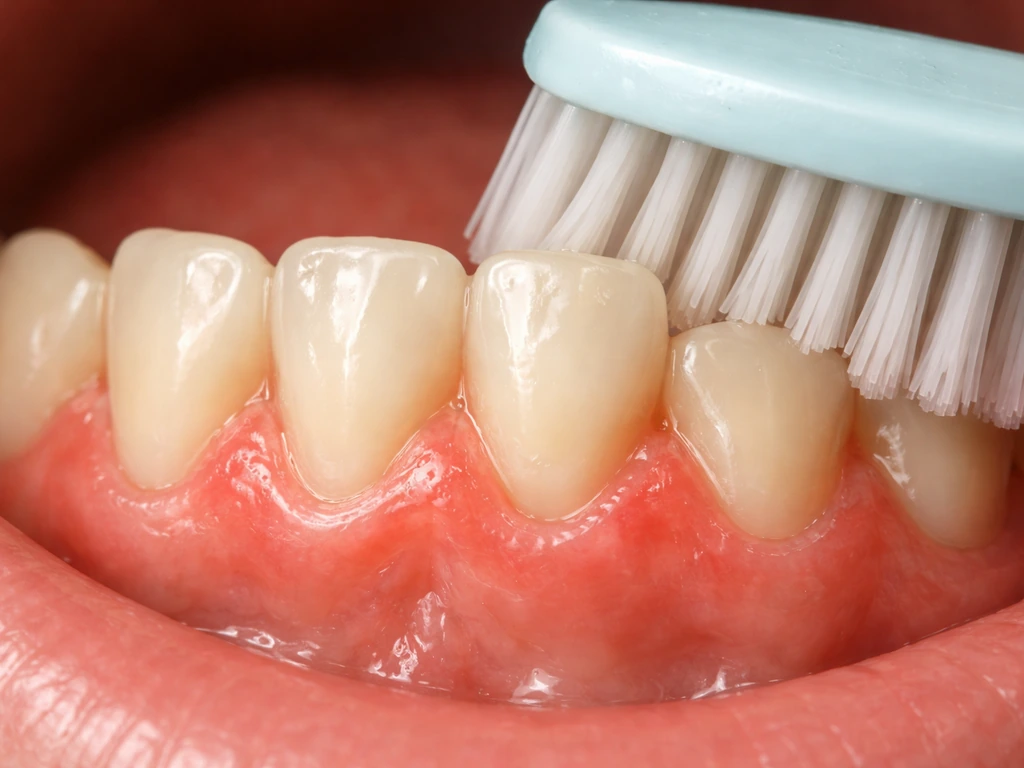
Can Gums Grow Back After Brushing Too Hard?
Learn if gums can regrow after hard brushing, signs of recession vs irritation, and steps to heal or seek periodontal ca
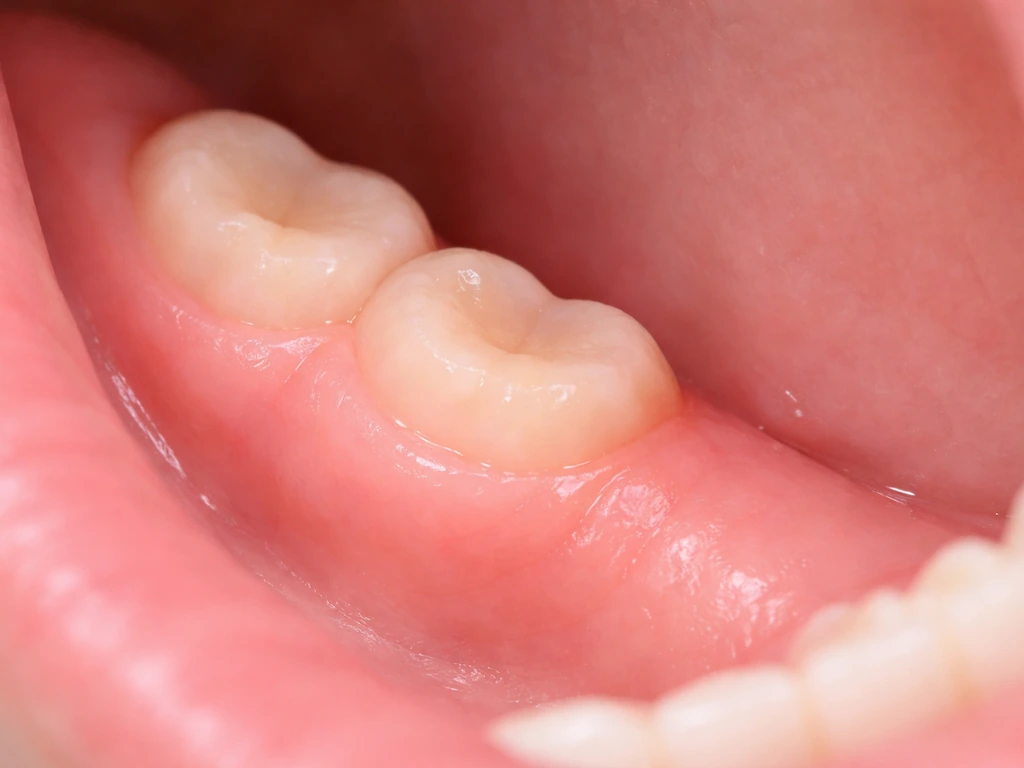
Will My Gums Grow Back After Wisdom Teeth Removal?
Learn if gums can regrow after wisdom teeth removal, typical healing timeline, why recession happens, and next steps if