
Gums do not grow back after scaling the way skin grows over a cut. Once gum tissue has receded because of periodontal disease, that lost tissue is gone for good without a surgical procedure to replace it. What scaling and root planing (SRP) can do, though, is remove the bacterial buildup that was driving inflammation, which lets your gums shrink back to a healthier, tighter state and sometimes even reattach slightly to the root surface.
Can Gums Grow Back After Scaling? What to Expect

Marcus Holloway
21 May 2026
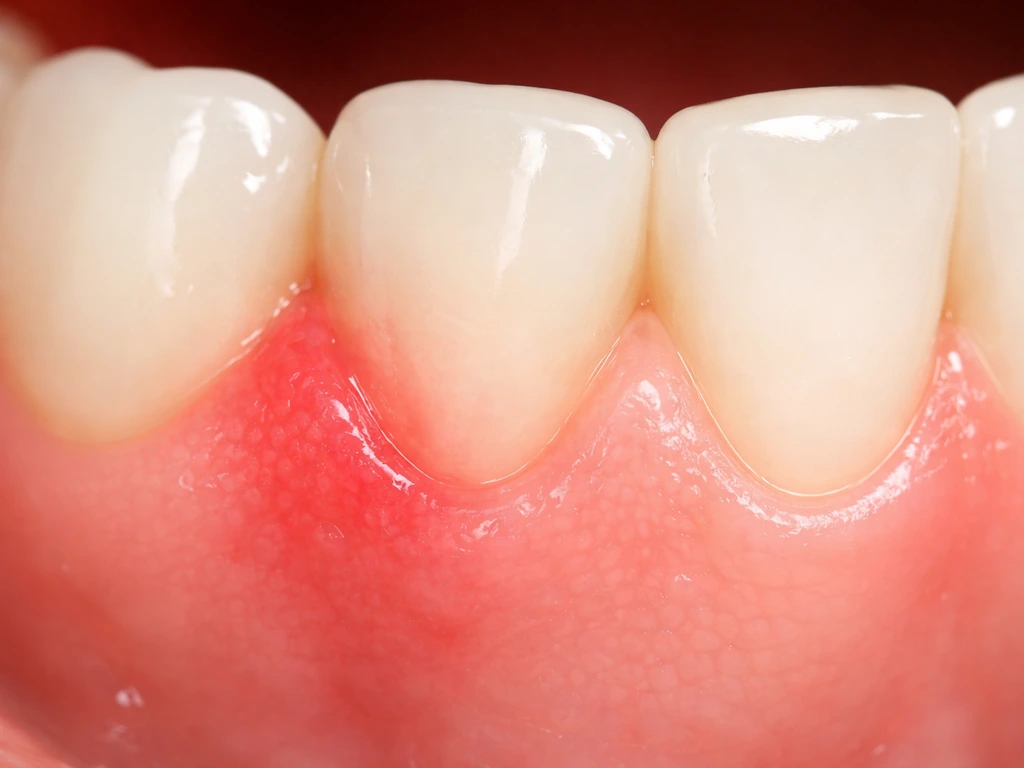
That is a meaningful improvement, but it is not the same as true regrowth, and knowing the difference will save you a lot of confusion about what to expect after your deep cleaning. Do your gums grow back after plaque removal? In most cases, what improves after SRP is reattachment or repair rather than full gum regrowth.
What scaling and root planing actually change
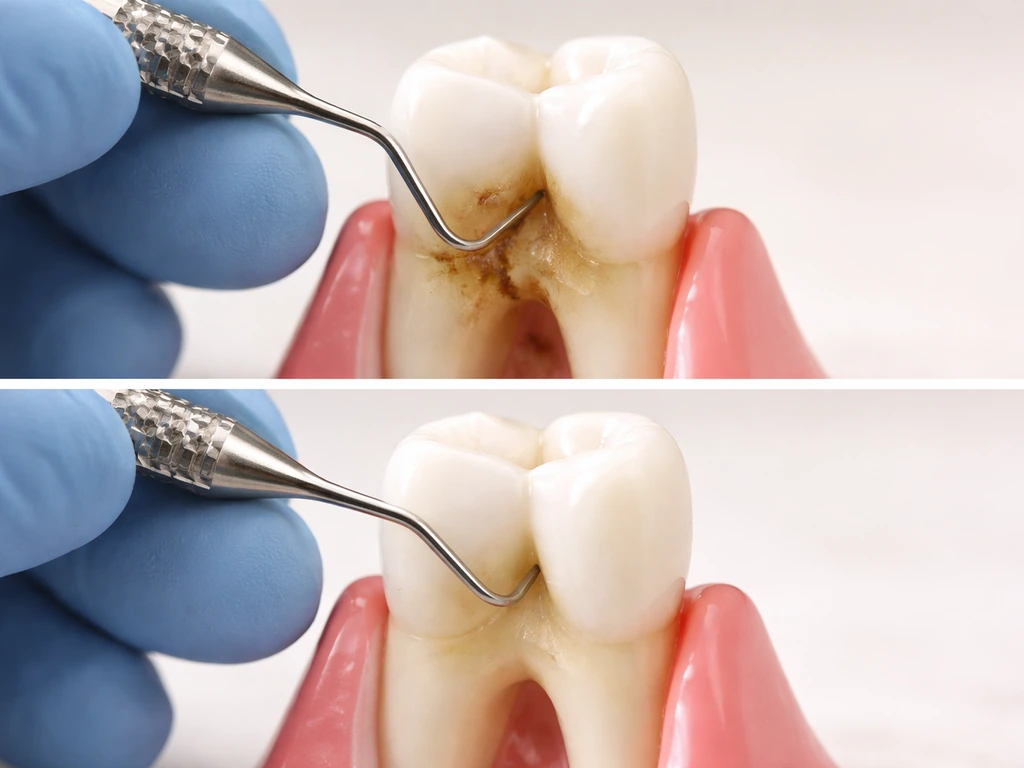
Scaling is the removal of plaque and calculus (tartar) from both above and below the gumline. Root planing goes a step further: it smooths the root surface itself to get rid of bacterial toxins embedded there and to create a cleaner surface that tissue can potentially reattach to. The American Dental Association describes SRP as professional removal of supra- and subgingival biofilm and calculus followed by root smoothing to produce a biologically acceptable root surface. The American Academy of Periodontology frames it as a deep clean that reaches beneath the gumline to clear out the bacterial toxins sitting inside periodontal pockets.
What that cleaning actually does, biologically, is remove the main driver of your inflammation. This mechanistic framing aligns with nonsurgical periodontal therapy's goal of reducing key etiologic factors such as biofilm and bacterial toxins to lower gingival inflammation, bleeding on probing, and probing depth [remove the main driver of your inflammation](https://www. scielo. org.
co/scielo. php? lng=en&nrm=iso&pid=S0121-246X2012000100011&script=sci_arttext&tlng=en). When bacteria and their toxins are no longer irritating the tissue around the root, your immune system stops being in constant firefighting mode.
Bleeding decreases, swelling goes down, and the gums firm up. Pocket depths often reduce by 1 to 3 millimeters in moderate disease because the inflamed, puffy tissue shrinks back once the infection is controlled. That is the mechanism behind the improvement you see, not new tissue sprouting from nowhere.
Can gums "grow back" vs what can reattach or heal
This is where the terminology gets genuinely confusing, so let's separate the concepts clearly. There are three different things people mean when they say "gums growing back," and only one of them is actually possible after scaling alone. After veneers, gums are less likely to change permanently than they are after periodontal disease, but the placement can still affect irritation and how your gumline looks.
After wisdom teeth removal, the same idea applies: whether gum tissue appears to change depends on repair and healing, not true regrowth will my gums grow back after wisdom teeth removal. So while gums can sometimes reattach a bit after tartar removal, true gum regrowth is not what happens with scaling alone do gums grow back after tartar removal.
- True regeneration: rebuilding the attachment apparatus including new bone, new cementum, and new periodontal ligament fibers. This does not happen from scaling alone. It requires specific surgical regenerative procedures.
- Connective-tissue reattachment: new connective tissue fibers bonding to a root surface that was previously exposed by disease. This is possible in limited areas and is what SRP is trying to set the stage for, but it is not guaranteed.
- Long junctional epithelium: the most common outcome after SRP and soft-tissue curettage. The epithelium migrates up (coronally) and creates a seal against the root. This looks and measures like reattachment clinically but is not true connective-tissue regeneration. It is repair, not regeneration, and it can be less durable.
The distinction between regeneration and repair matters practically. Repair means the tissue remodels without regaining the original attachment level or lost bone height. Regeneration means the whole attachment apparatus is rebuilt. After non-surgical SRP, what you are getting is primarily repair, with the hope of some limited reattachment. If you have significant bone loss or deep pockets, repair alone may not be enough to keep the disease stable long-term. This is the same biological reality that applies to related procedures: gums do not fully regenerate after osseous surgery or crown lengthening either, though the post-procedure context is different. Even after osseous surgery, the gums generally do not fully grow back to their original state.
How long healing takes and what improvement looks like
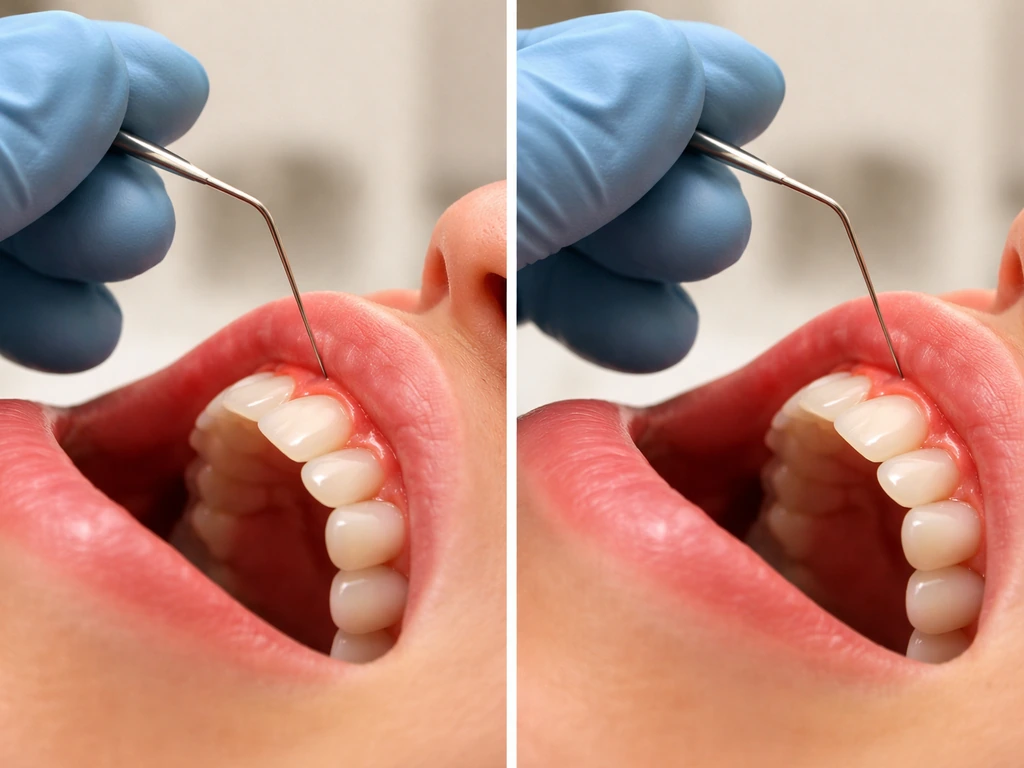
The standard reassessment window after SRP is 6 to 8 weeks, with some guidelines extending to 3 months. Both the AAP and clinical evidence support this range because it gives inflammation time to fully resolve and tissue time to firm up before your dentist or periodontist remeasures your pocket depths. Expecting to see the final result before 6 weeks is like pulling a bandage off too early.
Here is what realistic improvement actually looks like over those weeks:
- Weeks 1 to 2: Sensitivity and mild soreness around treated areas are normal. Some initial swelling may persist.
- Weeks 2 to 4: Bleeding on brushing typically drops significantly. Gums start to look less red and puffy.
- Weeks 4 to 6: Gum tissue firms up and tightens around the teeth. Pockets may appear shallower because the inflamed tissue has shrunk.
- 6 to 8 weeks (reassessment): Your dentist remeasures probing depths, checks for bleeding on probing, and determines whether the disease is controlled or whether further treatment is needed.
One thing to prepare for: as the swollen tissue shrinks back, your teeth may look longer and spaces between them may appear bigger. This is not your gums receding further. It is the opposite, actually. The inflamed, falsely enlarged gum tissue is returning to a healthier, less puffy baseline, revealing what was always underneath. It can look alarming but it is a sign the treatment is working.
What determines whether you'll see gum regrowth (or not)
Not everyone responds to SRP the same way, and the range of outcomes is wide. Several factors have strong evidence behind them for predicting how well your gums heal.
| Factor | How It Affects Outcomes |
|---|---|
| Initial pocket depth | Shallower pockets (4 to 5 mm) respond better to SRP. Deep pockets (6 mm or more) often do not fully resolve with non-surgical treatment alone. |
| Amount of bone loss | Greater bone loss means less support for regrowth or reattachment, and surgical intervention is more likely needed. |
| Smoking | Systematic reviews confirm smokers have significantly poorer reductions in probing depth and less clinical attachment gain after SRP compared to non-smokers. |
| Diabetes | Uncontrolled blood sugar impairs the healing response. Research shows systemic health status is a major modifier of SRP outcomes, especially in diabetic patients. |
| Oral hygiene after treatment | If plaque control at home is poor, bacteria return quickly and undo the gains from scaling. Daily brushing and interdental cleaning are non-negotiable. |
| Time since active disease started | Longer, more established periodontitis means more bone and attachment has already been lost, leaving less for the body to recover. |
| Compliance with maintenance | Patients who return for regular periodontal maintenance visits maintain improvements; those who skip tend to see disease reactivate. |
Smoking stands out as a particularly significant factor. Multiple systematic reviews show that smokers get measurably worse outcomes from non-surgical periodontal therapy in terms of both pocket depth reduction and clinical attachment level gain. If you smoke and you just had SRP, quitting is genuinely one of the highest-impact things you can do for your gum healing. No amount of rinsing or brushing fully compensates for the vasoconstrictive and immune-suppressing effects of tobacco on gum tissue.
Signs you need deeper periodontal evaluation
SRP is a starting point, not always a finish line. There are clear clinical signals that suggest the non-surgical approach has not been enough and that a periodontist needs to evaluate you for further treatment.
- Residual pockets of 6 mm or more after the 6 to 8 week reassessment: pockets this deep are a recognized risk factor for continued disease progression during maintenance, even with good home care.
- Persistent bleeding on probing at multiple sites: the target after active treatment is a full-mouth bleeding score below 30%. Widespread bleeding above that threshold means inflammation is not controlled.
- Continued bone loss visible on X-rays compared to previous imaging.
- Tooth mobility that is new or worsening after treatment.
- Pus or ongoing abscess formation around any tooth.
- Gum recession that is progressing rather than stabilizing.
If your probing depths are not reaching the stability markers after SRP, periodontal surgery becomes a legitimate next step rather than a last resort. Pocket reduction surgery (osseous surgery), guided tissue regeneration, or bone grafting can achieve what non-surgical cleaning cannot: actually rebuilding or reducing deep pockets to levels that can be maintained. Invisalign cannot regenerate lost gum tissue, but it can support healthier alignment so your periodontal care is easier to maintain actually rebuilding or reducing deep pockets.
The criteria for stability after active therapy are fairly specific: pocket depths at or below 4 mm that do not bleed on probing, and a full-mouth bleeding score under 30%. Anything consistently above those numbers means the disease is not fully controlled.
What to do next: home care, follow-up questions, and treatment options
Home care that actually supports healing
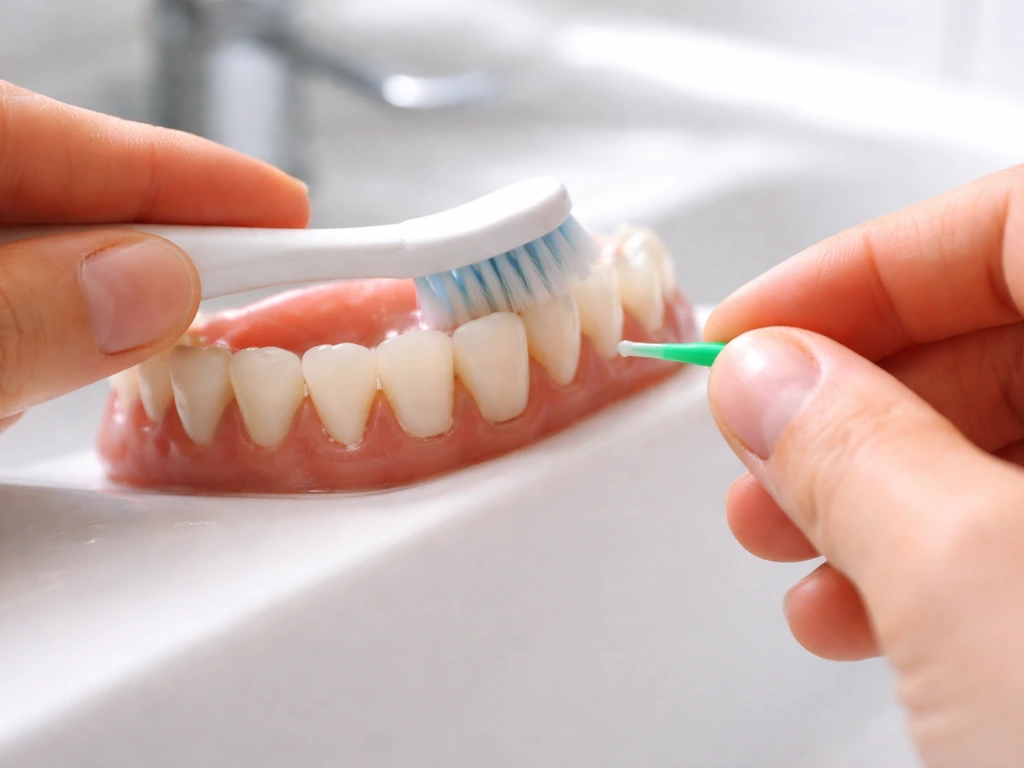
The work you do at home between appointments directly affects whether your SRP results hold. Use a soft-bristled toothbrush and brush gently at the gumline twice a day. Aggressive brushing causes its own kind of gum recession that has nothing to do with disease, and that type of recession is just as permanent. Clean between every tooth every day, whether with floss, interdental brushes, or a water flosser. Your periodontist or hygienist can recommend which tool fits the specific anatomy of your pockets and gum tissue best.
If your provider prescribed a chlorhexidine rinse or antibiotic, use it exactly as directed and for the full course. These adjuncts are not optional add-ons; they are part of managing the bacterial load while your tissue heals. Stay well hydrated, and if you smoke, treat quitting as part of your periodontal treatment plan, not a separate lifestyle goal.
Questions to ask at your reassessment appointment
- What are my current probing depths at each site, and how do they compare to my baseline before treatment?
- Where am I still bleeding on probing, and what does that mean for those specific sites?
- Has my clinical attachment level improved, stayed the same, or worsened?
- Do my X-rays show any change in bone level compared to my initial films?
- Do I need a referral to a periodontist, or is this manageable here?
- What is my maintenance schedule, and what happens at those appointments?
- Are any of my remaining pockets deep enough that surgery should be considered?
When treatment needs to go beyond scaling
If deep pockets remain after SRP and reassessment, the next step is usually a referral to a periodontist for surgical evaluation. Options at that point include osseous surgery to reshape bone and reduce pocket depth, guided tissue regeneration using membranes to encourage new attachment, or bone grafting for areas of significant bone loss. These procedures can achieve outcomes that scaling alone cannot, including actual regeneration of some attachment structures in select sites. For cases where gum tissue has receded significantly (rather than just disease-driven swelling), soft tissue grafting is a separate option your periodontist can discuss.
Periodontal maintenance visits every 3 to 4 months are standard after active treatment is complete. These are not the same as a regular cleaning. They include monitoring of pocket depths, bleeding scores, and early detection of any sites that are re-activating. Skipping maintenance is the most common reason patients who responded well to SRP end up losing teeth years later. The disease can and does return without consistent, ongoing management. Whatever your starting point, committing to that maintenance schedule is the single most important thing you can do once scaling is done.
FAQ
After scaling, why do my teeth look longer and my gums seem to be “moving back” again?
This often happens because inflamed gum tissue shrinks once the infection and swelling calm down. It can temporarily make the gumline look lower, or spaces appear larger, even though it is not true additional recession from disease. Your reassessment visit at about 6 to 8 weeks is when you can tell whether the change is mostly settling inflammation versus ongoing breakdown.
Can gums reattach or improve without surgery after scaling and root planing?
Yes, many people see reduced bleeding, firmer gums, and pocket depth improvements from tissue repair plus some limited reattachment to the root surface. The key is that the improvement comes from controlling bacteria and letting irritated tissue remodel, not from new gum tissue sprouting to restore the original attachment level.
How soon should I expect results after scaling, and when should I worry it is not working?
Expect meaningful changes over the first 6 to 8 weeks as inflammation resolves and tissues firm up. If pocket depths are still too deep, there is ongoing bleeding on probing, or you are not seeing stability at the recheck (often up to 3 months in some protocols), that is a sign you may need additional treatment rather than repeating scaling alone.
What if I have recession that looks like “my gums grew back would fix this” after scaling?
Scaling can help the disease-related component by reducing inflammation and pocket depth, but it does not replace gum height that was lost to recession. If your main issue is true recession and exposed root, your periodontist may discuss soft tissue grafting as a separate option, because non-surgical SRP is primarily aimed at infection control and attachment stabilization.
Does smoking or vaping change whether my gums can improve after scaling?
Smoking is strongly linked with worse outcomes after non-surgical periodontal therapy, including less pocket depth reduction and smaller attachment gains. Vaping is not the same as smoking, but it can still affect oral health and inflammation control, so it is worth discussing your exact use with your periodontist and aiming for complete cessation of nicotine products if possible.
Will brushing less or switching techniques help if I am still seeing recession after SRP?
If recession is due to aggressive brushing trauma, backing off force and using a soft-bristled brush can prevent further non-disease recession. However, if recession is accompanied by deep pockets or bleeding, the cause is more likely active periodontal disease. Your clinician can distinguish these by examining pocket depths and probing response at each site.
Are there signs at home that I should call my dentist or periodontist before the 6 to 8 week check?
Yes. Call sooner if you have worsening swelling after the first few days, persistent or heavy bleeding that does not taper, increasing pain, pus discharge, or fever. Also seek earlier review if you have a sudden change in bite, a loose tooth, or a rapid increase in gumline change that seems beyond normal healing.
If I had SRP, do I still need periodontal maintenance cleanings?
Yes, SRP is the active treatment phase, and maintenance is what keeps disease under control long term. Skipping follow-ups is one of the most common reasons people relapse even after a good initial response, because bacteria can re-accumulate and sites can re-activate between standard intervals.
Can antibiotics or chlorhexidine make gums regrow after scaling?
They can help reduce bacterial load and inflammation during healing, which may support better repair and reattachment. But they are not a substitute for periodontal stabilization or tissue regeneration, and they will not replace gum tissue that was permanently lost. Use them exactly as prescribed, since incomplete courses can undermine the goal.
What pocket depth numbers mean my disease may still be uncontrolled after SRP?
Stability is often assessed with both depth and bleeding. A common clinical signal of adequate control is pocket depths at or below about 4 mm that do not bleed on probing, along with a low full-mouth bleeding score. If values stay consistently higher, a periodontist may recommend surgical evaluation for deeper disease.
Can misaligned teeth or Invisalign affect gum healing after SRP?
Orthodontic movement does not regenerate lost gum tissue, but improved alignment can make plaque control easier and reduce stress on gums. If you are considering Invisalign or other orthodontics, ask your periodontist about sequencing, since stable periodontal health is usually needed before major tooth movement.
Next Articles
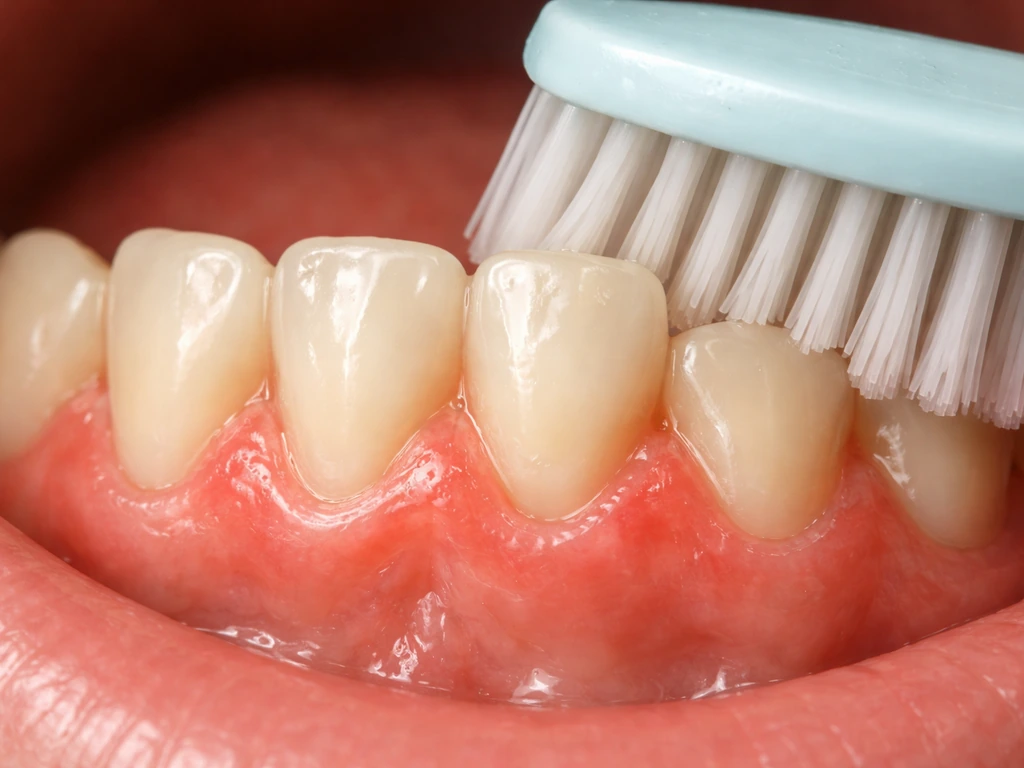
Can Gums Grow Back After Brushing Too Hard?
Learn if gums can regrow after hard brushing, signs of recession vs irritation, and steps to heal or seek periodontal ca
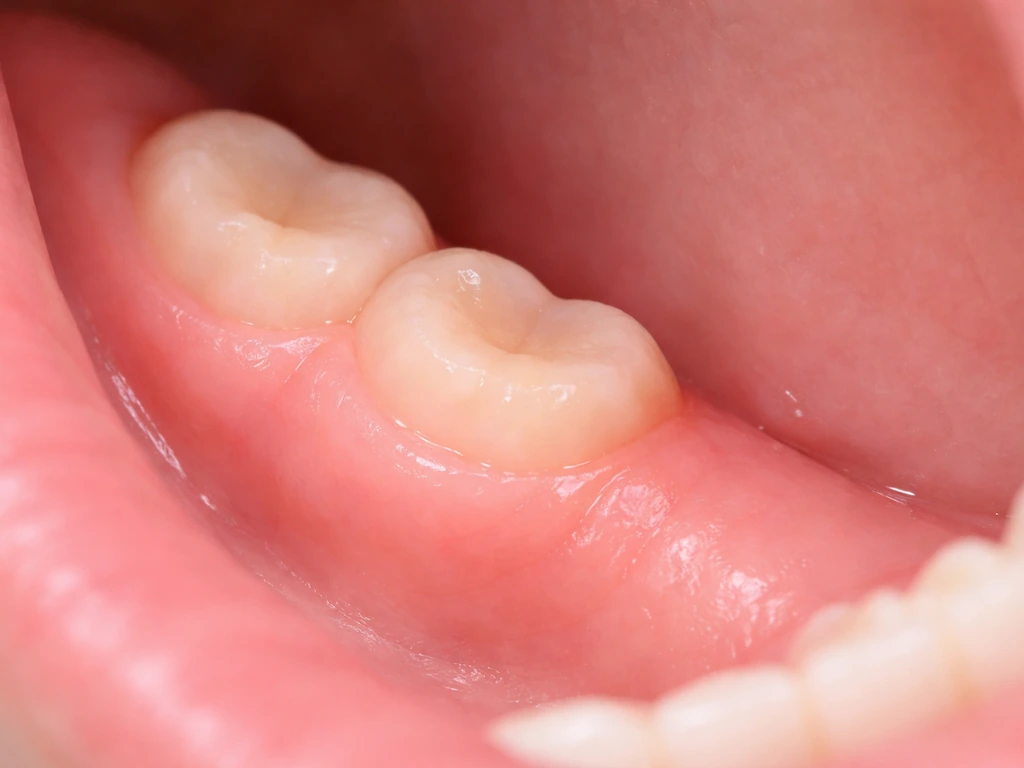
Will My Gums Grow Back After Wisdom Teeth Removal?
Learn if gums can regrow after wisdom teeth removal, typical healing timeline, why recession happens, and next steps if
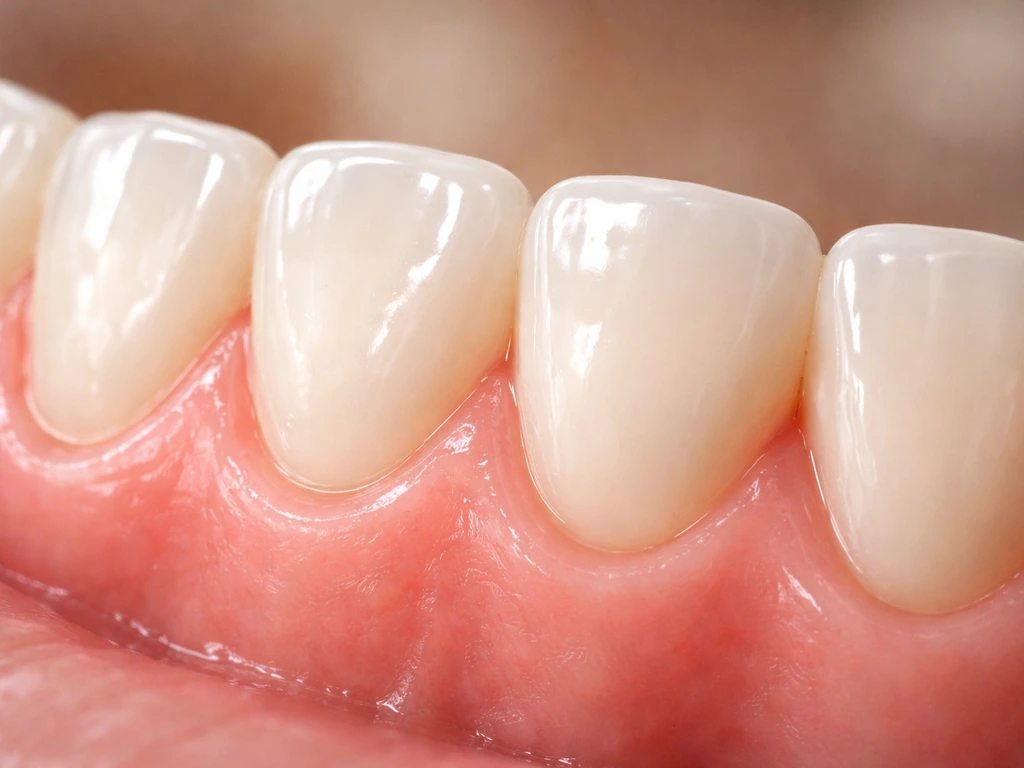
Do Your Gums Grow Back After Plaque Removal? What to Expect
Explains whether gums truly regrow after plaque removal, what can improve, timing, and what to do to heal safely.