
Gums do not grow back after veneers in any meaningful biological sense. If your gum line looks different since getting veneers, what you're seeing is almost certainly one of two things: temporary inflammation from the procedure that will settle down on its own within a week or two, or true gum recession caused by a margin or fit problem that will not fix itself and needs professional attention. Telling those two apart early makes a big difference in what happens next.
Do Gums Grow Back After Veneers? What to Expect

Marcus Holloway
17 Jun 2026
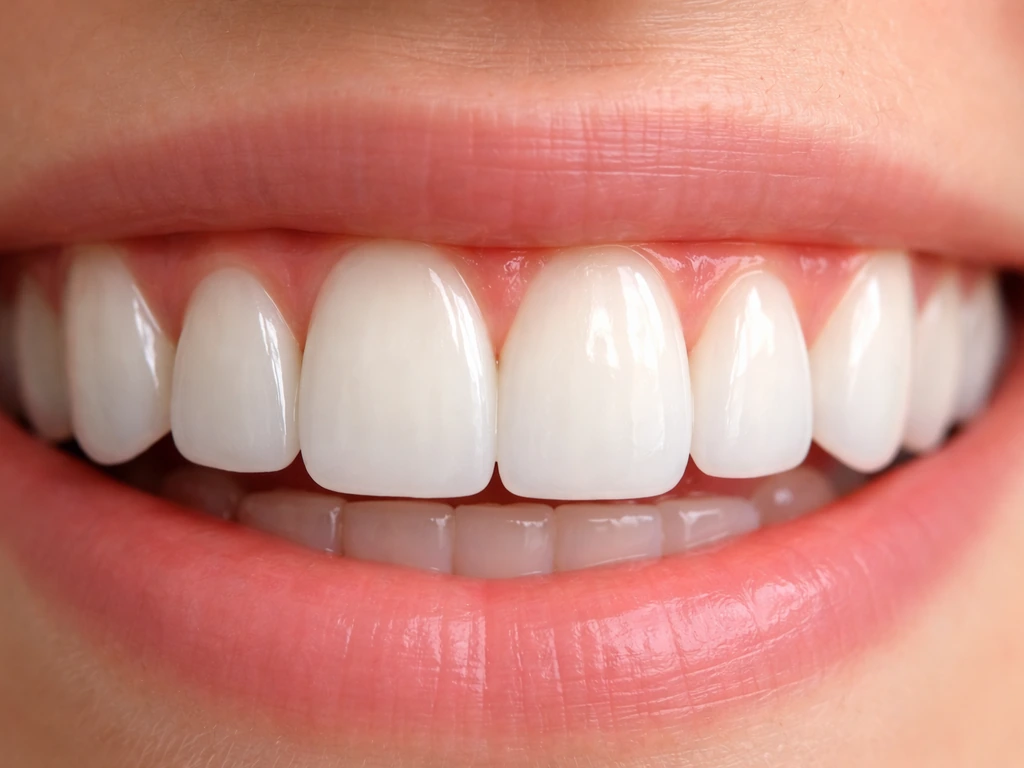
Do veneers change gum tissue or just tooth shape
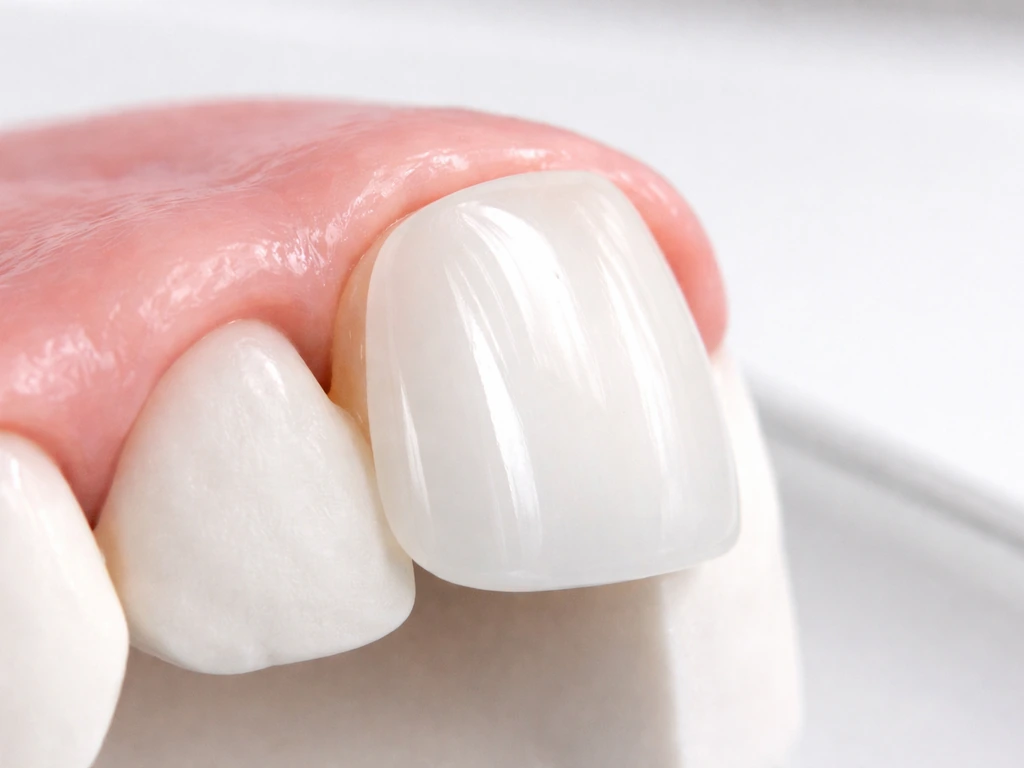
Veneers are primarily a tooth-surface restoration. The thin porcelain or composite shell bonds to the front face of the tooth, and that's where most of the change happens. But gum tissue sits right at the edge of the preparation, and how that edge is designed matters a lot. Dentists typically finish the preparation margin at or just inside the gumline, often about 0.5 mm below the visible gum edge, to hide the transition and improve aesthetics. That margin sits in what's called the sulcus, the shallow natural groove between tooth and gum.
There is a biological structure called the biologic width, or more accurately the supracrestal tissue attachment, that describes the minimum zone of soft tissue attachment your body maintains above the bone. It works out to roughly 3 mm from the bone crest to where a restoration should end. If a veneer margin goes too deep into that zone, the gum tissue responds defensively. It doesn't adapt quietly. It inflames, bleeds, and in some cases starts to migrate downward away from the irritant. So while the veneer itself doesn't mechanically push gum tissue away, a poorly placed or rough margin absolutely can trigger a tissue response that changes the gum line. A retrospective study also reported that gingival bleeding in a minority of veneer cases is influenced by margin placement, adaptation, anatomical contour, occlusion, and biologic width within normal limits.
What happens to gums after veneer placement (normal healing vs problems)
Some gum irritation in the first few days after veneer placement is completely normal. The preparation process, the retraction cord used to expose the margin, the temporary veneers, and the bonding appointment itself all cause minor tissue trauma. The acute inflammatory response typically peaks in the first 24 to 72 hours. You might notice some tenderness, mild bleeding when you brush, slight puffiness, or that your gums look a little redder than usual. For most people, this settles within a week. Your dentist will usually want to check in around the two-week mark to confirm the tissue has calmed down.
When things aren't going right, the pattern looks different. Inflammation that persists past two to three weeks, gums that bleed consistently when you brush around the veneer margins, a margin that feels rough or raised against your tongue, or visible root surface below the veneer edge are all signs that something beyond normal healing is happening. These point to either a margin problem, an overcontoured edge trapping plaque, or early recession that needs to be evaluated. If plaque and inflammation are part of the problem, you may wonder whether the gums will grow back after plaque removal.
Can gums grow back after veneers, what's biologically possible
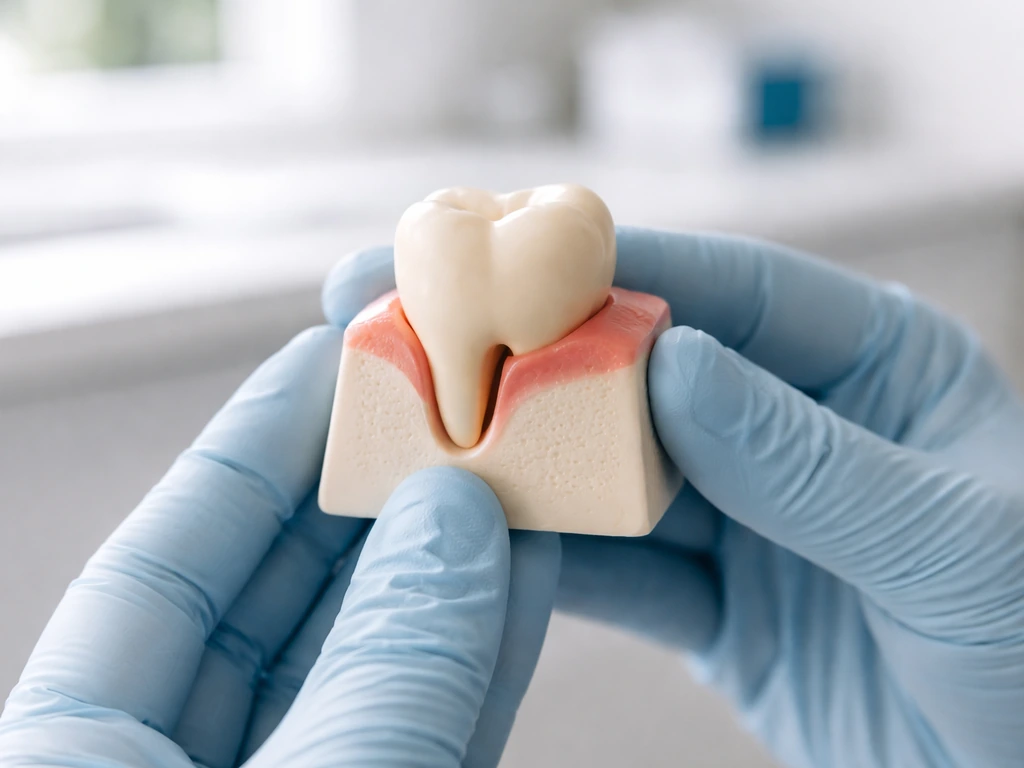
Let's be direct about the biology, because this is where a lot of internet advice gets it wrong. Gum tissue cannot regenerate in the way bone or skin does. The connective tissue attachment that anchors gum to tooth and bone is not a structure the body simply rebuilds once it's lost. Gingival recession is defined as the apical migration of the gingival margin, meaning the gum edge has moved downward, exposing root surface below the cementoenamel junction. Once that tissue has truly receded, it does not grow back on its own, regardless of what caused it or whether the cause has been fixed.
What can improve on its own is inflammation-driven swelling. When the gum is inflamed and puffy, it can look like it has receded because the margin looks uneven or the gum around the veneer looks lower than neighboring teeth. Once the inflammation resolves, that tissue returns to its normal position and the gum line looks normal again. This is not growth, it's just the tissue going back to where it always was. The key distinction is whether true root surface is exposed or whether you're looking at inflamed, irritated tissue that will calm down.
This same principle applies to other dental procedures people wonder about, like gum changes after tartar removal or after having braces or clear aligners. The underlying biology is the same: inflammation can make things look worse temporarily, but once actual attachment is lost, that loss is permanent without surgical intervention.
Common reasons gums don't look right after veneers
There are several distinct causes of gum changes after veneers, and knowing which one applies to you determines what happens next.
- Margin placement too far subgingivally: When the veneer's finishing line goes too deep into the sulcus and invades the biologic width, it triggers a chronic inflammatory response. The gum doesn't heal because the irritant is still there at every moment.
- Rough or overcontoured margins: Even a well-placed margin that's slightly rough or overcontoured acts like a plaque trap. Bacteria accumulate in crevices the toothbrush can't reach, leading to persistent marginal gingivitis that can eventually destabilize attachment.
- Poor marginal adaptation or fit: A veneer that doesn't seal tightly against the tooth edge leaves a microspace where bacteria colonize. This chronic bacterial load drives the same inflammatory cycle as rough margins.
- Pre-existing recession made more visible: Some patients have mild recession before veneers that wasn't noticeable. Veneers extend slightly toward the gumline, which can make existing recession at neighboring teeth or even at the veneer margin itself more visually obvious.
- Aggressive brushing habits: If you've been brushing harder since getting your veneers (common among people who are newly hygiene-conscious), you may be contributing to mechanical trauma at the gum margin, which is a well-established cause of recession.
- Plaque buildup from difficult-to-clean margins: If the veneer shape makes certain areas harder to clean, biofilm builds up and triggers gingival inflammation, which over time can lead to attachment loss.
How to assess your situation

You can do a useful self-assessment before your next dental appointment. Take a close-up photo of your smile under good lighting and compare it to any photos you have from before getting your veneers. Look for whether the gum edges around the veneer teeth sit lower than the adjacent teeth, and whether you can see any yellowish or darker-colored root surface at the base of the veneer that wasn't visible before. Also pay attention to whether the gum looks puffy and red, which would suggest active inflammation, versus whether the margin just looks lower without much redness.
Check in with these specific questions when you examine your mouth or talk to your dentist:
- Is there bleeding every time you brush around those teeth, even with gentle pressure?
- Do you feel sensitivity to cold, heat, or sweet foods at the base of the veneers? That often means root surface is exposed.
- Does the margin feel rough, raised, or uneven when you run your tongue along it?
- Has the gum line been changing over weeks or months, or did it look different right after the procedure and hasn't changed since?
- Are your symptoms getting worse, staying the same, or slowly improving?
Progressive change over months, persistent bleeding, sensitivity at the base, or visible root exposure are all reasons to see a dentist soon rather than waiting. Improving symptoms in the first two weeks after placement are generally reassuring. If you're more than three weeks post-placement and things still look or feel off, don't wait for your next routine checkup. Book an appointment specifically to evaluate the veneer margins.
Treatment options if gums have receded or are irritated
The right treatment depends entirely on the underlying cause. There's no single answer, which is why the assessment above matters. Here's how different scenarios typically get addressed.
If the problem is inflammation without true recession
When the gum looks irritated but the margin position hasn't actually moved (no root exposure, just redness and bleeding), the focus is on removing the cause. That might mean a professional cleaning to clear plaque and calculus from around the veneer margins, polishing rough spots on the veneer edge, or in some cases remaking the veneer with a better-adapted margin. Your dentist may also recommend a short course of chlorhexidine rinse to reduce the bacterial load while the tissue heals. With the irritant removed, inflamed gum tissue typically settles within two to four weeks and returns to its normal, healthy position.
If the veneer margin or fit is the problem
A veneer with a defective margin, overhang, or poor fit that can't be corrected by polishing alone needs to be replaced. There's no good long-term outcome from leaving a poorly fitting veneer in place and hoping the gum adapts. This is a legitimate reason to ask for a remake under warranty if you're within the timeframe your dentist offers, especially if the marginal issue is a lab or clinical error rather than something that changed after placement.
If true recession has occurred
Actual recession, where root surface is now exposed, requires periodontal treatment. The standard approach for localized recession defects is a root coverage procedure, either a connective tissue graft (where soft tissue is taken from the palate and sutured over the recession area) or a tunneling technique. Meta-analyses on root coverage procedures show mean root coverage in the range of 80 to 88 percent for well-selected cases, so outcomes can be very good, but it depends on the depth of recession, available tissue, and whether the underlying cause (like the veneer margin) has been corrected first. There's no point doing a graft if the thing that caused the recession is still there.
The recession scenario with veneers is similar in principle to what happens after procedures like osseous surgery or crown lengthening, where the tissue level is intentionally or unintentionally altered. The same idea applies to do gums grow back after osseous surgery when genuine attachment and root coverage are involved. In all those situations, if genuine attachment is lost, surgical tissue augmentation is the only reliable way to restore coverage.
| Scenario | What's happening | Does it resolve on its own? | Treatment needed |
|---|---|---|---|
| Acute post-placement inflammation (days 1-3) | Normal tissue response to procedure trauma | Yes, usually within 1-2 weeks | Saltwater rinses, gentle brushing, wait and monitor |
| Persistent gingivitis at margins (weeks to months) | Plaque buildup from rough or overcontoured margin | No, not without removing the cause | Professional cleaning, margin polishing, or veneer replacement |
| True gum recession (root surface exposed) | Apical migration of gum edge, attachment loss | No | Periodontal evaluation, root coverage graft if appropriate |
| Inflammation from biologic width violation | Veneer margin placed too deep subgingivally | No, worsens over time | Veneer replacement with corrected margin depth |
Prevention and aftercare for better gum outcomes with veneers
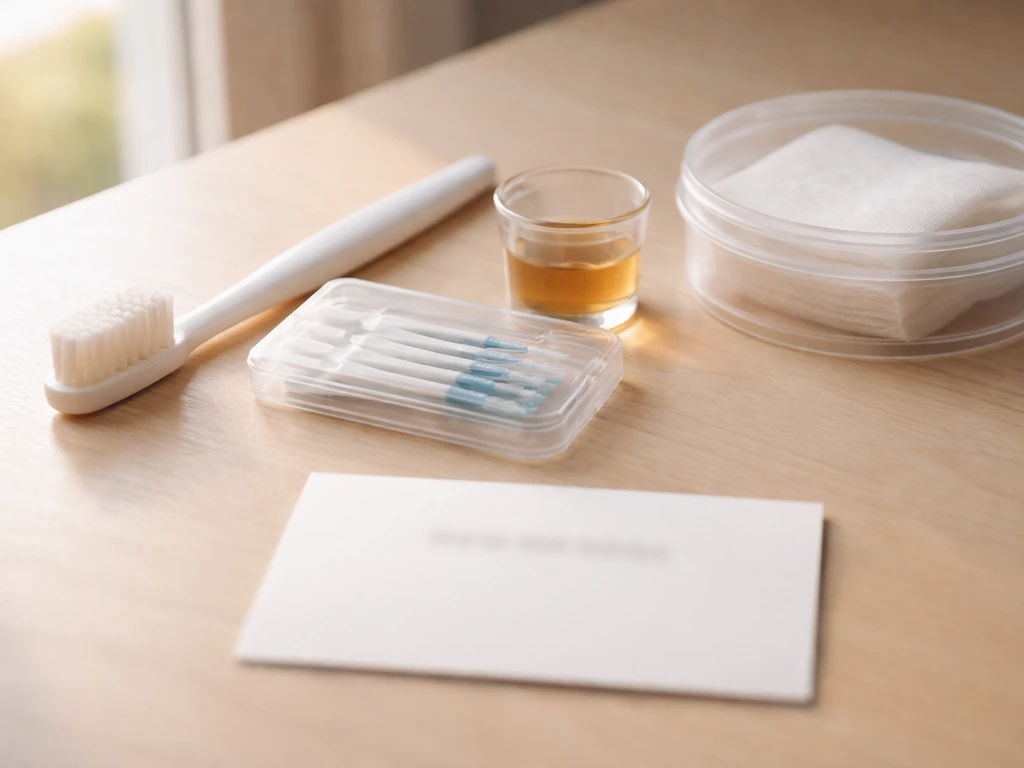
A lot of gum problems after veneers are preventable, both on the dentist's side and yours. If you're planning veneers, it's worth asking your dentist about margin placement and how they plan to respect the biologic width for your specific anatomy. A good veneer preparation finishes with a clean, smooth margin that sits at or just within the gumline, not buried deep in the sulcus. In contrast, crown lengthening is performed to expose more tooth structure, and the gums may be surgically repositioned or need healing time afterward.
For aftercare, the first 48 hours matter more than most people realize. Gentle saltwater rinses (about half a teaspoon of salt in a glass of warm water) help reduce early inflammation without the harshness of commercial mouthwashes. Avoid very hot, very cold, or acidic foods in the first two days. When you start brushing again, use a soft-bristle brush and a gentle circular motion at the gumline rather than scrubbing. Aggressive brushing is one of the underappreciated causes of recession around veneer margins, and if you're brushing harder than usual because you're anxious about keeping your new veneers clean, you may actually be doing damage.
Flossing around veneers does require some care. Thread the floss gently between teeth and avoid snapping it down hard against the gum margin. If you're finding certain spots difficult to clean, an interdental brush or a water flosser on a low setting can help reach around the margin edges without traumatizing the tissue.
Keep your two-week follow-up appointment. That's not optional. It's the window when your dentist checks that the tissue has settled, the margins look healthy, and there are no early signs of the problems described above. Catching a margin issue or early inflammatory response at two weeks is dramatically easier to manage than catching it at six months when recession may have already occurred.
If you grind your teeth at night, make sure your dentist knows before veneer placement. Occlusal force is a contributing factor in both veneer failure and gum recession, and a night guard protects both the veneer surface and the gingival tissue from the lateral forces of bruxism.
FAQ
If my gums look lower after veneers, does that always mean recession?
Not in the sense people mean. If the gum has truly migrated and root surface is now exposed, the lost attachment cannot be rebuilt on its own. What can improve is that inflamed, puffy tissue can temporarily sit lower or look uneven, then return toward its normal position as swelling settles.
How long is normal for gum bleeding after veneer placement?
No. Bleeding in the first days can be from procedure-related trauma and normal healing, but bleeding that continues around the veneer margins beyond 2 to 3 weeks is a red flag. Persistent bleeding with brushing, especially if it is localized to the veneer edges, should be evaluated rather than watched.
What if my tongue catches on the edge of a veneer, will polishing fix it?
A raised or rough veneer margin can act like a plaque trap. Instead of trying to “scrub it out” at home, ask for an exam focused on margin adaptation and smoothness, sometimes with in-office polishing or a check of the bite and fit. If the margin is defective or overcontoured, polishing may not be enough and a remake may be necessary.
How can I tell the difference between inflammation making my gumline look worse and real gum recession?
That can happen in two different ways, and the distinction matters. Puffy and red tissue can look like it has dropped, but it should calm within 2 to 4 weeks. If you can see yellow or darker root surface at the veneer base, that suggests true recession and typically requires periodontal treatment after the margin is corrected.
Can my brushing actually make gum recession around veneers worse?
Use gentle cleaning. If you brush too hard at the gumline, you can worsen recession around veneer margins. Stick to a soft-bristle brush, light pressure, and small circular motions, and if you tend to press harder out of anxiety, consider switching to an electric brush with a pressure sensor for a week or two.
If I get a deep cleaning, will that be enough to stop gum problems around veneer margins?
Often, yes. If the veneer margin is not corrected, the gum can keep inflaming even if you remove plaque. Tell your dentist you want an assessment of the margin and the area for overhangs or roughness before assuming the problem is only hygiene-related.
What should I ask my dentist about margin placement so my gums are less likely to change after veneers?
Ask your dentist to check biologic width and margin placement using your specific anatomy, because the same millimeter depth can behave differently from person to person. If a margin ends up too deep, the tissue may respond with inflammation and possible downward migration, so the evaluation should include where the margin sits relative to the gumline.
Do I need a night guard if I got veneers and my gums changed?
If you grind your teeth, occlusal forces can contribute to veneer stress and can also increase trauma to the gumline. A dentist may recommend a custom night guard and will typically check contacts after veneer placement to make sure the veneers are not overloaded.
What treatment is typical if the gum problem is caused by veneer margins versus plaque?
For problems limited to redness and bleeding with no root exposure, initial management may include professional cleaning, evaluation of margin smoothness, and sometimes a short course of antiseptic rinse while tissue stabilizes. If there is root exposure, the cause usually must be corrected first, then recession coverage options like a graft or tunneling may be considered.
What should I track at home after veneers so I know when to call my dentist?
Yes. You can plan for peace of mind by using consistent lighting and angles, then taking notes on whether the gum looks puffy, whether it bleeds on gentle brushing, and whether you can see root surface. If you notice changes that are not improving by 2 weeks or are getting worse after that, book a margin-focused appointment rather than waiting for a routine recall.
Next Articles
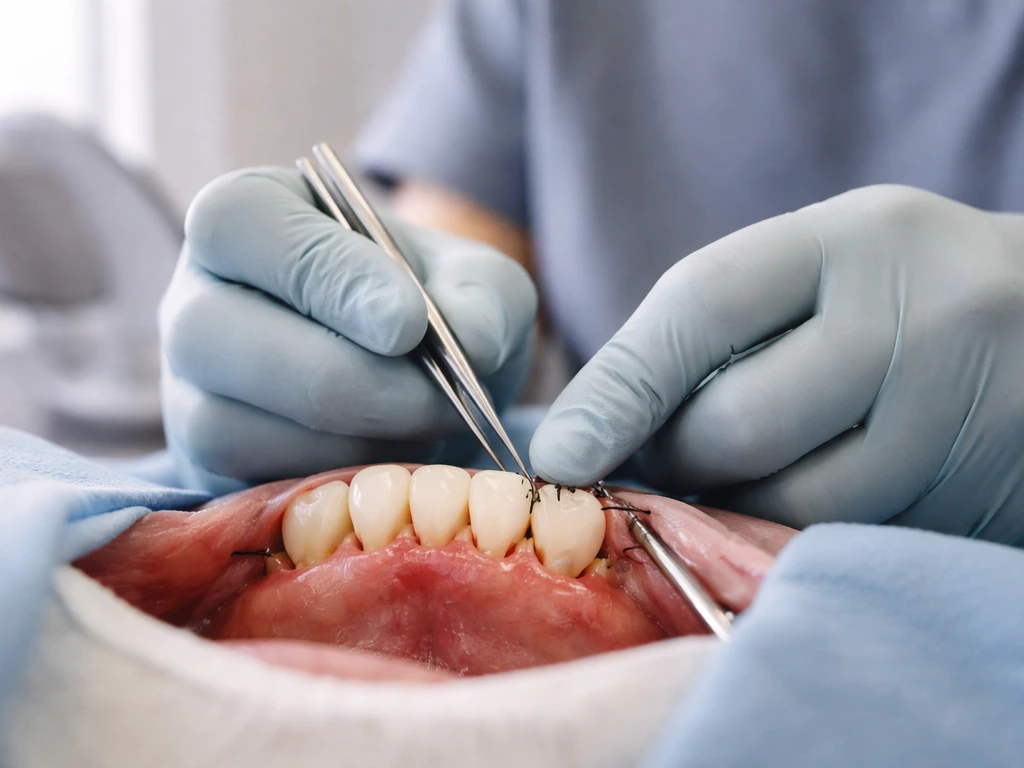
Do gums grow back after crown lengthening? Healing, limits
Do gums regrow after crown lengthening? Real healing timeline, limits, and factors that change gum line position.
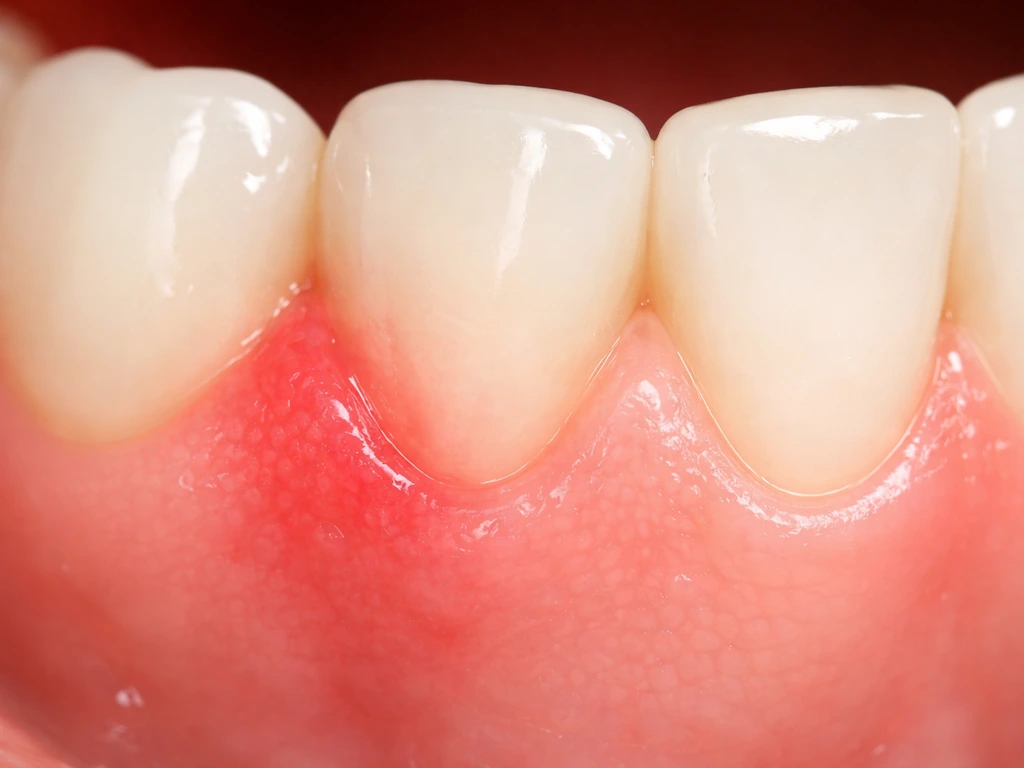
Can Gums Grow Back After Scaling? What to Expect
Learn if gums can regrow after scaling and root planing, realistic healing timelines, factors, and next steps to monitor
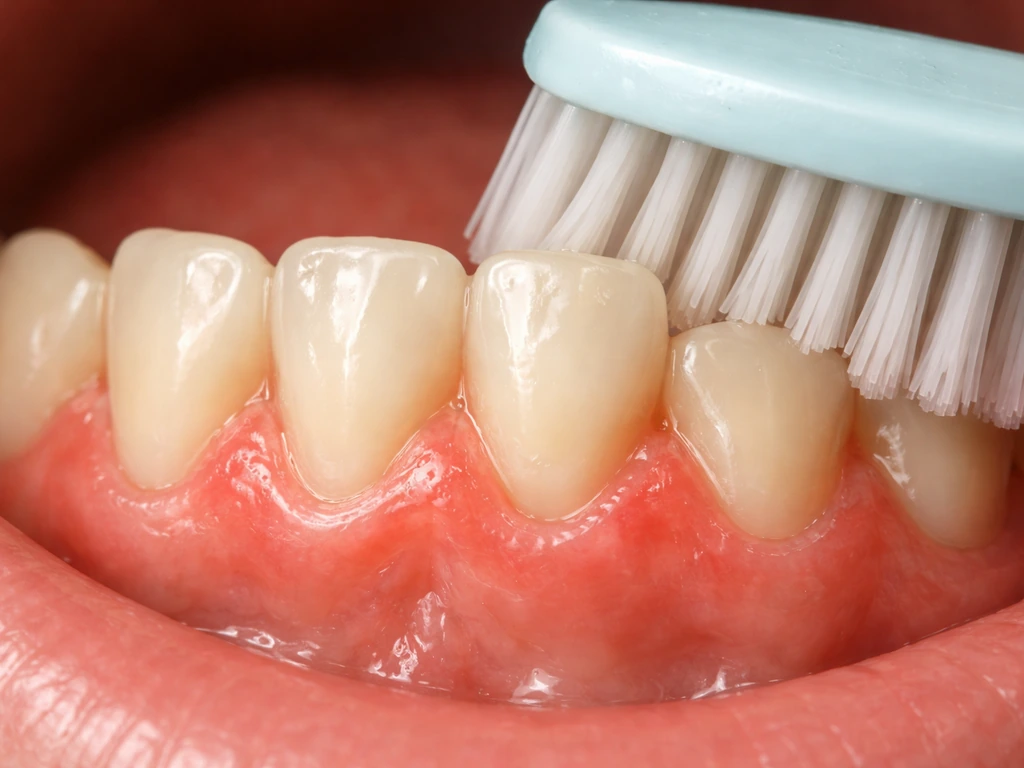
Can Gums Grow Back After Brushing Too Hard?
Learn if gums can regrow after hard brushing, signs of recession vs irritation, and steps to heal or seek periodontal ca