
The last teeth to grow in the human mouth are the third molars, better known as wisdom teeth. blank" rel="noopener noreferrer">They typically erupt between ages 17 and 25, though some people see them earlier, some later, and roughly 23% of people never develop them at all. If your wisdom teeth do come in fully and without problems, they are the final chapter of your dental development. After that, no new teeth are coming, and nothing grows back to replace a lost permanent tooth without a dental procedure.
What Are the Final Teeth to Grow in the Mouth

Marcus Holloway
20 Jun 2026
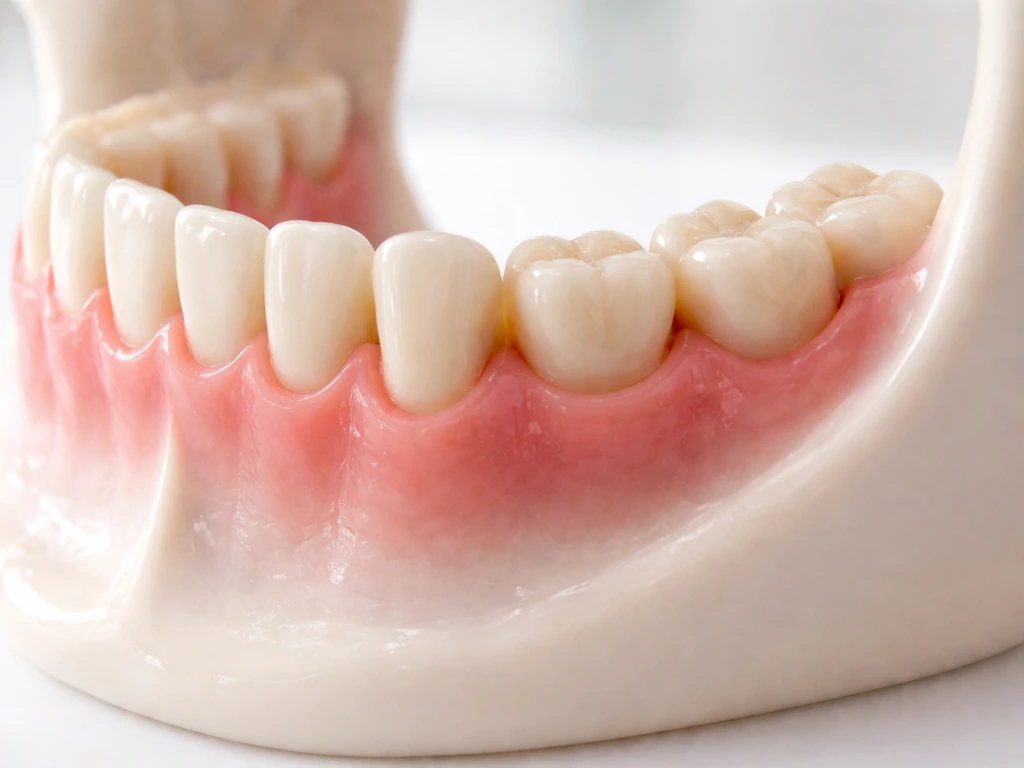
The actual last teeth to erupt
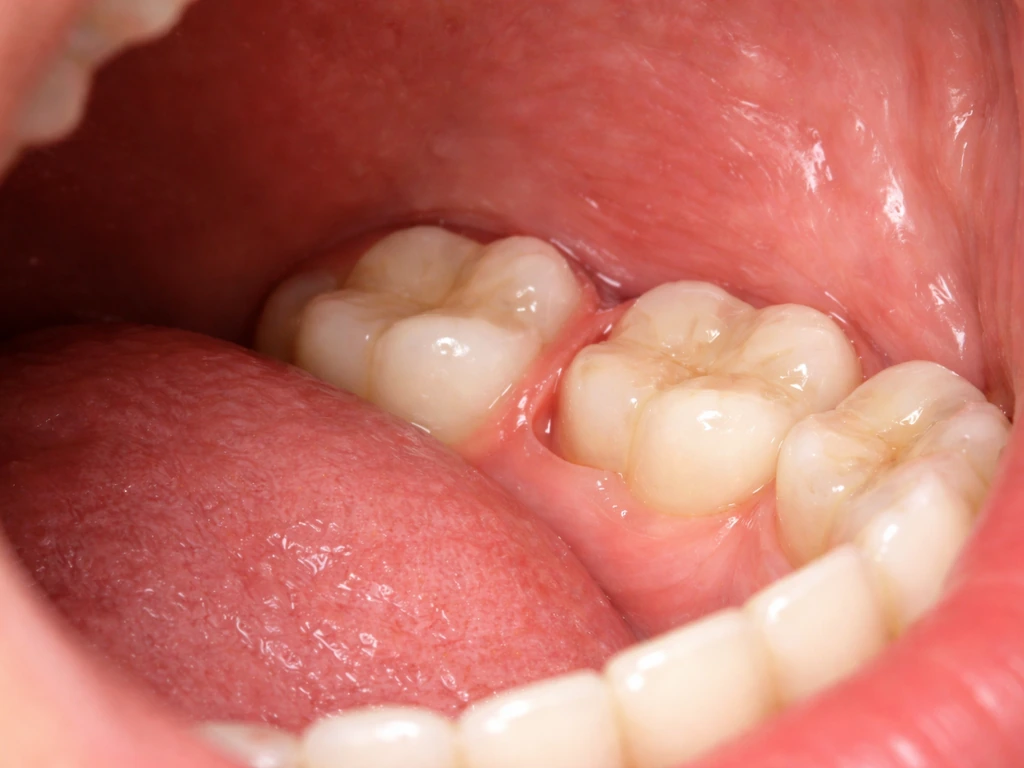
Your mouth has 32 permanent teeth in total, and they do not all show up at once. The sequence is pretty consistent across most people: front teeth come in during the early elementary school years, premolars and canines follow through middle childhood, and the second molars wrap things up around age 12. If you are wondering how long for front tooth to grow in, the timing depends on your exact tooth type and age, and it can vary from one child to another. Then there is a long pause. Years later, the third molars (wisdom teeth) attempt to erupt into whatever space is left at the very back of the jaw. That makes them, unambiguously, the final permanent teeth in the standard human eruption sequence.
If you are asking because you felt something moving at the back of your jaw in your late teens or early twenties, that is almost certainly a wisdom tooth. Wisdom teeth are the last teeth to erupt, which is why timing matters if you are wondering which teeth grow last late teens or early twenties. If you are an adult in your mid-twenties and wondering whether any more teeth are supposed to come in, the answer is no, not naturally. The biology stops there.
Eruption timeline from baby teeth to the final permanent tooth
It helps to see the full picture in one place. Tooth development runs roughly from age 6 months (first baby teeth) all the way to age 25 (last wisdom teeth), covering about two and a half decades of your life. If you want a quick answer to when permanent teeth grow in general, it starts in infancy and continues into the mid-twenties.
| Teeth | Type | Approximate Eruption Age |
|---|---|---|
| Central incisors (lower) | Primary (baby) | 6–10 months |
| Central incisors (upper) | Primary (baby) | 8–12 months |
| First molars | Primary (baby) | 13–19 months |
| Canines (cuspids) | Primary (baby) | 16–23 months |
| Second molars | Primary (baby) | 23–33 months |
| Central incisors | Permanent | 6–8 years |
| First molars | Permanent | 6–7 years |
| Lateral incisors | Permanent | 7–9 years |
| Canines & premolars | Permanent | 9–12 years |
| Second molars | Permanent | 11–13 years |
| Third molars (wisdom teeth) | Permanent | 17–25 years |
Notice the jump: second molars finish around age 12 to 13, and then wisdom teeth do not even start until around 17. That late timing is why people often ask how long it takes teeth to grow, especially when they are worried about wisdom teeth how long does it take teeth to grow. That gap is why so many people are caught off guard by late teen jaw discomfort. Mandibular (lower) molars tend to follow a neat progression: first molar at around 6, second molar around 12, third molar around 18, which lines up with the folklore that each molar arrives six years after the last. It is not perfectly precise, but it is a useful mental model.
Wisdom teeth: why the last teeth are also the most complicated
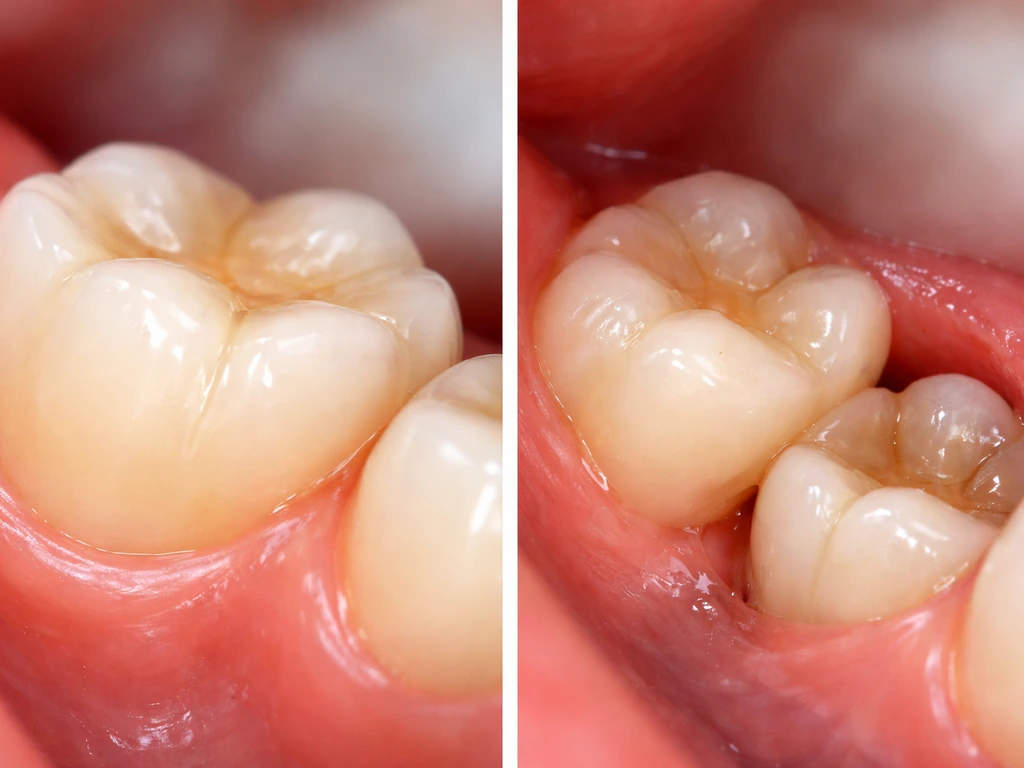
Third molars are genuinely the outlier of the dental world. Every other permanent tooth follows a fairly predictable script. Wisdom teeth? They do whatever they want. Some erupt fully and sit there completely fine for life. Others partially erupt and get stuck. Many never erupt at all, staying buried in the jawbone (impacted). A significant portion of people simply never develop them.
The numbers on impaction are striking. Pooled data from large systematic reviews puts the global prevalence of impacted third molars at around 37% per person, and some population studies find even higher rates. In one Swedish cohort of people aged 20 to 30, about 72% had at least one impacted wisdom tooth. That is not a rare complication; it is practically the norm in many populations. The reason is evolutionary: our jaws have become smaller over thousands of years while we retained genes for four extra molars that often no longer fit.
What happens when wisdom teeth are impacted
An impacted wisdom tooth is not automatically a problem that needs surgery. If it is fully buried, asymptomatic, disease-free, and not threatening the neighboring second molar, many dentists and oral surgeons take a monitoring approach. The AAOMS (American Association of Oral and Maxillofacial Surgeons) is clear on this: extraction is not always necessary when the tooth is functional, painless, and healthy. But the picture changes quickly when symptoms develop. Research tracking asymptomatic impacted wisdom teeth found that 30 to 60 percent of them eventually caused symptoms or disease within 4 to 12 years, which is why most clinicians keep them on the radar even when they feel fine.
The most common problem is pericoronitis, an inflammation and infection of the gum tissue around a partially erupted wisdom tooth. It causes localized pain, swelling, and sometimes difficulty opening the mouth. Mandibular (lower) third molars are the most common culprits. Repeated episodes of pericoronitis are typically the clearest clinical signal that extraction is worth considering.
What if you do not have wisdom teeth at all
About 23% of people worldwide have agenesis of at least one third molar, meaning the tooth simply never formed. If that is you, your second molars are your last teeth. There is nothing missing and nothing to worry about. For people with third molar agenesis, the second molars, which erupt around ages 11 to 13, are the final permanent teeth in the sequence. If you are really wondering which teeth grow in first, focus on the normal eruption pattern rather than assuming wisdom teeth will be the first ones to show up. This is also why the question of which teeth grow last does not have a single universal answer: it depends on your genetics.
When eruption is delayed or teeth are missing entirely
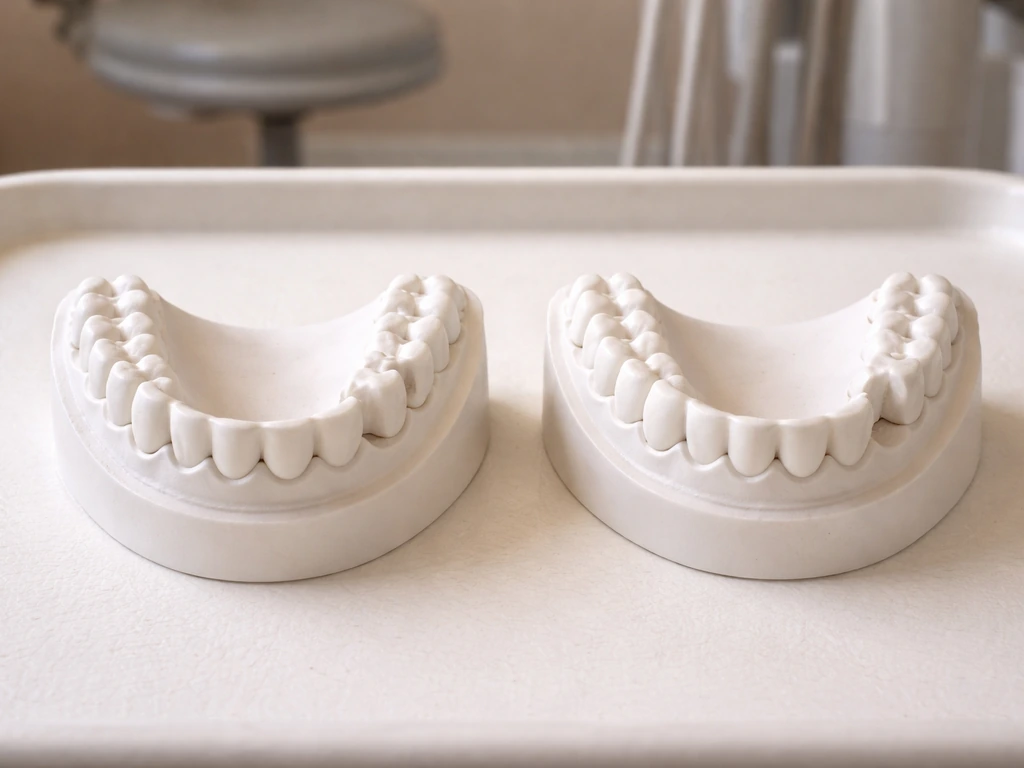
Delayed eruption of wisdom teeth past age 25 does happen, though it becomes less common the older you get. A tooth that has not erupted by the mid-to-late twenties is increasingly likely to be impacted or developmentally absent. An X-ray will settle the question quickly. What you want to avoid is the assumption that a late wisdom tooth will simply take care of itself. If a tooth bud is present in the bone but the tooth is blocked, it can cause pressure on adjacent roots, form a follicular cyst around the crown, or make the second molar vulnerable to decay at its back surface, all without causing obvious pain at first.
Genetics play a significant role in both agenesis and delayed eruption. Certain syndromes and systemic conditions (Down syndrome, cleidocranial dysplasia, hypothyroidism) are associated with delayed permanent tooth eruption more broadly, not just for wisdom teeth. If an adolescent is missing multiple teeth or showing very delayed eruption across different tooth types, that warrants a conversation with an orthodontist or pediatric dentist about whether something systemic might be involved.
For anyone who has lost a permanent tooth to extraction or trauma, the biological reality is straightforward: no replacement tooth is coming on its own. Humans are diphyodonts, meaning we get exactly two natural sets of teeth (primary and permanent), and that is the end of the road biologically. If a permanent molar is extracted, the options are a dental implant, bridge, or partial denture. There is no third set waiting in reserve.
Can any part of a tooth actually regrow? Here is what the science says
This is the question that brings a lot of people to a site like this, and it deserves a direct, myth-busting answer: a lost permanent tooth cannot grow back. No part of human biology replaces a missing adult tooth crown or root. Full stop. But the story is more nuanced when you look at individual tooth structures rather than whole teeth.
- Enamel: Cannot regenerate on its own after it is fully lost. Enamel-forming cells (ameloblasts) die off after a tooth fully erupts. However, enamel can remineralize, meaning early-stage erosion and non-cavitated lesions can partially recover minerals from saliva and fluoride, essentially strengthening weakened enamel before a cavity forms. This is not regrowth; it is repair at a mineral level.
- Dentin: The inner layer of a tooth has more repair potential than enamel. Pulp stem cells can produce secondary dentin throughout life and reparative (tertiary) dentin in response to injury or decay. This is a natural protective response, not a full replacement, but it does mean your tooth has some capacity for self-defense.
- Pulp: The soft tissue inside the tooth has stem cell populations that researchers are actively studying for regenerative therapies. Pulp regeneration is a real area of dental research, though clinical applications are still developing.
- Periodontal structures: The ligament, cementum, and alveolar bone around a tooth can partially regenerate with the right clinical interventions (periodontal therapy, grafting), but this is guided regeneration, not spontaneous regrowth.
- The whole tooth: No. Humans have no mechanism to replace a lost permanent tooth with a new natural tooth. This is a hard biological limit.
If you have read about tooth regeneration therapies in the news, those are real areas of research but they are not available in clinical dentistry today. Scientists are exploring ways to activate dormant tooth-forming pathways or grow teeth in labs, but for now, if you have lost a permanent tooth, the path forward is a prosthetic or implant, not biology.
Practical steps: how to check eruption status and when to get help
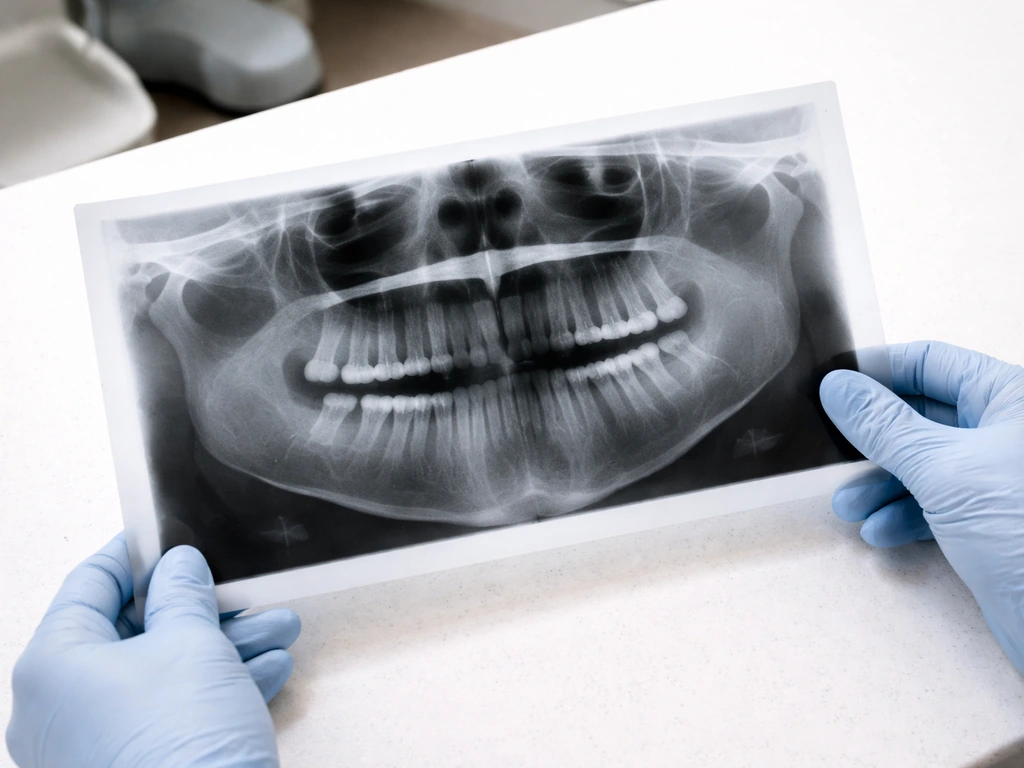
If you are trying to figure out whether your final teeth have erupted, where they are, or whether something is wrong, here is what actually matters in practice. Wisdom teeth are often described as the last teeth to come in, but the timing can vary, so they are not necessarily the first teeth to grow for everyone the first teeth to grow in.
Start with a panoramic X-ray
A panoramic radiograph (also called an OPG or orthopantomogram) is the standard first step. It gives your dentist a full-mouth view in a single image and will immediately show whether wisdom teeth are present in the bone, how they are angled, whether they are impacted, and whether any follicular cysts have formed around them. Most dentists recommend getting one around ages 17 to 18 specifically to assess third molar status before problems develop. If the panoramic image is unclear, or if the wisdom tooth is close to a major nerve (which is more relevant for lower wisdom teeth), a 3D cone-beam CT (CBCT) scan gives much more detailed spatial information and is used when surgical planning requires it.
Signs that warrant a dentist visit sooner rather than later
- Pain, swelling, or a bad taste at the back of the jaw (classic pericoronitis symptoms)
- Difficulty opening your mouth fully
- A tooth that has been partially erupted for more than a few weeks without progressing
- Visible decay on the back surface of your second molar (often caused by a partially impacted wisdom tooth trapping food and bacteria)
- A teenager past age 14 who has not yet lost all baby teeth or is not showing permanent tooth eruption where expected
- Any adult who has not had a panoramic X-ray and does not know whether their wisdom teeth are present or impacted
When extraction is and is not necessary
Not every impacted or late-erupting wisdom tooth needs to come out. If you are wondering when do teeth grow in for other stages of life, the timing can vary by tooth type and development. According to NICE guidance and AAOMS recommendations, extraction is appropriate when there is active pathology: unrestorable decay, infection, abscess, pericoronitis that keeps recurring, a cyst around the tooth, or damage to the adjacent second molar. If the tooth is fully buried, stable, and showing no signs of disease or movement, monitoring with regular X-rays is a reasonable approach. The AAPD adolescent oral health care policy also notes that impacted or malpositioned wisdom teeth that lead to pericoronitis, caries, cysts, or periodontal problems merit evaluation for removal, typically using radiographic diagnostic aids as part of adolescent exams blank" rel="noopener noreferrer">impaction or malposition leading to pericoronitis, caries, cysts, or periodontal problems. Your oral surgeon or dentist will look at the full picture: your age, the tooth's position, proximity to nerves, and your symptom history.
The bottom line is this: wisdom teeth are the final teeth your body produces, they arrive late, they behave unpredictably, and about one in three people will have at least one that is impacted. Knowing where yours stand, literally, in your jaw is something a single dental appointment with an X-ray can answer definitively. That is always a better option than waiting for pain to make the decision for you.
FAQ
If someone never develops wisdom teeth, what are the final teeth to grow in their mouth?
If you are missing one wisdom tooth and still have other third molars that never developed, your final teeth in that case will be whichever last permanent molar did form, commonly the second molars. The only way to know is imaging, a panoramic X-ray can confirm whether each third molar tooth bud and crown ever formed and whether any are simply impacted.
Can a wisdom tooth be present but not yet erupted, and still cause problems?
A wisdom tooth can be “there” on an X-ray but still not erupt fully into the mouth, so you may have no visible tooth yet still be at risk for issues like decay on the back side of the second molar or cyst formation. Clinicians typically rely on symptoms plus tooth angulation and position, and they may monitor even when you feel fine.
If I feel something growing at the back of my mouth, does that mean a new tooth is coming in?
“No new teeth” is true biologically after the permanent set, but clinically you can still get tooth-like structures or changes that mimic eruption, for example swelling from a partially erupted tooth, or tooth movement that makes earlier teeth look shifted. If you are seeing a new bump or pain at the back, it is usually the gums reacting to a late or impacted third molar rather than a new tooth growing.
What should I do if I am past the usual age and my wisdom teeth still have not come in?
If you are in your mid-to-late twenties and a wisdom tooth has not erupted, the odds of it later coming in reduce, but it is not impossible. The practical next step is to book an X-ray because delayed eruption beyond the expected window often means impaction or missing development, which changes the treatment decision.
Is it safe to wait until my wisdom tooth hurts before getting an X-ray?
Do not use pain as the only indicator. Some impacted teeth are asymptomatic for years, while others trigger recurring pericoronitis, but symptoms can also come and go. A panoramic radiograph is the decision tool, especially if you have had intermittent gum irritation or bad taste around the back molars.
Does an impacted wisdom tooth always need to be removed?
Not always. Even if a third molar is impacted, extraction is more strongly considered when there is active disease like recurring pericoronitis, a cyst, unrestorable decay, an abscess, or damage to the neighboring second molar. If it is stable, fully buried or well covered, and not threatening nearby structures, monitoring can be appropriate.
Why would my dentist order a 3D scan instead of only a panoramic X-ray?
Lower wisdom teeth are more likely to be close to the inferior alveolar nerve, which can increase risk during surgery and influence whether CBCT is needed. If the panoramic image suggests nerve proximity or surgical complexity, a 3D cone-beam CT can help your surgeon plan to reduce nerve injury risk.
What if I am missing more than one tooth or my permanent teeth seem to be coming in very late?
If multiple teeth are missing or eruption is delayed across different tooth types, it can point to a broader issue rather than just random wisdom tooth variation. In that situation, a pediatric dentist or orthodontist may evaluate for systemic or genetic factors and map the eruption plan to the full dental development timeline.
If I lost a permanent tooth, can I expect it to grow back later?
If the concern is a tooth that was extracted, the biological answer is no replacement will grow back on its own. The practical options are implants, bridges, or a removable partial denture, and the best choice depends on how long ago the tooth was lost, adjacent tooth health, bone status, and your age.
Next Articles

Teeth That Erupt First in Normal Timing: What to Expect
Which teeth erupt first in normal timing by age, plus early or late range and what can and can’t regrow.
Which Teeth Grow Last? Eruption Timing for Baby and Adult Teeth
See which teeth erupt last, typical ages for baby and permanent sets, wisdom tooth timing, and when to get checked.

Which Teeth Grow in First? Baby Tooth Eruption Order
Baby tooth eruption order: which teeth come first, timing range, normal teething signs, and when to see a dentist.